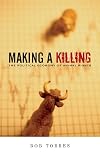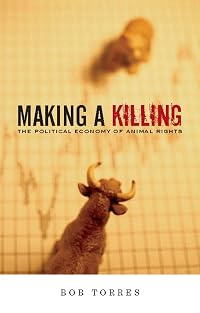
Making a Killing: The Political Economy of Animal Rights
by Bob Torres 
On This Page
Description
Why animal liberation needs the Left and the Left needs animal liberation.Tags
Recommendations



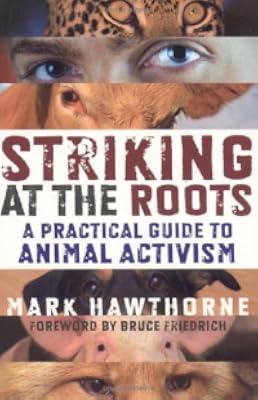
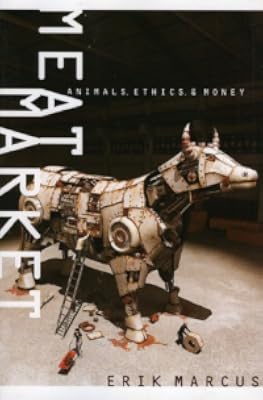
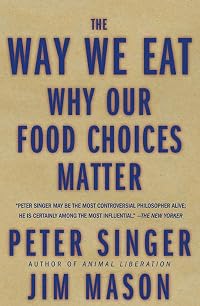
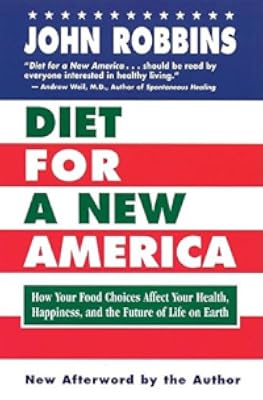

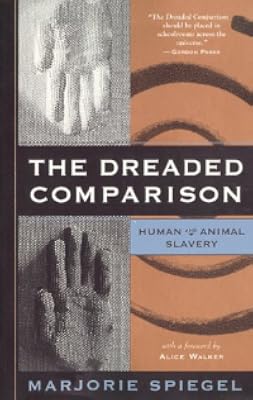
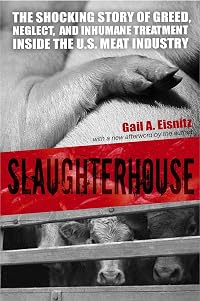
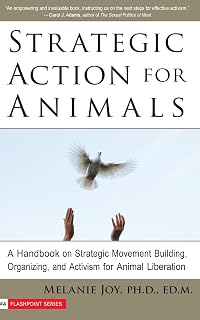
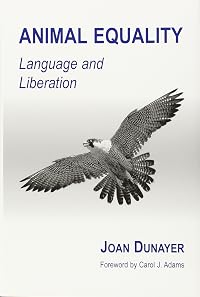



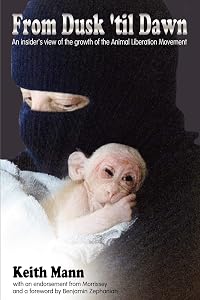
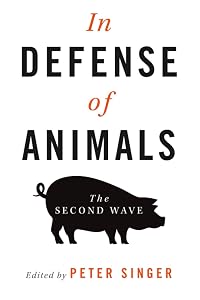
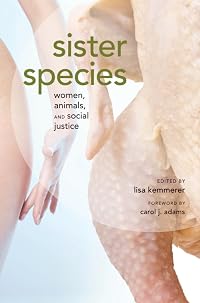
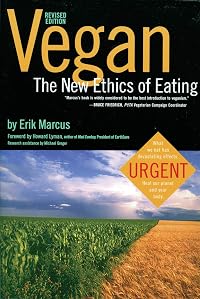



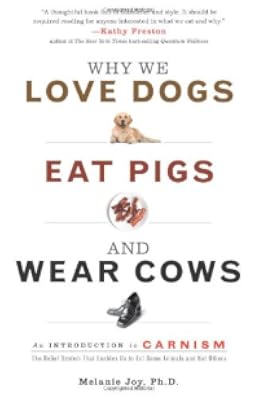
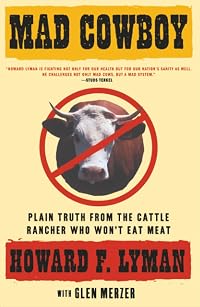
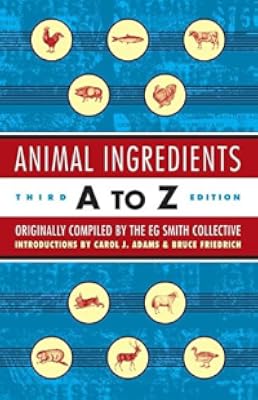
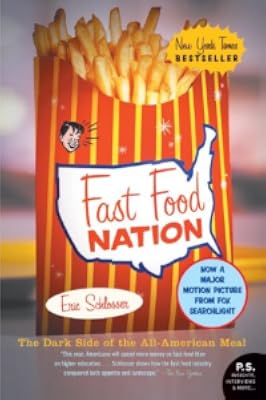




Member Recommendations



Member Reviews
Making a Killing is a great primer on animal rights activism and anarchism. Torres's thesis is that anti-speciesism is consistent with a non-hierarchical, anarchist society. He really blasts mainstream animal rights organizations (and rightly so) for ignoring real animal liberation while giving awards to slaughterhouse designers and raising money for their corporate boards. He also criticizes left movements for ignoring animal rights movements as being less important than other human rights struggles. He argues that being vegan reduces your dominance over others, and is completely consistent with a radical lifestyle, even if you devote your main energies to feminism, anti-racism, etc.
I liked this book because it gave me a better show more understanding of anarchism and the animal rights movement in general. I also liked his criticisms of people like John Mackey and organizations like PETA, because they always rub me the wrong way, and I always wonder if I'm a strange type of vegan who hates PETA. I always wonder how useful any movement is when it works within the framework of capitalism, and Bob Torres does a great job explaining how animals will never be liberated when they are commodities and property. Animal rights are simply not compatible with capitalism.
Definitely recommended for current veg*ns, anyone interested in animal rights and people who are anarchists but don't see the point in helping out animals. You can be an activist and help dismantle capitalist systems of dominance over animals. Go vegan! show less
I liked this book because it gave me a better show more understanding of anarchism and the animal rights movement in general. I also liked his criticisms of people like John Mackey and organizations like PETA, because they always rub me the wrong way, and I always wonder if I'm a strange type of vegan who hates PETA. I always wonder how useful any movement is when it works within the framework of capitalism, and Bob Torres does a great job explaining how animals will never be liberated when they are commodities and property. Animal rights are simply not compatible with capitalism.
Definitely recommended for current veg*ns, anyone interested in animal rights and people who are anarchists but don't see the point in helping out animals. You can be an activist and help dismantle capitalist systems of dominance over animals. Go vegan! show less
From a review I wrote in Solidarity Federation's - Direct Action # 42, Spring 2008
Does animal rights have a place within anarchism or indeed within the liberation of the working class? Bob Torres’ Making a Killing... is not the first to take up the tenuous issue of animal rights philosophy and anarchism but he certainly tries to cover a lot of ground. By primarily drawing upon a critique model of capitalist economy through Marx and drawing upon issues of social ecology via Bookchin he weaves together a sound argument that is an impassioned plea for the left and libertarians to consider the plight of animals.
The hallmarks of this tradition can in large part be traced back to developments within anarcho-punk during the eighties. While a show more number of appeals about the mistreatment of animals raised important questions and kick-started a number of campaigns, the issue of class and a philosophy based around a lifestyle eschewing animal abuse was never fully resolved.
Readers might be familiar with the contemporary beginnings of this debate with the likes of 'Beast of Burden' and 'Animal Liberation: Devastate to Liberate? Or Devastatingly Liberal'. As the animal rights movement progressed from its infancy and hit a zenith in the mass appeal of vegetarianism, it saw the beginnings of numerous campaigns against the fur trade, blood sports, battery and intensive farming, testing on animals and vivisection and so on. It was also drawn into criticisms of misanthropy, fanatical single issue campaigning, violence and professional politicking – or what Torres refers to as the ‘Animal Rights Industry’.
Where the book picks up is by fleshing out an understanding of the status of animals. By taking issue with moralisers like Peter Singer, it argues that animals are reduced to the effective position of commodities and our maintaining of this keeps our understanding of nature and ecology entirely on a capitalist and therefore an irrational level. For example racism, sexism and even class have a pre-capitalist basis, but find their oppressive height within capitalism’s existence. These factors can make oppressive forms appear ‘natural’ but, on the contrary, they are mere perversions of nature. The accumulation of wealth at the expense of the few, regardless of its origins, is in fact a distortion of our ‘organic nature’. This is entirely where Bookchin is tied in – by exploring how the exploitation of classes results in various constituted hierarchies of the sexes, races and even of animals.
What’s interesting is that it isn’t left there. The ALF and mainstream animal rights groups are rounded on and deconstructed with a class and anarchist analysis and Torres argues for the possibilities of a new form of activism that challenges the status of animals. The question is: will the people who would benefit from reading this book read it? show less
Does animal rights have a place within anarchism or indeed within the liberation of the working class? Bob Torres’ Making a Killing... is not the first to take up the tenuous issue of animal rights philosophy and anarchism but he certainly tries to cover a lot of ground. By primarily drawing upon a critique model of capitalist economy through Marx and drawing upon issues of social ecology via Bookchin he weaves together a sound argument that is an impassioned plea for the left and libertarians to consider the plight of animals.
The hallmarks of this tradition can in large part be traced back to developments within anarcho-punk during the eighties. While a show more number of appeals about the mistreatment of animals raised important questions and kick-started a number of campaigns, the issue of class and a philosophy based around a lifestyle eschewing animal abuse was never fully resolved.
Readers might be familiar with the contemporary beginnings of this debate with the likes of 'Beast of Burden' and 'Animal Liberation: Devastate to Liberate? Or Devastatingly Liberal'. As the animal rights movement progressed from its infancy and hit a zenith in the mass appeal of vegetarianism, it saw the beginnings of numerous campaigns against the fur trade, blood sports, battery and intensive farming, testing on animals and vivisection and so on. It was also drawn into criticisms of misanthropy, fanatical single issue campaigning, violence and professional politicking – or what Torres refers to as the ‘Animal Rights Industry’.
Where the book picks up is by fleshing out an understanding of the status of animals. By taking issue with moralisers like Peter Singer, it argues that animals are reduced to the effective position of commodities and our maintaining of this keeps our understanding of nature and ecology entirely on a capitalist and therefore an irrational level. For example racism, sexism and even class have a pre-capitalist basis, but find their oppressive height within capitalism’s existence. These factors can make oppressive forms appear ‘natural’ but, on the contrary, they are mere perversions of nature. The accumulation of wealth at the expense of the few, regardless of its origins, is in fact a distortion of our ‘organic nature’. This is entirely where Bookchin is tied in – by exploring how the exploitation of classes results in various constituted hierarchies of the sexes, races and even of animals.
What’s interesting is that it isn’t left there. The ALF and mainstream animal rights groups are rounded on and deconstructed with a class and anarchist analysis and Torres argues for the possibilities of a new form of activism that challenges the status of animals. The question is: will the people who would benefit from reading this book read it? show less
Ratings
Members
- Recently Added By
Lists

AK Press
9 works; 1 member
Author Information

3 Works 542 Members
Bob Torres is a LibraryThing Author, an author who lists their personal library on LibraryThing.
Common Knowledge
- Canonical title
- Making a Killing: The Political Economy of Animal Rights
- Original publication date
- 2007
- Dedication
- To Jenna
and
to Emmy, Michi, and Mole - First words
- As a species, our relationship with animals is admittedly odd.
- Last words
- (Click to show. Warning: May contain spoilers.)There is no other alternative.
- Blurbers
- MacMichael, Ryan ; Francione, Gary L. ; Yates, Roger ; Pellow, David Naguib
Classifications
- Genres
- Nonfiction, General Nonfiction, Philosophy, Economics, Science & Nature, History
- DDC/MDS
- 179.3 — Philosophy & psychology Ethics Other ethical norms Treatment of animals
- LCC
- HV4711 .T677 — Social sciences Social pathology. Social and public welfare. Criminology Social pathology. Social and public welfare. Protection, assistance and relief Protection of animals. Animal rights. Animal
- BISAC
Statistics
- Members
- 163
- Popularity
- 201,714
- Reviews
- 2
- Rating
- (3.95)
- Languages
- English
- Media
- Paper, Ebook
- ISBNs
- 3
- ASINs
- 1