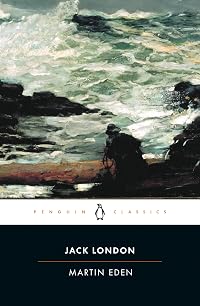
Martin Eden
by Jack London
On This Page
Description
Jack London's Martin Eden was first published in 1909 and is the story of a young writer's quest for celebrity and love. Much loved by writers who identify with Martin's belief that when he posted a manuscript, 'there was no human editor at the other end, but a mere cunning arrangement of cogs that changed the manuscript from one envelope to another and stuck on the stamps,' that automatically returned it slapped with a rejection slip..
Tags
Recommendations














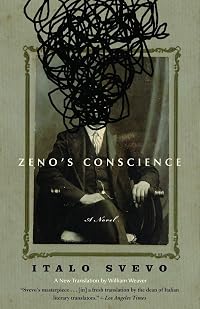
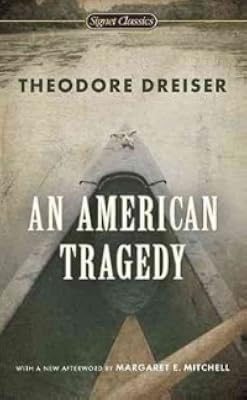



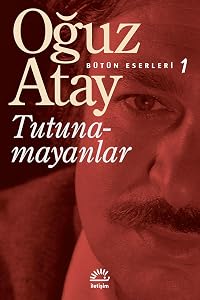
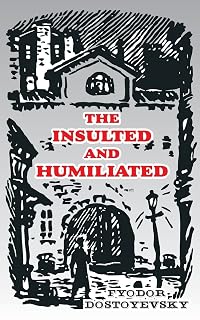
Member Recommendations
Babou_wk Un jeune prolétaire tombe amoureux d'une jeune fille bourgeoise.
Member Reviews
Credo che la storia di Martin Eden sia ben conosciuta: da giovane marinaio e rozzo uomo del popolo a grande scrittore, che nel processo di cambiamento perde la sua identità, l'amore, e alla fin fine anche la vita.
Detto questo Martin Eden è un urlo, un urlo continuo e sovrumano contro la mentalità borghese, contro i valori stereotipati, contro la mancanza di fantasia. Ma è anche un monito per chi fa di un individualismo sfrenato la vera ragione di vita, rammentando che un simile soggetto non potrà mai sopportare le convenzioni di vita correnti, con la loro mediocrità, il tedio, la disillusione e la depressione saranno i suoi soli guadagni, e potranno cessare solo con la morte data di propria mano.
Detto questo, alcune note:
1) ho show more potuto apprezzare veramente Martin Eden solo leggendolo in inglese, che due tentativi in due differenti traduzioni italiane mi avevano disgustato, sostituendo al potente linguaggio di London la melensaggine con cui in Italia si intende debbano essere scritti dei libri destinati a diventare classici, magari educativi per ragazzi.
2) Martin Eden non è un romanzo di formazione da destinare alle giovani menti, né è un libro di avventure, ma è uno scritto fortemente politico.
3) E' interessante notare come il rozzo linguaggio di Martin all'inizio del libro, il linguaggio della classe lavoratrice americana da cui egli si deve affrancare allo scopo di elevare la propria mente dandole gli strumenti per penetrare negli scritti dei grandi pensatori, sia oggi diventato a sua volta linguaggio politico attraverso il rap. Non so se London ne sarebbe disgustato o estasiato.
Prima lettura 7 giugno 2008
Candido è tornato, con tutto il suo incredibile ottimismo e fiducia nel mondo, si è incarnato in un marinaio americano moderno che crede nel mito del superuomo ed è convinto di poter raggiungere le vette del mondo. E le raggiunge, solo per accorgersi che tutto è vanità, che coloro che ha messo su un piedistallo, per potersi elevare al loro livello e infine superarli, in realtà su un piedistallo non ci sono mai stati, sono anzi creature meschine, infime.
Ovviamente, siccome in realtà nemmeno lui è un superuomo sebbene ne sia fortemente convinto, si lascia cogliere da uno scoramento così forte da assomigliare molto da vicnino a un forte esaurimento nervoso e a uno spleen invincibile, che gli permetterà di esercitare ancora una volta la sua volontà solo col suicidio.
Il libro ha dei momenti molto belli, sciupati da una forte ripetitività e dalla continua incombenza del mito americano, e soprattutto, nell'edizione in mio possesso, da una traduzione sciagurata. Spero che le edizioni più recenti scrivano almeno "ubriaco" al posto di "ubbriaco". show less
Detto questo Martin Eden è un urlo, un urlo continuo e sovrumano contro la mentalità borghese, contro i valori stereotipati, contro la mancanza di fantasia. Ma è anche un monito per chi fa di un individualismo sfrenato la vera ragione di vita, rammentando che un simile soggetto non potrà mai sopportare le convenzioni di vita correnti, con la loro mediocrità, il tedio, la disillusione e la depressione saranno i suoi soli guadagni, e potranno cessare solo con la morte data di propria mano.
Detto questo, alcune note:
1) ho show more potuto apprezzare veramente Martin Eden solo leggendolo in inglese, che due tentativi in due differenti traduzioni italiane mi avevano disgustato, sostituendo al potente linguaggio di London la melensaggine con cui in Italia si intende debbano essere scritti dei libri destinati a diventare classici, magari educativi per ragazzi.
2) Martin Eden non è un romanzo di formazione da destinare alle giovani menti, né è un libro di avventure, ma è uno scritto fortemente politico.
3) E' interessante notare come il rozzo linguaggio di Martin all'inizio del libro, il linguaggio della classe lavoratrice americana da cui egli si deve affrancare allo scopo di elevare la propria mente dandole gli strumenti per penetrare negli scritti dei grandi pensatori, sia oggi diventato a sua volta linguaggio politico attraverso il rap. Non so se London ne sarebbe disgustato o estasiato.
Prima lettura 7 giugno 2008
Candido è tornato, con tutto il suo incredibile ottimismo e fiducia nel mondo, si è incarnato in un marinaio americano moderno che crede nel mito del superuomo ed è convinto di poter raggiungere le vette del mondo. E le raggiunge, solo per accorgersi che tutto è vanità, che coloro che ha messo su un piedistallo, per potersi elevare al loro livello e infine superarli, in realtà su un piedistallo non ci sono mai stati, sono anzi creature meschine, infime.
Ovviamente, siccome in realtà nemmeno lui è un superuomo sebbene ne sia fortemente convinto, si lascia cogliere da uno scoramento così forte da assomigliare molto da vicnino a un forte esaurimento nervoso e a uno spleen invincibile, che gli permetterà di esercitare ancora una volta la sua volontà solo col suicidio.
Il libro ha dei momenti molto belli, sciupati da una forte ripetitività e dalla continua incombenza del mito americano, e soprattutto, nell'edizione in mio possesso, da una traduzione sciagurata. Spero che le edizioni più recenti scrivano almeno "ubriaco" al posto di "ubbriaco". show less
If Martin Eden is indeed autobiographical, it demonstrates the extraordinarily perceptive intellect and much-tortured soul of Jack London. The book is riveting. At first, somewhat banal in its celebration of the typical hard man, then academic in its treatment of the philosophers of its time, then ending in a way that Hemingway would have been proud. London's own story of intellect and physical rigour are captured in the work. While White Fang and Call of the Wild may have been his more popular works, and I found The Assassination Bureau fascinating, here London is at his best. Much like George Bernard Shaw's Back to Methuselah, which Shaw considered to be his masterpiece, I cannot help but think that this was London's masterpiece, show more although the purchasing public may not have agreed. show less
Martin did some seafaring and cow-poking and rubbing rough against the law. Then in California, whoa, discovers he is smarter than everybody else and finds overwhelming and permanent confidence in himself. But no important people care except Martin. He studies books and, whoa, decides he could write better than anybody else. He writes and, whoa, he does write better than anybody else but nobody understands how good it is or will pay for it. No one important believes in him. Even his girlfriend finally gives up on him (facing a life of grinding poverty with him, a point London hardly considers). Martin is very sad but soldiers on in poverty against the unbelievers.
Martin burns out, quits writing and submits his stuff one last time, what show more the hell. Whoa, people start paying for his stuff, he gets celebrity and now the unbelievers come back. Martin is not having any of it because, by golly, he is the same man now whom no one believed in before. (See Philoctetes's reluctance to join battle at Troy in Sophocles.) Now he doesn't like anybody but a few poor folks he knows and relatives and very old friends, and he is generous to some of them. He detests the hypocrisy and decides to return to Tahiti to live but jumps overboard, not wanting to face even the hassle of getting set up there.
What was wrong with Martin? His exalted self-value poisoned his relations. He didn't respect a humanity in common with others. He couldn't sympathize with successful people less capable than himself. He thought he could do it all by himself. He couldn't function without his illusions. He couldn't overcome his bitterness.
This book can't hold a candle to Sea Wolf, and I don't understand the high ratings. Perhaps London, caricaturing himself as Martin Eden, rid himself of some self-pity. Remarkably, this novel was written after three of his most successful. London attributes the book as an attack on individualism, but it looks to be more like his own disillusion. show less
Martin burns out, quits writing and submits his stuff one last time, what show more the hell. Whoa, people start paying for his stuff, he gets celebrity and now the unbelievers come back. Martin is not having any of it because, by golly, he is the same man now whom no one believed in before. (See Philoctetes's reluctance to join battle at Troy in Sophocles.) Now he doesn't like anybody but a few poor folks he knows and relatives and very old friends, and he is generous to some of them. He detests the hypocrisy and decides to return to Tahiti to live but jumps overboard, not wanting to face even the hassle of getting set up there.
What was wrong with Martin? His exalted self-value poisoned his relations. He didn't respect a humanity in common with others. He couldn't sympathize with successful people less capable than himself. He thought he could do it all by himself. He couldn't function without his illusions. He couldn't overcome his bitterness.
This book can't hold a candle to Sea Wolf, and I don't understand the high ratings. Perhaps London, caricaturing himself as Martin Eden, rid himself of some self-pity. Remarkably, this novel was written after three of his most successful. London attributes the book as an attack on individualism, but it looks to be more like his own disillusion. show less
Martin Eden é um livro que quebra estereótipos. As pessoas dá tanto valor à educação formal, aos títulos, às imagens exteriores de educação e cultura. Esse livro não é somente sobre um autodidata que descobre a falsidade de tudo isso, ele é escrito por um. Without education, we are in a horrible and deadly danger of taking educated people seriously - Chesterton.
O final é um dos suicídios mais interessantes da literatura. London pretendia mostrar seu herói como um individualista, que teve que morrer não por sua falta de fé em deus, mas por sua falta de fé nos homens. Já foge dos estereótipos, mas ainda não é tão interessante.
O interessante é que os tempos mudaram, o socialismo real caiu (London mesmo tinha grande show more fé no socialismo), e hoje a falta de fé nos homens de Martin Eden atinge muita gente, que passou a considerar seu suicídio como um ato heróico de recusa a um mundo que jamais será como deveria ser, um mundo sem esperança.
Obras-Primas permitem muitas interpretações, mesmo se contrárias à intenção do autor: London afirmava que nenhum leitor descobriu sua crítica ao individualismo. É por isso que esse livro deve ser relido. show less
O final é um dos suicídios mais interessantes da literatura. London pretendia mostrar seu herói como um individualista, que teve que morrer não por sua falta de fé em deus, mas por sua falta de fé nos homens. Já foge dos estereótipos, mas ainda não é tão interessante.
O interessante é que os tempos mudaram, o socialismo real caiu (London mesmo tinha grande show more fé no socialismo), e hoje a falta de fé nos homens de Martin Eden atinge muita gente, que passou a considerar seu suicídio como um ato heróico de recusa a um mundo que jamais será como deveria ser, um mundo sem esperança.
Obras-Primas permitem muitas interpretações, mesmo se contrárias à intenção do autor: London afirmava que nenhum leitor descobriu sua crítica ao individualismo. É por isso que esse livro deve ser relido. show less
Given that Martin Eden is the most autobiographical work Jack London ever wrote (this, according to Andrew Sinclair, who wrote the Intro), we have to believe that the author actually lived most of what he writes. If so, the work should be mandatory reading for anyone contemplating a writing career at the cost of a day-job.
If any of us should still believe that ‘the road less traveled’ is a glorious one, this work will cure him or her of that illusion. But for an occasional fluke (which aspiring writers and the publishing world alike all feed upon), the writer’s life – if Jack London’s is a fair example, and I believe it is – is one of poverty and debilitation – if not downright humiliation. Oh, and did I mention hunger?
But show more no matter. Go and feast on the ideal if you insist. Just know that the ideal contains damned few calories.
At one point, Martin Eden (the eponymous principal character of this novel) actually does achieve fame and fortune. Is this, then, a kind of ‘Cinderella story?’ Without giving away the actual conclusion of London’s novel, I’ll allow you a glimpse via some of his principal character’s ruminations: “And always was Martin’s maddening and unuttered demand: Why didn’t you feed me then? It was work performed. “The Ring of Bells” and “The Peri and the Pearl” (two of the fictional writer’s short stories) are not changed one iota. They were just as artistic, just as worthwhile, then as now. But you are not feeding me for their sake, nor for the sake of anything else I have written. You’re feeding me because it is the style of feeding just now, because the whole mob is crazy with the idea of feeding Martin Eden” (p. 450).
Antiquated if not downright flawed though it and he may be, I suspect that Martin Eden (the novel) and Martin Eden (the novel’s protagonist) are – just as is London’s superb short story, “To Build a Fire” – memories to last a lifetime. In this age of rampant self-publication and an unbridled quest after the glory of artistic recognition – but in which so few are willing to do the work London obviously did to achieve recognition for his work – this novel should stand as both Bible and roadmap. Or as Dante once wrote over the gates of Hell, “Abandon all hope, ye who enter here.”
RRB
Brooklyn, NY, U.S.A.
07/17/14 show less
If any of us should still believe that ‘the road less traveled’ is a glorious one, this work will cure him or her of that illusion. But for an occasional fluke (which aspiring writers and the publishing world alike all feed upon), the writer’s life – if Jack London’s is a fair example, and I believe it is – is one of poverty and debilitation – if not downright humiliation. Oh, and did I mention hunger?
But show more no matter. Go and feast on the ideal if you insist. Just know that the ideal contains damned few calories.
At one point, Martin Eden (the eponymous principal character of this novel) actually does achieve fame and fortune. Is this, then, a kind of ‘Cinderella story?’ Without giving away the actual conclusion of London’s novel, I’ll allow you a glimpse via some of his principal character’s ruminations: “And always was Martin’s maddening and unuttered demand: Why didn’t you feed me then? It was work performed. “The Ring of Bells” and “The Peri and the Pearl” (two of the fictional writer’s short stories) are not changed one iota. They were just as artistic, just as worthwhile, then as now. But you are not feeding me for their sake, nor for the sake of anything else I have written. You’re feeding me because it is the style of feeding just now, because the whole mob is crazy with the idea of feeding Martin Eden” (p. 450).
Antiquated if not downright flawed though it and he may be, I suspect that Martin Eden (the novel) and Martin Eden (the novel’s protagonist) are – just as is London’s superb short story, “To Build a Fire” – memories to last a lifetime. In this age of rampant self-publication and an unbridled quest after the glory of artistic recognition – but in which so few are willing to do the work London obviously did to achieve recognition for his work – this novel should stand as both Bible and roadmap. Or as Dante once wrote over the gates of Hell, “Abandon all hope, ye who enter here.”
RRB
Brooklyn, NY, U.S.A.
07/17/14 show less
A working sailor, fresh from a sea voyage, young Martin Eden comes to the rescue of a stranger in a barroom brawl. Fisticuffs is one of Martin's developed talents, and the hard work of a sailor has left him particularly well fit to practice it. The stranger is Arthur Morse, a son of one of San Francisco's prominent families. Martin is invited to dinner to meet the grateful family. This is the event that charts an entirely new course for his life.
Finding himself in an "upper class" home, Martin drinks in the beauty of it, with real oil paintings on the walls and shelves of books. And then he meets Arthur's sister, Ruth, with her "wide, spiritual blue eyes, and a wealth of golden hair." It is love at first sight and he is determined to show more raise himself to her level, win her love and make her his wife. Ruth is intrigued with this rough young man and decides she will undertake his gentrification as a personal project.
After another tour of sea duty, Martin finds a tailor and buys a good bespoke black suit and applies himself fiercely to his education, working his way through piles of books from the free library. In much less time than it would take for him to complete his grammar school education and enter high school, Martin's long hours of study yield the result he had hoped for. He finds himself the intellectual equal of Ruth's fine friends—indeed the superior of all except one university professor. He looks about himself and wonders what these ninnies have done with their fine educations.
I found this later effort of Jack London slow going at the outset, but stuck with it until I became involved in the narrative and began to look forward to progressing through the story. There was quite definitely a surprise ending. I won't discuss that here, in the event that you know as little about the book as I did when I undertook to read it. But I puzzled about why London had chosen his ending. And so I researched his life story and read book reviews. Not surprisingly, London's stated goal in writing the book was not one that scholars have accepted. Once turned loose on the world, a work of art inherits whatever meaning its consumers assign, and London's work is no exception.
Intended message aside, Martin Eden is autobiographical, and even prophetic. London did educate himself, did spend years as the starving artist, writing and stacking up an enormous stack of rejection slips, and did quite suddenly become an extraordinarily successful and popular writer, the most financially rewarded author in the history of publishing up to that time. And like Martin Eden, fame, social acceptance, and immense wealth did not bring the life he had imagined.
I would not rate Martin Eden in my top ten fiction list—or even in my top 100. I've not given up on London, though. I have just begun reading his famous dog novels and a collection of his short stories. London himself thought Martin Eden was his finest work, though many fans of his adventure stories are disappointed. Perhaps the philosophical discourse he so loved is just not their cup of tea. show less
Finding himself in an "upper class" home, Martin drinks in the beauty of it, with real oil paintings on the walls and shelves of books. And then he meets Arthur's sister, Ruth, with her "wide, spiritual blue eyes, and a wealth of golden hair." It is love at first sight and he is determined to show more raise himself to her level, win her love and make her his wife. Ruth is intrigued with this rough young man and decides she will undertake his gentrification as a personal project.
After another tour of sea duty, Martin finds a tailor and buys a good bespoke black suit and applies himself fiercely to his education, working his way through piles of books from the free library. In much less time than it would take for him to complete his grammar school education and enter high school, Martin's long hours of study yield the result he had hoped for. He finds himself the intellectual equal of Ruth's fine friends—indeed the superior of all except one university professor. He looks about himself and wonders what these ninnies have done with their fine educations.
I found this later effort of Jack London slow going at the outset, but stuck with it until I became involved in the narrative and began to look forward to progressing through the story. There was quite definitely a surprise ending. I won't discuss that here, in the event that you know as little about the book as I did when I undertook to read it. But I puzzled about why London had chosen his ending. And so I researched his life story and read book reviews. Not surprisingly, London's stated goal in writing the book was not one that scholars have accepted. Once turned loose on the world, a work of art inherits whatever meaning its consumers assign, and London's work is no exception.
Intended message aside, Martin Eden is autobiographical, and even prophetic. London did educate himself, did spend years as the starving artist, writing and stacking up an enormous stack of rejection slips, and did quite suddenly become an extraordinarily successful and popular writer, the most financially rewarded author in the history of publishing up to that time. And like Martin Eden, fame, social acceptance, and immense wealth did not bring the life he had imagined.
I would not rate Martin Eden in my top ten fiction list—or even in my top 100. I've not given up on London, though. I have just begun reading his famous dog novels and a collection of his short stories. London himself thought Martin Eden was his finest work, though many fans of his adventure stories are disappointed. Perhaps the philosophical discourse he so loved is just not their cup of tea. show less
London, Jack
Martin Eden
Fiction
Jack London, known predominantly as the author of The Call of the Wild and the short story "To Build a Fire," is often pigeonholed for his “dog” and “man-against-nature” books. But he actually wrote on other subjects, including a memoir of his struggles with alcoholism, John Barleycorn. Considered too shocking to be published in his day, today it would rest on a crowded shelf. Martin Eden is not about dogs or nature but is an adventure story of another kind. Imbued with philosophy and the difficulties faced by anyone who tries to circumvent society’s predilection for squelching individualism and nurturance of mediocrity, the peril of our hero, while not physical, is real. Attempting to become show more worthy of a woman far above his class, autodidact extraordinaire Martin Eden manages to outstrip all his contemporaries only to find that it is, indeed, lonely at the top. Throughout Martin’s quest, London gives glowing examples of public libraries and librarians and the self-empowerment they facilitate. I felt as if I’d been thanked. Thank you, Jack.
Recommended February 2009 show less
Martin Eden
Fiction
Jack London, known predominantly as the author of The Call of the Wild and the short story "To Build a Fire," is often pigeonholed for his “dog” and “man-against-nature” books. But he actually wrote on other subjects, including a memoir of his struggles with alcoholism, John Barleycorn. Considered too shocking to be published in his day, today it would rest on a crowded shelf. Martin Eden is not about dogs or nature but is an adventure story of another kind. Imbued with philosophy and the difficulties faced by anyone who tries to circumvent society’s predilection for squelching individualism and nurturance of mediocrity, the peril of our hero, while not physical, is real. Attempting to become show more worthy of a woman far above his class, autodidact extraordinaire Martin Eden manages to outstrip all his contemporaries only to find that it is, indeed, lonely at the top. Throughout Martin’s quest, London gives glowing examples of public libraries and librarians and the self-empowerment they facilitate. I felt as if I’d been thanked. Thank you, Jack.
Recommended February 2009 show less
Members
- Recently Added By
Lists

The Guardian's 1000 Novels Everyone Must Read
1,005 works; 551 members

Le Monde - Les 100 livres du siècle
121 works; 23 members

1900s (Decade, not century)
73 works; 17 members

Canon de la narrativa universal del siglo XX
254 works; 6 members

Western World's Greatest Books - Project Gutenberg
295 works; 15 members

The Works of Jack London
44 works; 1 member

thinking of reading in 2016
99 works; 1 member

Books Read in 2019
4,052 works; 110 members

Canon de la narrativa universal del s. XX (cicutadry)
499 works; 3 members

NTS Book Channel
316 works; 1 member
Author Information

1,807+ Works 81,945 Members
One of the pioneers of 20th century American literature, Jack London specialized in tales of adventure inspired by his own experiences. London was born in San Francisco in 1876. At 14, he quit school and became an "oyster pirate," robbing oyster beds to sell his booty to the bars and restaurants in Oakland. Later, he turned on his pirate show more associates and joined the local Fish Patrol, resulting in some hair-raising waterfront battles. Other youthful activities included sailing on a seal-hunting ship, traveling the United States as a railroad tramp, a jail term for vagrancy and a hazardous winter in the Klondike during the 1897 gold rush. Those experiences converted him to socialism, as he educated himself through prolific reading and began to write fiction. After a struggling apprenticeship, London hit literary paydirt by combining memories of his adventures with Darwinian and Spencerian evolutionary theory, the Nietzchean concept of the "superman" and a Kipling-influenced narrative style. "The Son of the Wolf"(1900) was his first popular success, followed by 'The Call of the Wild" (1903), "The Sea-Wolf" (1904) and "White Fang" (1906). He also wrote nonfiction, including reportage of the Russo-Japanese War and Mexican revolution, as well as "The Cruise of the Snark" (1911), an account of an eventful South Pacific sea voyage with his wife, Charmian, and a rather motley crew. London's body broke down prematurely from his rugged lifestyle and hard drinking, and he died of uremic poisoning - possibly helped along by a morphine overdose - at his California ranch in 1916. Though his massive output is uneven, his best works - particularly "The Call of the Wild" and "White Fang" - have endured because of their rich subject matter and vigorous prose. (Bowker Author Biography) show less
Some Editions
Awards and Honors
Distinctions
Notable Lists
Series
Belongs to Publisher Series
Temps maleïts (8)
Penguin American Library (PAL36)
dtv (1074)
Mirmanda (149)
Ediciones de bolsillo (423)
Airmont Classics (209)
Penguin Modern Classics (2580)
Gallimard, Folio (6197)
Work Relationships
Is contained in
Common Knowledge
- Canonical title
- Martin Eden
- Original title
- Martin Eden
- Original publication date
- 1909
- People/Characters*
- Martin Eaden; Martin Eden; Ruth Morse; Lizzie Connolly; Joe Dawson; Russ Brissenden
- Important places
- San Francisco, California, USA
- Related movies
- Martin Eden (1914 | IMDb); The Adventures of Martin Eden (1942 | IMDb); Martin Eden (1979 | IMDb); Nye dlya deneg radivshisya (1918 | IMDb)
- First words
- The one opened the door with a latch-key and went in, followed by a young fellow who awkwardly removed his cap. He wore rough clothes that smacked of the sea, and he was manifestly out of place in the spacious hall in which ... (show all)he found himself. He did not know what to do with his cap, and was stuffing it into his coat pocket when the other took it from him. The act was done quietly and naturally, and the awkward young fellow appreciated it. “He understands,” was his thought. “He’ll see me through all right.”
- Quotations*
- «… Ed ecco qui il nodo del maledetto paradosso. Ogni porta che guidi al successo letterario è vigilata da questi cani da guardia, da questi falliti. I redattori, i vice-redattori, i redattori aggiunti, almeno la maggior p... (show all)arte di essi, in quasi tutti i casi, sono uomini che hanno cercato di scrivere, ma hanno fatto fiasco. E tuttavia essi, i meno adatti di quanti vivano sotto la volta celeste, sono le persone che decidono che cosa verrà stampato, che cosa verrà cestinato, essi cha hanno dato prova di non essere originali, che hanno dimostrato di essere privi del fuoco divino, proprio loro trinciano giudizi sull'originalità e sul genio. E dopo di loro vengono quelli che scrivono le recensioni, altrettanti falliti. Non dirmi che anche loro non hanno sognato sogni, che non hanno cercato di scrivere delle poesie o dei romanzi, perché ci si sono provati, e sono miseramente falliti. Ti assicuro che la recensione abituale è più disgustosa di un cucchiaio di olio di fegato di merluzzo. Ma tu già conosci la mia opinione sulle recensioni e sulla cosiddetta critica. Ci sono dei grandi critici, ma sono rari come le meteore. …»
«… La mia natura esige resalismo, mentre la borghesia odia il realismo. La borghesia è vigliacca e ha paura della vita, e ogni tuo sforzo mirava a rendere vigliacco anche me. Mi avresti reso schiavo dei pregiudizi. Avrest... (show all)i voluto comprimermi per farmi entrare nella tua meschina piccionaia, dove tutti i valori della vita sono irreali, falsi, volgari. … La volgarità – una robusta volgarità, lo ammetto – è la base di ogni raffinatezza e cultura borghese. Come ho già detto, tu volevi rendermi schiavo dei pregiudizi, trasformarmi in uno della tua classe, con gli ideali della tua classe, le norme, le prevenzioni della tua classe …». - Last words
- (Click to show. Warning: May contain spoilers.)What was that? It seemed a lighthouse; but it was inside his brain—a flashing, bright white light. It flashed swifter and swifter. There was a long rumble of sound, and it seemed to him that he was falling down a vast and interminable stairway. And somewhere at the bottom he fell into darkness. That much he knew. He had fallen into darkness. And at the instant he knew, he ceased to know.
- Original language*
- englanti
*Some information comes from Common Knowledge in other languages. Click "Edit" for more information.
Classifications
Statistics
- Members
- 2,328
- Popularity
- 8,517
- Reviews
- 34
- Rating
- (4.12)
- Languages
- 20 — Albanian, Catalan, Chinese, Czech, Dutch, English, Estonian, Finnish, French, German, Greek, Hungarian, Italian, Lithuanian, Norwegian (Bokmål), Polish, Portuguese, Russian, Spanish, Turkish
- Media
- Paper, Audiobook, Ebook
- ISBNs
- 315
- UPCs
- 2
- ASINs
- 80