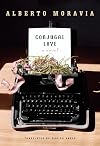
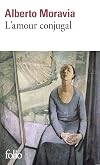
Conjugal Love
by Alberto Moravia
On This Page
Description
To begin with I'd like to talk about my wife. To love means, in addition to many other things, to delight in gazing upon and observing the beloved. --From Conjugal Love When Silvio, a rich Italian dilettante, and his beautiful wife agree to move to the country and forgo sex so that he will have the energy to write a successful novel, something is bound to go wrong: Silvio's literary ambitions are far too big for his second-rate talent, and his wife Leda is a passionate woman. This show more dangerously combustible situation is set off when Leda accuses Antonio, the local barber who comes every morning to shave Silvio, of trying to molest her. Silvio obstinately refuses to dismiss him, and the quarrel and its shattering consequences put the couple's love to the test. show lessTags
Recommendations



















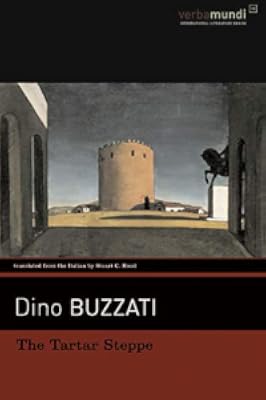


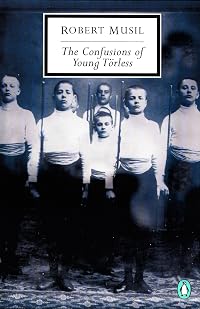
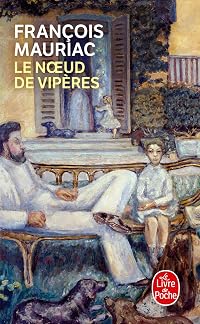


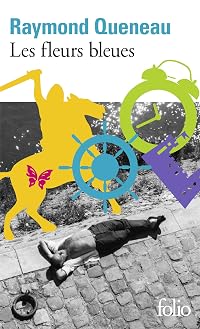



Member Recommendations
Member Reviews
Dwells deep in the psyche of its characters and intricately explores man-woman relationship. This is a great-read.
Comme à son habitude, Moravia dissèque les rapports amoureux, ou plutôt leurs terminaisons (nerveuses, forcément). Comment un homme se détourne de son épouse pour se consacrer à son oeuvre et la pousse, malgré lui, dans les bras d'un autre.
Superbe mise en écho finale de la rédemption littéraire et amoureuse.
Superbe mise en écho finale de la rédemption littéraire et amoureuse.
Sep 24, 2007French
נובלה מוצלחת מאוד של מוראביה. הנושא - מערכת הגומלין והמתח שבין היצירה הספרותית והאהבה.
Oct 15, 2011Hebrew
Ratings
Members
- Recently Added By
Author Information

463+ Works 10,509 Members
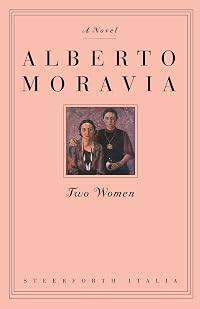
Born in Rome of Jewish-Roman Catholic parents, Moravia was not much affected by the "Fascist racial laws" until Mussolini's fall in 1943 and the consequent German occupation of Rome. Under fascism, Moravia published his first novel, The Time of Indifference (1929), at his own expense when he was only 22; yet it was a great success and remains his show more most characteristic work. He produced nothing to match it until after World War II, when he emerged as the leading Italian neorealist, publishing in rapid order The Woman of Rome (1947), Disobedience (1948), The Conformist (1951), Ghost at Noon (1948), Roman Tales (1954), and Two Women (1957). Many believe the latter is his best novel, telling of the efforts of a shopkeeper and her daughter, raped by Italy's liberators and learning to adapt themselves to the postwar new order. Moravia made a great stir in world literary circles after World War II by announcing his conversion to Roman Catholicism, which had given him solace and protection during the German occupation. Among his more recent publications is 1984. In 1941 Moravia married ~Elsa Morante. They separated in 1962. (Bowker Author Biography) show less
Series
Belongs to Publisher Series
I delfini [Bompiani] (42)
Gallimard, Folio (184)
Work Relationships
Common Knowledge
- Canonical title*
- L'amore coniugale e altri racconti
- Original title
- L'amore coniugale e altri racconti
- Original publication date
- 1947
- First words*
- Prima di tutto voglio parlare di mia moglie.
- Last words*
- (Click to show. Warning: May contain spoilers.)La macchina partì, imboccò un lungo rettifilo e prese a correre nella notte, preceduta, sul nastro nero dell'asfalto, dall'alone bianco della luce dei fanali.
*Some information comes from Common Knowledge in other languages. Click "Edit" for more information.
Classifications
- Genres
- Fiction and Literature, General Fiction
- DDC/MDS
- 853.912 — Literature & rhetoric Italian, Romanian & related literatures Italian fiction 1900- 20th Century 1900-1945
- LCC
- PQ4829 .O62 .A8413 — Language and Literature French, Italian, Spanish and Portuguese literatures Italian literature Individual authors, 1900-1960
- BISAC
Statistics
- Members
- 267
- Popularity
- 120,728
- Reviews
- 3
- Rating
- (3.53)
- Languages
- 7 — Dutch, English, Finnish, French, German, Italian, Spanish
- Media
- Paper, Ebook
- ISBNs
- 20
- ASINs
- 17