On This Page
Description
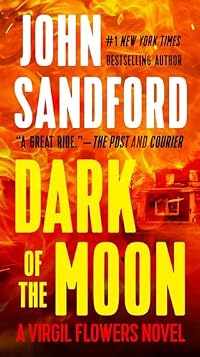
The first Virgil Flowers novel from #1 New York Times bestselling author John Sandford.“Virgil Flowers, introduced in bestseller Sandford’s Prey series, gets a chance to shine...The thrice-divorced, affable member of the Minnesota Bureau of Criminal Apprehension (BCA), who reports to Prey series hero Lucas Davenport, operates pretty much on his own..”*
He’s been doing the hard stuff for three years, but he’s never seen anything like this. In the small rural town of Bluestem, an show more old man is bound in his basement, doused with gasoline and set on fire. Three weeks before, a doctor and his wife were murdered. Three homicides in Bluestem in just as many weeks is unheard of. It’s also no coincidence. And it’s far from over... show less
Tags
Recommendations
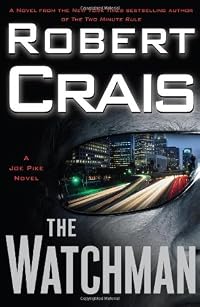
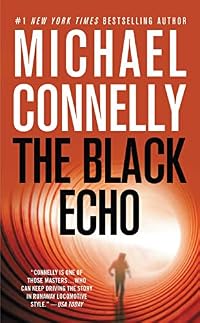
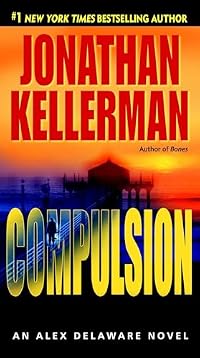

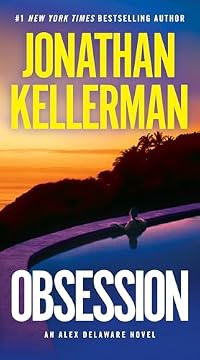



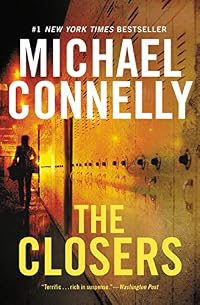
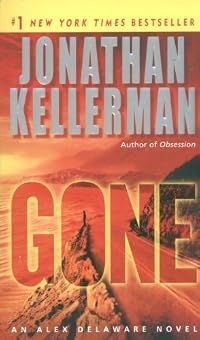
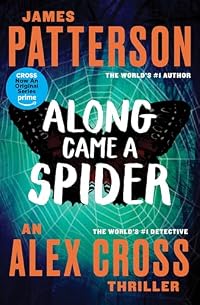
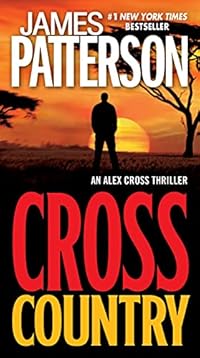
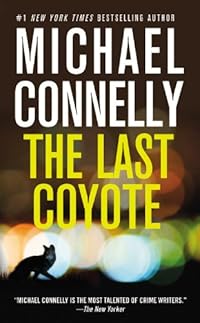
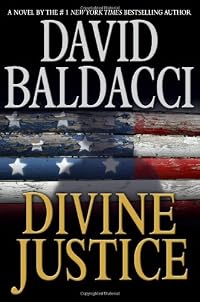
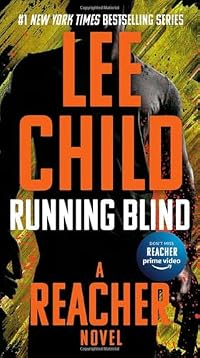
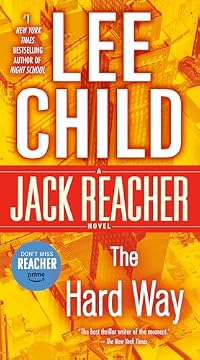
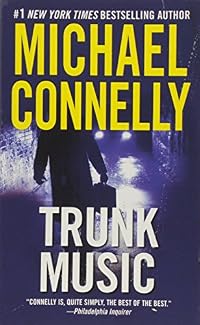
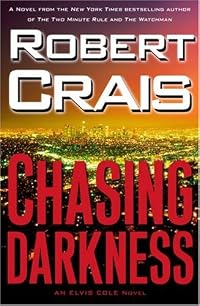
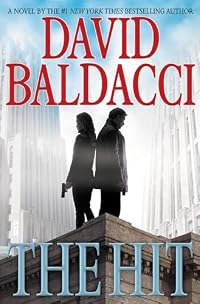
Member Recommendations
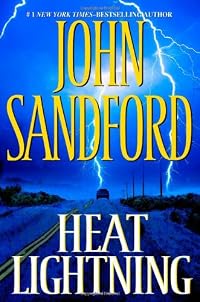
bookymouse Same Series - Virgil Flowers
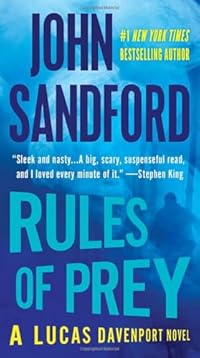
bookymouse Same Series - Virgil Flowers
bookymouse Same Series - Virgil Flowers
Member Reviews
Having found my first foray into the fiction of John Sandford ((The Night Crew) unsatisfying, I thought I'd try this book, the first volume in his "Virgil Flowers" series. It was a disappointment. The writing is bad, the editing sloppy, the plot ridiculous, and the characters unappealing.
The protagonist is detective Virgil Flowers with Minnesota's Bureau of Criminal Apprehension. Virgil is a 30-something horndog, a product of 3 divorces in 5 years. He has long blonde hair and never dresses in anything but jeans and a T shirt that bears the logo of some rock band from the 80s. He sizes up every woman he meets as a potential sexual partner, with particular attention to their buttocks. His locker room talk -- while not as disgusting as show more the current US President’s – will appeal to a limited demographic. (He describes one passing woman, to her own brother, as having “the fourth-best ass in the state of Minnesota", and he can barely contain himself about how badly he wants to have sex with her – which of course, he eventually does, at which point he upgrades his assessment of her "ass" to “the third best” in the state). Virgil “thinks about God” each night but not in any conventional sense; he “thinks about God's sense of humor and the fact that he made rules that he himself couldn't bend.” Clearly a deep thinker.
Those are Virgil's distinguishing features; and every few chapters or so we're reminded of them: that he's putting on a rock band T shirt, that he's ogling some woman's buttocks; and that when he goes to bed its either with some woman or he lays there and thinks about “God”. One other thing is that he writes fiction on the side, as a way of thinking about the facts in some case he's involved with . Problem is that he gives his main character (a stand-in for himself) the name “Homer”. Each mention of "Homer" will make most of his readers think immediately of the TV cartoon “The Simpsons” -- this, notwithstanding the fact that Virgil describes Homer as "terrifically good-look, and certainly well hung", a feature "which might possibly come up later in the story." (Virgil "smiled in the glow of the computer screen, thinking about it.") A reader sensitive about offensive language won't get far in this book. One character says that they're going to be on a suspect "like yellow on a Chinaman." Perhaps some people still talk that way in small-town Minnesota, but readers aren't under any obligation to read casual racism for relaxation.
As for plot, Virgil’s after a serial killer in the little town of Bluestem. The killer shoots out the eyes of his victims and props them up facing the east, for reasons that are never explained. The killings clearly have something to do with events of three or more decades earlier, since each of the victims is tied to a particular set of events that happened at that time, something involving a “moon man”. The alert reader will figure out the perpetrator without much trouble, despite the red herrings that Sandson strews along the way – but they aren’t likely to find the events any grounds for the bizarre serial killings, much less the unexplained, ritualistic ways the bodies are left.
The alert reader also is likely to find the sloppy writing and editing annoying. At the beginning of Chapter 9, Virgil gets up "shortly after 5:30," does 50 push ups, 50 sit ups, gets dressed, leaves the house and when his watch says 6:15, he knows that he's run 5 miles. (He supposedly does all that in 40 minutes. Does he shower and change clothes before going to work? Apparently not.) In Chapter 2, he finds a gun in a dumpster that had been left behind over Memorial Day weekend, “June 30th” (That holiday of course is at the end of May). Wow, some detective.. There are two characters, Big Curly and Little Curly. In one scene (p. 42), Virgil is talking alone to Big Curley; and suddenly, Little Curley has a line of dialogue. On p. 117, Russell Schmidt is about to be murdered; he sees car headlights and wonders if its news about his son or one of his daughters. A few pages later, Virgil’s viewing the body and asks about the family. He’s told that Russell has no children. This sort of thing is unbelievably sloppy, on the part of the author and his editor. “Dark of the Moon” is badly written and not very interesting. It's hard to imagine many readers caring about the characters since clearly the author did not care enough to proofread his writing. In my judgment, a rating of 1.5 stars is plenty.
PS. Several reviewers at Amazon point out that this book was "co-written" with (or by) another author. The situation smacks of the James Patterson franchise. If Sandford didn't actually write this book, that might explain its poor quality, but it also is a sad commentary on the Sandford "brand". show less
The protagonist is detective Virgil Flowers with Minnesota's Bureau of Criminal Apprehension. Virgil is a 30-something horndog, a product of 3 divorces in 5 years. He has long blonde hair and never dresses in anything but jeans and a T shirt that bears the logo of some rock band from the 80s. He sizes up every woman he meets as a potential sexual partner, with particular attention to their buttocks. His locker room talk -- while not as disgusting as show more the current US President’s – will appeal to a limited demographic. (He describes one passing woman, to her own brother, as having “the fourth-best ass in the state of Minnesota", and he can barely contain himself about how badly he wants to have sex with her – which of course, he eventually does, at which point he upgrades his assessment of her "ass" to “the third best” in the state). Virgil “thinks about God” each night but not in any conventional sense; he “thinks about God's sense of humor and the fact that he made rules that he himself couldn't bend.” Clearly a deep thinker.
Those are Virgil's distinguishing features; and every few chapters or so we're reminded of them: that he's putting on a rock band T shirt, that he's ogling some woman's buttocks; and that when he goes to bed its either with some woman or he lays there and thinks about “God”. One other thing is that he writes fiction on the side, as a way of thinking about the facts in some case he's involved with . Problem is that he gives his main character (a stand-in for himself) the name “Homer”. Each mention of "Homer" will make most of his readers think immediately of the TV cartoon “The Simpsons” -- this, notwithstanding the fact that Virgil describes Homer as "terrifically good-look, and certainly well hung", a feature "which might possibly come up later in the story." (Virgil "smiled in the glow of the computer screen, thinking about it.") A reader sensitive about offensive language won't get far in this book. One character says that they're going to be on a suspect "like yellow on a Chinaman." Perhaps some people still talk that way in small-town Minnesota, but readers aren't under any obligation to read casual racism for relaxation.
As for plot, Virgil’s after a serial killer in the little town of Bluestem. The killer shoots out the eyes of his victims and props them up facing the east, for reasons that are never explained. The killings clearly have something to do with events of three or more decades earlier, since each of the victims is tied to a particular set of events that happened at that time, something involving a “moon man”. The alert reader will figure out the perpetrator without much trouble, despite the red herrings that Sandson strews along the way – but they aren’t likely to find the events any grounds for the bizarre serial killings, much less the unexplained, ritualistic ways the bodies are left.
The alert reader also is likely to find the sloppy writing and editing annoying. At the beginning of Chapter 9, Virgil gets up "shortly after 5:30," does 50 push ups, 50 sit ups, gets dressed, leaves the house and when his watch says 6:15, he knows that he's run 5 miles. (He supposedly does all that in 40 minutes. Does he shower and change clothes before going to work? Apparently not.) In Chapter 2, he finds a gun in a dumpster that had been left behind over Memorial Day weekend, “June 30th” (That holiday of course is at the end of May). Wow, some detective.. There are two characters, Big Curly and Little Curly. In one scene (p. 42), Virgil is talking alone to Big Curley; and suddenly, Little Curley has a line of dialogue. On p. 117, Russell Schmidt is about to be murdered; he sees car headlights and wonders if its news about his son or one of his daughters. A few pages later, Virgil’s viewing the body and asks about the family. He’s told that Russell has no children. This sort of thing is unbelievably sloppy, on the part of the author and his editor. “Dark of the Moon” is badly written and not very interesting. It's hard to imagine many readers caring about the characters since clearly the author did not care enough to proofread his writing. In my judgment, a rating of 1.5 stars is plenty.
PS. Several reviewers at Amazon point out that this book was "co-written" with (or by) another author. The situation smacks of the James Patterson franchise. If Sandford didn't actually write this book, that might explain its poor quality, but it also is a sad commentary on the Sandford "brand". show less
I admit I was worried that no man could compete with Lucas Davenport and I was right but Virgil is close and also different enough that I didn’t have any issues with confusing the characters. I love the “Prey” series and was looking for another dark mystery to start. Dark of the Moon didn’t disappoint and I adore Virgil. Maybe I just have a thing for Minnesota detectives.
I was very happy at how fast the mystery took off in this book and also how there was very little down time from Virgil investigating the case. You don’t really get a lot of insight into how Virgil’s brain works but you still see movement with the case as he works through the townspeople. Virgil is very social and as he communicates with the characters the show more author does a great job of using this to help the readers get to know each of the characters and suspects. There are a lot of them and for an audiobook this was sometimes confusing if you didn’t catch all the names.
The story lost a star with the side subplot. Virgil had figured the case out and even we readers knew who it was but the author took us on a side trip for no reason that just dragged the story out way beyond where it needed to be. Plus the only issue I really had with Virgil is that he really is a manipulative ass and seems to enjoy it. Granted it helps him with the case but still even with those he seems semi-close to he is manipulative. He is very much the case comes first kind of guy. show less
I was very happy at how fast the mystery took off in this book and also how there was very little down time from Virgil investigating the case. You don’t really get a lot of insight into how Virgil’s brain works but you still see movement with the case as he works through the townspeople. Virgil is very social and as he communicates with the characters the show more author does a great job of using this to help the readers get to know each of the characters and suspects. There are a lot of them and for an audiobook this was sometimes confusing if you didn’t catch all the names.
The story lost a star with the side subplot. Virgil had figured the case out and even we readers knew who it was but the author took us on a side trip for no reason that just dragged the story out way beyond where it needed to be. Plus the only issue I really had with Virgil is that he really is a manipulative ass and seems to enjoy it. Granted it helps him with the case but still even with those he seems semi-close to he is manipulative. He is very much the case comes first kind of guy. show less
I read one of John Sandford's "Prey" books recently, and I loved it! A friend told me his Virgil Flowers series is also good. Good? It's fantastic! I loved this mystery, and I honestly did not see "whodunnit" until just when Flowers discovered it. Speaking of "that f**king Flowers," I would love to meet this guy in real life! Long hair, writer AND detective, wearer of jeans and concert/band t-shirts--sounds fabulous!!!
I'm just getting into mysteries, and both this series and the "Prey" series of Sandford's can be considered on my 'to read' list!!!
I'm just getting into mysteries, and both this series and the "Prey" series of Sandford's can be considered on my 'to read' list!!!
Virgil Flowers is sent to a tiny Minnesota town to solve a vicious murder. It's a fairly straightforward thriller, but Virgil is a fun character, with all his irreverence. I grew up in the Midwest, though not nearly as rural an area, and it was a nice trip back to familiar territory. If you like thrillers, you'll probably like this one, but it doesn't really stand out from the genre.
The Virgil Flowers series has more of a small town feeling than the Lucas Davenport series. And although Virgil is a hard ass, he seems less of a bad ass than Lucas. Lucas doesn't really seem to like anyone. Virgil is apparently everyone's friend, until he arrests them for their crimes. Lucas has the touch of a vigilante, while Virgil has the touch of a good-ole-boy.
3.5***
Sanders is perhaps best known as the author of the Lucas Davenport mystery series set in Minneapolis / St Paul MN. Now he gives one of Davenport’s colleagues his own series. Virgil Flowers has been in the Army and the St Paul Police. Now Davenport has recruited him to the Minnesota Bureau of Criminal Apprehension, promising him “We’ll only give you the hard stuff.”
This case begins as Flowers heads to the western end of the state, to help the local police solve a grisly murder. As he approaches the town, he notices a glow in the sky which can only be a fire. In fact, it is the mansion of a well-known man – Bill Judd – which has erupted in flames, with Judd trapped inside. Not too many people are sorry to see Judd go; show more years ago he perpetrated a scam involving Jerusalem artichokes which resulted in many farmers losing their land, and one or more suicide. Flowers is curious but doesn’t begin to notice a pattern until yet another murder happens.
Sandford crafts a tight plot with several twists and turns, plenty of suspects, a little love interest, and a skilled, likeable lead detective. I like the way Flowers pieces together the puzzle. He’s deliberate and cautious, but aggressive when questioning a reluctant witness. He’s an astute observer and is careful when drawing conclusions, keeping his theories to himself until he is more certain both of the person he might confide in, and of who the culprit is. If he has a fault, it’s that Virgil is a bit more of a ladies’ man than I like, but he’s always honest about his intentions and women seem to willingly go along for the ride. The supporting characters seem to be a good match for Flowers; they hold their own and support/challenge him as they see fit (including the women). show less
Sanders is perhaps best known as the author of the Lucas Davenport mystery series set in Minneapolis / St Paul MN. Now he gives one of Davenport’s colleagues his own series. Virgil Flowers has been in the Army and the St Paul Police. Now Davenport has recruited him to the Minnesota Bureau of Criminal Apprehension, promising him “We’ll only give you the hard stuff.”
This case begins as Flowers heads to the western end of the state, to help the local police solve a grisly murder. As he approaches the town, he notices a glow in the sky which can only be a fire. In fact, it is the mansion of a well-known man – Bill Judd – which has erupted in flames, with Judd trapped inside. Not too many people are sorry to see Judd go; show more years ago he perpetrated a scam involving Jerusalem artichokes which resulted in many farmers losing their land, and one or more suicide. Flowers is curious but doesn’t begin to notice a pattern until yet another murder happens.
Sandford crafts a tight plot with several twists and turns, plenty of suspects, a little love interest, and a skilled, likeable lead detective. I like the way Flowers pieces together the puzzle. He’s deliberate and cautious, but aggressive when questioning a reluctant witness. He’s an astute observer and is careful when drawing conclusions, keeping his theories to himself until he is more certain both of the person he might confide in, and of who the culprit is. If he has a fault, it’s that Virgil is a bit more of a ladies’ man than I like, but he’s always honest about his intentions and women seem to willingly go along for the ride. The supporting characters seem to be a good match for Flowers; they hold their own and support/challenge him as they see fit (including the women). show less
I thought I had read this years ago, but didn't remember it, so I reread it. I'm glad I did, as I like the characters, and plan to read more. The story was pretty complex, and had a bit of humor mixed in, which I always like.
Virgil Flowers is an interesting guy. The son of a minister/engineer, a graduate in environmental science, a writer of outdoors magazine articles, and now a fairly laid-back cop in the Minnesota Bureau of Criminal Apprehension working under another John Sandford character, Lucas Davenport. He's a thinking cop, and pretty non-violent. He doesn't like to carry a gun, and once shot someone something like 12 times without killing him. Apparently, he wasn't trying very hard.
He has an interesting way of solving the show more crimes in this book; he writes it up as a fictional story to see where it takes him. I guess this helps him imagine what the characters are thinking and doing, and it seems to work for him.
The one thing that doesn't seem to work for him is marriage. He's been married and divorced 3 times, and has apparently given up on marriage, although his heart is having trouble believing it. He likes the ladies, and they seem to like him. show less
Virgil Flowers is an interesting guy. The son of a minister/engineer, a graduate in environmental science, a writer of outdoors magazine articles, and now a fairly laid-back cop in the Minnesota Bureau of Criminal Apprehension working under another John Sandford character, Lucas Davenport. He's a thinking cop, and pretty non-violent. He doesn't like to carry a gun, and once shot someone something like 12 times without killing him. Apparently, he wasn't trying very hard.
He has an interesting way of solving the show more crimes in this book; he writes it up as a fictional story to see where it takes him. I guess this helps him imagine what the characters are thinking and doing, and it seems to work for him.
The one thing that doesn't seem to work for him is marriage. He's been married and divorced 3 times, and has apparently given up on marriage, although his heart is having trouble believing it. He likes the ladies, and they seem to like him. show less
Members
- Recently Added By
Author Information

118+ Works 90,416 Members
John Sandford was born John Roswell Camp on February 23, 1944 in Cedar Rapids, Iowa. Before entering the U.S. Army and serving in Korea, he received a bachelor's degree in American history from the University of Iowa in 1966. After leaving the service, he received a master's degree in journalism from the University of Iowa. During the 1970s, he show more worked at The Miami Herald, and the St. Paul Pioneer Press. In 1985, he began researching the lives of a farm family caught in the midst of the crisis of American farming. The article, Life on the Land: An American Farm Family, won the Pulitzer Prize for Feature Writing and the American Society of Newspaper Editors Award for Non-Deadline Feature Writing. After winning the Pulitzer Prize, he began writing fiction. His works include the Prey series, the Virgil Flowers series, and The Singular Menace series. He has also written nonfiction works on plastic surgery and art. Sandford's Young Adult novels, Uncaged and Outrage, Books 1 and 2 of The Singular Menace Series co-written with Michelle Cook, made the New York Times Bestseller list in July 2016. (Bowker Author Biography) show less
Some Editions
Awards and Honors
Distinctions
Series


Work Relationships
Common Knowledge
- Canonical title*
- Het duister van de maan
- Original title
- Dark of the Moon
- Original publication date
- 2007
- People/Characters
- Virgil Flowers; James J. Stryker; Deputy Larry Jensen; Deputy Margo Carr; Joan Carson; Big Curly Anderson (show all 10); Little Curly Anderson; Todd Williamson; Jessie Laymon; George Feur
- Important places
- Bluestem, Minnesota, USA
- Dedication
- For Benjamin Curtis
Happy Birthday, 2007 - First words
- Six garbage bags full of red cedar shavings, purchased two at a time for a dollar a bag, at midnight, at the self-serve shed at Dunstead & Daughter Custom Furniture, serving your fine cabinetry needs since 1986.
- Last words
- (Click to show. Warning: May contain spoilers.)Virgil pulled out another blade of grass, chewed for a second, getting the sweet out, then said, "Bite me."
*Some information comes from Common Knowledge in other languages. Click "Edit" for more information.
Classifications
Statistics
- Members
- 2,419
- Popularity
- 8,033
- Reviews
- 65
- Rating
- (3.72)
- Languages
- 8 — Czech, Dutch, English, French, German, Hungarian, Korean, Turkish
- Media
- Paper, Audiobook, Ebook
- ISBNs
- 37
- ASINs
- 15