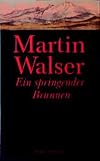
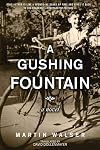
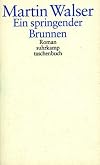
A Gushing Fountain
by Martin Walser
On This Page
Description
"Appearing for the first time in English, this masterful novel by one of the foremost figures of postwar German literature is an indelible portrait of Nazism slowly overtaking and poisoning a small town. Semi-autobiographical, it is also a remarkably vivid account of a childhood fraught with troubles, yet full of remembered love and touched by miracle. In a provincial town on Lake Constance, Johann basks in the affection of the colorful staff and regulars at the Station Restaurant. Though show more his parents struggle to make ends meet, around him the world is rich in mystery: the attraction of girls; the power of words and his gift for music; his rivalry with his best friend, Adolf, son of the local Brownshirt leader; a circus that comes to town bringing Anita, whose love he and Adolf compete to win. But in these hard times, with businesses failing all around them and life savings gone in an instant, people whisper that only Hitler can save them. As the Nazis gradually infiltrate the churches, the school, the youth organizations-even the restaurant-and come to power, we see through Johann's eyes how the voices of dissent are silenced one by one, until war begins the body count that will include his beloved older brother"-- show lessTags
Recommendations

























Member Reviews
If you're a German writer born in the twenty years before 1945, then sooner or later you have to write your big autobiographical coming-of-age novel. In Walser’s case it was definitely “later”: this appeared in 1998, forty years after most of his contemporaries had published their “my childhood in the Third Reich” novels and collected their prizes.
So, we would expect Ein Springender Brunnen to be a bit different, even without knowing anything about Walser. It looks at first sight like a straightforward autobiographical novel, with a central character whose situation matches what we know of Walser’s own: born in 1927 in the picturesque village of Wasserburg on Lake Constance, where his mother kept the station inn. After so show more many years, evidently Walser doesn't have to worry too much about disguising people and places. But it gets odder when we work out that it's a book written with half a century of hindsight by someone who despises hindsight, is notoriously cynical about German historical remorse (which he sees as essentially self-serving), and who believes that memory can’t be trusted and that the past is a fundamentally inaccessible place.
Walser tries to present us with the world as it might have been seen from the perspective of young Johann, his viewpoint character. The great political events intrude only to the extent that they interfere with the lives of the real people in the village. Johann is much more interested in words (and later on, in sex) than he is in history or politics. He is repelled by the coarse, aggressive way the Nazis treat language and by a couple of incidents of violence he witnesses, but beyond that they don't impinge very strongly on his consciousness. He is so wrapped up in himself that he simply doesn't notice a lot of the things that were going on in the village, and has to be told about them after the war by a former schoolfriend.
Although it is quite a self-centred book, in which Johann is really the only fully-developed character, Walser does have a lot of fun creating the many eccentric minor characters who wander in and out on the fringes of the story, each with their own special set of words and way of talking set at some precisely-defined point between standard German and Swabian or Bavarian dialect. In fact, Walser is so proud of some of the obscure dialect words he has revived for this book that he can't resist putting in an afterword to explain just how important he finds “ring” (adj.), “losen”, “gelampt”, and “Mase”, and how these words have no precise 1:1 counterpart in High German.
Sometimes this feels like a very slow book: it takes the five-year-old Johann about a hundred pages to walk home from the barber’s shop, for instance - but it's a very enjoyable reading experience. The rural colour is fun, there's a pleasant feeling of nostalgia, and at the same time it's easy to identify with young Johann’s concerns and to come to the conclusion that if we’d been around at the time we might ourselves have been much more preoccupied with the business of growing up than with attempting to save western civilisation from Hitler. show less
So, we would expect Ein Springender Brunnen to be a bit different, even without knowing anything about Walser. It looks at first sight like a straightforward autobiographical novel, with a central character whose situation matches what we know of Walser’s own: born in 1927 in the picturesque village of Wasserburg on Lake Constance, where his mother kept the station inn. After so show more many years, evidently Walser doesn't have to worry too much about disguising people and places. But it gets odder when we work out that it's a book written with half a century of hindsight by someone who despises hindsight, is notoriously cynical about German historical remorse (which he sees as essentially self-serving), and who believes that memory can’t be trusted and that the past is a fundamentally inaccessible place.
Walser tries to present us with the world as it might have been seen from the perspective of young Johann, his viewpoint character. The great political events intrude only to the extent that they interfere with the lives of the real people in the village. Johann is much more interested in words (and later on, in sex) than he is in history or politics. He is repelled by the coarse, aggressive way the Nazis treat language and by a couple of incidents of violence he witnesses, but beyond that they don't impinge very strongly on his consciousness. He is so wrapped up in himself that he simply doesn't notice a lot of the things that were going on in the village, and has to be told about them after the war by a former schoolfriend.
Although it is quite a self-centred book, in which Johann is really the only fully-developed character, Walser does have a lot of fun creating the many eccentric minor characters who wander in and out on the fringes of the story, each with their own special set of words and way of talking set at some precisely-defined point between standard German and Swabian or Bavarian dialect. In fact, Walser is so proud of some of the obscure dialect words he has revived for this book that he can't resist putting in an afterword to explain just how important he finds “ring” (adj.), “losen”, “gelampt”, and “Mase”, and how these words have no precise 1:1 counterpart in High German.
Sometimes this feels like a very slow book: it takes the five-year-old Johann about a hundred pages to walk home from the barber’s shop, for instance - but it's a very enjoyable reading experience. The rural colour is fun, there's a pleasant feeling of nostalgia, and at the same time it's easy to identify with young Johann’s concerns and to come to the conclusion that if we’d been around at the time we might ourselves have been much more preoccupied with the business of growing up than with attempting to save western civilisation from Hitler. show less
Martin Walser beschreibt in diesem autobiographisch geprägten Werk die Kindheit und Jugend des anfangs fünfjährigen Johann im bayerischen Wasserburg.
Eindrücklich schildert der Autor aus der Perspektive des Jungen, wie eine kleine ländliche Gemeinde braun wird, wie die Menschen die Ideologie verinnerlichen, welche Menschen Opfer werden. Für das Kind, den Jugendlichen ist Anpassung die Antwort, sein bester Freund ist ein strammer Nazi. Erst am Ende, als der Krieg schon vorbei ist und die braune Vergangenheit langsam aufgearbeitet wird, sagt der Autor "Johann wollte nie mehr unterworfen sein, weder einer Macht noch einer Angst. Niemand sollte einen Anspruch an ihn haben. Am liebsten wäre er so frei gewesen, wie noch nie jemand show more gewesen war." Das ist zwar das Thema jeden Erwachsenwerdens, aller Coming-to-Age-Geschichten, aber hier vielleicht in besonderem Maße.
Dem Buch wurde in der Kritik vorgeworfen, es verharmlose die Nazizeit. Ich denke nicht, dass das stimmt. Zwar laufen viele Schrecknisse parallel zur Haupthandlung ab. Johann sind seine eigenen hormonellen Verwirrungen viel wichtiger, als alles, was um ihn herum geschieht. Auschwitz kommt in diesem Buch nicht vor, weil es bei diesem Jungen nicht vorkam. Das macht ihn und den Erzähler nicht unbedingt sympathischer, aber authentisch erscheint es mir. Dennoch ist die unterschwellige Angst zu spüren, auch die Scham, sich nicht mit den Schwächeren zu verbünden.
Das Thema des Buches scheint die Sprache zu sein, der Wörterbaum, den der Vater mit dem Jungen pflegt. Auch das Nachwort weist daraufhin. "Ein springender Brunnen" sei die Sprache, vorher schon war nach Nietzsche die Seele ein springender Brunnen.
Das Buch ist wirklich sehr gut zu lesen. Für ein Spätwerk Martin Walsers ist es ganz ausgezeichnet eingängig geschrieben. Ich möchte es deshalb empfehlen, weil es einen guten Einblick gibt in die ganz normale Jugend, das ganz normale Landleben im dritten Reich. show less
Eindrücklich schildert der Autor aus der Perspektive des Jungen, wie eine kleine ländliche Gemeinde braun wird, wie die Menschen die Ideologie verinnerlichen, welche Menschen Opfer werden. Für das Kind, den Jugendlichen ist Anpassung die Antwort, sein bester Freund ist ein strammer Nazi. Erst am Ende, als der Krieg schon vorbei ist und die braune Vergangenheit langsam aufgearbeitet wird, sagt der Autor "Johann wollte nie mehr unterworfen sein, weder einer Macht noch einer Angst. Niemand sollte einen Anspruch an ihn haben. Am liebsten wäre er so frei gewesen, wie noch nie jemand show more gewesen war." Das ist zwar das Thema jeden Erwachsenwerdens, aller Coming-to-Age-Geschichten, aber hier vielleicht in besonderem Maße.
Dem Buch wurde in der Kritik vorgeworfen, es verharmlose die Nazizeit. Ich denke nicht, dass das stimmt. Zwar laufen viele Schrecknisse parallel zur Haupthandlung ab. Johann sind seine eigenen hormonellen Verwirrungen viel wichtiger, als alles, was um ihn herum geschieht. Auschwitz kommt in diesem Buch nicht vor, weil es bei diesem Jungen nicht vorkam. Das macht ihn und den Erzähler nicht unbedingt sympathischer, aber authentisch erscheint es mir. Dennoch ist die unterschwellige Angst zu spüren, auch die Scham, sich nicht mit den Schwächeren zu verbünden.
Das Thema des Buches scheint die Sprache zu sein, der Wörterbaum, den der Vater mit dem Jungen pflegt. Auch das Nachwort weist daraufhin. "Ein springender Brunnen" sei die Sprache, vorher schon war nach Nietzsche die Seele ein springender Brunnen.
Das Buch ist wirklich sehr gut zu lesen. Für ein Spätwerk Martin Walsers ist es ganz ausgezeichnet eingängig geschrieben. Ich möchte es deshalb empfehlen, weil es einen guten Einblick gibt in die ganz normale Jugend, das ganz normale Landleben im dritten Reich. show less
Oct 6, 2013 (Edited)German
1
Johann groeit op in een gezin met een oudere en een jongere broer, in een café-restaurant in Duitsland. In 1933 is hij zo'n 5 jaar. Hij helpt zijn moeder wat hij kan en zijn vader, die belangstelling heeft voor de Soefibeweging, moet hij steeds meer voorlezen naarmate het met diens gezondheid slechter gaat. Hij vindt woorden prachtig. Om de klandizie niet kwijt te raken, wordt moeder lid van de partij. In het dorp wordt uiteraard meegedaan met de nieuwe beweging, en je vind er alle soorten reacties op. Vader doet duidelijk niet mee, en sommigen in het dorp vinden het wel goed dat hij op een bepaald moment overlijdt, want dan hoeven ze hem niet meer aan te geven.
Het tweede deel gaat over de tijd rond de eerste communie van Johann. In show more het derde deel krijgt hij zijn opleiding voor het leger en loopt de oorlog af. Intussen is Johann gedichten gaan schrijven en komt hij langzaam aan er toe om ook proza te gaan schrijven. Hij heeft homoseksuele gevoelens voor vrienden, maar daar valt natuurlijk in de nazitijd helemaal niet over te praten.
Mooi boek, vooral omdat het over woorden, gedichten, dialecten en dergelijke gaat. show less
Het tweede deel gaat over de tijd rond de eerste communie van Johann. In show more het derde deel krijgt hij zijn opleiding voor het leger en loopt de oorlog af. Intussen is Johann gedichten gaan schrijven en komt hij langzaam aan er toe om ook proza te gaan schrijven. Hij heeft homoseksuele gevoelens voor vrienden, maar daar valt natuurlijk in de nazitijd helemaal niet over te praten.
Mooi boek, vooral omdat het over woorden, gedichten, dialecten en dergelijke gaat. show less
Jul 2, 2013Dutch
Ratings
Members
- Recently Added By
Lists

German Literature
518 works; 55 members
Author Information

157+ Works 2,450 Members
Martin Johann Walser was born in Wasserburg-Bodensee, Germany on March 24, 1927. He attended Regensburg University. His works, including short stories, novels, essays, plays, and poetry, often depict a Germany both guilty over the past and optimistic about the future. He has won a number of awards, include the Hermann Hesse Prize, the Schiller show more Prize, the Buechner Prize, and the Peace Prize of the German Book Trade. (Bowker Author Biography) show less
Some Editions
Awards and Honors
Distinctions
Series
Belongs to Publisher Series
suhrkamp taschenbuch (3100)
Common Knowledge
- Canonical title
- A Gushing Fountain
- Original title
- Ein springender Brunnen
- Original publication date
- 1998 (Duits) (Duits); 1999 (Nederlands) (Nederlands)
- Important places
- Wasserburg, Bavaria, Germany
- Important events*
- Derde Rijk; Tweede Wereldoorlog
- First words
- Solange etwas ist, ist es nicht das, was es gewesen sein wird.
*Some information comes from Common Knowledge in other languages. Click "Edit" for more information.
Classifications
- Genres
- Fiction and Literature, General Fiction
- DDC/MDS
- 833.914 — Literature & rhetoric German & related literatures German fiction 1900- 1900-1990 1945-1990
- LCC
- PT2685 .A48 .S6513 — Language and Literature German, Dutch and Scandinavian literatures German literature Individual authors or works 1961-2000
- BISAC
Statistics
- Members
- 147
- Popularity
- 219,894
- Reviews
- 3
- Rating
- (3.88)
- Languages
- 7 — Dutch, English, French, German, Norwegian (Bokmål), Spanish, Turkish
- Media
- Paper, Audiobook, Ebook
- ISBNs
- 16
- ASINs
- 6