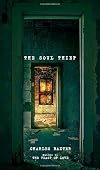
The Soul Thief
by Charles Baxter
On This Page
Description
Graduate student Nathaniel Mason's life changes dramatically when he meets the unusual yet compelling Jerome Coolberg at a party. Soon, Jerome seems to have appropriated Nathaniel's life, telling personal stories as though they are from his own experiences.Tags
Recommendations










































Member Reviews
THE SOUL THIEF is my third Baxter book, and I liked it, but it's something of a puzzle. I mean, who's telling this story? Is it Nathaniel Mason, or is it the weird watcher, Jerome Coolberg? And why does Nathaniel fall for the lesbian artist, Jamie, when he's already involved with Theresa, who offers him no-strings uninhibited high-energy sex? And how does Coolberg know so much about the intimate details of Nathaniel's family history? Well, follow Nathaniel from his disturbed grad school days in Buffalo to his settled, married years in the New Jersey suburbs - with some blackout gaps and a major fast forward - and maybe it will all become clear. Or maybe not, and, like me, maybe you'll wonder if you missed something, if you should go show more back and reread the whole damn thing.
But, confusion aside, it's worth the trip. Because Baxter's strength always comes through in his characters, and THE SOUL THIEF is no exception. Nathaniel Mason, as well as the strange, sexually ambiguous Coolberg, are two more memorable characters to add to the varied collection I've already encountered in FEAST OF LOVE and SAUL AND PATSY. Highly recommended, but pay attention!
- Tim Bazzett, author of the memoir, BOOKLOVER show less
But, confusion aside, it's worth the trip. Because Baxter's strength always comes through in his characters, and THE SOUL THIEF is no exception. Nathaniel Mason, as well as the strange, sexually ambiguous Coolberg, are two more memorable characters to add to the varied collection I've already encountered in FEAST OF LOVE and SAUL AND PATSY. Highly recommended, but pay attention!
- Tim Bazzett, author of the memoir, BOOKLOVER show less
This book was such a surprise and so fabulous. Prior to reading it, I saw that many people found this book not particularly praiseworthy, but I wanted to form my own opinion before reading reviews of others.
I love this kind of book. It twisted my mind trying to figure out what was going on. It was creepy and bizarre, but this novel completely mesmerized me. It was the story of graduate student Nathaniel Mason and friends Jeremy Cooley and Theresa. Something was not quite right with this Jeremy character. He seemed to be taking over Nathaniel's life, first by horning in on his relationship with Theresa and then by slowly taking away Nathan's belongings. What was happening?
I did not guess the outcome of this story. It frightened me as I show more neared its conclusion. I did not guess what was going to happen, but the convoluted story in its entirety just blew me away. There were some lines in this novel which made me laugh. I loved that comic relief. The writing was great. It dipped into descriptions of all kinds from details of married life with two sons to the airport in Los Angeles to the overstuffed household of a lonely man.
Let me read more of this author's work...and very soon! show less
I love this kind of book. It twisted my mind trying to figure out what was going on. It was creepy and bizarre, but this novel completely mesmerized me. It was the story of graduate student Nathaniel Mason and friends Jeremy Cooley and Theresa. Something was not quite right with this Jeremy character. He seemed to be taking over Nathaniel's life, first by horning in on his relationship with Theresa and then by slowly taking away Nathan's belongings. What was happening?
I did not guess the outcome of this story. It frightened me as I show more neared its conclusion. I did not guess what was going to happen, but the convoluted story in its entirety just blew me away. There were some lines in this novel which made me laugh. I loved that comic relief. The writing was great. It dipped into descriptions of all kinds from details of married life with two sons to the airport in Los Angeles to the overstuffed household of a lonely man.
Let me read more of this author's work...and very soon! show less
Soul Thief gets the reader's attention and sense of curiosity. As always, Baxter writes well and admirably. The book may linger in your thoughts afterwards, especially on the subject of identity and identify theft (and not in the narrow sense of identify theft). Yet, it is well short of Baxter's best work and disappointing after having to wait some years since his previous novel. There is too much name-dropping of literary and musical works. In the end, it all seems rather contrived. At only about 200 pages, it is not a huge time investment, but whether it is really worth reading remains an open question.
Readers who enjoy metafiction, fiction that is about storytelling itself, will have more than a little fun pondering Charles Baxter's newest novel. This is not his first book to call attention to the circumstances of its own creation. A Feast of Love begins with, guess who, Baxter himself out for a late-night walk while trying to get his next novel started. He comes upon a friend who suggests the title and the content of the first chapter. In The Soul Thief, things are more kinky. The story starts with the protagonist's college days in the 1970's, when he meets a particularly annoying but mesmerizing trickster. Soon articles of clothing disappear from the narrator's apartment, and eventually we contemplate the question of if, when, and show more how his soul has been stolen as well. Who is he, and, as David Copperfield wondered before him, is he the hero of his own story? At its best, metafiction is both comical and disturbing, as when Baxter seems to ask what, after all, this thing called identity is. In Tristam Shandy, the narrator struggled to get himself born, which only happened half way through the book. In Calvino's, If on a Winter Night a Traveler, the reader stepped in to write the story. Charles Baxter's The Soul Thief is a wonderful companion to these earlier novels in the metafictional tradition.
For more book news, please check out my blog at www.losthillsbooks.com. show less
For more book news, please check out my blog at www.losthillsbooks.com. show less
Charles Baxter’s new novel delves into Coetzee territory ala Foe or Elizabeth Costello. One night in 70’s Buffalo, grad student Nathaniel Mason is trying to find a party he’s been invited to. On the way he hooks up with the beautiful Theresa who, though warning him of the danger, introduces him to another grad student, Jerome Coolberg. Someone else confirms this, calling Coolberg ” a virtuoso of cast-off ideas” who is all about “acquire[ing] everyone’s inner life.” Mason of course heeds none of these warnings.
Later, when Mason gets home he confronts a thief who is attempting to rob him of anything of value he can find - which isn’t much. A few days after that, Nathaniel, Theresa and Coolberg, are on an excursion to show more Niagara Falls and the Beach Boys “God Only Knows” is playing on the radio with its refrain God only knows what I’d be without you. These days, the song reminds me of HBO’s Big Love, but here, the subtext is very much more ominous, as Mason muses that this is the song that Brain Wilson “handed over his heart to God” over. When Wilson droned the repeated phrase, he had been speaking “to his own spirit, his genius, which, in one of those ironies of which life is so fond, left him then and there. ” So early on we’ve been introduced to the thievery of spirit (or soul) and thievery of possessions.
Nathaniel is also involved at the same time with Jamie, a lesbian sculptor, whom he also volunteers with at a sort of soup kitchen. As strange things begin to happen, Nathaniel increasingly begins to lose his grip on his own identity, at one point even telling himself that “maybe I am not actually here anymore.” After a complete breakdown, we meet Nathaniel again (Part Two) some 30 years later, a ‘different’ person.
It’s here that Coolberg is reintroduced back into the story and Baxter hits us with a little meta-fictional twist for our (the readers) consideration. Well, it’s all fair game, good reading fun, and adds another interesting layer to think about. But what I so like about Baxter is not this stuff, but his writing on relationships, which I think is really very good. Sometime he makes the things that happen between two people sound both improbable and believable at the same time. Here, Nataniel Mason is driving Theresa home after having just met her that day and spent time with her at a party. Though he offers, she won’t come back to his place:
“I want to call you. I want to see you again. Is that okay?”
“I guess so.” She sighs. “Just not tonight. We should be…I don’t know, alert. If I ever sleep with you, I want to be stone-cold sober. Besides, I already have somebody.” She takes out a slip of paper from her damp flak jacket and writes down her phone number. “Even though he’s not important and can be disposed of, I’ve got him. He’s not here, but he is somewhere. He exists, I mean. He has a residence. Anyway, I haven’t thought through the whole monogamy thing.” —she shouts over the noise of the motor —”so I don’t have a position on sleeping with you. Yet.”
After his breakdown, it’s his sister who brings him back to the living. His sister who herself has spent her entire adult life in a mute state, being unable to cope with an early family tragedy. Through the years, Nathaniel had called her every week on the phone, and though she did not speak he would recount to her his week. He’d tell her the story of his life over the past seven days. It is Catherine who comes to him and begins reading to him, which saves him.
I don’t remember the thread of the story, though I do remember hearing her voice; for me, the journey was like coming out of an ether dream, accompanied by a woman telling a coming-of-age tale of someone named Frederic. And somewhere, toward the end of that book, the ether dispersed, or, to use another metaphor, the muddlement in my head began, ever so slightly, to lift, and I saw people and things in the room where I sat, and I heard a story being told to me, and I could tell the difference between the actual things and the imaginary ones.
Later, much later, she told me, “I just wasn’t going to let both of us go down the drain.”
Her recovery was sometimes referred to as “a miracle,” more miraculous than mine, but I don’t believe in miracles, just the force of compassion, which under certain circumstances can bring the dead to life. Nor do I believe that to say so is to be a sentimentalist. Though a prejudice exists in our culture against compassion, there being little profit in it, the emotion itself is ineradicable.
Other reltionships here that are well written and a joy to read, are those between Nathaniel and Jamie, between Nathaniel and his step-father, between Nathaniel and his wife (in the latter part of the book) and between him and his two sons - the family circle in general. This is a short novel, and not a lot of time is spent on some of these relationships, but Baxter has the remarkable ability to create these real characters in more than two-dimensions in very few words or scenes. A gifted writer who has never disappointed me in this respect. show less
Later, when Mason gets home he confronts a thief who is attempting to rob him of anything of value he can find - which isn’t much. A few days after that, Nathaniel, Theresa and Coolberg, are on an excursion to show more Niagara Falls and the Beach Boys “God Only Knows” is playing on the radio with its refrain God only knows what I’d be without you. These days, the song reminds me of HBO’s Big Love, but here, the subtext is very much more ominous, as Mason muses that this is the song that Brain Wilson “handed over his heart to God” over. When Wilson droned the repeated phrase, he had been speaking “to his own spirit, his genius, which, in one of those ironies of which life is so fond, left him then and there. ” So early on we’ve been introduced to the thievery of spirit (or soul) and thievery of possessions.
Nathaniel is also involved at the same time with Jamie, a lesbian sculptor, whom he also volunteers with at a sort of soup kitchen. As strange things begin to happen, Nathaniel increasingly begins to lose his grip on his own identity, at one point even telling himself that “maybe I am not actually here anymore.” After a complete breakdown, we meet Nathaniel again (Part Two) some 30 years later, a ‘different’ person.
It’s here that Coolberg is reintroduced back into the story and Baxter hits us with a little meta-fictional twist for our (the readers) consideration. Well, it’s all fair game, good reading fun, and adds another interesting layer to think about. But what I so like about Baxter is not this stuff, but his writing on relationships, which I think is really very good. Sometime he makes the things that happen between two people sound both improbable and believable at the same time. Here, Nataniel Mason is driving Theresa home after having just met her that day and spent time with her at a party. Though he offers, she won’t come back to his place:
“I want to call you. I want to see you again. Is that okay?”
“I guess so.” She sighs. “Just not tonight. We should be…I don’t know, alert. If I ever sleep with you, I want to be stone-cold sober. Besides, I already have somebody.” She takes out a slip of paper from her damp flak jacket and writes down her phone number. “Even though he’s not important and can be disposed of, I’ve got him. He’s not here, but he is somewhere. He exists, I mean. He has a residence. Anyway, I haven’t thought through the whole monogamy thing.” —she shouts over the noise of the motor —”so I don’t have a position on sleeping with you. Yet.”
After his breakdown, it’s his sister who brings him back to the living. His sister who herself has spent her entire adult life in a mute state, being unable to cope with an early family tragedy. Through the years, Nathaniel had called her every week on the phone, and though she did not speak he would recount to her his week. He’d tell her the story of his life over the past seven days. It is Catherine who comes to him and begins reading to him, which saves him.
I don’t remember the thread of the story, though I do remember hearing her voice; for me, the journey was like coming out of an ether dream, accompanied by a woman telling a coming-of-age tale of someone named Frederic. And somewhere, toward the end of that book, the ether dispersed, or, to use another metaphor, the muddlement in my head began, ever so slightly, to lift, and I saw people and things in the room where I sat, and I heard a story being told to me, and I could tell the difference between the actual things and the imaginary ones.
Later, much later, she told me, “I just wasn’t going to let both of us go down the drain.”
Her recovery was sometimes referred to as “a miracle,” more miraculous than mine, but I don’t believe in miracles, just the force of compassion, which under certain circumstances can bring the dead to life. Nor do I believe that to say so is to be a sentimentalist. Though a prejudice exists in our culture against compassion, there being little profit in it, the emotion itself is ineradicable.
Other reltionships here that are well written and a joy to read, are those between Nathaniel and Jamie, between Nathaniel and his step-father, between Nathaniel and his wife (in the latter part of the book) and between him and his two sons - the family circle in general. This is a short novel, and not a lot of time is spent on some of these relationships, but Baxter has the remarkable ability to create these real characters in more than two-dimensions in very few words or scenes. A gifted writer who has never disappointed me in this respect. show less
Meta novel in two parts: firstly, Nathaniel, a grad student in Buffalo encounters Coolberg, a scroungy hipster-type, who pays a down-and-out guy to steal his clothes, his identity, and his crush; the second, the very same Nathaniel Mason, husband, father, recovered from a Buffalo breakdown, receives a phone message for Coolberg decades later. The first part is annoying and claustrophobic; the second is calm and gratifying.
Meh. Characters leave me cold (especially in the first section, where everyone is a phoney grad student--I know phoney grad students and Baxter doesn't give his phoney grad students any redeeming qualities or compelling traits that make me want to hang out with them in my spare time), though the writing is often pretty lovely (there's a two-page descriptive bit at the beginning of chapter 19 that made me exceedingly cranky because if the rest of the book had been that good, I'da swooned). I'll probably give Baxter another go sometime; the writing was good enough for that. And everybody ought to be allowed one phoney grad student.
Members
- Recently Added By
Published Reviews
ThingScore 75
Baxter’s evocation of the mindset of Vietnam-era students and the “hysterical intellectualism” of their parties is gloriously done, especially in its attention to era-specific details.
added by mikeg2
Lists

Llibres que he llegit el 2020
50 works; 1 member
Author Information

34+ Works 5,659 Members
Charles Baxter is the author of novels and short story collections. His novels include The Feast of Love, The Soul Thief, Saul and Patsy, Shadow Play, and First Light. His short story collections include Gryphon, Believers, A Relative Stranger, Through the Safety Net, Harmony of the World, and There's Something I Want You to Do. He teaches at the show more University of Minnesota and in the MFA Program for Writers at Warren Wilson College. (Bowker Author Biography) Charles Baxter is author of several novels, including "The Feast of Love", "Shadow Play", & "First Light", & collections of stories including "Believers" & "A Relative Stranger". He teaches writing at the University of Michigan. (Publisher Provided) He lives in Ann Arbor, Michigan. He is the recipient of a Lila Wallace-Reader's Digest Foundation Award for Writers & an Academy Award in Literature from the American Academy of Arts & Letters. (Publisher Provided) show less
Awards and Honors
Awards
Common Knowledge
- Canonical title
- The Soul Thief
- Original publication date
- 2007
- Important places
- Buffalo, New York, USA; New York, USA
Classifications
Statistics
- Members
- 429
- Popularity
- 71,879
- Reviews
- 23
- Rating
- (3.08)
- Languages
- Catalan, English, Spanish
- Media
- Paper, Audiobook, Ebook
- ISBNs
- 12
- ASINs
- 6