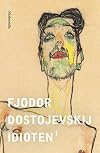
The Idiot (1/2)
by Fedor Mikhaïlovitch Dostoïevski
On This Page
Description
"No me hablen de prosperidad, de riquezas, de la rareza de las carestías, de la rapidez de los medios de transporte... Hoy hay más riquezas, pero menos fuerza. Ya no existe idea alguna que una los corazones: todo se ha ablandado y relajado, todo está lisiado y nosotros también." "El idiota" es una de las novelas más aclamadas de uno de los gigantes de la literatura universal de todos los tiempos. Dostoyevski, el maestro de la profundidad psicológica y del estudio del alma humana, busca show more en esta novela reflejar y encarnar a través de su protagonista, el Príncipe Myshkin, la cualidad de la bondad humana y la perfección moral. Su protagonista es un ser bueno e inocente, tan transparente y bienintencionado que carece de cualquier astucia o malicia y por ello es incluso considerado por los que le rodean como un idiota: de ahí el título de la obra. Su bondad extrema hacen que no sea capaz de ver cómo es el mundo real, y por lo tanto desconoce la esencia de la condición humana. Dostoyevski hiz... show lessTags
Recommendations



























Member Reviews
“إنَّ المرء لتبرأُ نفسهُ وتشفى حينَ يعيشُ مع الأطفال!"
“يُخيَّلُ إليَّ أنَّ الإنسان، حينَ يداهمهُ هلاكٌ لا سبيلَ إلى تحاشيه، كانهيارِ منزلٍ فوقه مثلاً، إنما يشعرُ عندئذٍ برغبةٍ لا تقاومُ في أن يقعدَ مغمضًا عينيه، وليحدث ما يحدث!”
“لشد ما أدهشني دائمًا مدى جهل الكبار بالصغار، بل ومدى جهل الآباء بأبنائهم أنفسهم"
رواية لطيفة لشخصية لطيفة ومن اطيب شخصيات دوستويفسكي على الاطلاق
الامير ميشكين المعروف بالأبله show more
صاحب المقدرة الجبارة على التسامح والمغفرة
فكرتها لطيفة واحداث سلسلة جدا
شكرا للاصدقاء ايمان مصطفى ومحمد حيالله على القراءة الممتعة واشوفكم في الجزء التاني ❤ show less
“يُخيَّلُ إليَّ أنَّ الإنسان، حينَ يداهمهُ هلاكٌ لا سبيلَ إلى تحاشيه، كانهيارِ منزلٍ فوقه مثلاً، إنما يشعرُ عندئذٍ برغبةٍ لا تقاومُ في أن يقعدَ مغمضًا عينيه، وليحدث ما يحدث!”
“لشد ما أدهشني دائمًا مدى جهل الكبار بالصغار، بل ومدى جهل الآباء بأبنائهم أنفسهم"
رواية لطيفة لشخصية لطيفة ومن اطيب شخصيات دوستويفسكي على الاطلاق
الامير ميشكين المعروف بالأبله show more
صاحب المقدرة الجبارة على التسامح والمغفرة
فكرتها لطيفة واحداث سلسلة جدا
شكرا للاصدقاء ايمان مصطفى ومحمد حيالله على القراءة الممتعة واشوفكم في الجزء التاني ❤ show less
Ratings
Members
- Recently Added By
Author Information

One of the most powerful and significant authors in all modern fiction, Fyodor Dostoevsky was the son of a harsh and domineering army surgeon who was murdered by his own serfs (slaves), an event that was extremely important in shaping Dostoevsky's view of social and economic issues. He studied to be an engineer and began work as a draftsman. show more However, his first novel, Poor Folk (1846), was so well received that he abandoned engineering for writing. In 1849, Dostoevsky was arrested for being a part of a revolutionary group that owned an illegal printing press. He was sentenced to be executed, but the sentence was changed at the last minute, and he was sent to a prison camp in Siberia instead. By the time he was released in 1854, he had become a devout believer in both Christianity and Russia - although not in its ruler, the Czar. During the 1860's, Dostoevsky's personal life was in constant turmoil as the result of financial problems, a gambling addiction, and the deaths of his wife and brother. His second marriage in 1887 provided him with a stable home life and personal contentment, and during the years that followed he produced his great novels: Crime and Punishment (1886), the story of Rodya Raskolnikov, who kills two old women in the belief that he is beyond the bounds of good and evil; The Idiots (1868), the story of an epileptic who tragically affects the lives of those around him; The Possessed (1872), the story of the effect of revolutionary thought on the members of one Russian community; A Raw Youth (1875), which focuses on the disintegration and decay of family relationships and life; and The Brothers Karamazov (1880), which centers on the murder of Fyodor Karamazov and the effect the murder has on each of his four sons. These works have placed Dostoevsky in the front rank of the world's great novelists. Dostoevsky was an innovator, bringing new depth and meaning to the psychological novel and combining realism and philosophical speculation in his complex studies of the human condition. (Bowker Author Biography) show less

Fyodor Dostoyevsky has a Legacy Library. Legacy libraries are the personal libraries of famous readers, entered by LibraryThing members from the Legacy Libraries group.
Some Editions
Series
Belongs to Publisher Series
Work Relationships
Is contained in
Common Knowledge
- Canonical title
- The Idiot (1/2) (1/2)
- Original title
- Идиот
- Original publication date
- 1868
Classifications
- Genres
- Fiction and Literature, General Fiction
- DDC/MDS
- 891.73 — Literature & rhetoric Asian Literature East Indo-European and Celtic literatures Russian and East Slavic languages Russian fiction
- LCC
- PG3325 .I3 — Language and Literature Slavic languages and literatures. Baltic languages. Albanian language Slavic. Baltic. Albanian Russian literature Individual authors and works 1800-1870 Dostoyevsky
- BISAC
Statistics
- Members
- 262
- Popularity
- 123,156
- Reviews
- 2
- Rating
- (4.36)
- Languages
- 11 — English, Finnish, French, German, Italian, Norwegian (Bokmål), Romanian, Russian, Spanish, Swedish, Turkish
- Media
- Paper, Audiobook, Ebook
- ISBNs
- 24
- ASINs
- 12