On This Page
Description
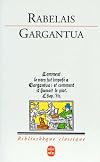
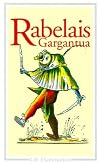
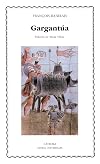
As a companion volume to Pantagruel, this new edition of Gargantua continues Rabelais' acclaimed fantasy of a mythical family of giants. Gargantua introduces Pantagruel's father--another wondrous giant. As he tells Gargantua's life story from his birth and education to his later life, Rabelais uses the events of the giant's life to parody medieval and classical learning, mock traditional ecclesiastical authority, and proffer his own thoughts on humanism and society. Marked with the same warm show more humor, obsession with food, and scatological wit of Pantagruel, Gargantua is a further striking burlesque on Rabelais' contemporaries and a glorious outpouring of Renaissance plenitude. show lessTags
Recommendations




































Member Recommendations

by bertilak
Member Reviews
Gargantua is, possibly ironically, a small book, but its mere 114 pages are filled with big ideas. Twenty-four short stories, each about four pages long, carry the reader into distant futures--some incredibly distant. If there is a theme uniting them, it is big engineering projects: vast rings and Dyson spheres, often people by humans struggling to extend their species life beyond that of Earth and even its sun.
The book is physically beautiful, with gorgeous cover art both inside and out, flaps that fold out revealing the interior art, and--get this--a hand-lettered copy number. I have number 81 of 200. It feels like you're holding something special.
The writing is superb and the stories imaginative. I only dinged it one star because, show more honestly, some of those stories just weren't my cup of tea. I'm not one for dark stories that can't offer even a glimmer of light. But that's personal.
I also felt a number of these stories handled religion in a pretty facile way. I get that we're living in an era when people don't really understand religion, but I'm pretty tired of the supposition that people invent religions to either explain what they can't otherwise explain or to cope when the going gets tough.
But again, that's personal. Otherwise,this is a lovely collection of quick reads that will be of interest to science fiction readers, or anyone who just likes to imagine. show less
The book is physically beautiful, with gorgeous cover art both inside and out, flaps that fold out revealing the interior art, and--get this--a hand-lettered copy number. I have number 81 of 200. It feels like you're holding something special.
The writing is superb and the stories imaginative. I only dinged it one star because, show more honestly, some of those stories just weren't my cup of tea. I'm not one for dark stories that can't offer even a glimmer of light. But that's personal.
I also felt a number of these stories handled religion in a pretty facile way. I get that we're living in an era when people don't really understand religion, but I'm pretty tired of the supposition that people invent religions to either explain what they can't otherwise explain or to cope when the going gets tough.
But again, that's personal. Otherwise,this is a lovely collection of quick reads that will be of interest to science fiction readers, or anyone who just likes to imagine. show less
I think this is a combination of the monk-turned-secular-priest's autobiography and personal commentary on the church and society of his time. Absolutely thought provoking and crude.
I picked up the edition illustrated by Gustave Doré specifically for the art, but the book's pretty neat.
Da la impresión de un popurrí de varios géneros y de tres o cuatro historias, todo yuxtapuesto sin más lazo de unión que la presencia de Grandgouisier y su hijo Gargantúa, dos gigantes bebedores, comedores, filósofos, pacifistas y buenas personas. Rabelais a veces los coloca en situaciones disparatadas de regusto claramente medieval, incluso con momentos de mal gusto que evocan la literatura goliárdica, y otras veces son protagonistas de escenas cortesanas insertas en el Renacimiento, donde ambos gigantones hacen gala de unas maneras, una cultura y un modo de vivir plenamente moderno. Quizá podría entenderse todo el conjunto como el paso de una niñez todavía demasiado influida por el medievo hasta una madurez, la de show more Gargantúa, en la que, después de vencer a sus enemigos en una guerra "pacifista" (Grandgouisier trata por todos los medios de evitarla, y cuando se mete en ella procura causar el menor daño posible, y aún resarcir generosamente tanto a las víctimas como incluso a los enemigos vencidos), funda un "monasterio" donde los jóvenes nobles se dedican a hacer su santa voluntad, porque donde hay educación no tiene cabida el vicio. Indudablemente, esta parte final nos conecta con Utopía y con el Decamerón, como el principio procede de los Carmina Burana. Para un simple lector actual, no se mantiene el interés, sobre todo por la sensación de falta de un plan "novelístico", aunque quizá eso sea mucho pedir para la Francia de principios del XVI.
El editor ha optado por no traducir los nombres burlescos de los personajes inventados, remitiendo, tanto para ellos como para los personajes reales, a un glosario final. Esto es un estorbo, y sólo contribuye a trabucar la lectura y a reforzar la sensación de deslabazamiento. Esta edición en realidad es una reimpresión, que se hizo para construir un "pack" con el "Pantagruel" aprovechando el centenario de la muerte de Rabelais. Pues ya podían haber hecho una edición nueva. show less
El editor ha optado por no traducir los nombres burlescos de los personajes inventados, remitiendo, tanto para ellos como para los personajes reales, a un glosario final. Esto es un estorbo, y sólo contribuye a trabucar la lectura y a reforzar la sensación de deslabazamiento. Esta edición en realidad es una reimpresión, que se hizo para construir un "pack" con el "Pantagruel" aprovechando el centenario de la muerte de Rabelais. Pues ya podían haber hecho una edición nueva. show less
Feb 8, 2011 (Edited)Spanish
1
Vanha suomennos. Luin tätä ennen uudemman suomennoksen esiosasta, ja siihen verrattuna tämä oli kyllä vähän kömpelö eikä jaksanut enää innostaa. Kirjan loppuosa oli jo melkoista pakkopullaa, ja oli helpotus kääntää viimeinen sivu esille. Tällaisten satiirien pitäisi mielestäni ymmärtää lopettaa ajoissa.
Apr 20, 2020Finnish
Difficile d'accès la langue rabelaisienne. Mais quelle faconde, quelle jubilation. Une découverte de cet auteur qui nous recommande le plaisir de vivre. Et c'est pour nous un véritable plaisir de lecture.
Jan 30, 2016French
Indeholder "Introduktion - Jesper Ewald", "Til Læseren", "Forfatterens Fortale", "Det første Kapitel. Som omhandler Gargantuas Herkomst og ærværdige Afstamning", "Det andet Kapitel. Vrøvl og Fornuft, fundet i et Bygningsværk fra Antiken", "Det tredie Kapitel. Hvorledes Gargantuas Moder bar ham elleve Maaneder i sin Mave", "Det fjerde Kapitel. Hvorledes Gargamelle, mens hun var svanger med Gargantua, spiste enorme Mængder af Kallun", "Det femte Kapitel. Drik og Snak", "Det sjette Kapitel. Hvorledes Gargantua kommer til Verden paa en højst besynderlig Maade", "Det syvende Kapitel. Hvorledes Gargantua fik Navn og hvordan han havde det med de vaade Varer", "Det ottende Kapitel. Om Gargantuas Garderobe", "Det niende Kapitel. Mere om show more Gargantuas Garderobe og Farver", "Det tiende Kapitel. Om Betydningen af de hvide og den blaa Farve", "Det elvte Kapitel. Om Gargantuas Opvækst", "Det tolvte Kapitel. Om Gargantuas Legeheste", "Det trettende Kapitel. Hvordan Grandgousier maatte beundre den Snildhed, Gargantua lagde for Dagen, naar han tørrede sig bagi", "Det fjortende Kapitel. Om hvordan Gargantua blev undervist i Latin af en Teolog", "Det femtende Kapitel. Hvordan Gargantua blev undervist af andre Pædagoger", "Det sekstende Kapitel. Hvordan Gargantua blev sendt til Paris. Om den vældige Hoppe, som han red paa, og om hvordan Hoppen tilintetgjorde Oksebremserne i Beauce", "Det syttende Kapitel. Hvordan Gargantua gav Pariserne Velkomst, og hvordan han tog de store Klokker fra Nôtre Dame", "Det attende Kapitel. Hvordan Janotus de Bragmardo blev udsendt for at faa Gargantua til at udlevere de store Klokker", "Det nittende Kapitel. Den Tale, som Mester Janotus de Bragmardo holdt for Gargantua for at faa Klokkerne tilbage", "Det tyvende Kapitel. Hvordan Teologen gik med sit Klæde, og hvordan han kom i Strid med de andre Sorbonne-Folk", "Det enogtyvende Kapitel. Hvordan Gargantua teede sig og aad udfra sine tidligere lærde Læreres Anvisninger", "Det toogtyvende Kapitel. Gargantuas Adspredelser", "Det treogtyvende Kapitel. Hvordan Ponocrates underviste Gargantua, saa han ikke spildte en eneste Time paa Dagen", "Det fireogtyvende Kapitel. Hvordan Gargantua fordrev Tiden i Regnvejr", "Det femogtyvende Kapitel. Hvorledes der opstod Strid mellem Kagebagerne i Lerné og Folket i Gargantuas Hjemland, hvilket førte til store Krige", "Det seksogtyvende Kapitel. Hvordan Lernés Indbyggere, paa deres Konge Picrocholes Befaling, angreb Grandgousiers intetanende Hyrder", "Det syvogtyvende Kapitel. Hvordan en Munk i Seuillé Klostret frelste Klostrets Vingaard fra Fjendens Hærgen", "Det otteogtyvende Kapitel. Hvordan Picrochole tog la Roche Clermault med Storm og om den Sorg, det var for Grandgousier at maatte gaa i Krigen", "Det niogtyvende Kapitel. Hvad der stod i Brevet, som Grandgousier skrev til Gargantua", "Det tredivte Kapitel. Hvordan Ulrich Gallet blev sendt til Picrochole", "Det enogtredivte Kapitel. Hvordan Grandgousier prøvede paa at købe Fred ved at give Kagerne tilbage", "Det toogtredivte Kapitel. Hvordan nogle af Picrocholes Raadgivere bragte ham i stor Fare ved deres taabelige Raad", "Det treogtredivte Kapitel. Hvordan Gargantua forlod Staden Paris for at komme sit Land til Undsætning, og om hvordan Gymnaste mødte Fjenden", "Det fireogtredivte Kapitel. Hvordan Gymnaste behændigt dræbte Kaptajn Tripet og andre af Picrocholes Mænd", "Det femogtredivte Kapitel. Hvordan Gargantua nedrev Slottet ved Vedé Vadestedet, og hvordan de kom over Vadestedet", "Det seksogtredivte Kapitel. Hvordan Gargantua redte Kanonkugler ud af Haaret med en Tættekam", "Det syvogtredivte Kapitel. Hvordan Gargantua spiste seks Pilgrimme i Salat", "Det otteogtredivte Kapitel. Hvordan Gargantua beværtede Munken og om hvor skønt han talte ved Bordet", "Det niogtredivte Kapitel. Hvorfor Munke er ildesete i godt Selskab, og hvorfor nogle har større Næse end andre", "Det fyrretyvende Kapitel. Hvordan Munken fik Gargantua til at sove, og hvad han mente om Bønner og Breviar", "Det enogfyrretyvende Kapitel. Hvordan Munken satte Mod i sine Fæller, og hvordan han blev hængt i et Træ", "Det toogfyrretyvende Kapitel. Hvordan Picrocholes Fortrop mødte Gargantua, og hvordan Munken dræbte Kaptajn Forlader og derpaa blev taget til Fange af Fjenden", "Det treogfyrretyvende Kapitel. Hvordan Munken blev sine Vogtere kvit, og hvordan Picrocholes Krigere led Nederlag", "Det fireogfyrretyvende Kapitel. Hvordan Munken kom med Pilgrimmene, og den kønne Tale, som Grandgousier holdt for dem", "Det femogfyrretyvende Kapitel. Om hvor humant Grandgousier behandlede Fangen Touquedillon", "Det seksogfyrretyvende Kapitel. Hvordan Grandgousier samlede sine Legioner, og hvordan Touquedillon dræbte Hastiveau og derefter selv blev dræbt paa Picrocholes Bud", "Det syvogfyrretyvende Kapitel. Hvordan Gargantua anfaldt Picrochole i la Roche Clermault og slog bemeldte Picrocholes Hær", "Det otteogfyrretyvende Kapitel. Hvordan Picrochole led meget ondt paa Flugten, og hvad Gargantua foretog sig efter Slaget", "Det niogfyrretyvende Kapitel. Hvordan de sejrende Gargantuister blev belønnede efter Slaget", "Det halvtredsindstyvende Kapitel. Hvordan Gargantua lod Theleme Klostret bygge til Munken", "Det enoghalvtredsindstyvende Kapitel. Hvordan Thelemiternes Kloster blev bygget og udstyret", "Det tooghalvtredsindstyvende Kapitel. Hvordan Thelemiternes Bolig var indrettet, og hvordan Munke og Nonner gik klædte", "Det treoghalvtredsindstyvende Kapitel. Den Gaade, som blev fundet, da man lagde Theleme Klostrets Grundvold".
Forfatteren er født ca 1494, dvs lidt efter Martin Luther. Gargantua er en overdrivelsesroman, hvor folk æder, drikker, skider og pisser i et væk. Ret underholdende. I 1532 udgiver han Pantagruel under pseudonymet Mester Alcofribas Nasier. Senere kommer bogen om Gargantua som en prequel og efter at Rabelais er død kommer den fjerde bog om Pantagruel. Af fortællekronologiske grunde har man så anbragt Gargantua som bog 1 og de fire om Pantagruel efterfølgende og forfatteren kan jo ikke protestere eller skrive nye bind. I forordet beordres man nærmest til at drikke forfatterens skål. God ide! show less
Forfatteren er født ca 1494, dvs lidt efter Martin Luther. Gargantua er en overdrivelsesroman, hvor folk æder, drikker, skider og pisser i et væk. Ret underholdende. I 1532 udgiver han Pantagruel under pseudonymet Mester Alcofribas Nasier. Senere kommer bogen om Gargantua som en prequel og efter at Rabelais er død kommer den fjerde bog om Pantagruel. Af fortællekronologiske grunde har man så anbragt Gargantua som bog 1 og de fire om Pantagruel efterfølgende og forfatteren kan jo ikke protestere eller skrive nye bind. I forordet beordres man nærmest til at drikke forfatterens skål. God ide! show less
Aug 13, 2023Danish
Members
- Recently Added By
Lists

Books featuring monks and/or nuns
166 works; 32 members

Books You Read During High School (For School)
301 works; 52 members

Books and authors mentioned by Le Clézio in his Nobel Prize speech
87 works; 3 members

Book Titles Mentioned In Newberry Medal And Honor Books
884 works; 3 members

Our Favorite Banned Books
138 works; 122 members

Books in the Bibliography of Humans: A Monstrous History by Surekha Davies
346 works; 1 member

Lectuurlijst
63 works; 1 member
Author Information

395+ Works 8,632 Members
One of the leading humanist writers of the French Renaissance, Rabelais was at first a Franciscan and then a Benedictine monk, a celebrated physician and professor of anatomy, and later cure of Meudon. The works of Rabelais are filled with life to the overflowing, hence the term "Rabelaisian." His principal protagonists, Gargantua and his son, show more Pantagruel, are appropriately giants, not only in size, but also in spirit and action. The five books of their adventures are separate works, containing, in different measure, adventures, discussions, farcical scenes, jokes, games, satires, philosophical commentaries, and anything else that a worldly, learned man of genius such as Rabelais could pour into his work. His style is innovative and idiosyncratic, marked by humorous neologisms made up from the learned languages, Greek and Latin, side by side with the most earthy, humble, and rough words of the street and barnyard. His Gargantua, published in 1534, satirizes the traditional education of Parisian theologians and, in the Abbe de Theleme episode, recommends a free, hedonistic society of handsome young men and women in contrast to the restrictive life of monasticism. The gigantic scope of Rabelais's work also reflects the Renaissance thirst for encyclopedic knowledge. (Bowker Author Biography) show less
All Editions
Some Editions
Series

Belongs to Publisher Series
Le livre de poche (1589-1590)
Gallimard, Folio (246-773)
Work Relationships
Is contained in
Is abridged in
Has as a student's study guide
Common Knowledge
- Canonical title
- Gargantua
- Original title
- La vie très horrifique du grand Gargantua, père de Pantagruel; La vie très horrifique du grand Gargantua, père de Pantagruel, jadis composée par M. Alcofibras, abstracteur de quintessence. Livre plein de pantagruélisme
- Alternate titles
- The Very Horrific Life of Great Gargantua, Father of Pantagruel
- Original publication date
- 1534
- Important places*
- Seuilly, Centre-Val de Loire, Frankrijk; Centre-Val de Loire, Frankrijk
- First words
- Beuveurs tresillustres & vous Verolez tresprecieux (car à vous non à aultres sont dediez mes escriptz) Alcibiades en un dialoge de Platon, intitulé Le banquet, louant son precepteur Socrates sans controverse prince des phi... (show all)losophes: entre aultres paroles le dict estre semblable es Silènes.
- Last words
- (Click to show. Warning: May contain spoilers.)La fin est que après avoir bien travaillé, ilz s'en vont repaistre, & grand chière.
- Original language
- France
*Some information comes from Common Knowledge in other languages. Click "Edit" for more information.
Classifications
Statistics
- Members
- 733
- Popularity
- 38,515
- Reviews
- 12
- Rating
- (3.79)
- Languages
- 11 — Danish, English, Finnish, French, German, Hungarian, Norwegian (Bokmål), Portuguese, Spanish, Swedish, Turkish
- Media
- Paper, Audiobook, Ebook
- ISBNs
- 71
- ASINs
- 20