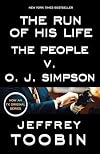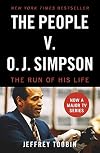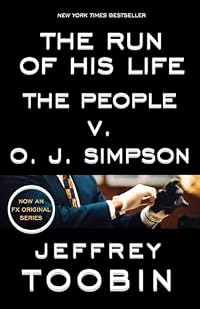
The Run of His Life: The People v. O.J. Simpson
by Jeffrey Toobin
On This Page
Description
NEW YORK TIMES BESTSELLER • The inspiration for American Crime Story: The People v. O. J. Simpson on FX, starring Cuba Gooding, Jr., John Travolta, David Schwimmer, and Connie BrittonThe definitive account of the O. J. Simpson trial, The Run of His Life is a prodigious feat of reporting that could have been written only by the foremost legal journalist of our time. First published less than a year after the infamous verdict, Jeffrey Toobin’s nonfiction masterpiece tells the whole show more story, from the murders of Nicole Brown Simpson and Ronald Goldman to the ruthless gamesmanship behind the scenes of “the trial of the century.” Rich in character, as propulsive as a legal thriller, this enduring narrative continues to shock and fascinate with its candid depiction of the human drama that upended American life.
Praise for The Run of His Life
“This is the book to read.”—Michiko Kakutani, The New York Times
“This book stands out as a gripping and colorful account of the crime and trial that captured the world’s attention.”—Boston Sunday Globe
“A real page-turner . . . strips away the months of circuslike televised proceedings and the sordid tell-all books and lays out a simple, but devastating, synopsis of the case.”—Entertainment Weekly
“A well-written, profoundly rational analysis of the trial and, more specifically, the lawyers who conducted it.”—USA Today
“Engrossing . . . Toobin’s insight into the motives and mind-set of key players sets this Simpson book apart from the pack.”—People (one of the top ten books of the year). show less
Tags
Recommendations

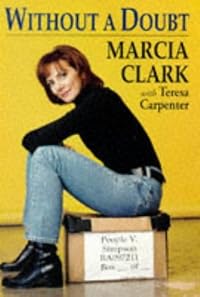
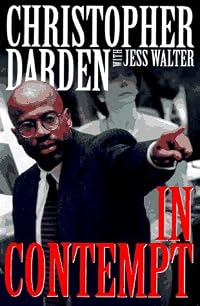
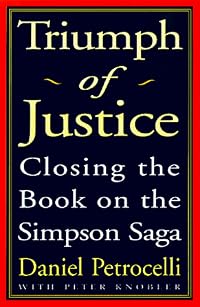
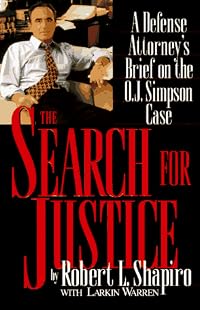
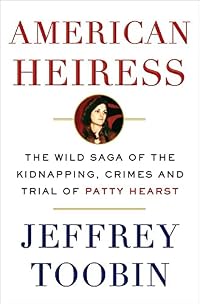
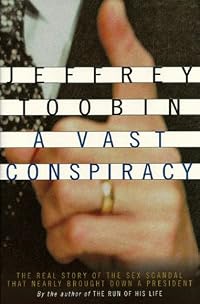


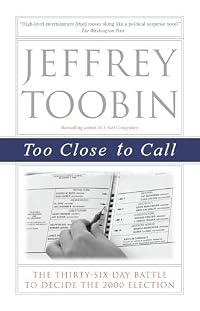



Member Reviews
I remember the intense discussions surrounding the trial and the O.J. trial and the passions it engendered. We didn’t have over-the-air TV at the time (still don’t and don’t care) so we could only follow in the newspapers and on the radio.
Recently we watched the docudrama based on this book. It’s excellent and those participants who are still with us have indicated it’s quite accurate. I’ve always enjoyed Toobin’s books so I looked this one up; it’s spellbinding, providing a lot more detail and background than the TV show ever could.
To those insisting the jury should have found OJ guilty, I reply that the jury saw only a fraction of what TV viewers saw. They were sequestered for close to eight months with no access to TV show more or newspapers (the section on the jury revolt is entertaining) and of the original 12 seated jurors, only three remained by the end of the trial. I don’t know what would have happened had they run out of alternates and that was close to happening. The jurors were treated like prisoners for the many months of the trial, often being sent out of the court while the lawyers argued over interesting points of law, many times with attendant fireworks. They were not permitted TVs or radios, had their newspapers censored and cut up, had their room keys taken away every night, and were permitted one “conjugal” visit per week with their spouse. Conversations with other jurors were monitored to make sure they didn’t talk of the trial.
Couple all this with the long history of police abuse of blacks in Los Angeles and you have a recipe for the verdict. Toobin sets the stage with a short history of the LAPD. It was another of those unintended consequences where an attempt to do something really good backfired in the long run. In an effort to eliminate the rampant corruption that had become the LAPD, it was separated from the highly political world and redesigned to become a more meritocracy. The LAPD became an entity unto itself, completely unaccountable, very self-defensive, and unfortunately a bastion of white privilege and racism.
Toobin gives a great deal of credit for the verdict (aside from a lot of prosecutorial arrogance and incompetence) to Barry Scheck (one of the early founders of the Innocence Project) on the defense team whose meticulous study of the DNA evidence and development of the complicated almost self-contradictory theory that the LAPD was both incredibly incompetent while being sinisterly brilliant. He worked tirelessly, unlike the more famous lawyers on the team who often seemed more interested in their own careers than their client’s future. Scheck’s theory melded perfectly with Cochran’s race-oriented approach and between the two provided mountains of doubt for the jury to deliberate.*
Ultimately, the question came down to reasonable doubt. A key moment was when Furman pled the fifth when he was asked if he had manipulated the evidence. That alone would supply enough reasonable doubt, not to mention the debacle with the glove, I would have voted for acquittal, too. The trial testimony reeked of reasonable doubt in spite of overwhelming physical evidence of Simpson’s guilt.
Some very amusing phrases by Toobin: “On the night of the murders, the jury learned, Kaelin spent from 7:45 to 8:30 P.M. in O.J.’s Jacuzzi—a marination of almost superhuman duration;” and describing one of the prosecutors as “ a trial lawyer with the stage presence of a voice-mail attendant.”
*A comment on how Schenk’s actions in the Innocence Project and the Simpson trial might appear at odds: “According to Richard Lewontin, a professor of population genetics at Harvard, ‘Unlike most lawyers, Barry and Peter really know what they’re talking about when it comes to the technology. When they’ve defended clients, they’ve done brilliant work in showing the problems with the DNA labs. On the other hand, I have to say, they have no compunction about supporting the technology when it’s useful for the defense. They are defense attorneys—and they’re not always consistent, because they’re defense attorneys.’ “ show less
Recently we watched the docudrama based on this book. It’s excellent and those participants who are still with us have indicated it’s quite accurate. I’ve always enjoyed Toobin’s books so I looked this one up; it’s spellbinding, providing a lot more detail and background than the TV show ever could.
To those insisting the jury should have found OJ guilty, I reply that the jury saw only a fraction of what TV viewers saw. They were sequestered for close to eight months with no access to TV show more or newspapers (the section on the jury revolt is entertaining) and of the original 12 seated jurors, only three remained by the end of the trial. I don’t know what would have happened had they run out of alternates and that was close to happening. The jurors were treated like prisoners for the many months of the trial, often being sent out of the court while the lawyers argued over interesting points of law, many times with attendant fireworks. They were not permitted TVs or radios, had their newspapers censored and cut up, had their room keys taken away every night, and were permitted one “conjugal” visit per week with their spouse. Conversations with other jurors were monitored to make sure they didn’t talk of the trial.
Couple all this with the long history of police abuse of blacks in Los Angeles and you have a recipe for the verdict. Toobin sets the stage with a short history of the LAPD. It was another of those unintended consequences where an attempt to do something really good backfired in the long run. In an effort to eliminate the rampant corruption that had become the LAPD, it was separated from the highly political world and redesigned to become a more meritocracy. The LAPD became an entity unto itself, completely unaccountable, very self-defensive, and unfortunately a bastion of white privilege and racism.
Toobin gives a great deal of credit for the verdict (aside from a lot of prosecutorial arrogance and incompetence) to Barry Scheck (one of the early founders of the Innocence Project) on the defense team whose meticulous study of the DNA evidence and development of the complicated almost self-contradictory theory that the LAPD was both incredibly incompetent while being sinisterly brilliant. He worked tirelessly, unlike the more famous lawyers on the team who often seemed more interested in their own careers than their client’s future. Scheck’s theory melded perfectly with Cochran’s race-oriented approach and between the two provided mountains of doubt for the jury to deliberate.*
Ultimately, the question came down to reasonable doubt. A key moment was when Furman pled the fifth when he was asked if he had manipulated the evidence. That alone would supply enough reasonable doubt, not to mention the debacle with the glove, I would have voted for acquittal, too. The trial testimony reeked of reasonable doubt in spite of overwhelming physical evidence of Simpson’s guilt.
Some very amusing phrases by Toobin: “On the night of the murders, the jury learned, Kaelin spent from 7:45 to 8:30 P.M. in O.J.’s Jacuzzi—a marination of almost superhuman duration;” and describing one of the prosecutors as “ a trial lawyer with the stage presence of a voice-mail attendant.”
*A comment on how Schenk’s actions in the Innocence Project and the Simpson trial might appear at odds: “According to Richard Lewontin, a professor of population genetics at Harvard, ‘Unlike most lawyers, Barry and Peter really know what they’re talking about when it comes to the technology. When they’ve defended clients, they’ve done brilliant work in showing the problems with the DNA labs. On the other hand, I have to say, they have no compunction about supporting the technology when it’s useful for the defense. They are defense attorneys—and they’re not always consistent, because they’re defense attorneys.’ “ show less
For anyone who saw the first season of FX network's American Crime, 'The People v OJ Simpson", the series was based on this book. The author was involved as a reporter with the case before the trial even began, and stayed on it until the end of the civil case. I remember well when this happened, and will never forget listening to the radio in my boss's office as the verdict in the criminal trial was read. I'm sure my look of surprise matched his when we heard the announcement of "Not Guilty".
Everything about this case was a travesty, and it obviously should have ended in a mistrial, with a change of venue for the retrial. The LAPD investigation was poorly conducted from the beginning, and the inherent racism of the department in show more general, and Detective Fuhrman in particular, was a problem. This should not have been the focus of the case, however, since it didn't really have anything to do with whether or not Simpson was guilty. The arrogance and incompetence of the prosecutors was another problem. This was one of the first cases to use focus groups, which the defense team used brilliantly. The prosecution, on the other hand, didn't like what they heard and dismissed the company running the focus group for them after one day. As a result, the defense as able to pack the jury with people who were sympathetic to the defendant, and antagonistic towards the prosecution. The inept Judge Ito was more concerned with looking good on camera and pandering to celebrities than enforcing correct procedure. Of course, the defense team was the slimiest collection of legal weasels that could be assembled. They knew from the beginning that Simpson was guilty, and used the race card to redirect attention away from the actual case. As the original lead attorney, Robert Shapiro said afterwards: "We not only played the race card, but we dealt from the bottom of the deck".
All in all, this was a tragic miscarriage of justice that allowed a guilty man get away with murder. The book is excellent, and I would recommend it to anyone who wants to read more about the "Trial of the Century". show less
Everything about this case was a travesty, and it obviously should have ended in a mistrial, with a change of venue for the retrial. The LAPD investigation was poorly conducted from the beginning, and the inherent racism of the department in show more general, and Detective Fuhrman in particular, was a problem. This should not have been the focus of the case, however, since it didn't really have anything to do with whether or not Simpson was guilty. The arrogance and incompetence of the prosecutors was another problem. This was one of the first cases to use focus groups, which the defense team used brilliantly. The prosecution, on the other hand, didn't like what they heard and dismissed the company running the focus group for them after one day. As a result, the defense as able to pack the jury with people who were sympathetic to the defendant, and antagonistic towards the prosecution. The inept Judge Ito was more concerned with looking good on camera and pandering to celebrities than enforcing correct procedure. Of course, the defense team was the slimiest collection of legal weasels that could be assembled. They knew from the beginning that Simpson was guilty, and used the race card to redirect attention away from the actual case. As the original lead attorney, Robert Shapiro said afterwards: "We not only played the race card, but we dealt from the bottom of the deck".
All in all, this was a tragic miscarriage of justice that allowed a guilty man get away with murder. The book is excellent, and I would recommend it to anyone who wants to read more about the "Trial of the Century". show less
As most of America did, I followed the case of O.J. Simpson who was accused of murdering his ex-wife Nicole and Ron Goldman as it wound its way through the courts. I remember being surprised at the verdict of not guilty because of the amount of evidence tying Simpson to the double homicide. However, I was also aware of the other issues involved in the case – especially the emphasis on race and how a “corrupt LAPD” dealt with minorities. I recently started watching the TV series about this crime and decided to read this book because the series is based on it. While the series is good, the book is once again so much better! I now have an understanding of the time period this occurred, who the players were and how they evolved into show more the people we saw involved in the case, the reasons why things were done the way they were and how mistakes were made on both sides. This is an amazing read that shows definitively that Simpson was guilty but that the jury for so many reasons paid little heed to the actual evidence, instead focused on race, inept handling of the crime scene and the “probable” planting of evidence to find the verdict they wanted to find. It was an awesome study of an American crime. show less
I enjoyed this book though there was too much detail for me. It is well written. Since I lived through this tragedy there wasn't too much new. I always thought OJ Simpson was guilty beyond a reasonable doubt. After reading this book I think he was guilty beyond ANY doubt. If you are not familiar with the case I think you will especially enjoy the book.
A brilliant read. Only in LA could the jurors have a tougher trial than the murderer. A fascinating insight.
This book was easy to read without being a fluffy and/or sensationalized look at the Simpson trial. It didn't get bogged down in a lot of legalese or long dreary transcripts from the trial, but gave a good clear picture of the process. The author does interject his opinions at some points but it doesn't come across as a personal view. Interesting to read years after the events, now that Cochran has passed away, and OJ has been in the news again.
Ratings
Members
- Recently Added By
Lists

Books Read in 2020
4,379 works; 123 members

A Silvery Moon
2 works; 1 member
Author Information

18+ Works 5,508 Members
Jeffrey Toobin has been a staff writer at The New Yorker since 1993 and is also the legal analyst for ABC News. He received his A.B. from Harvard College and is a magna cum laude graduate of Harvard Law School. Toobin lives in New York City with his wife and two children. (Publisher Provided) Jeffrey Toobin was born in New York City in 1960. In show more 1982, he graduated magna cum laude with a Bachelor of Arts degree in classics, and earned a Truman Scholarship. In 1986, he graduated from Harvard Law School magna cum laude with a J.D. Toobin is the bestselling author of The Nine, Too Close to Call, A Vast Conspiracy, The Run of His Life and American Heiress. He is a staff writer at The New Yorker and the senior legal analyst at CNN. (Bowker Author Biography) show less
Awards and Honors
Distinctions
Notable Lists
Work Relationships
Has the adaptation
Is abridged in
Common Knowledge
- Canonical title
- The Run of His Life: The People v. O.J. Simpson
- Original publication date
- 1996
- People/Characters
- O. J. Simpson; Nicole Brown Simpson; Robert Shapiro; Johnnie Cochran; Barry Scheck; Robert Kardashian (show all 12); Alan Dershowitz; F. Lee Bailey; Ron Goldman; Christopher Darden; Marcia Clark; Lance Ito
- Important places
- Los Angeles, California, USA
- Important events
- O. J. Simpson murder case (1995)
- Related movies
- Inside Look: The People v. O.J. Simpson, American Crime Story (2016 | IMDb)
- First words
- One after another, the Jaguars, BMWs, and the odd Porsche pulled off the Avenue of Stars and slipped into the nearly deserted underground parking garage.
- Last words
- (Click to show. Warning: May contain spoilers.)She would have ruled for the defendant.
Classifications
Statistics
- Members
- 582
- Popularity
- 50,313
- Reviews
- 6
- Rating
- (3.94)
- Languages
- English, Portuguese
- Media
- Paper, Audiobook, Ebook
- ISBNs
- 10
- ASINs
- 8