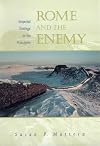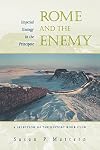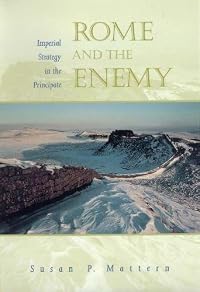
Rome and the Enemy: Imperial Strategy in the Principate
by Susan P. Mattern
On This Page
Description
How did the Romans build and maintain one of the most powerful and stable empires in the history of the world? This illuminating book draws on the literature, especially the historiography, composed by the members of the elite who conducted Roman foreign affairs.Tags
Recommendations




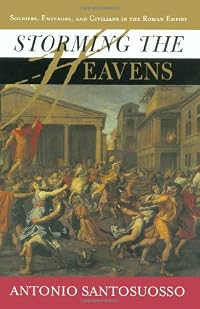

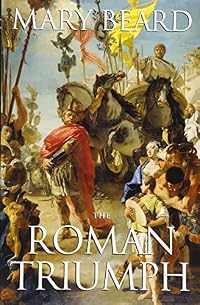
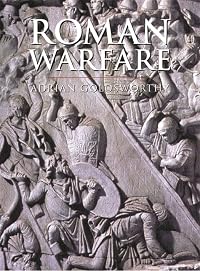
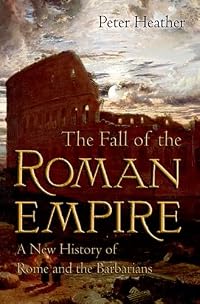
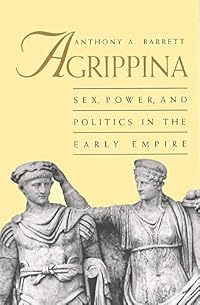
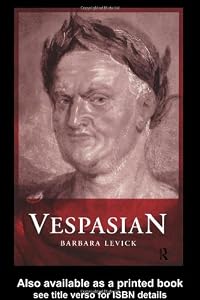
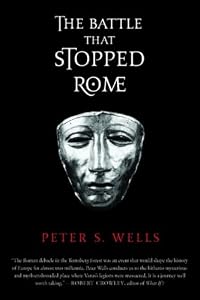

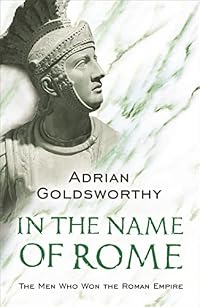
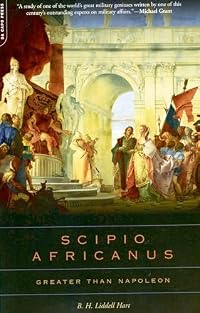
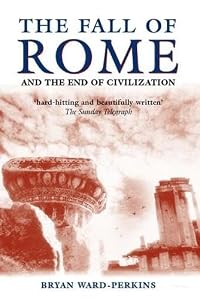
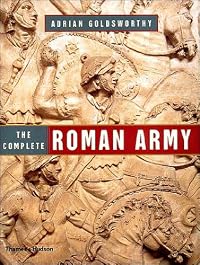
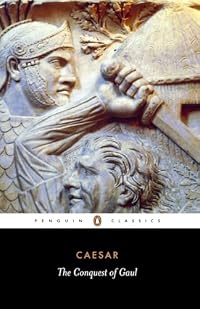





Member Recommendations
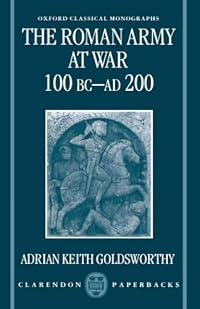
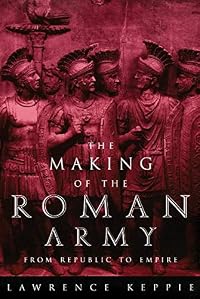
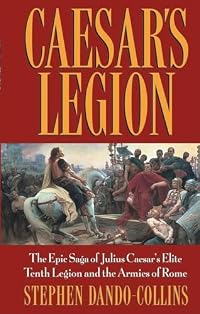
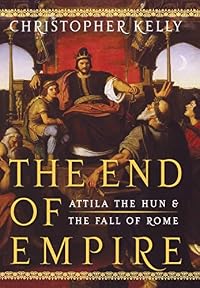
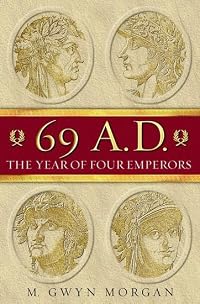
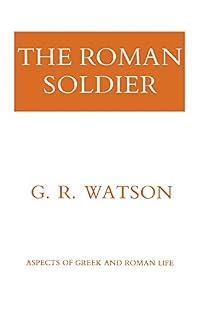
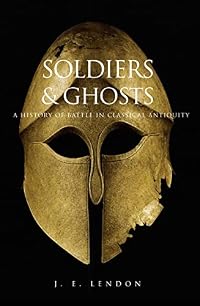
Donogh Two sides of the same coin, with well supported arguments that Roman military strategy/tactics were more based but psychological and cultural factors than on purely military merits.
Member Reviews
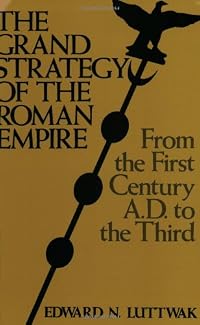
Many modern historians, most notably Luttwak, have tried to explain the strategy of the Roman Empire in terms that make sense to modern strategic thinkers, citing concepts like natural frontiers and cost-benefit analyses. Mattern argues we should instead take ancient historians seriously when they tell us that Roman foreign policy was primarily based on considerations of honour, prestige, and glory, with some allowances made for military and financial practicalities.
I found it convincing - though note I haven't read the authors arguing for a more rationalistic Roman strategy.
I found it convincing - though note I haven't read the authors arguing for a more rationalistic Roman strategy.
Ratings
Members
- Recently Added By
Published Reviews
ThingScore 100
"This is an excellent book, and should not be ignored by anyone interested in how the Romans ran their world."
added by bookfitz
Author Information

6+ Works 249 Members
Common Knowledge
- Canonical title
- Rome and the Enemy: Imperial Strategy in the Principate
- Original title
- Rome and the Enemy: Imperial Strategy in the Principate
- Original publication date
- 1999
- People/Characters
- Augustus Caesar; Marcus Aurelius; Caracalla; Claudius; Commodus; Domitian (show all 13); Nero Claudius Drusus Germanicus; Hadrian; Nero Claudius Caesar Augustus Germanicus; Septimius Severus; Tiberius Caesar Augustus, Emperor of Rome; Trajan, Marcus Ulpius, c. 53-117; Vespasian
- Important places
- Rome; Rome, Italy; Rome, Roman Empire; Dacia; Brittania; Gaul (show all 8); Mesopotamia; Parthia
- Dedication
- To my parents, Nancy and Peter, and my sisters, Emily and Elizabeth
- First words
- When Marcus Aurelius died in A.D. 180, his son, the new emperor Commodus, had to decide what to do about the war on the Danube frontier.
- Last words
- (Click to show. Warning: May contain spoilers.)Perhaps the rhetoric, the myth, is the reality.
- Blurbers
- Potter, David M.; Macmullen, Ramsay
- Original language
- English
Classifications
- Genres
- History, Nonfiction, General Nonfiction
- DDC/MDS
- 937.07 — History & geography History of ancient world (to ca. 499) Italian Peninsula to 476 and adjacent territories to 476 Constitutional 31 B.C.-284 A.D.
- LCC
- DG271 .M18 — History of Europe, Asia, Africa and Oceania City History of Italy Ancient Italy. Rome to 476 History By period Empire, 27 B.C. - 476 A.D. General
- BISAC
Statistics
- Members
- 116
- Popularity
- 279,749
- Reviews
- 1
- Rating
- (3.75)
- Languages
- English
- Media
- Paper, Ebook
- ISBNs
- 4
- ASINs
- 2