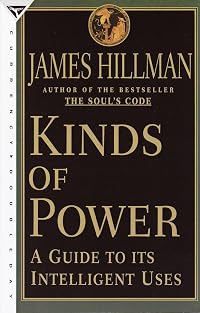
Kinds of Power
by James Hillman
On This Page
Description
In the boldest expose on the nature of power since Machiavelli, celebrated Jungian therapist James Hillman shows how the artful leader uses each of two dozen kinds of power with finesse and subtlety. Power, we often forget, has many faces, many different expressions. "Empowerment," writes best-selling Jungian analyst James Hillman, "comes from understanding the widest spectrum of possibilities for embracing power." If food means only meat and potatoes, your body show more suffers from your ignorance. When your idea of food expands, so does your strength. So it is with power. "James Hillman," says Robert Bly, "is the most lively and original psychologist we have had in America since William James." In Kinds Of Power, Hillman addresses himself for the first time to a subject of great interest to business people. He gives much needed substance to the subject by showing us a broad experience of power, rooted in the body, the rnind, and the emotions, rather than the customary narrow interpretation that simply equates power with strength. Hillman's "anatomy" of power explores two dozen expressions of power every artful leader must understand and use, including: the language of power, control, influence, resistance, leadership, prestige, authority, exhibitionism, charisma, ambition, reputation, fearsomeness, tyranny, purism, subtle power, growth, and efficiency. show lessTags
Recommendations






























Member Reviews
This text is a piece of “industrial psychology” aimed at business executives, but all of the issues that it raises are pertinent to the work of clergy. Chapter topics include “Growth,” “Service,” “Office,” “Authority,” and “Subtle Power,” among others. Hillman is a Jungian analyst and depth psychologist.
Ratings
Members
- Recently Added By
Author Information

140+ Works 6,378 Members
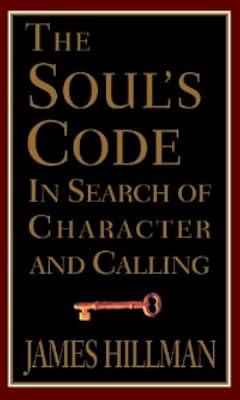
James Hillman was born in Atlantic City, New Jersey on April 12, 1926. He attended the School of Foreign Service at Georgetown University for two years before joining the Navy's Hospital Corps in 1944. He studied English literature in Paris at the Sorbonne and graduated with a degree in mental and moral science from Trinity College in Dublin. In show more 1953, he moved to Zurich and enrolled at the C. G. Jung Institute. In 1959, he became the director of studies at the institute and stayed in that position for the next 10 years. He wrote over 20 books including Suicide and the Soul, Re-Visioning Psychology, and The Soul's Code. He died due to complications of bone cancer on October 27, 2011 at the age of 85. (Bowker Author Biography) show less
Common Knowledge
- Original publication date
- 1995-04
- Epigraph
- Neither necessity nor desire, but the love of power, is the demon of mankind. You may give man everything possible--health, food, shelter, enjoyment--but they are and remain unhappy and capricious, for the demon waits and wai... (show all)ts; and must be satisfied. Let everything else be taken away from men, and let this demon be satisfied, and they they will nearly be happy--as happy as men and demons can be. --Friedrich Nietzsche, The Dawn of Day
- First words
- This book addresses the psychology of business.
- Last words
- (Click to show. Warning: May contain spoilers.)They simply go on performing their variety acts, each according to its kind--jugglers, clowns, tigers and horses and daredevil leaps on the flying trapeze; round and round, the mind endlessly entertaining, and being entertained by, ideas.
Classifications
Statistics
- Members
- 171
- Popularity
- 188,900
- Reviews
- 1
- Rating
- (3.63)
- Languages
- English, Italian
- Media
- Paper, Ebook
- ISBNs
- 5
- ASINs
- 1