
Nada
by Carmen Laforet
On This Page
Description
A modern Spanish classic, first published sixty years ago and translated into eighteen languages, now available in English with a preface by Mario Vargas Llosa. The novel conveys beautifully the spirit of war-torn, brutalized Barcelona. "From the Hardcover edition."Tags
Recommendations

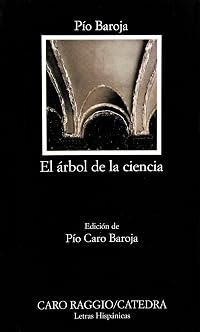

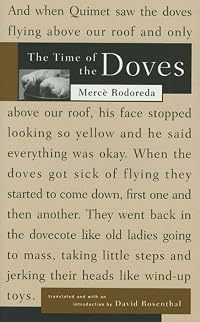
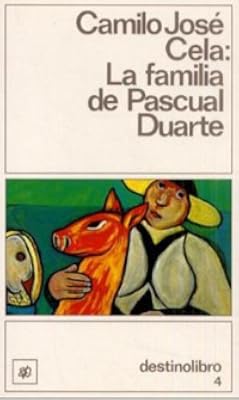


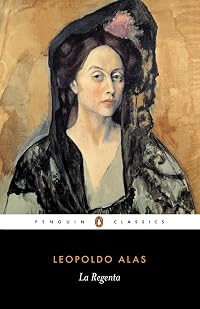





















Member Recommendations

thorold Young author, just after the war, claustrophobic atmosphere, homoerotic subtext...
Member Reviews
This semi-autobiographical bildungsroman, written in 1943 when the author was 22 years of age, is widely considered to be one of the best novels of the post-Spanish Civil War period. It was largely unknown in the English speaking world until Edith Grossman's translation of it was published in 2007. It won the inaugural Premio Nadal, one of the oldest and most prestigious Spanish literary prizes, in 1944, and it continues to be widely read more than 70 years after its initial publication.
The novel opens in Barcelona in 1939, shortly after the Civil War has ended, as Andrea, an 18 year old orphan from the country who has won a scholarship and a small stipend to the Universtat de Barcelona, arrives in the city. She intends to stay with her show more grandmother on Carrer d'Aribau in the city's well to do L'Eixample neighborhood, in a home that she remembers fondly from her stay there as a young child.
The Civil War has been devastating to the residents of Barcelona, including Andrea's grandmother and her family. What was once an opulent and spacious apartment is now one half of its original size, decaying and filthy, and filled with decrepit relics from her grandparents' former wealth. Andrea provides a powerful description of the main bathroom on the night of her arrival, as she prepares to take a shower:
That bathroom seemed like a witches' house. The stained walls had traces of hook-shaped hands, of screams of despair. Everywhere the scaling walls opened their toothless mouths, oozing dampness. Over the mirror, because it didn't fit anywhere else, they'd hung a macabre still life of pale bream and onions against a black background. Madness smiled from the bent faucets.
The sense of claustrophobia and inhospitality is intensified by Andrea's extended family, and their struggles with poverty and hunger. Her grandmother, once a proud and virile matriarch, is now a senile and frail old woman, who doesn't recognize Andrea at first, and she confuses her with Gloria, her beguiling but maddening daughter in law. Gloria is tormented by her abusive and domineering husband Juan, his musically talented but shady and mentally unstable brother Román, and their suffocatingly devout and controlling sister Angustias. The family members routinely engage in bitter and sometimes violent arguments, similar to the characters in Jean-Paul Sartre's existentialist play No Exit, and Andrea is frequently dragged into the middle of these heated battles.
Andrea finds respite from this house of horrors in her studies, and especially in the company of her classmate and best friend Ena, a beautiful girl from a merchant family whose wealth and social standing have not been adversely affected by the war. Their relationship is occasionally fractious, due to Andrea's diffidence and to Ena's desire to know more about her friend's family and particularly her uncle Román, who Ena is strangely attracted to.
As the novel proceeds, Andrea's sense of independence grows, while at the same time she recognizes that she needs intimacy and friendship as an essential balance to the chaos and increasingly disturbing behavior of her family and her best friend. However, she is caught in the middle of a contracting whirlwind surrounded by these characters, one that she has little control over and that threatens her own sanity.
Nada is a fascinating and superbly written novel about adolescence, despair and escape, set in a city under siege that is attempting to regain its footing and former glory after a crippling war. This insightful debut novel reminded me of Carson McCullers's first book The Heart Is a Lonely Hunter, and Laforet's effort is nearly as good as that masterpiece. show less
The novel opens in Barcelona in 1939, shortly after the Civil War has ended, as Andrea, an 18 year old orphan from the country who has won a scholarship and a small stipend to the Universtat de Barcelona, arrives in the city. She intends to stay with her show more grandmother on Carrer d'Aribau in the city's well to do L'Eixample neighborhood, in a home that she remembers fondly from her stay there as a young child.
The Civil War has been devastating to the residents of Barcelona, including Andrea's grandmother and her family. What was once an opulent and spacious apartment is now one half of its original size, decaying and filthy, and filled with decrepit relics from her grandparents' former wealth. Andrea provides a powerful description of the main bathroom on the night of her arrival, as she prepares to take a shower:
That bathroom seemed like a witches' house. The stained walls had traces of hook-shaped hands, of screams of despair. Everywhere the scaling walls opened their toothless mouths, oozing dampness. Over the mirror, because it didn't fit anywhere else, they'd hung a macabre still life of pale bream and onions against a black background. Madness smiled from the bent faucets.
The sense of claustrophobia and inhospitality is intensified by Andrea's extended family, and their struggles with poverty and hunger. Her grandmother, once a proud and virile matriarch, is now a senile and frail old woman, who doesn't recognize Andrea at first, and she confuses her with Gloria, her beguiling but maddening daughter in law. Gloria is tormented by her abusive and domineering husband Juan, his musically talented but shady and mentally unstable brother Román, and their suffocatingly devout and controlling sister Angustias. The family members routinely engage in bitter and sometimes violent arguments, similar to the characters in Jean-Paul Sartre's existentialist play No Exit, and Andrea is frequently dragged into the middle of these heated battles.
Andrea finds respite from this house of horrors in her studies, and especially in the company of her classmate and best friend Ena, a beautiful girl from a merchant family whose wealth and social standing have not been adversely affected by the war. Their relationship is occasionally fractious, due to Andrea's diffidence and to Ena's desire to know more about her friend's family and particularly her uncle Román, who Ena is strangely attracted to.
As the novel proceeds, Andrea's sense of independence grows, while at the same time she recognizes that she needs intimacy and friendship as an essential balance to the chaos and increasingly disturbing behavior of her family and her best friend. However, she is caught in the middle of a contracting whirlwind surrounded by these characters, one that she has little control over and that threatens her own sanity.
Nada is a fascinating and superbly written novel about adolescence, despair and escape, set in a city under siege that is attempting to regain its footing and former glory after a crippling war. This insightful debut novel reminded me of Carson McCullers's first book The Heart Is a Lonely Hunter, and Laforet's effort is nearly as good as that masterpiece. show less
Laforet's novel of post-Civil War Spain is as fresh and as compelling as it was when it won the Premio Nadal in 1944. Her main character, 18-year-old Andrea, exemplifies the romance, optimism and utter despair of being a teenager, starting off in college, housed with a half-crazed, impoverished family on the Calle de Aribau. Analogies to the economic and desperation in Spain after the war are inevitable, but the story rings with the truth of "having not" amongst classmates who have plenty and the agonies of youth as Andrea observes, weeps, roams through the memorable streets of Barcelona.
This is obviously the Spanish counterpart of The catcher in the rye, Bonjour tristesse, De avonden, and all the other great coming-of-age novels by young authors that came out in the aftermath of the Second World War. It's full of the energy and vitality of a young person frustrated with the mess that her parents’ generation has made of the world, but nonetheless confident that the future is out there for the taking. And unlike many of the other so-called coming-of-age novels, this one really deals explicitly with the difference between being a child and being an adult, and with what it feels like to be going through that process of change.
Where Laforet’s situation differs most strongly from most of her literary contemporaries is show more of course that she was writing in the Sleeping-Beauty state of Nationalist Spain, in a city where almost anything that she could want to say about the events of the last ten years would be construed by the censor as a political statement. As the title implies, this has to be a book that is constructed around what is not said: not so much Adorno’s famous silences, but active denials of what is and what has been. The word nada punches into the text frequently, and we see it coming because Laforet has given us a pretty strong hint to look out for it.
In the end, perhaps, you're not so sure what you've read. Is it a book celebrating the joys of motherhood and the reconstruction of respectable society and culture after the destruction of the war, or is it telling us that bourgeois art is dilettantism, and the process of creating something beautiful has to be dangerous and subversive? Is there really a homoerotic subtext, or did we just imagine it?
Very interesting, and a very necessary antidote to the over-romantic Barcelona of Carlos Ruiz Zafón. show less
Where Laforet’s situation differs most strongly from most of her literary contemporaries is show more of course that she was writing in the Sleeping-Beauty state of Nationalist Spain, in a city where almost anything that she could want to say about the events of the last ten years would be construed by the censor as a political statement. As the title implies, this has to be a book that is constructed around what is not said: not so much Adorno’s famous silences, but active denials of what is and what has been. The word nada punches into the text frequently, and we see it coming because Laforet has given us a pretty strong hint to look out for it.
In the end, perhaps, you're not so sure what you've read. Is it a book celebrating the joys of motherhood and the reconstruction of respectable society and culture after the destruction of the war, or is it telling us that bourgeois art is dilettantism, and the process of creating something beautiful has to be dangerous and subversive? Is there really a homoerotic subtext, or did we just imagine it?
Very interesting, and a very necessary antidote to the over-romantic Barcelona of Carlos Ruiz Zafón. show less
Laforet's novel of post-Civil War Spain is as fresh and as compelling as it was when it won the Premio Nadal in 1944. Her main character, 18-year-old Andrea, exemplifies the romance, optimism and utter despair of being a teenager, starting off in college, housed with a half-crazed, impoverished family on the Calle de Aribau. Analogies to the economic and desperation in Spain after the war are inevitable, but the story rings with the truth of "having not" amongst classmates who have plenty and the agonies of youth as Andrea observes, weeps, roams through the memorable streets of Barcelona.
‘Nada’ is an interesting counterpoint to [b:Call Me By Your Name|36336078|Call Me By Your Name (Call Me By Your Name, #1)|André Aciman|https://i.gr-assets.com/images/S/compressed.photo.goodreads.com/books/1519203520l/36336078._SY75_.jpg|1363157], the novel I read before it. Both are told in the first person by independent-minded young people aged 17-18. The narration is highly involving and deeply atmospheric in both. Yet otherwise they are utter opposites: in [b:Call Me By Your Name|36336078|Call Me By Your Name (Call Me By Your Name, #1)|André Aciman|https://i.gr-assets.com/images/S/compressed.photo.goodreads.com/books/1519203520l/36336078._SY75_.jpg|1363157] Elio has an intense love affair in a beautiful sunny rural show more environment. In ‘Nada’, Andrea has an intense friendship in a grim, dark, and squalid urban environment. Undoubtedly this makes ‘Nada’ the less pleasant read, but both are beautifully written and Andrea and Elio feel like potential kindred spirits, both protective of their emotions, studious, and much moved by music. It could just be that I instinctively seek linkages between books I’ve read adjacent to one another, regardless of how tenuous they might seem.
‘Nada’ begins with Andrea’s arrival in Barcelona to stay with her relatives in their crumbling flat. Her initial impression of the place is frightening and oppressive, which unfortunately turns out to be accurate. She begins her university studies and makes friends, whose privileged homes form a stark contrast to hers. The decomposing flat is shared with her grandmother, aunt, two uncles, the wife of one of the uncles, their baby, a cook, a dog, and cat. Violent arguments and upheavals occur constantly and no-one ever has any money. Andrea is always hungry and struggles to keep herself clean. The decay, chaos, and insularity of the apartment reminded me of [b:Gormenghast|258392|Gormenghast (Gormenghast, #2)|Mervyn Peake|https://i.gr-assets.com/images/S/compressed.photo.goodreads.com/books/1480786154l/258392._SY75_.jpg|3599885] in microcosm. Laforet evokes Andrea’s experience like an all-enveloping bad dream:
The family is literally and figuratively haunted by the legacy of the Spanish Civil War, a detail commented upon by Mario Vargas Llosa in his introduction.The reader hopes that Andrea’s horrible life will improve and she will break free of her profoundly dysfunctional family, yet before she can escape the doomed apartment there is a tragic and violent climax, as one of her uncles suddenly commits suicide. At the very end, however, her dear friend Ena rescues her. I found their reunion in the rain very moving and appreciated the importance of their friendship in the narrative. Despite the separation of social class, the two care very much for each other. ‘Nada’ is an unhappy yet beguiling little novel, with a claustrophobic setting that is hard to forget. (I often find myself using the word ‘beguiling’ to describe fiction, so am perhaps easily beguiled. Particularly by first person narratives with vividly described settings.) show less
‘Nada’ begins with Andrea’s arrival in Barcelona to stay with her relatives in their crumbling flat. Her initial impression of the place is frightening and oppressive, which unfortunately turns out to be accurate. She begins her university studies and makes friends, whose privileged homes form a stark contrast to hers. The decomposing flat is shared with her grandmother, aunt, two uncles, the wife of one of the uncles, their baby, a cook, a dog, and cat. Violent arguments and upheavals occur constantly and no-one ever has any money. Andrea is always hungry and struggles to keep herself clean. The decay, chaos, and insularity of the apartment reminded me of [b:Gormenghast|258392|Gormenghast (Gormenghast, #2)|Mervyn Peake|https://i.gr-assets.com/images/S/compressed.photo.goodreads.com/books/1480786154l/258392._SY75_.jpg|3599885] in microcosm. Laforet evokes Andrea’s experience like an all-enveloping bad dream:
I remember one night when there was a moon. My nerves were on edge after a day that had been too turbulent. When I got out of bed I saw in Augustias’ mirror my entire room was filled with the colour of grey silk, and in the middle of it, a long white shadow. I approached and the phantom approached with with me. At last I saw my own face in a blur above my linen nightgown. An old linen nightgown - made soft by the touch of time - weighed down with heavy lace, which my mother had worn many years before. It was unusual for me to stand looking at myself this way, almost without seeing myself, my eyes open. I raised my hand to touch my features, which seemed to run away from me, and what appeared were long fingers, paler than my face, tracing the line of eyebrows, nose cheeks conforming to my bone structure. In any case there I was, Andrea, living among the shadows and passions that surrounded me. Sometimes I doubted it.
The family is literally and figuratively haunted by the legacy of the Spanish Civil War, a detail commented upon by Mario Vargas Llosa in his introduction.
Incredibile.
Non riesco nemmeno a trovare le parole per descrivere questo libro... dovrebbe essere una lettura obbligatoria a tutti i ragazzi, non importa che paese.
Nada è un libro che parla di tante cose, femminilità, la famiglia, il Franquismo. Ma un argomento che non vedo mai essere toccato è quello della corruzione (nel senso fisico/biologico) di Andrea.
Orfana di entrambi i genitori, dopo la guerra civile Andrea va a Barcellona a casa dei suoi zii nella Calle Aribau. Il suo bagaglio pieno di sogni e speranze si dissolve non appena mette piede nel lugubre appartamento di sua nonna dove la attende una fredde e per certi versi raccapricciante accoglienza.
Una famiglia costernata da tristezza e miseria; costretti in un ciclo show more perpetuo di dolore. Andrea uscirà da questa esperienza estenuante cresciuta, si, ma con la consapevolezza che ''di calle Aribau, non mi è rimasto niente (nada)''.
Voto finale: 5 stelle show less
Non riesco nemmeno a trovare le parole per descrivere questo libro... dovrebbe essere una lettura obbligatoria a tutti i ragazzi, non importa che paese.
Nada è un libro che parla di tante cose, femminilità, la famiglia, il Franquismo. Ma un argomento che non vedo mai essere toccato è quello della corruzione (nel senso fisico/biologico) di Andrea.
Orfana di entrambi i genitori, dopo la guerra civile Andrea va a Barcellona a casa dei suoi zii nella Calle Aribau. Il suo bagaglio pieno di sogni e speranze si dissolve non appena mette piede nel lugubre appartamento di sua nonna dove la attende una fredde e per certi versi raccapricciante accoglienza.
Una famiglia costernata da tristezza e miseria; costretti in un ciclo show more perpetuo di dolore. Andrea uscirà da questa esperienza estenuante cresciuta, si, ma con la consapevolezza che ''di calle Aribau, non mi è rimasto niente (nada)''.
Voto finale: 5 stelle show less
Es un deleite personal incorporar a estas alturas una nueva obra a mi reducido grupo de novelas favoritas. Y, cuanto más, si se trata de literatura castellana pura, escrita por una jovencísima Carmen Laforet y galardonada con el Premio Nadal en 1944.
La ficción autobiográfica de Laforet, quien se esconde tras la figura de Andrea, una joven que arriba a la gótica Barcelona de la posguerra para vivir en casa de su abuela mientras estudia letras. Su entorno, en ese nuevo hogar, está alejado de la calma: además de la abuelita, convivirá con su tía Angustia, su tío Román, su tía Juan y la esposa de éste, Gloria. Las relaciones interpersonales son catastróficas y, en ocasiones, rozan la locura. La pobreza y el hambre se apropia show more de los cimientos de esta pequeña burguesía de la España de entonces, reflejando las terribles secuelas de la guerra.
La visión de la protagonista, con matices fríos y poco sentimentalismo, a pesar de lo angustiosas que llegan a ser sus situaciones, crea una narrativa nueva, moderna y muy diferente a la literatura de la época. Cabe destacar el complejo desarrollo de los hechos, la psicología trabajada, caótica y pulida de cada uno de los personajes. El manejo de las conversaciones, los monólogos y las descripciones de las diferentes acciones. Si bien todo gira entorno a Andrea, lo demás también tiene relevancia y belleza (u horror) en la historia.
El aspecto ennegrecido, aterrador, bohemio, gótico, esperpéntico de la realidad que se resiste a aceptar como suya, forman parte del cuadro que Andrea transmite a través de las páginas, cargadas de metáforas maravillosas, diálogos profundos y personajes inolvidables.
Y es que Ena se convierte en un pilar fundamental en la vida de la joven y, por lo tanto, es un pilar fundamental del argumento. Andrea y Ena congenian una amistad intensa, lo que la impulsará a ella (y al lector) a conocer otra nueva visión, más abierta, más alejada de la que se muestra en un primer momento, a la que se aferrará con fuerzas, con grandes ansias de superarse a sí misma. Resuelta a valerse por sus propios medios, la protagonista se abrirá paso a duras penas en una sociedad y en una familia que parece no tener hueco para ella. show less
La ficción autobiográfica de Laforet, quien se esconde tras la figura de Andrea, una joven que arriba a la gótica Barcelona de la posguerra para vivir en casa de su abuela mientras estudia letras. Su entorno, en ese nuevo hogar, está alejado de la calma: además de la abuelita, convivirá con su tía Angustia, su tío Román, su tía Juan y la esposa de éste, Gloria. Las relaciones interpersonales son catastróficas y, en ocasiones, rozan la locura. La pobreza y el hambre se apropia show more de los cimientos de esta pequeña burguesía de la España de entonces, reflejando las terribles secuelas de la guerra.
La visión de la protagonista, con matices fríos y poco sentimentalismo, a pesar de lo angustiosas que llegan a ser sus situaciones, crea una narrativa nueva, moderna y muy diferente a la literatura de la época. Cabe destacar el complejo desarrollo de los hechos, la psicología trabajada, caótica y pulida de cada uno de los personajes. El manejo de las conversaciones, los monólogos y las descripciones de las diferentes acciones. Si bien todo gira entorno a Andrea, lo demás también tiene relevancia y belleza (u horror) en la historia.
El aspecto ennegrecido, aterrador, bohemio, gótico, esperpéntico de la realidad que se resiste a aceptar como suya, forman parte del cuadro que Andrea transmite a través de las páginas, cargadas de metáforas maravillosas, diálogos profundos y personajes inolvidables.
Y es que Ena se convierte en un pilar fundamental en la vida de la joven y, por lo tanto, es un pilar fundamental del argumento. Andrea y Ena congenian una amistad intensa, lo que la impulsará a ella (y al lector) a conocer otra nueva visión, más abierta, más alejada de la que se muestra en un primer momento, a la que se aferrará con fuerzas, con grandes ansias de superarse a sí misma. Resuelta a valerse por sus propios medios, la protagonista se abrirá paso a duras penas en una sociedad y en una familia que parece no tener hueco para ella. show less
Members
- Recently Added By
Lists

1001 Books You Must Read Before You Die
1,448 works; 1,137 members

Best Friendship Stories
205 works; 16 members

Hidden Classics
73 works; 15 members

Las 100 Mejores Novelas en Castellano del Siglo XX
105 works; 13 members

Books Read in 2016
4,666 works; 199 members

Books Read in 2018
4,360 works; 110 members
Canon de la narrativa universal del s. XX (cicutadry)
499 works; 3 members

España en cien libros
100 works; 1 member
Author Information

30+ Works 1,975 Members
Some Editions
Awards and Honors
Awards
Distinctions
Notable Lists
Series
Belongs to Publisher Series
Common Knowledge
- Canonical title
- Nada
- Original title
- Nada
- Alternate titles
- Señorita Andrea; Andrea
- Original publication date
- 1945 (original Spanish) (original Spanish)
- People/Characters*
- Andrea
- Important places*
- Barcelona, Catalonië, Spanje
- Related movies
- Nada (1947 | IMDb); Graciela (1956 | IMDb)
- Epigraph
- Nada (fragment)
Sometimes a bitter taste,
A foul smell, a strange
Light, a discordant tone,
A disinterested touch
Come to our five senses
Like fixed realities
And they seem to us to be
The unexpect... (show all)ed truth...
Juan Ramón Jiménez - Dedication
- To my friends Linka Babecka de Borrell and the painter Pedro Borrell
- First words
- Because of last-minute difficulties in buying tickets, I arrived in Barcelona at midnight on a train different from the one I had announced, and nobody was waiting for me.
- Quotations
- I remember the first autumn nights and how they intensifed my first moments of disquiet in the house. And the winter nights, with their damp melancholy: the creak of a chair interrupting my sleep and the shudder of my nerves ... (show all)when I discovered two small shining eyes—the cat's eyes—fixed on mine. In those icy hours there were certain moments when life broke with all sense of modesty before my eyes and appeared naked, shouting sad intimacies, which for me were only horrifying. Intimacies that the morning took care to erase, as if they'd never existed. . . . Later came the summer nights. Sweet, dense Mediterranean nights over Barcelona, with golden juice flowing from the moon, with the damp odor of sea mymphs coming their watery hair over white shoulders, over the scales of golden tails. . . . On one of those hot nights, hunger, sadnes, and the power of my youth brought me to a swoon of feeling, a physical need for tenderness as avid and dusty as scorched earth with a presentiment of the storm.
- Last words*
- (Click to show. Warning: May contain spoilers.)Unos momentos después, la calle de Aribau y Barcelona entera quedaban detrás de mi.
- Blurbers*
- Vargas Llosa, Mario
- Original language
- Spanish
*Some information comes from Common Knowledge in other languages. Click "Edit" for more information.
Classifications
Statistics
- Members
- 1,687
- Popularity
- 13,272
- Reviews
- 57
- Rating
- (3.72)
- Languages
- 14 — Arabic, Catalan, Chinese, Dutch, English, French, German, Hungarian, Italian, Norwegian (Bokmål), Spanish, Swedish, Turkish, Portuguese (Portugal)
- Media
- Paper, Audiobook, Ebook
- ISBNs
- 81
- ASINs
- 18