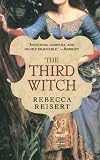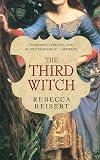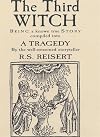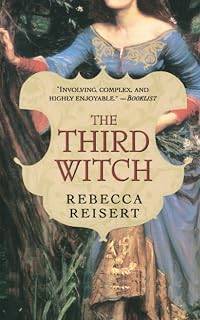
The Third Witch
by Rebecca Reisert
On This Page
Description
Reisert's mesmerizing first novel re-imagines Macbeth, Shakespeare's classic tragedy of power and madness, through the eyes of a mysterious young girl on a dangerous quest for vengeance.Tags
Recommendations
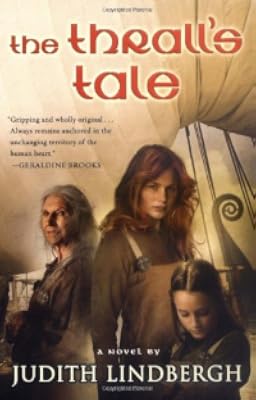
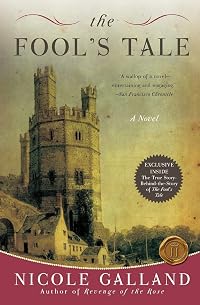
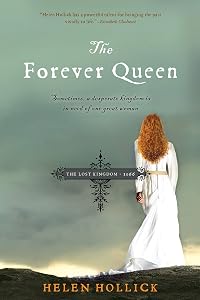
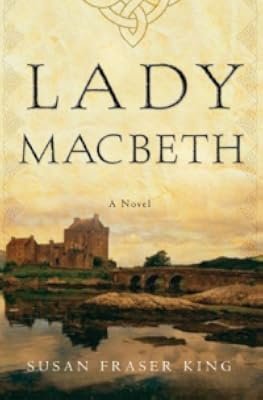

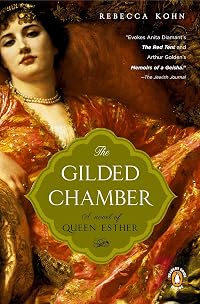
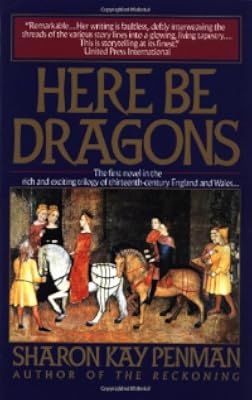
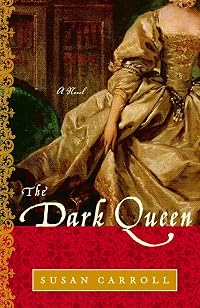
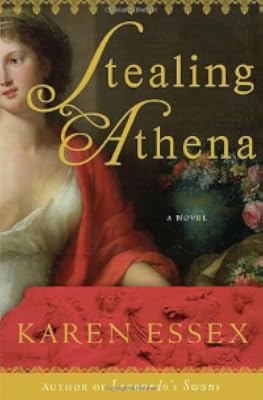
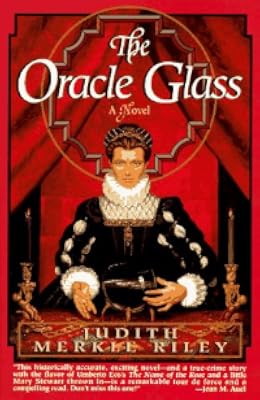
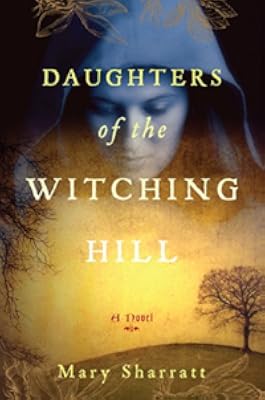
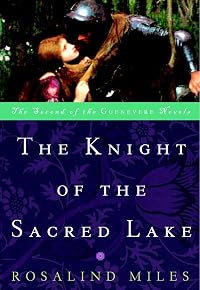
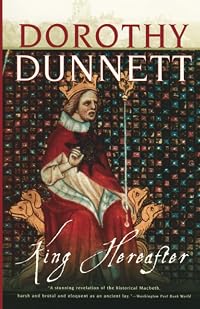
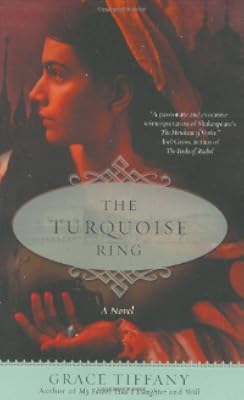


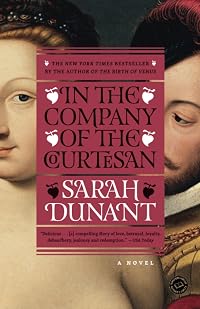
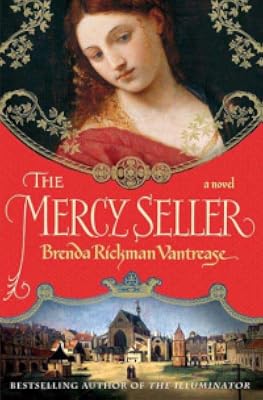
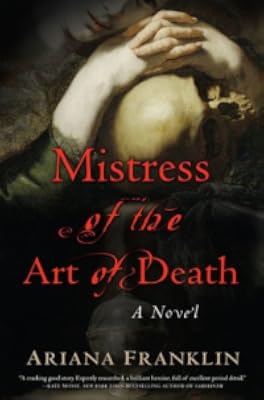
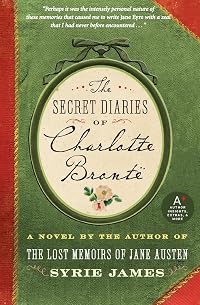
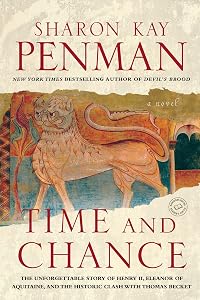

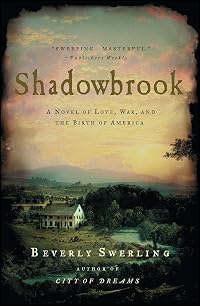

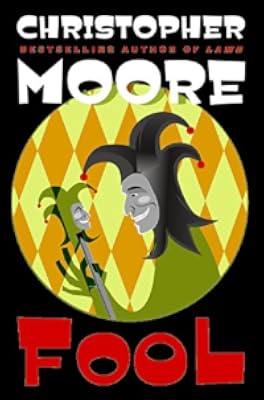
Member Recommendations
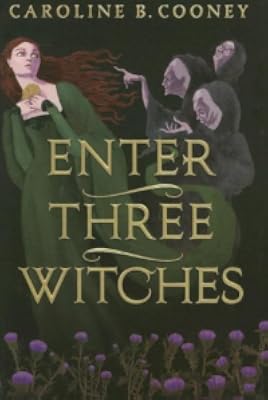
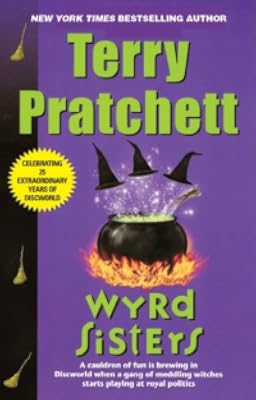
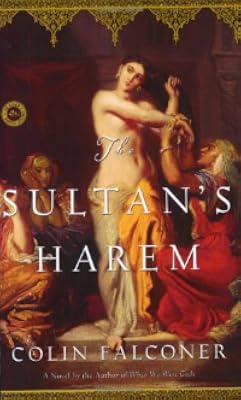
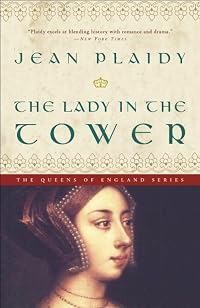
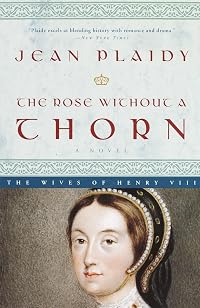
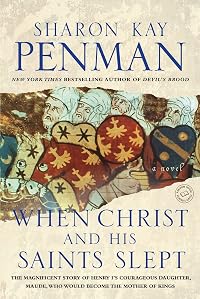
misstudorrose Another retelling of Macbeth from the perspective of a teenage girl who lives with the witches.
misstudorrose Another retelling of Macbeth from a teenage girl's perspective.
Member Reviews
I was intrigued to read this retelling of Shakespeare’s Macbeth told from the perspective of one of the three witches.
Having been rescued by Nettle and Mad Helga, Gilly has lived with the two women in Birnam Wood for seven years. She then decides it is time to take revenge against Him whom she considers responsible for destroying her entire family. (It does not take a genius to figure out that Him is Macbeth.) Disguised as a boy, Gilly gets a job in the castle kitchen, hoping she will find an opportunity to take vengeance. While some of the people she encounters (Pod and Lisette) are works of the author’s imagination, some are familiar from Shakespeare’s play: Fleance, Prince Malcolm, and the Macduff family. Despite her lowly show more position, Gilly witnesses most of the play’s most crucial events and even has an active part in others like the appearance of Banquo’s ghost.
I enjoyed the connections between the play and the novel. Sometimes actual dialogue from the play is incorporated into conversations. The language certainly evokes Shakespeare’s: “I am a gapeseed, a strutting hobbledee horse, full of fury and threats but able to do nothing but playact.” Some of the characters like Fleance are developed more than in the play. Lady Macbeth certainly emerges as a fully developed character with an interesting backstory. As in the play, blood imagery is used extensively: at one point Lady Macbeth “stands stiffly wrapped in that cloak stiff with blood.” I liked the explanation for the witches’ first prophecy that Him will become king, though the prophecies in Act IV are explained less credibly.
Gilly does not behave consistently. At the beginning she is obsessed with revenge; she keeps repeating that “My life is an arrow, and its target is his death.” Despite warnings from Nettle and Helga, she is determined to kill Him. It’s amazing that she has carried such passionate hatred for seven years. Then she flip flops and decides that killing Him is not important and then reverts to plotting his death once again. Some vacillating is not unexpected but multiple total reversals are unconvincing.
I did like the parallels between the avenging Gilly and her enemies. Nettle warns Gilly that it’s “’easier than anything – easier than breathing, easier even than death – to find that you yourself have become the very thing you hate most.’” And Gilly does admit that “My hunger for blood will burn out any thread of softness in my soul.” One time, she gets blood on her hands and she scrubs and scrubs, “determined to get my hands clean of every bit of blood” just as Lady Macbeth does in the play.
There is a lot of reliance on coincidence that requires readers to be credulous. A member of the kitchen staff which “occupies the next to lowest rank of servants in the castle” manages to befriend and assist noblemen and have contact with a king? More than once Gilly finds herself in a position to overhear revealing conversations? And the ending is a problem. The three options Gilly is given belong in a fairy tale.
In my 30-year teaching career, I taught Macbeth many times so I enjoyed reading this retelling. Though not without its shortcomings, it provides an interesting perspective on the events and suggests interesting discussion topics for students studying the play.
Note: Please check out my reader's blog (https://schatjesshelves.blogspot.com/) and follow me on Twitter (https://twitter.com/DCYakabuski). show less
Having been rescued by Nettle and Mad Helga, Gilly has lived with the two women in Birnam Wood for seven years. She then decides it is time to take revenge against Him whom she considers responsible for destroying her entire family. (It does not take a genius to figure out that Him is Macbeth.) Disguised as a boy, Gilly gets a job in the castle kitchen, hoping she will find an opportunity to take vengeance. While some of the people she encounters (Pod and Lisette) are works of the author’s imagination, some are familiar from Shakespeare’s play: Fleance, Prince Malcolm, and the Macduff family. Despite her lowly show more position, Gilly witnesses most of the play’s most crucial events and even has an active part in others like the appearance of Banquo’s ghost.
I enjoyed the connections between the play and the novel. Sometimes actual dialogue from the play is incorporated into conversations. The language certainly evokes Shakespeare’s: “I am a gapeseed, a strutting hobbledee horse, full of fury and threats but able to do nothing but playact.” Some of the characters like Fleance are developed more than in the play. Lady Macbeth certainly emerges as a fully developed character with an interesting backstory. As in the play, blood imagery is used extensively: at one point Lady Macbeth “stands stiffly wrapped in that cloak stiff with blood.” I liked the explanation for the witches’ first prophecy that Him will become king, though the prophecies in Act IV are explained less credibly.
Gilly does not behave consistently. At the beginning she is obsessed with revenge; she keeps repeating that “My life is an arrow, and its target is his death.” Despite warnings from Nettle and Helga, she is determined to kill Him. It’s amazing that she has carried such passionate hatred for seven years. Then she flip flops and decides that killing Him is not important and then reverts to plotting his death once again. Some vacillating is not unexpected but multiple total reversals are unconvincing.
I did like the parallels between the avenging Gilly and her enemies. Nettle warns Gilly that it’s “’easier than anything – easier than breathing, easier even than death – to find that you yourself have become the very thing you hate most.’” And Gilly does admit that “My hunger for blood will burn out any thread of softness in my soul.” One time, she gets blood on her hands and she scrubs and scrubs, “determined to get my hands clean of every bit of blood” just as Lady Macbeth does in the play.
There is a lot of reliance on coincidence that requires readers to be credulous. A member of the kitchen staff which “occupies the next to lowest rank of servants in the castle” manages to befriend and assist noblemen and have contact with a king? More than once Gilly finds herself in a position to overhear revealing conversations? And the ending is a problem. The three options Gilly is given belong in a fairy tale.
In my 30-year teaching career, I taught Macbeth many times so I enjoyed reading this retelling. Though not without its shortcomings, it provides an interesting perspective on the events and suggests interesting discussion topics for students studying the play.
Note: Please check out my reader's blog (https://schatjesshelves.blogspot.com/) and follow me on Twitter (https://twitter.com/DCYakabuski). show less
Overwritten in a gratingly earnest, faux-medieval high-fantasy kind of way. By the end I was contemplating a drinking game based on the number of times characters said "'Tis" and "'Twas." Other distinguishing features: long passages in italics and an insistence on referring to one character as He and Him. The plot is fine, but the way the book was written and the ever-increasing Mary-Sue-osity of the main character irritated me beyond belief.
Overwritten in a gratingly earnest, faux-medieval high-fantasy kind of way. By the end I was contemplating a drinking game based on the number of times characters said "'Tis" and "'Twas." Other distinguishing features: long passages in italics and an insistence on referring to one character as He and Him. The plot is fine, but the way the book was written and the ever-increasing Mary-Sue-osity of the main character irritated me beyond belief.
Ratings
Members
- Recently Added By
Lists

Witchy Fiction
253 works; 126 members
Author Information
3 Works 263 Members
Rebecca Reisert, the author of more than thirty plays, has taught high school English, acting, and creative writing for the past twenty-six years. She has directed four productions of "Macbeth". The recipient of two National Endowment for the Humanities fellowships, she teaches in Louisville, Kentucky, and directs a traveling improvisational show more theatre company. Reisert lives in Indiana. (Bowker Author Biography) show less
Awards and Honors
Notable Lists
Common Knowledge
- Canonical title
- The Third Witch
- Original publication date
- 2001
- People/Characters
- Macbeth; Lady Macbeth; Gilly (third witch); Nettle (first witch); Mad Helga (second witch)
- Important places
- Scotland, UK
Classifications
Statistics
- Members
- 249
- Popularity
- 130,436
- Reviews
- 3
- Rating
- (3.34)
- Languages
- English
- Media
- Paper, Ebook
- ISBNs
- 5
- ASINs
- 1