On This Page
Description
The island of Ithaka is overrun with uncouth suitors demanding that Penelope choose a new husband, as she patiently awaits the return of Odysseus from the Trojan War.Tags
Recommendations

























Member Recommendations

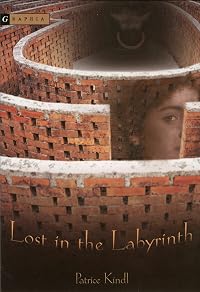
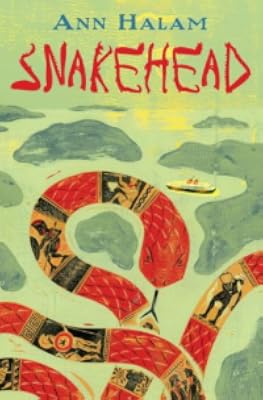
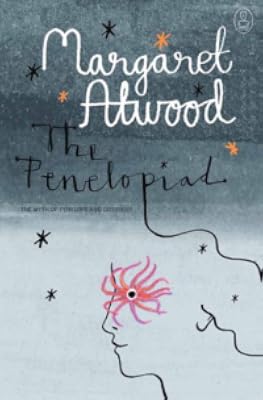
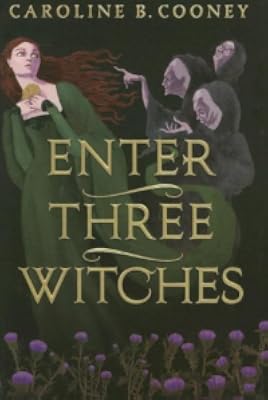
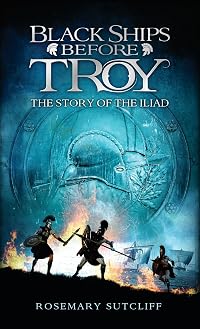
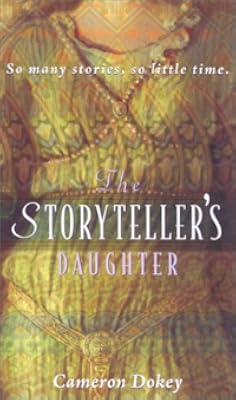
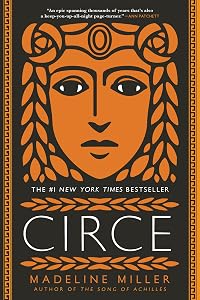
Ludi_Ling Two Greek tales - the Iliad and the Odyssey - told from the point of view of a young adult.
Member Reviews
"Many years have passed since the end of the Trojan War, and Penelope is still waiting for her husband, Odysseus, to return home. The city of Ithaka is overrun with uncouth suitors from the surrounding islands who are vying to win Penelope's hand in marriage, thereby gaining control of the land. When a naked, half-drowned man washes up on the beach, everything changes. . . .
Told through the eyes of Klymene, a young girl who is like a daughter to Penelope--and who longs for more than friendship from the young prince Telemachus--Ithaka captures the quiet strength and patience of a woman's enduring love for her husband and the ensuing chaos that threatens all as Penelope is pressured to remarry."
Okay, so I was pretty excited about this show more book. Ironically, I found out about it right around the same time that I was reintroduced to The Odyssey, so I figured that it must be some kind of sign, or something, and moved it to the top of my "to be read" pile. What a waste of my time.
I keep reading everywhere that it's a young adult book. I don't know why. Except for the fact that the print on the pages is really large (so three hundred something pages goes by like nothing), it doesn't look like a young adult book. I dunno. There's a lot wrong here.
I REALLY disliked how Geras obviously knows nothing about the intellects of different ages. Throughout the entire book, as Klymene grows, she acts like she's eight! I wouldn't have been surprised if she'd stomped her foot and demanded a lollipop.
I understand that Geras was trying to make her naïve, but seriously. There's a way to be eighteen and innocent.
I was SO annoyed by that!
I also disliked how Klymene had this random twin just thrown in there. And yes, he had the same problem of not acting his age, either. Ikarios's entire purpose is to die. Honestly. He doesn't do anything else. And you know what? His death makes Klymene sad--that's the only purpose it serves!
Okayyyy....
Then there's Telemachus. Good, maturing, Telemachus, right? The boy who becomes a man in The Odyssey?
HA!
Try whining, stomping, murdering, virginity-losing little mommy's boy.
WHAT has Geras done to him? He's so stupid and agitating in this book!
Klymene's little crush on him was completely unbelievable, as well. Reading this summary, you think that's it's going to turn into this big, passionate, romantic love.
Nope.
One day, she's obsessed with him (like some drooling, little fan girl at a concert), and the next day, she's like, "Telemachus who?"
That's probably the only thing I agree with Klymene on, though; who the hell would want to have a relationship with that guy???
Speaking of heroes who aren't heroic, Odysseus has no balls in this book. Sorry to be so blunt, but he's a big baby. He has no dimension, none of his famous cleverness, etc, etc...
He just kinda washes up (Wrong, by the way! The Phaeacians left him on Ithaka--which he's not supposed to recognize at first, either!) and stumbles around the whole time. O, and maybe I did the math wrong, but Odysseus is only gone for eighteen years in this book. Um. Excuse me. He was off for twenty, thank you very much!
If you're going to rip off The Odyssey, at least get the facts straight! For example, my BIGGEST pet peeve:
PENELOPE NEVER CHEATED ON ODYSSEUS
CASE
FRIGGIN
CLOSED!
How can you take the most loyal, steadfast character in literary history and corrupt them!? I undestand taking a more "human" standpoint, but that was RIDICULOUS!
Leodes, a minor, soothsayer suitor in the real book, is an old friend of Odysseus's here, does not have any real soothsaying abilities, and makes Penelope fall in love with him--so in love, in fact, that when Odysseus returns, she wishes he hadn't so she could go marry Leodes.
WHAT!?
NO!
In the real story, Leodes is cut down like a pathetic little rat; here, he dies the valiant, heroic death of a true man--and not because of Odysseus, either.
No one dies the way they did in the real book! Nothing is right!
Do NOT read this book if you have any respect for The Odyssey. Even if you don't, this book is poorly written, the characters are shallow and hollow, the story sags, there are obvious discrepencies in the plot, the romance is totally out of the blue and pathetic, and there's random, pointless "twists".
Ugh.
I will not be reading anything of Geras's again.
PS: This review is also an entry on my blog. show less
Told through the eyes of Klymene, a young girl who is like a daughter to Penelope--and who longs for more than friendship from the young prince Telemachus--Ithaka captures the quiet strength and patience of a woman's enduring love for her husband and the ensuing chaos that threatens all as Penelope is pressured to remarry."
Okay, so I was pretty excited about this show more book. Ironically, I found out about it right around the same time that I was reintroduced to The Odyssey, so I figured that it must be some kind of sign, or something, and moved it to the top of my "to be read" pile. What a waste of my time.
I keep reading everywhere that it's a young adult book. I don't know why. Except for the fact that the print on the pages is really large (so three hundred something pages goes by like nothing), it doesn't look like a young adult book. I dunno. There's a lot wrong here.
I REALLY disliked how Geras obviously knows nothing about the intellects of different ages. Throughout the entire book, as Klymene grows, she acts like she's eight! I wouldn't have been surprised if she'd stomped her foot and demanded a lollipop.
I understand that Geras was trying to make her naïve, but seriously. There's a way to be eighteen and innocent.
I was SO annoyed by that!
I also disliked how Klymene had this random twin just thrown in there. And yes, he had the same problem of not acting his age, either. Ikarios's entire purpose is to die. Honestly. He doesn't do anything else. And you know what? His death makes Klymene sad--that's the only purpose it serves!
Okayyyy....
Then there's Telemachus. Good, maturing, Telemachus, right? The boy who becomes a man in The Odyssey?
HA!
Try whining, stomping, murdering, virginity-losing little mommy's boy.
WHAT has Geras done to him? He's so stupid and agitating in this book!
Klymene's little crush on him was completely unbelievable, as well. Reading this summary, you think that's it's going to turn into this big, passionate, romantic love.
Nope.
One day, she's obsessed with him (like some drooling, little fan girl at a concert), and the next day, she's like, "Telemachus who?"
That's probably the only thing I agree with Klymene on, though; who the hell would want to have a relationship with that guy???
Speaking of heroes who aren't heroic, Odysseus has no balls in this book. Sorry to be so blunt, but he's a big baby. He has no dimension, none of his famous cleverness, etc, etc...
He just kinda washes up (Wrong, by the way! The Phaeacians left him on Ithaka--which he's not supposed to recognize at first, either!) and stumbles around the whole time. O, and maybe I did the math wrong, but Odysseus is only gone for eighteen years in this book. Um. Excuse me. He was off for twenty, thank you very much!
If you're going to rip off The Odyssey, at least get the facts straight! For example, my BIGGEST pet peeve:
PENELOPE NEVER CHEATED ON ODYSSEUS
CASE
FRIGGIN
CLOSED!
How can you take the most loyal, steadfast character in literary history and corrupt them!? I undestand taking a more "human" standpoint, but that was RIDICULOUS!
Leodes, a minor, soothsayer suitor in the real book, is an old friend of Odysseus's here, does not have any real soothsaying abilities, and makes Penelope fall in love with him--so in love, in fact, that when Odysseus returns, she wishes he hadn't so she could go marry Leodes.
WHAT!?
NO!
In the real story, Leodes is cut down like a pathetic little rat; here, he dies the valiant, heroic death of a true man--and not because of Odysseus, either.
No one dies the way they did in the real book! Nothing is right!
Do NOT read this book if you have any respect for The Odyssey. Even if you don't, this book is poorly written, the characters are shallow and hollow, the story sags, there are obvious discrepencies in the plot, the romance is totally out of the blue and pathetic, and there's random, pointless "twists".
Ugh.
I will not be reading anything of Geras's again.
PS: This review is also an entry on my blog. show less
A well written, thoughtful but entertaining book. Ithaka takes you back to the story of Odysseus' return from the point of view of a young girl from his household. It is both a coming of age tale and historical fiction, mixed with just enough supernatural to hold the reader. Well done!
In Ithaka the story of what is happening on Ithaca during Odysseus' ten year journey home is told from the perspective of Klymene, a servant that grows up with her twin brother Ikarios and Telemachus, the son of Odysseus and Penelope. There are lots of neat historical details, the readers gets to see the Gods interference, and there is action, adventure and romance. Glad I finally got to it.
When I was a teen, books like this were few and far between. As a Greek mythology obsessive, junior novels based on classical literature, legend and folklore were something I hungered for.
I was browsing through one of my local libraries when I came upon this standing on the shelf in the Young Adult section. A flood of fond memories came over me all at once. Odysseus and Penelope had been the favourite heroes of my childhood. Curiosity and nostalgia urged me to borrow the book and so I did.
I can only review this according to my own personal opinion, and my personal opinion is frankly in two minds about this book. Firstly, anyone well-versed in Greek mythology, and in the Odyssey in particular, will not find a great deal of accuracy in show more Ithaka. Purists will likely be irritated by many of its details, characterisations and plot points. I myself found some of it difficult to stomach, particularly Penelope's infidelity and Telemachus' peevishness. As a Greek mythology enthusiast, much of this book was grating.
On a more objective note, I cannot fault Adele Geras' writing style, which is perfectly pitched to the young adult, and manages not to dumb itself down. And I also commend her for bringing Greek mythology to the reading teenage masses. There are too few of these books around, and I would recommend it if you intend, at some point in the future, to read Homer's Odyssey itself.
So, on balance, I think it can safely be said that Ithaka is not for everyone. Discerning adults who are well-versed in Homer's original story will likely despise it. Youngsters interested in getting to know Greek mythology better will find this a worthy stepping stone to further readings in classical Greek literature. show less
I was browsing through one of my local libraries when I came upon this standing on the shelf in the Young Adult section. A flood of fond memories came over me all at once. Odysseus and Penelope had been the favourite heroes of my childhood. Curiosity and nostalgia urged me to borrow the book and so I did.
I can only review this according to my own personal opinion, and my personal opinion is frankly in two minds about this book. Firstly, anyone well-versed in Greek mythology, and in the Odyssey in particular, will not find a great deal of accuracy in show more Ithaka. Purists will likely be irritated by many of its details, characterisations and plot points. I myself found some of it difficult to stomach, particularly Penelope's infidelity and Telemachus' peevishness. As a Greek mythology enthusiast, much of this book was grating.
On a more objective note, I cannot fault Adele Geras' writing style, which is perfectly pitched to the young adult, and manages not to dumb itself down. And I also commend her for bringing Greek mythology to the reading teenage masses. There are too few of these books around, and I would recommend it if you intend, at some point in the future, to read Homer's Odyssey itself.
So, on balance, I think it can safely be said that Ithaka is not for everyone. Discerning adults who are well-versed in Homer's original story will likely despise it. Youngsters interested in getting to know Greek mythology better will find this a worthy stepping stone to further readings in classical Greek literature. show less
In Ithaka the story of what is happening on Ithaca during Odysseus' ten year journey home is told from the perspective of Klymene, a servant that grows up with her twin brother Ikarios and Telemachus, the son of Odysseus and Penelope. There are lots of neat historical details, the readers gets to see the Gods interference, and there is action, adventure and romance. Glad I finally got to it.
A pleasant enough read. Set on Ithaca during Odysseus's absence, and centred on Klymene, handmaid to Penelope. The framing of the story is a little odd, taking a human angle on the mythological story but retaining the active involvement of the gods (though only Klymene can see them). The tensions between characters such as wistful Klymene, grumpy Telemachus, disengaged and besotted Ikarios, and beautiful treacherous Melantho, are neatly if not deeply worked out, with a nod to the more animal instincts of the suitors. I do think the development of the plot and characters seems to take place over too short a timescale (or fails to develop sufficiently) given the many years assumed in the Odyssey. The tentative affair between Penelope and show more Leodes is a nice answer to the questions of whether the suitors were really all uniformly repellent, and whether Penelope could or would have hung out for Odysseus so long without giving in to temptation. (Those offended by the divergence from the narrative of the Odyssey would do well to remember that Homer is not writing history, but giving shape to a long folk tradition, and that the adaptation or subversion of myths was common in later Greek literature.)
MB 7-i-2017 show less
MB 7-i-2017 show less
in a sentence or two: faithful Penelope is waiting for Odysseus to come home after the trojan war (still waiting 16 years after...yeesh) and in the meantime, the palace is overrun by dirty, nasty, stinky, mean men who are determined to marry Penelope and become ruler of Ithaka.
i was really excited to see this title, especially after having read Troy and really liking it. i am personally intrigued by greek mythology and the stories about the trojan war, and having the ability to read them in young adult form is just perfecto for me.
Ithaka focuses mainly on Klymene and her interactions with the other characters - the main of whom are Penelope (Queen of Ithaka, Klyemene is her personal handmaid / honorary daughter), Ikarios (Klymene's twin show more brother), Telemachus (Son of Penelope and Oddyseus and first love of Klymene), Melantho (the newest handmaid to Penelope, and rather conniving and slutty actually), and then the suitors (the dozens of men living at the palace for like 6 months waiting for Penelope to choose one of them).
as with Troy, there is a casual incorporation of the gods from Olympus and they are only seen by some characters. this element helps keep the story flow to the nature of a greek myth nicely. the god's don't consistently intervene, which is nice, but when they do you get a glimpse of them and their intentions before they vanish.
the best way that i can think to describe Ithaka is that it's a multi-layer love story complete with betrayal, murder, sadness, and hope. i did feel like it got a little long, however, that may have been the attempt by the author to help portray the extreme waiting that Penelope did so faithfully (well, most of the time) for Odysseus and to help the reader realize just how long and unpleasant the icky suitors made time at the palace for everyone in the meantime.
i couldn't help feeling like some of the characters were more shallow than i'd hoped for. while i really dug Klymene as a caring, devoted, and genuine person, i was let down by Telemachus, completely forgot about Ikarios at times, and felt that while Melantho provided a solid element of bitchyness that was necessary for the twists in the story, that she was a pretty underdeveloped character herself. i felt like they had to be deeper than they were portrayed, and that really bugged me.
overall, i appreciated the take on the flip side of the Odyssey from the palace point of view, and particularly from Kylemene's perspective. similiar to Troy in that the main characters are part of the palace life, Geras paints a vivid picture of that life and the surrounding landscape of the island of Ithaka and at times i really did see what she was describing. the story doesn't end perfectly, which is refreshing, and there are some serious heartaches along the way. Geras deals with first loves, doubt, and hope in an interesting and serious way.
fave quotes: "'Sorrow', said Odysseus, 'has to be borne, or we might as well die on our way out of our mothers' wombs. Life is threaded through with it, but you must face it and grieve and carry on if you're to be a real man. It's easier to do that when you've got your family around you. When you're in your own house. Home...that's the best that we can hope for this side of Hades, and it's worth fighting and even dying for. Ithaka is worth every bit of agony I've gone through to get here.'" (299)
"The only answer was a shrug, and Klymene sighed. She was used to the way men sometimes behaved, but it was exhausting. The wouldn't ever admit, straight out, what was wrong, but waited for the thing - whatever it was that was bothering them - to be drawn out slowly like a thorn from an animal's paw. You had to ask questions. They had to be the right questions. You had to guess and cajole and tease the pain out of them, and it could be a tedious business." (319) - a good example of Klymene's character also.
fix er up: i really wanted deeper character development from others besides Klymene! show less
i was really excited to see this title, especially after having read Troy and really liking it. i am personally intrigued by greek mythology and the stories about the trojan war, and having the ability to read them in young adult form is just perfecto for me.
Ithaka focuses mainly on Klymene and her interactions with the other characters - the main of whom are Penelope (Queen of Ithaka, Klyemene is her personal handmaid / honorary daughter), Ikarios (Klymene's twin show more brother), Telemachus (Son of Penelope and Oddyseus and first love of Klymene), Melantho (the newest handmaid to Penelope, and rather conniving and slutty actually), and then the suitors (the dozens of men living at the palace for like 6 months waiting for Penelope to choose one of them).
as with Troy, there is a casual incorporation of the gods from Olympus and they are only seen by some characters. this element helps keep the story flow to the nature of a greek myth nicely. the god's don't consistently intervene, which is nice, but when they do you get a glimpse of them and their intentions before they vanish.
the best way that i can think to describe Ithaka is that it's a multi-layer love story complete with betrayal, murder, sadness, and hope. i did feel like it got a little long, however, that may have been the attempt by the author to help portray the extreme waiting that Penelope did so faithfully (well, most of the time) for Odysseus and to help the reader realize just how long and unpleasant the icky suitors made time at the palace for everyone in the meantime.
i couldn't help feeling like some of the characters were more shallow than i'd hoped for. while i really dug Klymene as a caring, devoted, and genuine person, i was let down by Telemachus, completely forgot about Ikarios at times, and felt that while Melantho provided a solid element of bitchyness that was necessary for the twists in the story, that she was a pretty underdeveloped character herself. i felt like they had to be deeper than they were portrayed, and that really bugged me.
overall, i appreciated the take on the flip side of the Odyssey from the palace point of view, and particularly from Kylemene's perspective. similiar to Troy in that the main characters are part of the palace life, Geras paints a vivid picture of that life and the surrounding landscape of the island of Ithaka and at times i really did see what she was describing. the story doesn't end perfectly, which is refreshing, and there are some serious heartaches along the way. Geras deals with first loves, doubt, and hope in an interesting and serious way.
fave quotes: "'Sorrow', said Odysseus, 'has to be borne, or we might as well die on our way out of our mothers' wombs. Life is threaded through with it, but you must face it and grieve and carry on if you're to be a real man. It's easier to do that when you've got your family around you. When you're in your own house. Home...that's the best that we can hope for this side of Hades, and it's worth fighting and even dying for. Ithaka is worth every bit of agony I've gone through to get here.'" (299)
"The only answer was a shrug, and Klymene sighed. She was used to the way men sometimes behaved, but it was exhausting. The wouldn't ever admit, straight out, what was wrong, but waited for the thing - whatever it was that was bothering them - to be drawn out slowly like a thorn from an animal's paw. You had to ask questions. They had to be the right questions. You had to guess and cajole and tease the pain out of them, and it could be a tedious business." (319) - a good example of Klymene's character also.
fix er up: i really wanted deeper character development from others besides Klymene! show less
Members
- Recently Added By
Lists

The wanderings of Odysseus
61 works; 6 members

Greece - a reading list
83 works; 4 members
Author Information

Some Editions
Awards and Honors
Awards
Series

Work Relationships
Was inspired by
The Odyssey by Homer
Common Knowledge
- Original publication date
- 2005
- People/Characters
- Klymene; Ikarios; Eurykleia "Nana"; Argos (dog); Odysseus; Penelope (show all 13); Telemachus; Mydon; Melantho; Leodes; Antinous; Aphrodite (deity); Athene (deity)
- Important places
- Ithaca, Greece
- First words
- Odysseus and his wife, Penelope, and their baby, Telemachus, are sitting on a woolen coverlet spread out in the shade of a pomegranate tree.
- Last words
- (Click to show. Warning: May contain spoilers.)Mydon took Klymene's hand, and they began to walk along the sand with the water ebbing and flowing over their feet.
Classifications
- Genres
- Fiction and Literature, Teen, Young Adult
- DDC/MDS
- 823.914 — Literature & rhetoric English & Old English literatures English fiction 1900- 1901-1999 1945-1999
- LCC
- PZ7 .G29354 .I — Language and Literature Fiction and juvenile belles lettres Fiction and juvenile belles lettres Juvenile belles lettres
- BISAC
Statistics
- Members
- 341
- Popularity
- 93,300
- Reviews
- 11
- Rating
- (3.56)
- Languages
- English
- Media
- Paper, Ebook
- ISBNs
- 8
- ASINs
- 4