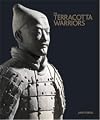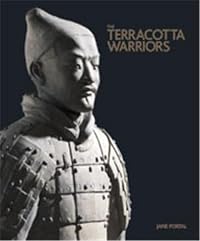
The Terracotta Warriors
by Jane Portal
On This Page
Description
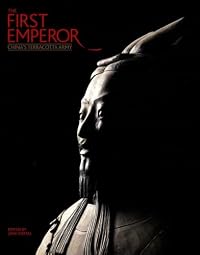
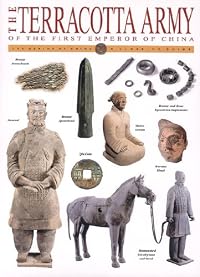
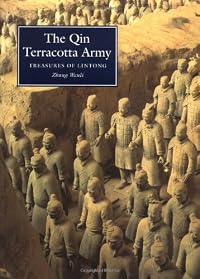
The Terracotta Army of Qin Shihuangdi, the First Emperor of China, is one of the most spectacular and best-known finds in world archaeology. It was discovered by surprise in 1974 by peasants digging a well an 8,000-man garrison in battle-ready formation, spread across four pits. Here were life-size warriors made over two thousand years ago from fired clay (originally brightly painted), carrying real weapons: cavalry, archers and infantry; lowly foot soldiers and high-ranking officers; horses show more and war chariots. But who was this powerful Emperor of the Qin Dynasty who needed an army to guard him in the afterlife? How were the figures made? How could they have been manufactured on such a vast scale? The astonishing facts behind the figures are revealed in this little books fascinating introduction. Individual pieces are then examined in detail to illustrate the amazing nature of the Terracotta Army. Not only are there figures of different ranks and units, but each head is unique: every racial group in China seems to be represented; facial expressions and hairstyles vary; ages and characters are different. Atmospheric photography and extended captions bring the Army to life and make this book a perfect introduction to what has often been described as the eighth Wonder of the World. show lessTags
Recommendations



















Member Reviews
In 1974, Chinese farmers digging a well near the known site of the tomb of Qin Shi Huang (260-210 B.C.), the first emperor of China, found a pit which contained thousands of terra cotta soldiers. Chinese archaeologists later excavated several more pits and found other figures including chariots with horses, officials, musicians, entertainers and even birds. These figures were mass produced and painted, then placed in the underground temple areas to protect and entertain the emperor in his afterlife. Contemporary accounts do describe the tomb and complex but do not mention the warriors.
In March of 2010, the National Geographic Society brought an exhibit of the warriors to Washington and this book is the companion to that event. After a show more short history of the emperor’s life and descriptions of the various pits associated with the tomb, author Jane Portal describes the warriors in detail including theories of construction. Unfortunately the paint applied after the figures were cast deteriorated when exposed to the air so the figures appear gray with a bit of color here and there. And many of the figures are missing the weapons they carried. The warriors and other figures are life sized and extremely detailed. There are different facial features and hairstyles which are described and illustrated with excellent photographs. Especially interesting is the bronze bird along with a terra cotta musician found in another pit.
In addition to photographs and the history, Portal lists a bibliography of English language sources for those who want to find out more about the subject. For those in the West who missed the traveling exhibit from China and who are unable to travel to China to see the warriors in Xi’an, this book will showcase the majesty of these figures. And the story is not ended. Chinese archaeologists still have not excavated the tomb of the emperor and there are other sites of interest in the burial complex. Who knows what exciting relics they will find in the coming years show less
In March of 2010, the National Geographic Society brought an exhibit of the warriors to Washington and this book is the companion to that event. After a show more short history of the emperor’s life and descriptions of the various pits associated with the tomb, author Jane Portal describes the warriors in detail including theories of construction. Unfortunately the paint applied after the figures were cast deteriorated when exposed to the air so the figures appear gray with a bit of color here and there. And many of the figures are missing the weapons they carried. The warriors and other figures are life sized and extremely detailed. There are different facial features and hairstyles which are described and illustrated with excellent photographs. Especially interesting is the bronze bird along with a terra cotta musician found in another pit.
In addition to photographs and the history, Portal lists a bibliography of English language sources for those who want to find out more about the subject. For those in the West who missed the traveling exhibit from China and who are unable to travel to China to see the warriors in Xi’an, this book will showcase the majesty of these figures. And the story is not ended. Chinese archaeologists still have not excavated the tomb of the emperor and there are other sites of interest in the burial complex. Who knows what exciting relics they will find in the coming years show less
Guardians of China's First Emperor Official companion to the exhibition
Excavated Chinese sculpture
Ratings
Members
- Recently Added By
Author Information

6 Works 433 Members
Jane Portal is a senior curator at the British Museum, with responsibility for the Chinese and Korean collections.
Common Knowledge
- Important places
- China
- Important events
- Qin Dynasty (221 BCE | 206 BCE)
Classifications
- Genres
- Nonfiction, Art & Design, History, Anthropology, General Nonfiction
- DDC/MDS
- 732.71 — Arts & recreation Sculpture, ceramics & metalwork Sculpture from earliest times to ca. 500, sculpture of nonliterate peoples
- LCC
- DS747.9 .Q254 .P67 — History of Europe, Asia, Africa and Oceania Asia History of Asia China History
- BISAC
Statistics
- Members
- 155
- Popularity
- 210,612
- Reviews
- 3
- Rating
- (4.20)
- Languages
- English
- Media
- Paper
- ISBNs
- 2