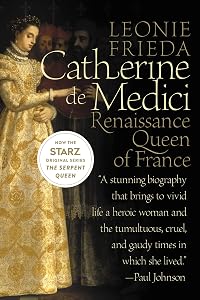
Catherine de Medici: Renaissance Queen of France
by Leonie Frieda
On This Page
Description
Poisoner, despot, necromancer -- the dark legend of Catherine de Medici is centuries old. In this critically hailed biography, Leonie Frieda reclaims the story of this unjustly maligned queen to reveal a skilled ruler battling extraordinary political and personal odds -- from a troubled childhood in Florence to her marriage to Henry, son of King Francis I of France; from her transformation of French culture to her fight to protect her throne and her sons' birthright. Based on thousands of show more private letters, it is a remarkable account of one of the most influential women ever to wear a crown. show lessTags
Recommendations











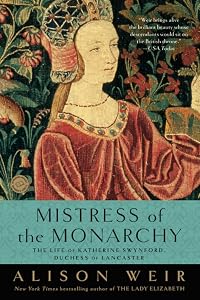





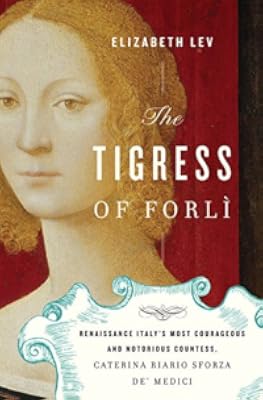

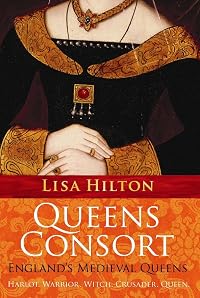







Member Recommendations

Member Reviews
It's hard to like this woman. Admire, her, yes, fear her, definitely, but she is not necessarily in the likeable" category. The author does an incredible job, though, into historical research: Catherine's early life was full of pomp and glory, and when she was found marriageable to the Dauphin, later Henri II, she is very well portrayed as a scared, uncertain young woman. Her marital relations are not helped by the fact that she cannot conceive (shades of Marie Antoinette and Louis XIV), nor that Henri II still has active relations with his mistress, Diane de Poitiers. She is in the court of Francois I, and his various adventures, including turning two of his sons over as hostages to live as prisoners in several regions of Spain, are show more very well detailed.
Leonie Frieda does an excellent job of bringing the times and main influences in Catherine's life to the printed page. There are endnotes as well as asterisks that detail some immediate knowledge. Ms. Frieda discusses some of the rumors of the time (did Catherine really create a peephole in the floor of her bedroom to find out what her husband and his mistress were doing? Was the St. Bartholomew's Day massacre really as bloody as thought, and how much did Catherine have to do with it?) and where their truths really lie. Catherine de Medici was a very, very powerful woman brought up to be her husband's Queen. When that plan falls, she creates a Plan B that includes a mistress, 10 pregnancies, and later her husband's gruesome death. Her ability to rule through her sons, since being able to rule in her own right was denied her, was remarkable for its time.
The conclusion of this book states that one cannot judge her by the morals and standards of the 21st century, and discusses her faults and her blinders. Which is all fair and good judgment; it is simply hard to fathom the mind-set that allows the planned assassination of one's religious rivals, now in modern Western civilization. But in wartime, which encompassed much of "her" reign, many niceties go out the window such as the respect for human life. And in so many ways, our culture of dangerous "war zones" in US cities is a bit of a reflection on the Renaissance; how she managed to live past her husband's death and arrange for the next kings of France is a tribute. Would I have liked her? Probably not. Would I have shared a glass of wine and some delicious dessert with her, to discuss art and spectacles and the needs of a ruler? You bet your sweet bippie I would. show less
Leonie Frieda does an excellent job of bringing the times and main influences in Catherine's life to the printed page. There are endnotes as well as asterisks that detail some immediate knowledge. Ms. Frieda discusses some of the rumors of the time (did Catherine really create a peephole in the floor of her bedroom to find out what her husband and his mistress were doing? Was the St. Bartholomew's Day massacre really as bloody as thought, and how much did Catherine have to do with it?) and where their truths really lie. Catherine de Medici was a very, very powerful woman brought up to be her husband's Queen. When that plan falls, she creates a Plan B that includes a mistress, 10 pregnancies, and later her husband's gruesome death. Her ability to rule through her sons, since being able to rule in her own right was denied her, was remarkable for its time.
The conclusion of this book states that one cannot judge her by the morals and standards of the 21st century, and discusses her faults and her blinders. Which is all fair and good judgment; it is simply hard to fathom the mind-set that allows the planned assassination of one's religious rivals, now in modern Western civilization. But in wartime, which encompassed much of "her" reign, many niceties go out the window such as the respect for human life. And in so many ways, our culture of dangerous "war zones" in US cities is a bit of a reflection on the Renaissance; how she managed to live past her husband's death and arrange for the next kings of France is a tribute. Would I have liked her? Probably not. Would I have shared a glass of wine and some delicious dessert with her, to discuss art and spectacles and the needs of a ruler? You bet your sweet bippie I would. show less
no mother in history has done more to prom ote her children at whatever cost to herself, themselves & their times'
By sally tarbox on 24 Nov. 2011
Format: Paperback
Brilliantly researched yet always readable biography, Frieda takes us from Catherine's inauspicious start as 'orphan of Florence' to a marriage where she always played second fiddle to her husband's mistress, Diane de Poitiers.
The story really takes off after Catherine becomes a widow comparatively early. With the heir still a child, Catherine assumes regency...and from then on her life seems to be composed largely of coping with the endless and complex discord of 16th century Europe. Wars between principalities; the lead up to (and horrible consequences of) the Wars of show more Religion; efforts to keep the papacy on side; dynastic marriages; political factions and towards the end her sons (an unpromising lot) plotting against each other. Frieda's skill here lies in keeping it all (relatively) comprehensible and readable.
I was left feeling that Catherine was a most pragmatic and unsentimental woman; notably when she sent her daughter Margot to her marital chamber as the St Bartholomew's Day Massacre was beginning ('My mother replied that, God willing, I would come to no harm, but in any case I must go for fear of wakening their suspicions') and yet in her impossible situation could she have done much better?
Very interesting read show less
By sally tarbox on 24 Nov. 2011
Format: Paperback
Brilliantly researched yet always readable biography, Frieda takes us from Catherine's inauspicious start as 'orphan of Florence' to a marriage where she always played second fiddle to her husband's mistress, Diane de Poitiers.
The story really takes off after Catherine becomes a widow comparatively early. With the heir still a child, Catherine assumes regency...and from then on her life seems to be composed largely of coping with the endless and complex discord of 16th century Europe. Wars between principalities; the lead up to (and horrible consequences of) the Wars of show more Religion; efforts to keep the papacy on side; dynastic marriages; political factions and towards the end her sons (an unpromising lot) plotting against each other. Frieda's skill here lies in keeping it all (relatively) comprehensible and readable.
I was left feeling that Catherine was a most pragmatic and unsentimental woman; notably when she sent her daughter Margot to her marital chamber as the St Bartholomew's Day Massacre was beginning ('My mother replied that, God willing, I would come to no harm, but in any case I must go for fear of wakening their suspicions') and yet in her impossible situation could she have done much better?
Very interesting read show less
One thing I can say after reading this - Catherine had seen a LOT of shit. Like so many women in her time - and before that time, and after that time - she was seen as a power-hungry bitch, and so on and so forth. Any history buff is well aware how women with power often got the shaft in history due to a patriarchal/macho mind-set.
I do not claim that Catherine did nothing wrong. Back then, sometimes you just had to stab someone in the back or get stabbed yourself, or have to do something questionable to satisfy the political majority. I do not envy Catherine or her life, but this was nonetheless a fascinating biography with plenty of history factoids which should please any history/biography buff.
I do not claim that Catherine did nothing wrong. Back then, sometimes you just had to stab someone in the back or get stabbed yourself, or have to do something questionable to satisfy the political majority. I do not envy Catherine or her life, but this was nonetheless a fascinating biography with plenty of history factoids which should please any history/biography buff.
An immensely readable biography of a woman who has an apparently unshakeable bad reputation in French history. Catherine emerges from this biography as a tough, practical political animal with some huge blindspots regarding both her opponents and her own family.
3.75 stars
In the 16th century, Catherine de Medici came to France from Italy to marry the future king of France, Henri II. She loved him, but had to share him with a mistress, the woman he loved, Diane de Poitiers. Over the years, Catherine and Henri had ten children and Catherine outlived all except two of them. Three of her sons became kings of France, and Catherine was always there to help them rule. There were a number of religious wars in France over the years she ruled.
I’ve only read a little bit of fiction about Catherine (this is nonfiction). It was good. Being nonfiction, though, there were dry parts to it, but there were plenty of interesting things going on, as well. It’s funny, from the fiction I read, I remember the show more rivalry between Catherine and Diane more than anything else, yet she is apparently best remembered for her part in a massacre pitting Protestants against Catholics (which I don’t recall from the fiction at all, though it must have been there!). I did feel particularly bad for her when Henri was alive and she had Diane de Poitiers to contend with, but she did have a ruthless side, particularly when it came to protecting the crown for her sons. show less
In the 16th century, Catherine de Medici came to France from Italy to marry the future king of France, Henri II. She loved him, but had to share him with a mistress, the woman he loved, Diane de Poitiers. Over the years, Catherine and Henri had ten children and Catherine outlived all except two of them. Three of her sons became kings of France, and Catherine was always there to help them rule. There were a number of religious wars in France over the years she ruled.
I’ve only read a little bit of fiction about Catherine (this is nonfiction). It was good. Being nonfiction, though, there were dry parts to it, but there were plenty of interesting things going on, as well. It’s funny, from the fiction I read, I remember the show more rivalry between Catherine and Diane more than anything else, yet she is apparently best remembered for her part in a massacre pitting Protestants against Catholics (which I don’t recall from the fiction at all, though it must have been there!). I did feel particularly bad for her when Henri was alive and she had Diane de Poitiers to contend with, but she did have a ruthless side, particularly when it came to protecting the crown for her sons. show less
A fascinating look at the life of one of France's most infamous queens, Catherine de Medici. Catherine has long been the subject of much debate: was she involved in witchcraft, poison, murder, etc. Leonie Frieda attempts to bring this queen from the shadows and into the light, laying to rest any of your preconceived notions about her. In this work, she separates fact from fiction. To read the life of Catherine is to read the history of France. In this regard, the book can become a bit dry, but the way Catherine wove herself tightly into the reigns of her two sons is nothing less than intriguing. Recommended reading.
This is a lively, readable biography of Catherine de Medici. Catherine was queen of France following her marriage to Henri II. When he died, she had five small children (five others having died in childbirth or early childhood). She struggled to keep the throne for her children, becoming an expert in political manoeurvings and intrigue.
Catherine has been criticized by many as evil and power-hungry. She has also been praised for her courage and cunning. I think she did an amazing job as Queen Mother. She was blinded to her children's faults like so many mothers, and she was unable to deal effectively with religous conflicts, waffling between accommodation and conflict. Yet she was also extremely astute and focussed on the needs of her show more family, and her country. Like politicians of today, she had both strengths and weaknesses.
Leoni Frieda maintains a good sense of perspective and neutrality. Her research is well documented and provides a lot of information not only about Catherine, but about the times she lived in. show less
Catherine has been criticized by many as evil and power-hungry. She has also been praised for her courage and cunning. I think she did an amazing job as Queen Mother. She was blinded to her children's faults like so many mothers, and she was unable to deal effectively with religous conflicts, waffling between accommodation and conflict. Yet she was also extremely astute and focussed on the needs of her show more family, and her country. Like politicians of today, she had both strengths and weaknesses.
Leoni Frieda maintains a good sense of perspective and neutrality. Her research is well documented and provides a lot of information not only about Catherine, but about the times she lived in. show less
Members
- Recently Added By
Author Information

4 Works 1,335 Members
Swedish by birth and educated in Britain, Germany, and France, Leonie Frieda speaks five languages. Her research on Catherine de Medici has taken her to Paris, Florence, and Rome, as well as the chateaux of the Loire
Common Knowledge
- Original publication date
- 2002
- People/Characters
- Catherine de Medici; Henri II, King of France; Diane de Poitiers, Duchess of Valentinois (1499-1566); François II, King of France; Henri III, King of France; Charles IX, King of France (show all 14); François-Hercule, Duke of Anjou and Alençon; Marguerite de Valois (1553-1615); Henri IV, King of France; Anne de Montmorency, Constable of France; François I, King of France; Henry I, Duke de Guise, Le Balafre; Madeleine de La Tour d'Auvergne, Duchess of Urbino; Lorenzo di Piero de' Medici, Duke of Urbino
- Important places
- France; Paris, France
- Related movies
- The Serpent Queen (2022 | IMDb)
- Dedication
- For Lil' and Jake with love
- First words
- On the late afternoon of Friday, 30 June 1559 a long splinter of wood from a jousting lance pierced the eye and brain of King Henry II of France.
Classifications
- Genres
- History, Nonfiction, Biography & Memoir, General Nonfiction
- DDC/MDS
- 944.028 — History & geography History of Europe France and Monaco France Capet and Valois 987-1589 Francis I 1515-47; Henry II 1547-59 ; XVIth Century
- LCC
- DC119.8 .F74 — History of Europe, Asia, Africa and Oceania France – Andorra – Monaco History of France Modern, 1515- 1515-1589. 16th century
- BISAC
Statistics
- Members
- 1,029
- Popularity
- 25,343
- Reviews
- 27
- Rating
- (3.69)
- Languages
- 5 — Dutch, English, Spanish, Swedish, Portuguese (Portugal)
- Media
- Paper, Audiobook, Ebook
- ISBNs
- 18
- ASINs
- 12