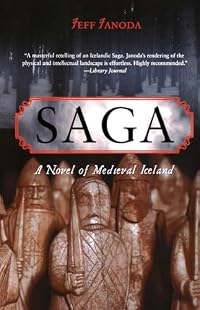
Saga: A Novel of Medieval Iceland
by Jeff Janoda
On This Page
Description
This retelling of the ancient Saga of the People of Eyri is a modern classic. Absolutely gripping and compulsively readable, Booklist said this book, ""does what good historical fiction is supposed to do: put a face on history that is recognizable to all."" And medieval expert Tom Shippey, writing for the Times Literary Supplement said, ""Sagas look like novels superficially, in their size and layout and plain language, but making their narratives into novels is a trick which has proved show more beyond most who have tried it. Janoda's Saga provides a model of how to do it: p show lessTags
Recommendations


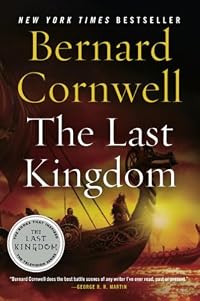
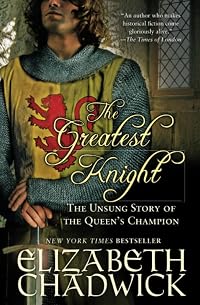
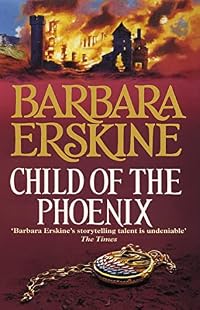
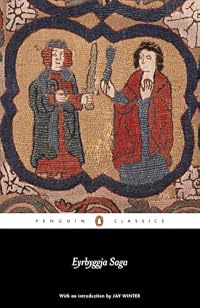
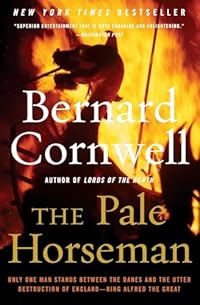
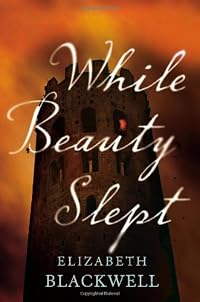
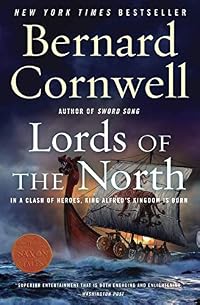

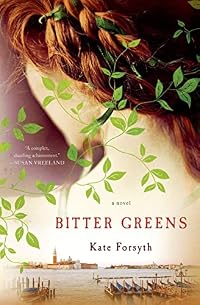

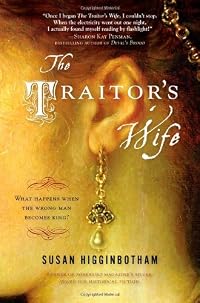
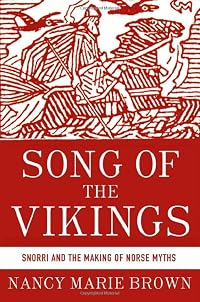

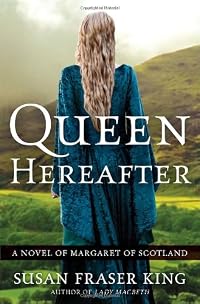

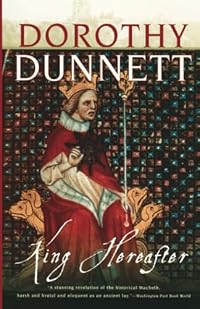

Member Recommendations
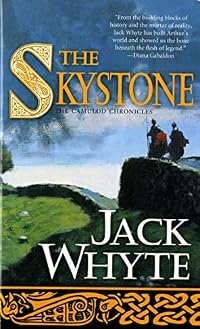
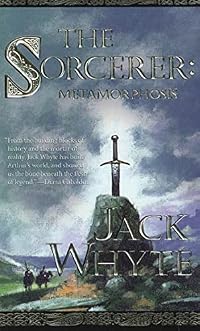
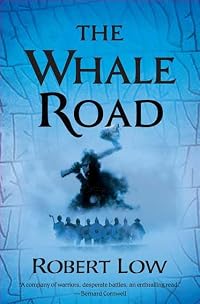
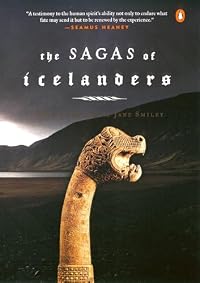
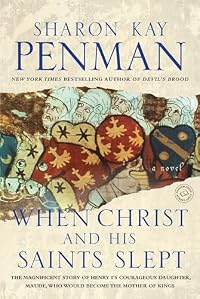
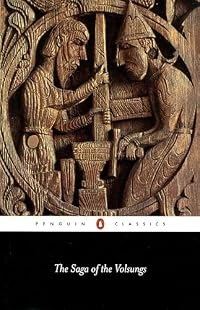
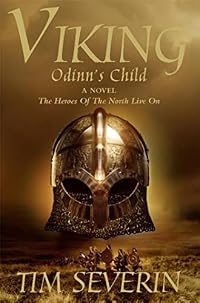
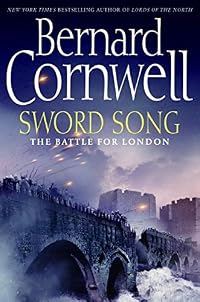
santhony Very similar topic and style.
Member Reviews
This was excellent. I felt like it started off a little slowly, but once it got going it really shined. The plotting is excellent. Characters are well-drawn -- realistic, complex, and memorable. The period detail is well-done -- the author clearly did his research here, and you really get the sense that you're transported to a cold, isolated place in a time long ago. I have read one of the Icelandic Sagas (Njal's Saga), and I could see the similarities between it and this -- but where the saga was a rather dry description of events, this is a living work, compelling and rich. Highly recommended for any fans of the Icelandic sagas, Norse literature, or general readers of historical fiction.
Pros: engaging, intricate plotlines, lots of political intrigue
Cons: the names are confusing for the first few chapters
A lot of medieval literature tends to be boring. The way of writing was not a style we normally appreciate today. While there's often a lot of action, there's little character development and too much description. Now, part of the problem is that a lot of medieval literature was meant to be recited rather than read (thinking specifically of earlier stuff, of which the Icelandic Sagas, that Saga: A Novel of Medieval Iceland was based on, were a part of). I haven't read any Icelandic Sagas, so this observation is drawn from having read Beowulf and numerous other primary sources from various periods that we refer to as the show more Middle Ages.
Jeff Janoda took these sagas and turned them into living stories. Reading his prose felt like listening to a storyteller. He has just enough description to give you a sense of place and people, religion and culture. His characters develop throughout the novel, some becoming more naive, others growing up fast. There's a lot of political intrigue, and just enough action to keep you reading.
The story is about the various feuds begun when Thorolf cuts the hay from both his meadow and that of his neighbour, Ulfar. When Ulfar tries to get satisfaction for this theft, he's forced to change allegiance, an act that spirals into a cold war for land and influence.
One of the most fascinating things about the story is the idea that with so much interbreeding, blood feuds are simply not practical. So most legal affairs are dealt with at the yearly Thing, where the Gothi, clan leaders, pass judgement. Of course, once some of the Gothi start taking matters into their own hands, blood feud becomes a real possibility.
The only complaint I had about the book (and it would have been impossible to get rid of) was the number of names that started with a 'T'. Thorbrand, Thorgils, Thorleif and Thorolf are all major characters introduced in the first few chapters. The author provides a glossary of names, but I never looked at it, choosing to flip back to earlier passages to help get the names straight.
This is an excellent novel and if you have any interest in Iceland, medieval or otherwise, I highly recommend it. show less
Cons: the names are confusing for the first few chapters
A lot of medieval literature tends to be boring. The way of writing was not a style we normally appreciate today. While there's often a lot of action, there's little character development and too much description. Now, part of the problem is that a lot of medieval literature was meant to be recited rather than read (thinking specifically of earlier stuff, of which the Icelandic Sagas, that Saga: A Novel of Medieval Iceland was based on, were a part of). I haven't read any Icelandic Sagas, so this observation is drawn from having read Beowulf and numerous other primary sources from various periods that we refer to as the show more Middle Ages.
Jeff Janoda took these sagas and turned them into living stories. Reading his prose felt like listening to a storyteller. He has just enough description to give you a sense of place and people, religion and culture. His characters develop throughout the novel, some becoming more naive, others growing up fast. There's a lot of political intrigue, and just enough action to keep you reading.
The story is about the various feuds begun when Thorolf cuts the hay from both his meadow and that of his neighbour, Ulfar. When Ulfar tries to get satisfaction for this theft, he's forced to change allegiance, an act that spirals into a cold war for land and influence.
One of the most fascinating things about the story is the idea that with so much interbreeding, blood feuds are simply not practical. So most legal affairs are dealt with at the yearly Thing, where the Gothi, clan leaders, pass judgement. Of course, once some of the Gothi start taking matters into their own hands, blood feud becomes a real possibility.
The only complaint I had about the book (and it would have been impossible to get rid of) was the number of names that started with a 'T'. Thorbrand, Thorgils, Thorleif and Thorolf are all major characters introduced in the first few chapters. The author provides a glossary of names, but I never looked at it, choosing to flip back to earlier passages to help get the names straight.
This is an excellent novel and if you have any interest in Iceland, medieval or otherwise, I highly recommend it. show less
Norse exploration and settlement of Iceland, Greenland and “Vinland” are fascinating topics and novels based on these activities are rich with promise. I read this novel soon after reading The King of Vinland’s Saga and was not disappointed.
Though it appears to be a substantial work, due to heavy paper stock, it only encompasses roughly 350 pages. Even then, as a result of relatively large type and generous spacing, it reads more like a 250 page book and can easily be polished off in a weekend.
The story revolves around a colony of Norse settlers located on the coast of Iceland. The story is rich in detail, focusing on the challenges faced by the settlers and the interpersonal relationships that exist among them. Weather and show more conditions are harsh, but no harsher than some of the warlike and conniving homesteaders who combine to improve their lot at the expense of what they perceive to be weaker elements of the society.
All in all, this is an entertaining but not spectacular piece of work. show less
Though it appears to be a substantial work, due to heavy paper stock, it only encompasses roughly 350 pages. Even then, as a result of relatively large type and generous spacing, it reads more like a 250 page book and can easily be polished off in a weekend.
The story revolves around a colony of Norse settlers located on the coast of Iceland. The story is rich in detail, focusing on the challenges faced by the settlers and the interpersonal relationships that exist among them. Weather and show more conditions are harsh, but no harsher than some of the warlike and conniving homesteaders who combine to improve their lot at the expense of what they perceive to be weaker elements of the society.
All in all, this is an entertaining but not spectacular piece of work. show less
The story always has a nice pace and you feel like all of this could have actually happened. Janoda gives you a real look into a society that is in a constant struggle to survive the harsh surroudings (and each other). The ending was a bit of an anti-climax, but it suited the story very well!
Ratings
Members
- Recently Added By
Lists

Recommended Viking historical fiction
135 works; 8 members
Author Information

3 Works 69 Members
Classifications
Statistics
- Members
- 64
- Popularity
- 483,377
- Reviews
- 4
- Rating
- (4.04)
- Languages
- English
- Media
- Paper, Ebook
- ISBNs
- 5
- ASINs
- 1