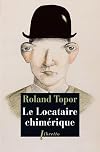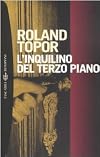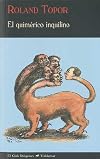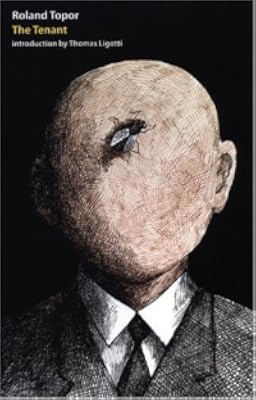
The Tenant
by Roland Topor
On This Page
Description
This is the tale of Monsieur Trelkovsky, an ordinary man, against whom apparently ordinary circumstances conspire until he is enmeshed in an extraordinary and terrifying situation. It portrays a nightmare world which is only separated from everyday life by a sliver of sanity.Tags
Recommendations
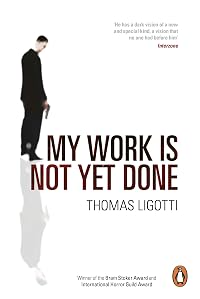
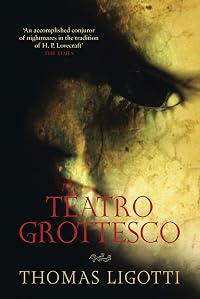

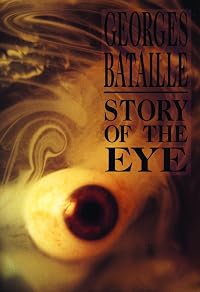





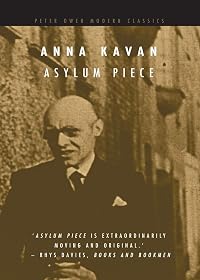
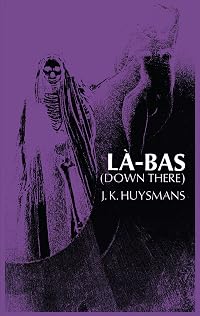

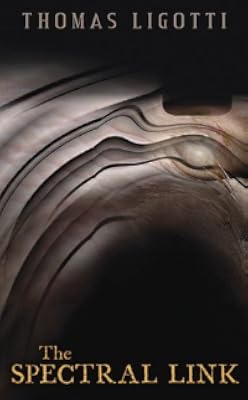


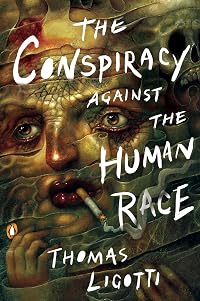



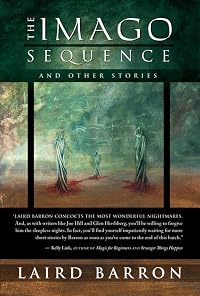
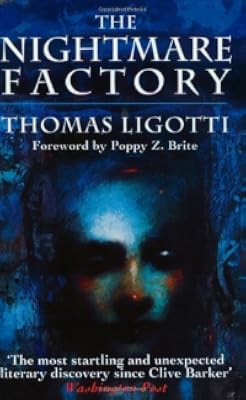
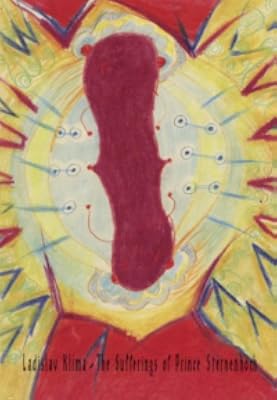

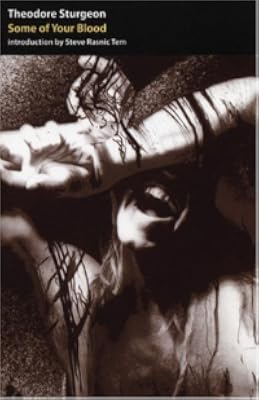

Member Recommendations
Member Reviews
Grotesca, truculenta, sórdida, inquietante, surrealista, esperpéntica, desquiciante, son algunos de los adjetivos que se me ocurren para calificar esta extraña historia del franco-polaco Roland Topor. ’El quimérico inquilino’ es una obra que te sumerge en la deformidad psicológica de su protagonista, Trelkovski, introduciendo grandes dosis de humor negro, algo que se va palpando a medida que avanza la historia.
Estructurada en tres actos ’El quimérico inquilino’ (Le locataire chimerique, 1964) narra la progresiva caída de Trelkovski en la autodestrucción física y psicológica. El argumento de la novela es sencillo: Trelkovski es un joven oficinista parisino, discreto y correcto, que alquila un apartamento cuya anterior show more inquilina se suicidó. Al mudarse, no tardará en descubrir la intransigencia de sus vecinos en cuanto a ruidos se refiere. Poco a poco, las relaciones con sus vecinos y su obsesión por el trágico suicidio de la anterior inquilina, le irán sumergiendo en un espiral de pesadilla y locura.
Con un estilo contenido y plagado de matices, Roland Topor se las arregla para introducir y sumergir al lector en un clima por demás asfixiante que crea malestar y sospecha, dando forma a una historia, mezcla de terror y fantasía surrealista, cuyo desenlace circular está francamente logrado. En 1976, Roman Polanski trasladó esta obra al cine, además de protagonizarla él mismo.
En resumen, un libro sugerente e inquietante, que te sumerge en un mundo por demás extraño. A partir de ahora, los ruidos que hagan mis vecinos estarán ligados a esta novela. show less
Estructurada en tres actos ’El quimérico inquilino’ (Le locataire chimerique, 1964) narra la progresiva caída de Trelkovski en la autodestrucción física y psicológica. El argumento de la novela es sencillo: Trelkovski es un joven oficinista parisino, discreto y correcto, que alquila un apartamento cuya anterior show more inquilina se suicidó. Al mudarse, no tardará en descubrir la intransigencia de sus vecinos en cuanto a ruidos se refiere. Poco a poco, las relaciones con sus vecinos y su obsesión por el trágico suicidio de la anterior inquilina, le irán sumergiendo en un espiral de pesadilla y locura.
Con un estilo contenido y plagado de matices, Roland Topor se las arregla para introducir y sumergir al lector en un clima por demás asfixiante que crea malestar y sospecha, dando forma a una historia, mezcla de terror y fantasía surrealista, cuyo desenlace circular está francamente logrado. En 1976, Roman Polanski trasladó esta obra al cine, además de protagonizarla él mismo.
En resumen, un libro sugerente e inquietante, que te sumerge en un mundo por demás extraño. A partir de ahora, los ruidos que hagan mis vecinos estarán ligados a esta novela. show less
This is totally the weirdest book I have ever read. The writing is reminiscent of a cross between that of Patrick McGrath and Amelie Nothomb. The story is of a man in France who is desperate to find an apartment. The one he chooses to rent, after all of his finagling with the landlord, is not what it seemed at first. He learns that the previous tenant was a women, Simone Choule, who died by suicide resulting from injuries after she flung herself out of the window of that same apartment and fell on a glass roof which then shattered. The first problem for Monsieur Trelkovsky in his new abode begins when his neighbors demand he not make any noise. The demands and anger of the neighbors grow while Monsieur's paranoia about them deepens.
The show more story is completely captivating - both in storytelling and psychological terror. Some of the scenes make no sense, but these are brief and add to the delightful sense of fantasy and nightmare. If you don't like stories that are bizarre, leave this book alone! If you love them (like I do), this is the book for you! show less
The show more story is completely captivating - both in storytelling and psychological terror. Some of the scenes make no sense, but these are brief and add to the delightful sense of fantasy and nightmare. If you don't like stories that are bizarre, leave this book alone! If you love them (like I do), this is the book for you! show less
A translation of a French psychological horror novella from the mid-sixties that stays with you.
The story of a troubled man whose insecurity leads to a descending spiral into destructive paranoia. It may be short (at just over 160 pages) but it’s not an easy read. It’s not likable, yet is so well written that you get pulled into the protagonist’s bewildering world where you are never sure what is reality and what is delirium induced.
On the down-side the author does seem somewhat unnecessarily obsessed with bodily functions.
The story of a troubled man whose insecurity leads to a descending spiral into destructive paranoia. It may be short (at just over 160 pages) but it’s not an easy read. It’s not likable, yet is so well written that you get pulled into the protagonist’s bewildering world where you are never sure what is reality and what is delirium induced.
On the down-side the author does seem somewhat unnecessarily obsessed with bodily functions.
What would happen if you suddenly realized you didn't know yourself? The Tenant is a little nightmare disguised as a book. Topor creates a spiral into madness gradually and in places and circumstances that seem at once familiar but melt into the surreal. Was Trelkovsky, the subject of this madness, crazy? Or what he perceived to be the truth... the truth? (Polanski directed a movie called Le Locataire in 1976 based on this book).
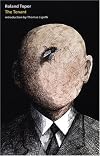
This edition of the book also included an introduction by Thomas Ligotti, four short stories, and a sampling of Roland Topor's art. His drawings are both disturbing and humorous... much like his writing.
He could hear the birds. There was always one that began the concert, and then all the others joined in. show more Truthfully speaking, it was not really a concert. If you listened to it carefully, it was impossible not to notice the resemblance between this sound and that of a saw. A saw whose teeth were tearing painfully into wood. Trelkovsky had never understood why people insisted on comparing the noise of birds to music. Birds don't sing, they scream. And in the morning they scream in chorus. Trelkovsky laughed aloud. The mere idea of likening a raucous cry like this to a song must surely be the height of something or other - futility, no doubt. He wondered what would happen if men should suddenly adopt this practice of greeting the new day with a chorus of despairing screams. Even if only those with good reason for screaming were to take it up, it would still result in an unholy racket. show less
This edition of the book also included an introduction by Thomas Ligotti, four short stories, and a sampling of Roland Topor's art. His drawings are both disturbing and humorous... much like his writing.
He could hear the birds. There was always one that began the concert, and then all the others joined in. show more Truthfully speaking, it was not really a concert. If you listened to it carefully, it was impossible not to notice the resemblance between this sound and that of a saw. A saw whose teeth were tearing painfully into wood. Trelkovsky had never understood why people insisted on comparing the noise of birds to music. Birds don't sing, they scream. And in the morning they scream in chorus. Trelkovsky laughed aloud. The mere idea of likening a raucous cry like this to a song must surely be the height of something or other - futility, no doubt. He wondered what would happen if men should suddenly adopt this practice of greeting the new day with a chorus of despairing screams. Even if only those with good reason for screaming were to take it up, it would still result in an unholy racket. show less
This is a lurid and disturbing story, charting the descent of a man who finds his identity slipping out of his grasp when he takes over the apartment of a woman who has committed suicide. His internal imagery, teetering between the banal and the grotesque, crumbles into persecution, paranoia, madness and self-destruction. It’s convincingly told, the translation unstilted, the degeneration of the narrator a bizarre and pitiful thing to read. Powerful and nightmarish, with a sly dark humour peering out of the corners.
I didn’t like it at all.
I didn’t like it at all.
Di recente ho letto "[b:Il condominio|1352138|Il condominio|J.G. Ballard|https://images.gr-assets.com/books/1369320363s/1352138.jpg|2270643]" di Ballard: è un romanzo che mi è rimasto dentro e mi ha coinvolta come proprio pochi riescono a fare. E ieri, in un paio d'ore, ho letto "L'inquilino del terzo piano", che è mi sembrato senza dubbio di ispirazione per Ballard.
"L'inquilino del terzo piano", però, per me non regge il confronto con il romanzo di Ballard: le atmosfere non sono altrettanto inquietanti e la scarna caratterizzazione dei personaggi non rende credibile l'architettura della storia; in definitiva, il romanzo di Topor mi ha emozionata poco, al contrario del suo "emulo". Devo ammettere, a onor del vero, che il finale è show more davvero a sorpresa, così tanto che ha fatto guadagnare una stella alla mia valutazione. Tuttavia, restando nel campo dei romanzi che parlano di vita condominiale ai limiti della civiltà, per me "Il condominio" rimane inarrivabile. Tristo è il discepolo se non supera il maestro. show less
"L'inquilino del terzo piano", però, per me non regge il confronto con il romanzo di Ballard: le atmosfere non sono altrettanto inquietanti e la scarna caratterizzazione dei personaggi non rende credibile l'architettura della storia; in definitiva, il romanzo di Topor mi ha emozionata poco, al contrario del suo "emulo". Devo ammettere, a onor del vero, che il finale è show more davvero a sorpresa, così tanto che ha fatto guadagnare una stella alla mia valutazione. Tuttavia, restando nel campo dei romanzi che parlano di vita condominiale ai limiti della civiltà, per me "Il condominio" rimane inarrivabile. Tristo è il discepolo se non supera il maestro. show less
This turned out to be a straightforward trip into paranoia and horror as the lead character looks for an apartment, finds one and then meets the neighbours. And more happens; that's just the start.
This is a relatively short novel, and as such, it does surprisingly well when being scary. I don't usually read horror stories, but this is more than that; it touches on a base human level where we don't want to disturb our neighbours yet still don't want to lose integrity.
This is a relatively short novel, and as such, it does surprisingly well when being scary. I don't usually read horror stories, but this is more than that; it touches on a base human level where we don't want to disturb our neighbours yet still don't want to lose integrity.
Members
- Recently Added By
Lists

Top Five Books of 2013
1,562 works; 721 members

Most Disturbing Books
124 works; 27 members

Jones & Newman: Best Horror Books Further Recommended Reading
577 works; 4 members

BlackDog's Complete Paperbacks From Hell List
639 works; 3 members
Author Information

161+ Works 1,313 Members
Some Editions
Series
Belongs to Publisher Series
detebe (20358)
Work Relationships
Has the adaptation
Common Knowledge
- Canonical title*
- Le Locataire chimérique
- Original title
- Le Locataire chimérique
- Original publication date
- 1964 (original edition, French) (original edition, French); 1966 (English) (English)
- People/Characters
- Trelkovsky
- Important places*
- Paris, France
- Related movies
- The Tenant (1976)
- First words
- Trelkovsky was on the point of being thrown out in the street when his friend Simon told him about an apartment on the Rue des Pyrénées. He went to look at it. The concierge, an ill-tempered woman, refused to show it to him... (show all), but a thousand franc note changed her mind.
- Last words
- (Click to show. Warning: May contain spoilers.)For the second time, Trelkovsky's body see-sawed across the window sill, and crashed through the debris of the glass roof into the courtyard.
- Original language
- French
*Some information comes from Common Knowledge in other languages. Click "Edit" for more information.
Classifications
Statistics
- Members
- 527
- Popularity
- 56,956
- Reviews
- 15
- Rating
- (3.96)
- Languages
- 10 — Dutch, English, French, German, Italian, Norwegian (Bokmål), Farsi/Persian, Polish, Spanish, Swedish
- Media
- Paper, Ebook
- ISBNs
- 26
- ASINs
- 2