On This Page
Description
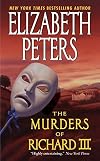
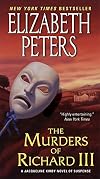
In a remote English manor house, modern admirersof the much-maligned King Richard III-one of Shakespeare's most extraordinary villains-are gathered for a grand weekend of dress-up and make-believe murder. But the fun ends when the masquerade turns more sinister... and deadly. Jacqueline Kirby, an American librarian on hand for the festivities, suddenly finds herself in the center of strange, dark doings... and racing to untangle a murderous puzzle before history repeats itself in show more exceptionally macabre ways. show lessTags
Recommendations




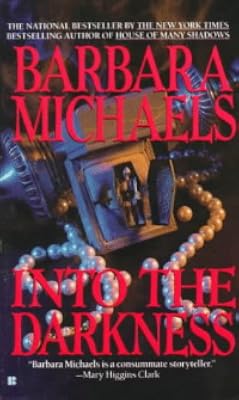



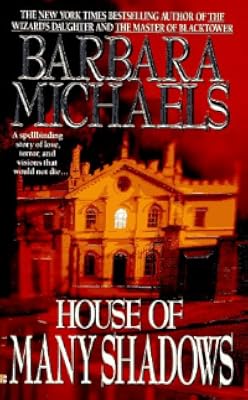
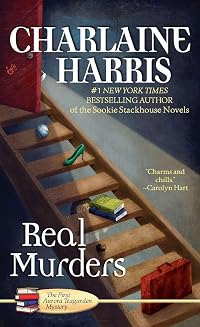
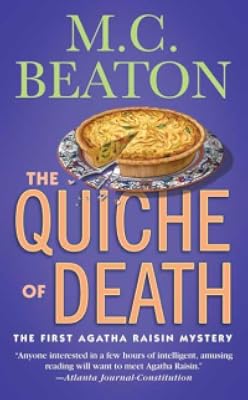
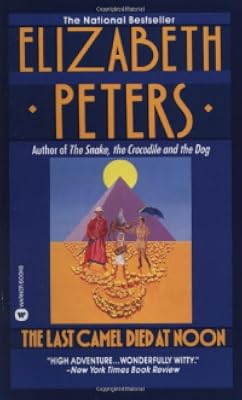


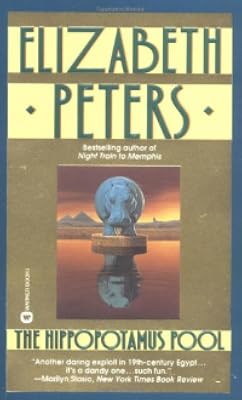
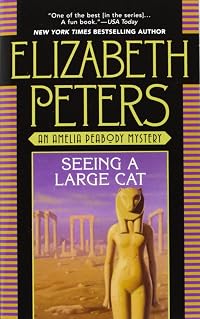
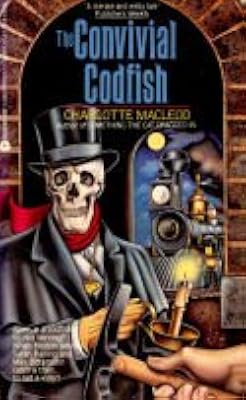

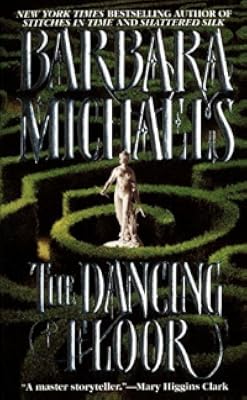
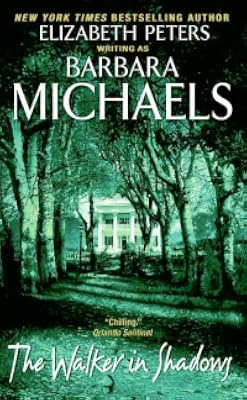
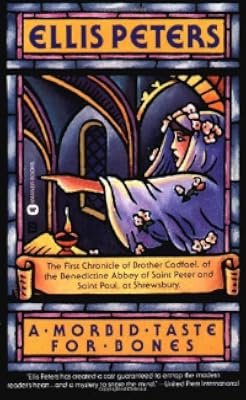
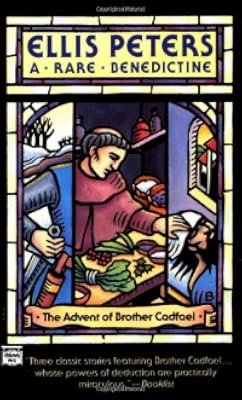
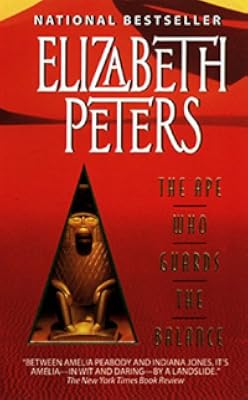
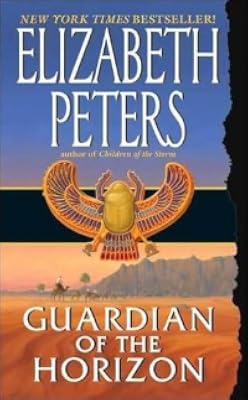

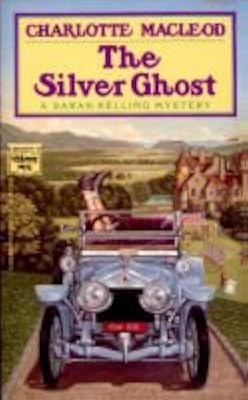
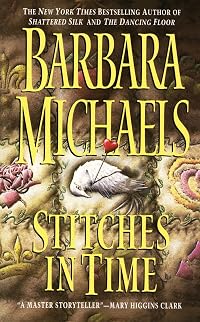
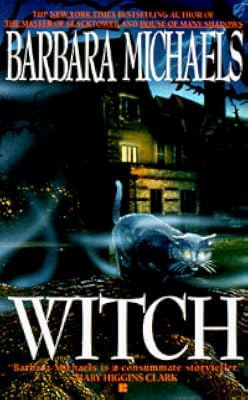

Member Recommendations
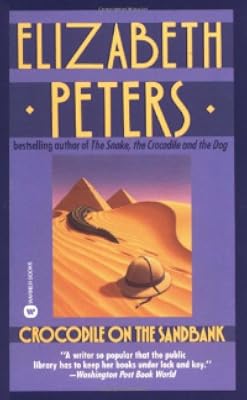
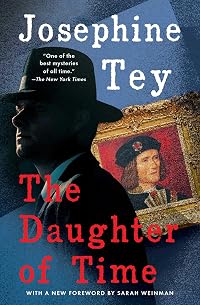
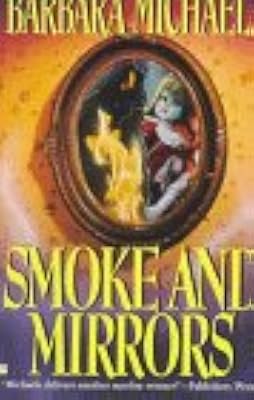
Cynara Both books are, broadly speaking, mysteries debunking the popular misconceptions around Richard III; Tey's book is entirely concerned with the subject, and Peters' does so as a sort of subplot, in addition to a more traditional mystery. I'd suggest reading Tey first, as her mystery has less to offer once you've read Peters.
Also recommended by cbl_tn
90

themulhern A lot of Shakespeare and misdirection in both. Innes's book is way more enjoyable, though.
Member Reviews
I find this book tremendous fun for several reasons. First, it features Peters' detective Jacqueline Kirby--She of the Purse. While she's perhaps not as brilliant a creation as her Amelia Peabody, I'm very fond of this not so mild-mannered librarian amateur detective.
But then this book also caters to my interest in things Richard III, sending up "Ricardians" (defenders of the maligned king) with gentle affection. In that regard you can rather see this as a homage and sequel to Josephine Tey's The Daughter of Time, also a contemporary mystery dealing with the two Princes in the Tower allegedly murdered by Richard the III of England. I'd read that book first, since I think it would be less fun afterward (since it deals with many of the show more same points) while this Peters' novel is all the more fun if you get the allusions.
The book also pokes gentle fun at the mystery genre in general. As Jacqueline notes enthusiastically, it's all set at an "English house party...straight out of all those British detective stories" she revels in, and there are allusions to Ellery Queen and Agatha Christie within as well and lots of delightfully quirky characters--in medieval costume and roles no less with medieval banquets. So, even if I don't think this quite matches Joesphine Tey's The Daughter of Time or Elizabeth Peters Amelia Peabody The Crocodile on the Sandbank I'm awfully fond of this one nevertheless. show less
But then this book also caters to my interest in things Richard III, sending up "Ricardians" (defenders of the maligned king) with gentle affection. In that regard you can rather see this as a homage and sequel to Josephine Tey's The Daughter of Time, also a contemporary mystery dealing with the two Princes in the Tower allegedly murdered by Richard the III of England. I'd read that book first, since I think it would be less fun afterward (since it deals with many of the show more same points) while this Peters' novel is all the more fun if you get the allusions.
The book also pokes gentle fun at the mystery genre in general. As Jacqueline notes enthusiastically, it's all set at an "English house party...straight out of all those British detective stories" she revels in, and there are allusions to Ellery Queen and Agatha Christie within as well and lots of delightfully quirky characters--in medieval costume and roles no less with medieval banquets. So, even if I don't think this quite matches Joesphine Tey's The Daughter of Time or Elizabeth Peters Amelia Peabody The Crocodile on the Sandbank I'm awfully fond of this one nevertheless. show less
Liked the historical stuff more than the actual mystery, which didn't end up being all that intriguing. But the history! This is what makes Elizabeth Peters different. This book also takes on a little more significance in view of the fact that Richard III's remains were finally discovered last year under a parking lot in Leicester, England. I'm glad Elizabeth Peters was still alive to hear about that discovery. It was a pretty big deal. Anyway, not being much of a Shakespearean, I didn't know that much about Richard III's terrible reputation, although I did vaguely remember something from high school history about "the princes in the tower" (Richard's nephews, debated heirs to the throne whom he supposedly had killed). He is suspected show more of a lot of other bloodguilt as well. But there are societies of people who call themselves Ricardians that believe that his reputation was maligned by his successors, and that he was in reality a very decent king. Incidentally, they were a moving force behind the excavations last year. This novel, written in the 70s, is about a group of them who gather for a house party. One of them claims to have a letter from Elizabeth of York, the king's niece, that will help to exonerate him in the eyes of the world. But then someone starts playing tricks on the guests, and Jacqueline Kirby, the librarian who knows all, starts to worry about what these tricks might be leading to.
I do enjoy books that turn me into an armchair historian. I now know significantly more about Richard III and his family, and I can understand why people get interested. show less
I do enjoy books that turn me into an armchair historian. I now know significantly more about Richard III and his family, and I can understand why people get interested. show less
Sort of an English country-house mystery, but with the question of Richard III's reputation at the center. Not quite as good as The Daughter of Time, but still an engaging read.
Long before I got involved with Amelia Peabody, I read this for its setting in a take of the Richard III Society --rather a sardonic version, in fact --carefully described as a breakaway group led by a wealthy eccentric who believes he is an illegitimate descendent of Richard III (this being before such a claim could be reliably DNA tested) --unlike the real Ricardians, but a little like the SCA, the guests at this event dress up as people from Richard III's time, and then someone starts acting out their supposed deaths --it begins seemingly as a rough joke, but turns deadly.
While visiting England, American Jacqueline Kirby is invited by would-be suitor, Thomas, to a country weekend gathering of the Richard III society of which he is a member. The guests will take on the roles of various historical people from Richard III's era, and will wear period costumes for the weekend events. The highlight of the weekend will be the revelation of a recently discovered document purportedly proving Richard's innocence of the murders of his nephews, the princes in the Tower of London. When the guests begin to suffer accidents illustrative of the fates of their historical counterparts, the atmosphere becomes tense. Who among them is behind the attacks, and are the attacks building up to something more sinister?
After show more meeting her fellow guests, Jacqueline remarks to Thomas that "It's an English house party, darling, straight out of all those British detective stories I revel in." The book does, indeed, seem to be a parody of the genre. It would be a perfect read for those times you want something light, were it not for having to keep track of the historical counterparts to the modern characters. A chart would have come in handy. Readers would enjoy the book more with some prior awareness of the Richard III controversy -- was he a villain or a saint? Be sure to read Josephine Tey's The Daughter of Time before you read this one. show less
After show more meeting her fellow guests, Jacqueline remarks to Thomas that "It's an English house party, darling, straight out of all those British detective stories I revel in." The book does, indeed, seem to be a parody of the genre. It would be a perfect read for those times you want something light, were it not for having to keep track of the historical counterparts to the modern characters. A chart would have come in handy. Readers would enjoy the book more with some prior awareness of the Richard III controversy -- was he a villain or a saint? Be sure to read Josephine Tey's The Daughter of Time before you read this one. show less
Jacqueline Kirby moves closer to the center stage in this book. I like that I was brought up to speed about Richard III and the alternative opinions about what his actions must have been. Perhaps he wasn't the scoundrel that the Tudors (and therefore Shakespeare) made him to be.
There's a nice mystery within the story, beyond the mystery of who killed the young princes. There were paths I was led down, but the author played fair. All the information to solve the mystery was there. And I loved the oh-so-typical English house party location.
While it is nice to read the series in order, this book stands alone should people want to start here. If you like cozy mysteries or are interested in English history, I think you'd like this book.
There's a nice mystery within the story, beyond the mystery of who killed the young princes. There were paths I was led down, but the author played fair. All the information to solve the mystery was there. And I loved the oh-so-typical English house party location.
While it is nice to read the series in order, this book stands alone should people want to start here. If you like cozy mysteries or are interested in English history, I think you'd like this book.
Not bad, not wonderful. Excellent characterization - though her rundown of the traditional characters in an English Country House mystery is a bit of a lampshade. I'd read it before - I remembered there was something fishy about the guy and remembered what when his name was mentioned, but I'd forgotten the actual solution - both who and why. It was annoying when she got coy near the end - 'Oh, I can't tell you - what if I'm wrong?' Piffle. But that aside, nicely done. Thoroughly twisted motivation, and very clever misdirection in multiple directions. Not a favorite, but not bad, and I'll likely read it again. It's a little odd, since my knowledge of the question is basically having read The Daughter of Time - interesting hearing another show more take that doesn't lean on either More or Tey (while acknowledging both). show less
Members
- Recently Added By
Lists

Books Read in 2014
2,343 works; 89 members

Fiction with Men's Given Names in the Title
302 works; 11 members

Books Read in 2022
5,226 works; 115 members
Author Information

60+ Works 58,698 Members
Some Editions
Series

Belongs to Publisher Series
Econ Krimi (25198)
Work Relationships
Is contained in
Was inspired by
Common Knowledge
- Canonical title
- The Murders of Richard III
- Original title
- The Murders of Richard III
- Alternate titles*
- Tödliches Spiel
- Original publication date
- 1974
- People/Characters
- Jacqueline Kirby; Richard III, King of England (in name only); Thomas Carter; Richard Weldon; Mrs. Ponsonby-Jones; Isobel Crawford (show all 14); Elizabeth "Liz" Ponsonby-Jones; Archibald Kent; Donald Ellis; John Rawdon; Philip Rohan; Frank Acton; O'Hagan; Percival Ponsonby-Jones
- Important places
- England, UK
- Dedication
- To Marge A dear friend and a fellow-traveller along the thorny by-ways of Ricardian research
- First words
- The portrait was that of a man.
- Last words
- (Click to show. Warning: May contain spoilers.)Thomas had high hopes for Thursday.
- Original language
- English
*Some information comes from Common Knowledge in other languages. Click "Edit" for more information.
Classifications
- Genres
- Fiction and Literature, Mystery, Historical Fiction
- DDC/MDS
- 813.54 — Literature & rhetoric American literature in English American fiction in English 1900-1999 1945-1999
- LCC
- PZ4 .M577 .M — Language and Literature Fiction and juvenile belles lettres Fiction and juvenile belles lettres Fiction in English
- BISAC
Statistics
- Members
- 917
- Popularity
- 29,285
- Reviews
- 22
- Rating
- (3.54)
- Languages
- English, German, Japanese
- Media
- Paper, Audiobook, Ebook
- ISBNs
- 26
- ASINs
- 11