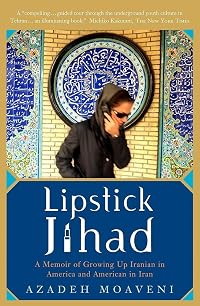
Lipstick Jihad: A Memoir of Growing Up Iranian in America and American in Iran
by Azadeh Moaveni
On This Page
Description
An Iranian-American journalist, who grew up as a California girl living in two worlds, returns to Tehran and discovers not only the oppressive and decadent life of her Iranian counterparts who have grown up since the revolution, but the pain of searching for identity between two cultures, and for a homeland that may not exist. The landscape of her Tehran--ski slopes, fashion shows, malls and cafes--is populated by a cast of young people whose exuberance and despair brings the modern reality show more of Iran to vivid life. show lessTags
Recommendations


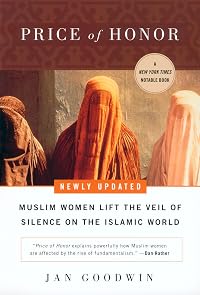
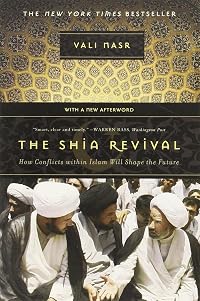
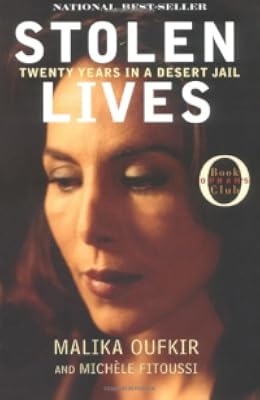
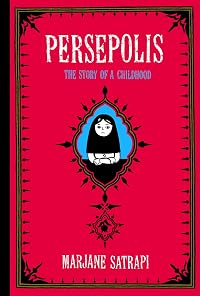




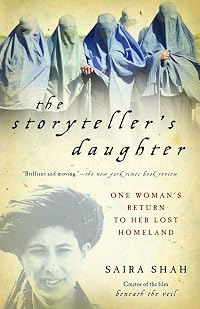
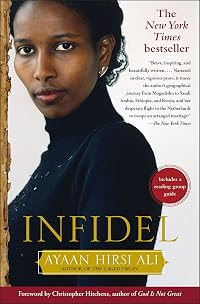
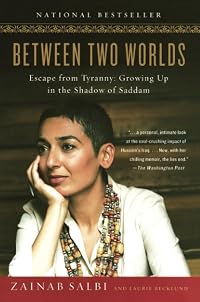
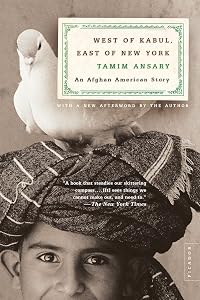

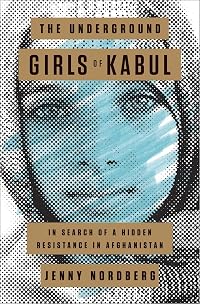
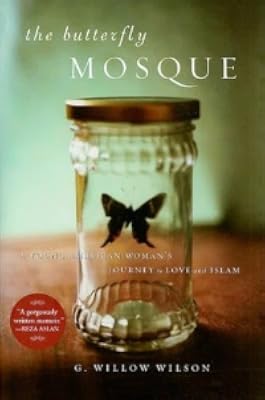
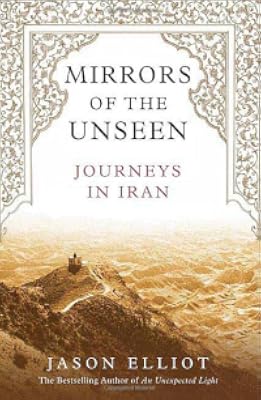
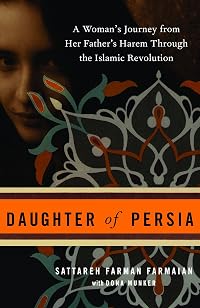
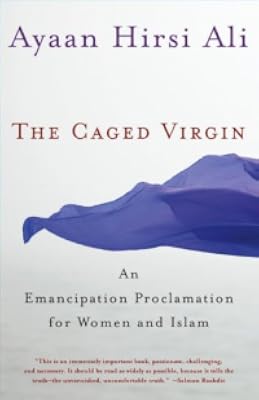
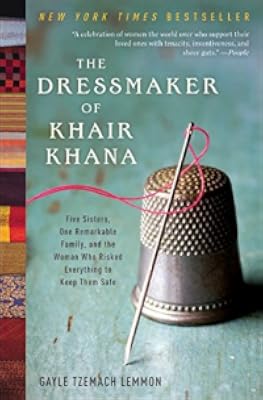
Member Recommendations
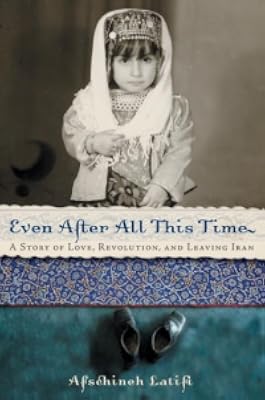
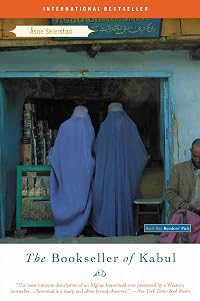
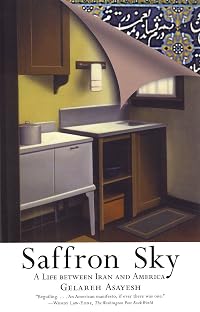
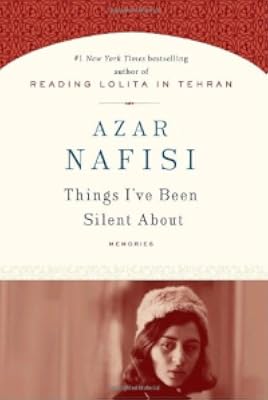
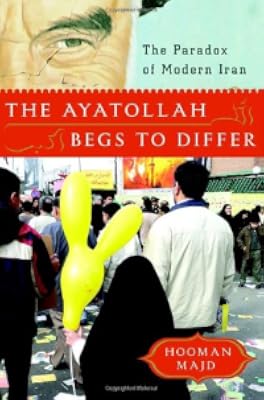
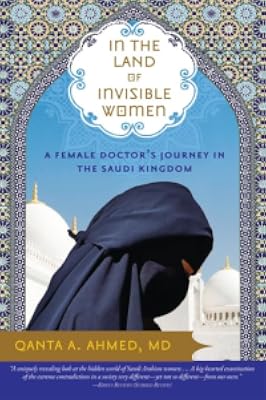
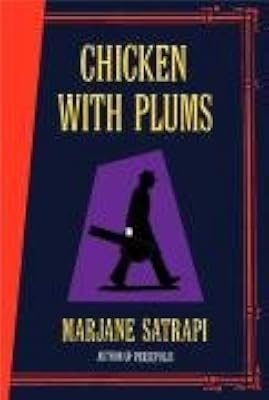
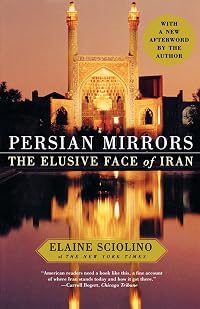
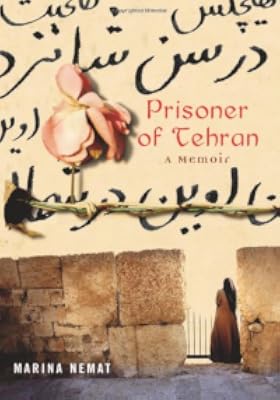
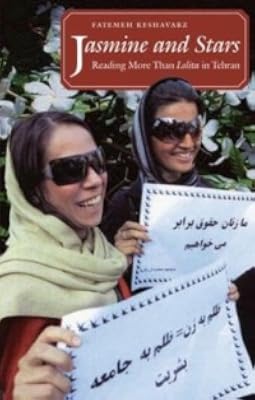
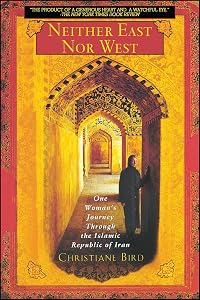
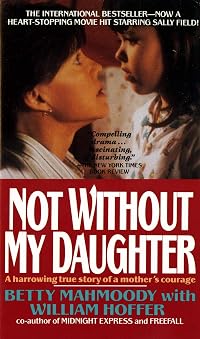
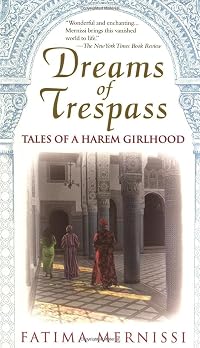
BookshelfMonstrosity Iran of the late 20th century was a country of contradictions. Private and public lives, religious and secular lives, and men's and women's lives existed in direct opposition. Read thought-provoking, true-life stories about this in Persepolis and Lipstick Jihad.
Member Reviews
I came so close to giving this five stars, but if I'm being honest with myself, the fifth star would just have been representative of my personal bias toward books with a cultural anthropology bent.
I really enjoyed this book, but am a bit hesitant to recommend it because I can easily imagine the author coming across as whiny and irritating to others. What would be your reaction to a character who is constantly -- seriously, incessantly -- asking herself what it means to be Iranian and obsessing over the ways in which she is not Iranian "enough"? Surprisingly, my answer turned out to be, "Fascinated."
The author grew up in California, the daughter of parents who exiled themselves from Iran after the 1979 revolution. She returned to Iran show more two decades later and worked there as a journalist. I found her constant parsing of the nature of "Iranian-ness" to be much more interesting in print than I think it would have been in conversation, and it's peppered with first-person analysis of the ways in which young people instigated changes in the system of government through tiny, incremental rebellions -- hence the title. I'm not sure there's a name for this type of change, where you wear lipstick even though it's forbidden until it's de facto permitted. Then you start wearing navy headscarves instead of black, and then maybe medium blue. And it's not just you, it's everyone of your generation, slowly turning the tide.
So, who wants to go visit Tehran with me? show less
I really enjoyed this book, but am a bit hesitant to recommend it because I can easily imagine the author coming across as whiny and irritating to others. What would be your reaction to a character who is constantly -- seriously, incessantly -- asking herself what it means to be Iranian and obsessing over the ways in which she is not Iranian "enough"? Surprisingly, my answer turned out to be, "Fascinated."
The author grew up in California, the daughter of parents who exiled themselves from Iran after the 1979 revolution. She returned to Iran show more two decades later and worked there as a journalist. I found her constant parsing of the nature of "Iranian-ness" to be much more interesting in print than I think it would have been in conversation, and it's peppered with first-person analysis of the ways in which young people instigated changes in the system of government through tiny, incremental rebellions -- hence the title. I'm not sure there's a name for this type of change, where you wear lipstick even though it's forbidden until it's de facto permitted. Then you start wearing navy headscarves instead of black, and then maybe medium blue. And it's not just you, it's everyone of your generation, slowly turning the tide.
So, who wants to go visit Tehran with me? show less
Moaveni writes a revealing and fascinating memoir of her life as an Iranian-American growing up in California and then moving to Iran in her twenties. She went to Iran as a reporter when the country was experiencing the “Prague Spring” of the Khatami presidency. The spring turned to winter after Bush declared Iran to be part of the “axis of evil.” She writes that the President’s name-calling and threats were “a divine gift to the hard-liners, who were running out of excuses for their ongoing repressiveness.”
Moaveni struggles with her own identity and with feeling like an outsider in both places. She explains the path taken by the Iranian Revolution since 1979 as she learns about it herself. In particular, she explores the show more role of women in post-revolutionary Iran. She posits that the political conservatism of the Islamic regime in Iran (and elsewhere, I would add) is “bound up in its fear and hostility toward women and their sexuality.” How women cope, how they manage to make their way through the patriarchal world, is a wonderful and uplifting story.
Moaveni’s story is enlightening and inspirational, and her exploration of the underside of life in Tehran reminded me a great deal of "The Russians" by Hedrick Smith, a wonderful book performing a similar service during the Soviet/Samizdat years. But Moaveni didn’t answer all my questions. For example, she and her fellow Iranians evince a fierce anti-Israeli attitude. But rarely does she mention Palestinians, and I was left wondering what was the source of all this animosity. She describes many Iranian cultural customs she loves, but there is not much about the impact of Shiism on her life (as distinct from the impact of Islamicism, or the radical Islam of the mullahs, about which there was a great deal). In her book she expresses understanding of mothers who would not want to raise a child under the madrassah-system of the mullahs, but now it seems she is doing just that.
In sum, although it was a very enjoyable book, it left me wanting more. Still, I would highly recommend it for anyone wanting an actual “insider’s” look at a Muslim country, especially from a woman’s point of view. show less
Moaveni struggles with her own identity and with feeling like an outsider in both places. She explains the path taken by the Iranian Revolution since 1979 as she learns about it herself. In particular, she explores the show more role of women in post-revolutionary Iran. She posits that the political conservatism of the Islamic regime in Iran (and elsewhere, I would add) is “bound up in its fear and hostility toward women and their sexuality.” How women cope, how they manage to make their way through the patriarchal world, is a wonderful and uplifting story.
Moaveni’s story is enlightening and inspirational, and her exploration of the underside of life in Tehran reminded me a great deal of "The Russians" by Hedrick Smith, a wonderful book performing a similar service during the Soviet/Samizdat years. But Moaveni didn’t answer all my questions. For example, she and her fellow Iranians evince a fierce anti-Israeli attitude. But rarely does she mention Palestinians, and I was left wondering what was the source of all this animosity. She describes many Iranian cultural customs she loves, but there is not much about the impact of Shiism on her life (as distinct from the impact of Islamicism, or the radical Islam of the mullahs, about which there was a great deal). In her book she expresses understanding of mothers who would not want to raise a child under the madrassah-system of the mullahs, but now it seems she is doing just that.
In sum, although it was a very enjoyable book, it left me wanting more. Still, I would highly recommend it for anyone wanting an actual “insider’s” look at a Muslim country, especially from a woman’s point of view. show less
I rarely get through a work of nonfiction, but this book was one I could not put down. Moaveni is so honest in her portrayal of her struggles with life straddling two separate and often opposing cultures. Her explanations of the complexities of life in modern Iran were eye-opening, to say the least. I am officially very, very interested in the world she inhabits. A seriously great book.
I kept hoping for this book to draw me in more than it did. Moaveni's observations were interesting enough, but it seemed that the text was rather scattered. For the most part, it was not told in chronological order, but by topic, which she strayed from fairly often. Granted, it's difficult to keep essentially politics and gender issues separated when discussing the Islamic Republic of Iran...so why did she format it like that? I feel I would have gotten more out of her memoir had she addressed her life chronologically as I never had a clear sense of what was happening and when in relation to other events.
It took me what seemed like FOREVER to read this all the way through. It rarely hooked me enough to try to steal more chances to keep show more reading. Yet I never wanted to give up on it. What kept me going was learning about all the different people she meets along the way, their attitudes (as well as hers towards them), and the roles they play in Iranian or Iranian-American society. These portraits are what provide a more diverse insight into Persian culture. My favorite experiences were those with her grandfather, which in the end provided a beautiful framework to her time in Iran. I also loved his use of poetry as well as the poetry epigraphs at the beginning of each chapter, and I am currently hunting down a translation of the Simorgh.
This is not the clearest perspective you'll find on modern-day Iran, but it does provide an intriguing glimpse into a world that's still largely misunderstood by American society. If Moaveni ever went back and wrote a memoir on how Iran has changed in the last ten years, I would read it. show less
It took me what seemed like FOREVER to read this all the way through. It rarely hooked me enough to try to steal more chances to keep show more reading. Yet I never wanted to give up on it. What kept me going was learning about all the different people she meets along the way, their attitudes (as well as hers towards them), and the roles they play in Iranian or Iranian-American society. These portraits are what provide a more diverse insight into Persian culture. My favorite experiences were those with her grandfather, which in the end provided a beautiful framework to her time in Iran. I also loved his use of poetry as well as the poetry epigraphs at the beginning of each chapter, and I am currently hunting down a translation of the Simorgh.
This is not the clearest perspective you'll find on modern-day Iran, but it does provide an intriguing glimpse into a world that's still largely misunderstood by American society. If Moaveni ever went back and wrote a memoir on how Iran has changed in the last ten years, I would read it. show less
I read Lipstick Jihad after reading her second memoir, Honeymoon in Tehran. While both books are a combination of chic lit and serious reporting on youth culture in Iran, I found Honeymoon in Tehran to be better at both. Her writing there is more mature, although she continues to focus almost exclusively on upper-class Tehrani. I would love to see her spend some time on the countryside and write about youth life there. I suspect even she would be surprised by what she found.
Time magazine journalist Azadeh Moaveni was born in America, a child of Iranian exiles. Twenty years after the Islamic revolution, she moved to Iran to report on Iran in general and the burgeoning reform movement in particular. She confronted her ambivalence about her heritage and her sense of alienation from both American and Iranian culture. This should make for a riveting book, and I did learn a lot that I did not know about Iran, but the author's voice was so irritating that the reading experience was absolutely painful. It may be an affectation, but the author presented herself as so self-involved, shallow and yuppified that I was almost rooting for the mullahs against her. Ms. Moaveni, the story of modern Iran is really, really, show more really not all about you, okay? show less
Azadeh’s mother and father left Iran to be near an ailing parent in California, only to be trapped outside of their home country by the Revolution. Being Iranian in the United States after the hostage crisis wasn’t easy, nor was it easy to be raised by an Iranian mother who hadn’t necessarily chosen to stay in America.
As an adult, Azadeh feels drawn to the Middle East and eventually ends up in Iran as a journalist with Time magazine. Being in the employ of Western media only adds to her torn dual identities of Iranian and American.
I first read “Lipstick Jihad” shortly after it was released in 2005 and just recently reread it in preparation for Moaveni’s second book “Honeymoon in Tehran.” I found it to be a really show more fascinating look into a society about which I did not know very much. Moaveni has an unique perspective that she shares in a clear, insightful way.
If you are interested in getting a glimpse of Iranian politics and society in the early part of this century, or if you are interested in reading a memoir of a woman attempting to bridge the East-West divide, you should definitely give “Lipstick Jihad” a try. show less
As an adult, Azadeh feels drawn to the Middle East and eventually ends up in Iran as a journalist with Time magazine. Being in the employ of Western media only adds to her torn dual identities of Iranian and American.
I first read “Lipstick Jihad” shortly after it was released in 2005 and just recently reread it in preparation for Moaveni’s second book “Honeymoon in Tehran.” I found it to be a really show more fascinating look into a society about which I did not know very much. Moaveni has an unique perspective that she shares in a clear, insightful way.
If you are interested in getting a glimpse of Iranian politics and society in the early part of this century, or if you are interested in reading a memoir of a woman attempting to bridge the East-West divide, you should definitely give “Lipstick Jihad” a try. show less
Members
- Recently Added By
Author Information

4+ Works 1,799 Members
Awards and Honors
Notable Lists
Common Knowledge
- Canonical title
- Lipstick Jihad: A Memoir of Growing Up Iranian in America and American in Iran
- Original publication date
- 2005
- Important places
- Iran
- Epigraph
- You ask me about that country, whose details now escape me,
I don't remember its geography, nothing of its history.
And should I visit in memory,
It would be as I would a past lover,
After years, for a nig... (show all)ht, no longer restless with passion,
With no fear of regret.
I have reached that age when one visits the heart merely as a courtesy.
-Faiz Ahmed Faiz - Dedication
- For my parents,
and
in memory of Kaveh Golestan - First words
- I was born in Palo Alto, California, into the lap of an Iranian diaspora community awash in nostalgia and longing for an Iran many thousands of miles away. (Introduction)
It was so cool and quiet up in the toot (mulberry) tree that I never wanted to come down. (Chapter One, The Secret Garden) - Last words
- (Click to show. Warning: May contain spoilers.)Iran had been disfigured, and we carried its scraps in our pockets, and when we assembled, we laid them out, and were home.
Classifications
- Genres
- Biography & Memoir, Nonfiction, General Nonfiction, Religion & Spirituality
- DDC/MDS
- 956 — History & geography History of Asia Middle East Asia: Turkey, Iraq, Syria, Lebanon, Israel, Jordan
- LCC
- E184 .I5 .M63 — History of the United States United States Elements in the population Afro-Americans
- BISAC
Statistics
- Members
- 785
- Popularity
- 35,429
- Reviews
- 18
- Rating
- (3.68)
- Languages
- English, Italian
- Media
- Paper, Ebook
- ISBNs
- 5
- ASINs
- 7