The Significance of the Frontier in American History
by Frederick Jackson Turner
On This Page
Description
This hugely influential work marked a turning point in US history and culture, arguing that the nation's expansion into the Great West was directly linked to its unique spirit- a rugged individualism forged at the juncture between civilization and wilderness, which - for better or worse - lies at the heart of American identity today. Throughout history, some books have changed the world. They have transformed the way we see ourselves - and each other. They have inspired debate, dissent, war show more and revolution. They have enlightened, outraged, provoked and comforted. They have enriched lives - and destroyed them. Now Penguin brings you the works of the great thinkers, pioneers, radicals and visionaries whose ideas shook civilization and helped make us who we are. show lessTags
Recommendations
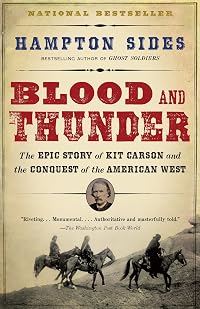


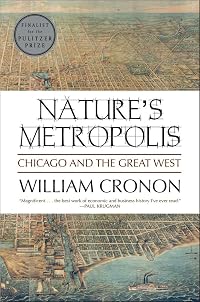




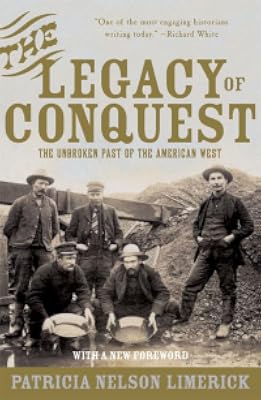

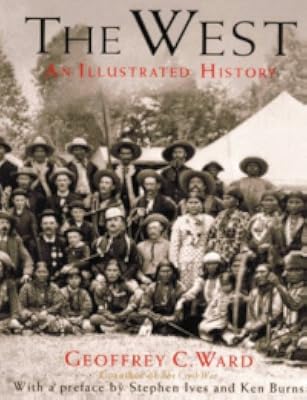









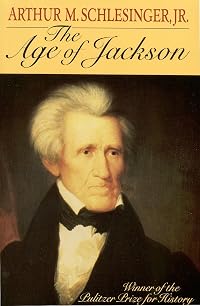












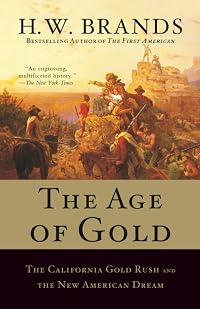


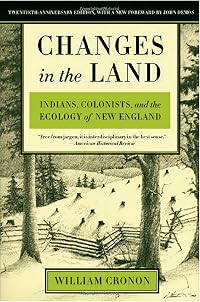
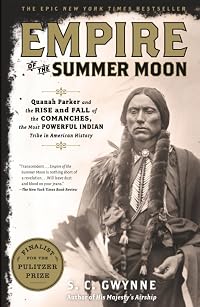






Member Reviews
Members
- Recently Added By
Author Information

17+ Works 1,025 Members
Born in Portage, Wisconsin, Frederick Jackson Turner graduated from the University of Wisconsin and in 1890 received his Ph.D. from The Johns Hopkins University. From 1889 to 1910, he taught at Wisconsin University, where he helped build an excellent graduate history program. In 1910 he accepted a chair at Harvard University, where he remained for show more the next 14 years. In 1927 he became a senior research associate at the Henry E. Huntington Library in San Marino, California. Turner wrote relatively little, but his 1893 paper on the link between the land and democracy---"The Significance of the Frontier in American History"---affected the course of American scholarship and marked him as one of the most influential and renowned scholars in the profession. The year after his death, his study in sectionalism, The Significance of Sections in American History, was awarded the Pulitzer Prize in history. Turner once described U.S. history as "a series of social evolutions recurring in differing geographic basins across a raw continent." He claimed to derive his hypothesis from his early training in medieval history, where he learned about the relationships between people and their environment and saw "the interplay of economic, social and geographic factors in the politics, institutions, ideals and life of a nation and its relations with its neighbors." Turner's views have always been subject to intense scrutiny and criticism, not least among historians of the American West today. Yet the fact that his hypothesis continues to be tested is testimony to its penetrating influence. (Bowker Author Biography) show less
All Editions
Some Editions
Awards and Honors
Awards
Series
Belongs to Publisher Series
Work Relationships
Is contained in
Common Knowledge
- Canonical title
- The Significance of the Frontier in American History
- Important places
- USA
- Original language
- English
Classifications
Statistics
- Members
- 180
- Popularity
- 181,876
- Rating
- (2.95)
- Languages
- English, Portuguese
- Media
- Paper, Ebook
- ISBNs
- 12
- ASINs
- 6