On This Page
Description
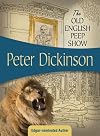
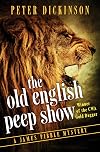
Winner of the CWA Gold Dagger for best crime novel of the year: Peter Dickinson targets England's upper classes in this murderous and strikingly original theme-park mystery Tourists are waiting in line for entry into the world of Old England, a graceful, elegant country house run as a theme park, complete with wrought-iron gates, pet lions, and maids in white caps greeting visitors with a bob and a curtsy. But this fantasy world turns very real when one of the servants takes his own life. show more Why did the loyal and faithful Arthur Deakin hang himself in the pantry without leaving even a note? Dispatched to find out, Scotland Yard superintendent James Pibble wonders why the local police weren't called in on a seemingly run-of-the-mill suicide. But as Pibble will soon find, life at the Herryngs estate of twin brothers Ralph and Richard Clavering is anything but ordinary. Sir Ralph, a retired general, and Sir Richard, a former admiral who now writes about animals being driven out of their native habitats, are war heroes who have gone from charmingly eccentric to dangerously certifiable. Sir Ralph's only daughter is desperate to shield the family from scandal. A disappearance, a man-eating lion, and an old dueling ground add up to foul play as Pibble uncovers a viper's nest of evil behind an upper-crust facade that could claim his life next. The Old English Peep Show is the 2nd book in the James Pibble Mysteries, but you may enjoy reading the series in any order. Suspense. Thriller. Fiction. show lessTags
Recommendations
















Member Recommendations

Member Reviews
The first time that the Gold Dagger was won by the same person in consecutive years. Only happened once since. And not just the same person: the same protagonist, Jimmy Pibble, again defying his dreadful name, investigating a good old-fashioned country house murder.
The setting allows Pibble to indulge again his lively interest in architecture and also this time to show some fairly recherché knowledge of painting. It also seems to encourage Dickinson to let himself all the way off the leash. The last book, one got the sense that he was being polite, neutral and restrained as he negotiated the slightly tricksy subject matter he’d set himself. This one, with the setting and dramatis personae entirely and quintessentially English, there show more is no neutrality or careful handling of character. With the exception of Pibble, pretty much everyone important in this book is mad. We have mad old generals, mad retainers, mad businesspeople and mad daughters. They’ve all been driven mad by the second world war, which is not a thing that’s been in thematic focus in any of these books for a while, but provides sufficient explanation of the madness here.
The mad old generals own a big country estate. In an obvious parody of a trend of the time, they’re trying to coin it from American tourists by converting their estate into a sort of combined Olde Englande live-action experience and safari park. This allows Dickinson to introduce many useful bits and pieces early on: lions, a gibbet, antiquated firearms, a little train, a watermill. With pleasing adherence to the Chekovian maxim, all are employed later on in the book.
While it does teeter on the edge of excess, the book never quite falls over. At its core, it’s a kind of thriller-mystery cross, not quite a whodunnit as the target keeps shifting, but tricked out with the trappings of one anyway: clues, red herrings, all that. I found the solution a little unsatisfying, but I think that’s down to a predilection of mine rather than a fault of the book. It’s a highly enjoyable read, and again pleasingly short (barely 150 pages in my copy). Once I’m done with all these I might well chase up the rest of the Pibbles. Still a terrible name though. show less
The setting allows Pibble to indulge again his lively interest in architecture and also this time to show some fairly recherché knowledge of painting. It also seems to encourage Dickinson to let himself all the way off the leash. The last book, one got the sense that he was being polite, neutral and restrained as he negotiated the slightly tricksy subject matter he’d set himself. This one, with the setting and dramatis personae entirely and quintessentially English, there show more is no neutrality or careful handling of character. With the exception of Pibble, pretty much everyone important in this book is mad. We have mad old generals, mad retainers, mad businesspeople and mad daughters. They’ve all been driven mad by the second world war, which is not a thing that’s been in thematic focus in any of these books for a while, but provides sufficient explanation of the madness here.
The mad old generals own a big country estate. In an obvious parody of a trend of the time, they’re trying to coin it from American tourists by converting their estate into a sort of combined Olde Englande live-action experience and safari park. This allows Dickinson to introduce many useful bits and pieces early on: lions, a gibbet, antiquated firearms, a little train, a watermill. With pleasing adherence to the Chekovian maxim, all are employed later on in the book.
While it does teeter on the edge of excess, the book never quite falls over. At its core, it’s a kind of thriller-mystery cross, not quite a whodunnit as the target keeps shifting, but tricked out with the trappings of one anyway: clues, red herrings, all that. I found the solution a little unsatisfying, but I think that’s down to a predilection of mine rather than a fault of the book. It’s a highly enjoyable read, and again pleasingly short (barely 150 pages in my copy). Once I’m done with all these I might well chase up the rest of the Pibbles. Still a terrible name though. show less
A send-up, of just about everything in sight by a gifted writer, a Cambridge graduate in the Classics and celebrated editor of Punch. What would happen if Walt Disney and Elmore Leonard were turned loose on the unsuspecting gentry of the English rural districts. An enjoyable read.
Inspector Pibble is caught up in a slightly amusing predicament: there's been an appartent suicide at an English version of Colonial Williamsburg. His assignment is to certify it as a suicide and let the very upper-crust family running the "show" go back to business. As usual in mysteries, all is not what it seems.
This convoluted tale is unsatisfying. The characters are stock types and, with a single exception, are poorly developed. The plot resloution is scarcely believable. This is a disappointment from a normally superior author. A few funny bits here and there lighten the load somewhat.
This convoluted tale is unsatisfying. The characters are stock types and, with a single exception, are poorly developed. The plot resloution is scarcely believable. This is a disappointment from a normally superior author. A few funny bits here and there lighten the load somewhat.
Early, amusing Brit mystery with a very different plot. Had to look up a lot of words. May read others if time.
Really dopey mannered British Country House murder novel
Ratings
Members
- Recently Added By
Published Reviews
ThingScore 100
added by ehines
Lists

British Mystery
469 works; 13 members

Crime Writers' Association Daggers
76 works; 4 members

Next in Series
85 works; 1 member
Author Information

109+ Works 10,500 Members
Peter Dickinson was born in Livingstone, Northern Rhodesia, now Zambia on December 16, 1927. He served in the British Army before receiving a B.A. in English literature from King's College, Cambridge in 1951. He was an assistant editor and reviewer for Punch Magazine for seventeen years. His first book, The Weathermonger, was published in 1968. He show more has written over 50 books for adults and young adults. His works for adults include Death of a Unicorn, Skeleton-in-Waiting, Perfect Gallows, The Yellow Room Conspiracy, and Some Deaths Before Dying. His works for young adults include The Iron Lion, The Ropemaker, Angel Isle, and In the Palace of the Khans. He has won several awards including the Boston Globe Horn Book Award in 1989 for Eva, the Carnegie Medal in 1979 for Tulku and in 1980 for City of Gold, the Whitbread Children's Prize for Tulku, and the Crime Writer's Golden Dagger for Skin Deep in 1968 and A Pride of Heroes in 1969. In 2009, he was awarded the OBE for services to literature. He died after a brief illness on December 16, 2015 at the age of 88. (Bowker Author Biography) show less
Awards and Honors
Awards
Notable Lists
Series

Belongs to Publisher Series
Common Knowledge
- Canonical title*
- Helden scharenweise
- Original title
- A Pride of Heroes
- Alternate titles
- A Pride Of Heroes; The Old English Peep Show
- Original publication date
- 1969
- People/Characters
- Supt. Pibble
- First words
- Pibble thought, I am chosen vulture spiraling down onto a dying lion.
- Last words
- (Click to show. Warning: May contain spoilers.)With a noncommittal grunt (risky to be affable with a potential scapegoat) Harry Brazzil slouched into Herryngs.
*Some information comes from Common Knowledge in other languages. Click "Edit" for more information.
Classifications
Statistics
- Members
- 209
- Popularity
- 156,453
- Reviews
- 5
- Rating
- (3.43)
- Languages
- English, German, Swedish
- Media
- Paper, Ebook
- ISBNs
- 14
- ASINs
- 9