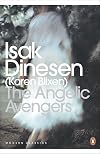
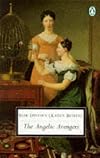
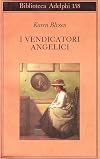
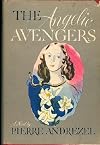
The Angelic Avengers
by Isak Dinesen 
On This Page
Description
Lucan has been orphaned and Zosine has been deserted, and London is a hostile place for two young girls without a home. Bound together by poverty, grief and their shared years at school, they set out to make a future for themselves in new surroundings. They are adopted by the austere, puritanical Reverend Pennhallow and his wife, and in their large, gloomy house they become immersed in study. But, after a chain of disturbing events, it does not take long before they realize that the cleric show more and his wife are not all they seem to be ... show lessTags
Recommendations







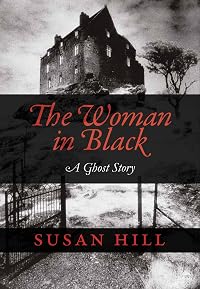


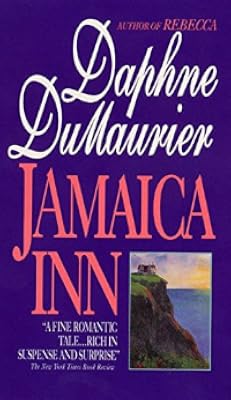
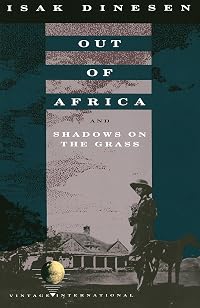




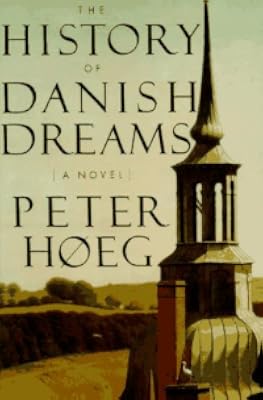




Member Recommendations


Member Reviews
What a peculiar gothic melodrama. ‘The Angelic Avengers’ was first published in 1946 but reads like something a hundred years older. And yet there is an ambivalence and strangeness to it that doesn’t feel Victorian at all. The story concerns two eighteen year old girls, Lucan and Zosine, who are old friends from school. When disaster strikes, they are thrown upon their own resources. Both are distinctly independent minded and wish to find some way to support themselves together. Eventually an employment agency sends them to live in rural France with an English vicar and his wife. After an initial period of contentment, they realise that their guardians are up to something sinister. I found the responses of our two heroines to show more their discoveries somewhat inconsistent, as they both seesaw between helpless gothic heroine and determined woman of action. Nonetheless, there is something subversive about the young women’s resistance, with the help of an older black woman who used to be Zosine’s nanny. The prose is rather overwrought in the Romantic style, but very atmospheric. At times I wondered if events were veering into the supernatural, as there are some distinctly odd conversations about the devil. In fact, it’s the unsettling conversations that form the most memorable aspect of the book. After toying with tragedy, the ending is disappointingly conservative. show less
A translation of a Danish story written during the Nazi occupation. The supposed "Jane Austen style" romance is a thinly veiled story of the horror of the Nazi regime. The German censors either didn't recognize the hidden message, or didn't dare admit the evil presence at the heart of the story was the Third Reich. An interesting piece of history - and a good story too!
paperback
England og Frankrig, ca 1840
Indeholder kapitlerne "1. To veninder", " En ensom ung pige", " Lucans beslutning", " Samtale om aftenen", " Flugt", " Rejsefæller", " Zosine", " Den lyserøde kjole", " Zosines fødselsdagsbal", " En sælsom balkavaler", " Samtale ved daggry", " En falden storheds eftermæle", " På ruinerne", " Tante Arabellas brev", " Imod hele verden", " Pastor Pennhallow", "2. Sainte-Barbe", " I et fremmed land", " Dagligt liv", " Clon", " Mazeppa", " Fru Pennhallows formaninger", " Pastor Pennhallows gamle elev", " En sjæl blev givet bort", " I måneskin", " Er vi rivaler?", " Pastor Pennhallow holder en præken", " To herrer fra politiet", " Anklagen", " Forsvar", " Frikendelse", " Bod og bedring", " Samtale om show more natten", " Rosa", " Zosines beslutning", "3. Rosa bliver hævnet", " Masker", " Fader Vadier", " Pastor Pennhallow rejser bort", " Hvor er min hat", " Et besøg om aftenen", " En uventet forbundsfælle", " Tante Arabellas brev endnu en gang", " Rebet og øksen", " Olympia endnu en gang", " Nyt fra England", " Pastor Pennhallow kommer hjem", " Rebel endnu engang", " To breve", " Joliet", " Madame de Valfonds historie", " Der bliver stille på Sainte-Barbe", " Tror du det ikke", " Nu ses vi aldrig igen".
??? show less
Indeholder kapitlerne "1. To veninder", " En ensom ung pige", " Lucans beslutning", " Samtale om aftenen", " Flugt", " Rejsefæller", " Zosine", " Den lyserøde kjole", " Zosines fødselsdagsbal", " En sælsom balkavaler", " Samtale ved daggry", " En falden storheds eftermæle", " På ruinerne", " Tante Arabellas brev", " Imod hele verden", " Pastor Pennhallow", "2. Sainte-Barbe", " I et fremmed land", " Dagligt liv", " Clon", " Mazeppa", " Fru Pennhallows formaninger", " Pastor Pennhallows gamle elev", " En sjæl blev givet bort", " I måneskin", " Er vi rivaler?", " Pastor Pennhallow holder en præken", " To herrer fra politiet", " Anklagen", " Forsvar", " Frikendelse", " Bod og bedring", " Samtale om show more natten", " Rosa", " Zosines beslutning", "3. Rosa bliver hævnet", " Masker", " Fader Vadier", " Pastor Pennhallow rejser bort", " Hvor er min hat", " Et besøg om aftenen", " En uventet forbundsfælle", " Tante Arabellas brev endnu en gang", " Rebet og øksen", " Olympia endnu en gang", " Nyt fra England", " Pastor Pennhallow kommer hjem", " Rebel endnu engang", " To breve", " Joliet", " Madame de Valfonds historie", " Der bliver stille på Sainte-Barbe", " Tror du det ikke", " Nu ses vi aldrig igen".
??? show less
Apr 11, 2023Danish
Ratings
Members
- Recently Added By
Lists

KayStJ's to-read list
1,616 works; 11 members
Author Information

238+ Works 18,121 Members
Isak Dinesen was born Karen Christentze Dinesen in Rungsted, Denmark on April 17, 1885. She studied English at Oxford University and painting at the Academy of Fine Arts in Copenhagen. During her lifetime, she wrote plays, short stories, novels, poetry, and nonfiction works. Her career as a writer spanned from 1907 to 1962. She was published in show more Danish under the name of Karen Blixen and in English under the pseudonym of Isak Dinesen. Her short story collections include Seven Gothic Tales, Winter Tales, and Last Tales. Her nonfiction book, Out of Africa, was published in 1937 and was adapted into an Oscar-winning film starring Meryl Streep in 1985. She died of emaciation September 7, 1962. (Bowker Author Biography) show less
Isak Dinesen has a Legacy Library. Legacy libraries are the personal libraries of famous readers, entered by LibraryThing members from the Legacy Libraries group.
Awards and Honors
Distinctions
Series
Belongs to Publisher Series
Gallimard, Folio (2219)
Common Knowledge
- Canonical title*
- Gengældelsens Veje
- Original title
- Gengældelsens Veje
- Original publication date
- 1944
- People/Characters
- Lucan Bellenden; Zosine Tabbernor; Olympia; Reverent Pennhallow; Mrs. Pennhallow; Theodore Tabbernor (show all 19); Mr. Armworthy; Aunt Arabella; Cousin Ambrose; Mrs. Quincy; Baptistine Labarre; Clon; Baron Thésée de Valfonds; old Baronesse de Valfonds; Monsieur Emmamuel Tinchebrai; Monsieur Belabres, Judge of Lunel; Father Vadier; Sir Noël Hartranft; Rose
- Important places
- Tortuga; Santo Domingo; Sainte-Barbe; Joliet; Peyriac
- First words
- A young girl, whose name was Lucan Bellenden, on a spring evening sat deep in thought by the window of a fine big English country house.
- Last words
- (Click to show. Warning: May contain spoilers.)Without turning around, or disturbing the young lady and gentlemen in the carriage, with the whip-handle to his hat, he respectfully called their attention to the fact that from this place on the road one might, at a long distance, for the last time catch a glimpse of the white walls and the tall roof and towers of Joliet.
*Some information comes from Common Knowledge in other languages. Click "Edit" for more information.
Classifications
Statistics
- Members
- 310
- Popularity
- 102,923
- Reviews
- 4
- Rating
- (3.19)
- Languages
- 8 — Danish, English, Finnish, French, German, Italian, Norwegian (Bokmål), Swedish
- Media
- Paper, Audiobook, Ebook
- ISBNs
- 35
- ASINs
- 15