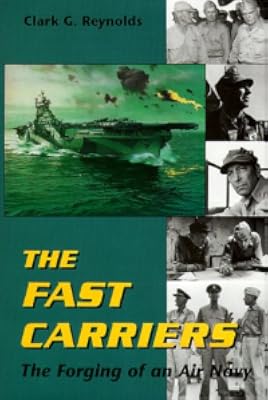
The Fast Carriers: The Forging of an Air Navy
by Clark G. Reynolds
On This Page
Description
This classic study is considered essential reading for its analysis of fast aircraft carrier development in WWII. It provides a fascinating record not only of the U.S. Navy's metamorphosis from a battleship-oriented to a carrier-centered fleet, but also of the heated debates that took place over the changing naval strategy. With an insider's grasp of the famous individuals involved, award-winning naval historian Clark G. Reynolds takes readers from the war rooms of Washington to the flight show more decks of the Pacific. He vividly describes the battles over the concept of fast carriers between the air admirals and battleship admirals and offers little-known details gleaned from personal interviews and private diaries. show lessTags
Recommendations








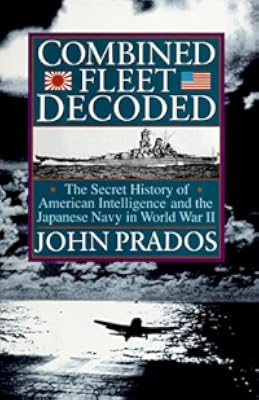


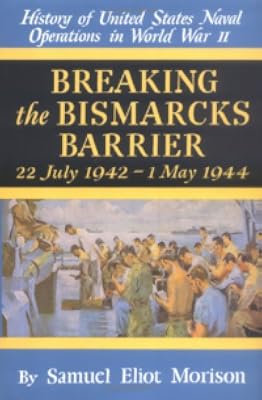


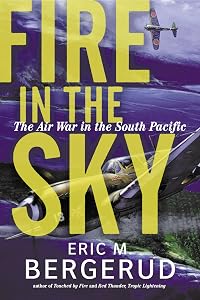

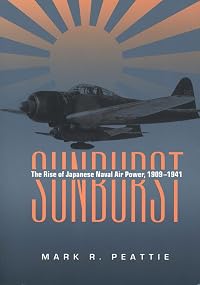






Member Recommendations
by anonymous user
Member Reviews
I'm a nut about aircraft carriers and the war in the South Pacific, and I think this is the best book I've ever read on the subject. The author starts with the development of fast carriers in the 20's and 30's, then talks about the early days of World War II when both the Japanese and American navies knew they had a powerful offensive weapon, didn't quite know how to use it. He finishes with America's success in developing carrier task forces and Air Admirals. If you are interested in this subject, you can't do better than this in one volume.
The gold standard of naval history as regards aircraft carrier warfare in the Pacific theatre. There is a useful level of technical uses of the ships, and good biographical sketches of the principal commanders on the USN side. If one couples this book with the excellent H.T. Lenton handbook "American Battleships , Carriers, and Cruisers', a great deal of operational detail confusion is open to analysis. Into the bargain, the author has a high level of writing skill. If anyone had done so well for the IJN I'd be a very happy reader.
Excellent book about the evolution of the fast carriers, the air navy and the men in command. For a 1968 edition, it is incitful about the flaws of 2 of the "heroes", Slew McCain and Bull Halsey. Vignettes at the beginning and summaries at the end pinpoint the skills, ineptitudes,"gun room" prejudices, failures and successes of the major actors in this fast evolving aspect of WW2. Balanced and generally supportive review re: the role of the Royal Navy in the Pacific. I look forward to the 2008 edition to see what changes 40 yrs of documentation and analysis bring to the then 28 year old author.
Probably the best overall treatment of the development and use of U.S. Navy carriers in World War II.
Ratings
Members
- Recently Added By
Author Information
15 Works 643 Members
Common Knowledge
- People/Characters
- Miles Browning; Arleigh Burke; James Doolittle; Jack Fletcher; James Forrestal; Minoru Genda (show all 21); William F. Halsey Jr. (admiral); George Kenney; Ernest King (admiral); Thomas Kinkaid (admiral); Willis A. Lee (admiral); Douglas MacArthur (General); John McCain (Admiral); Marc Mitscher (Admiral); Chuichi Nagumo; Chester Nimitz; Forrest Sherman (Admiral); Frederick Sherman (Admiral); Raymond Spruance; John Towers (Admiral); Isoroku Yamamoto (Admiral)
- Important events
- World War II, Pacific Theater
- First words
- A small high-speed carrier alone can destroy or disable a battleship alone. A fleet whose carriers give command of the air over the enemy fleet can defeat the latter.
Classifications
Statistics
- Members
- 99
- Popularity
- 327,176
- Reviews
- 4
- Rating
- (4.09)
- Languages
- English
- Media
- Paper, Ebook
- ISBNs
- 4
- ASINs
- 5