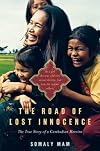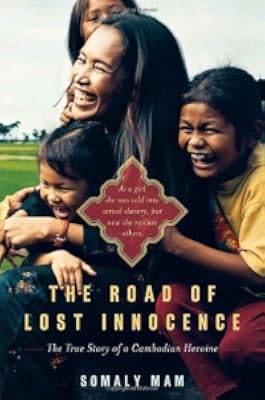
The Road of Lost Innocence
by Somaly Mam
On This Page
Description
Born in a Cambodian village, Somaly Mam was sold into sexual slavery by her grandfather at age twelve. For the next decade she was shuttled through the brothels that make up the sprawling sex trade of Southeast Asia. She suffered the brutality and horrors of human trafficking--rape, torture, deprivation--until she managed to escape with the help of a French aid worker. Emboldened by her newfound freedom, education, and security, Somaly blossomed but remained haunted by the girls in the show more brothels she left behind. This book tells the story of her awakening as an activist and her harrowing and brave fight against the powerful and corrupt forces that steal the lives of these girls. She has built shelters, started schools, and founded an organization that has so far saved more than four thousand women and children in Cambodia, Thailand, Vietnam, and Laos.--From publisher description. show lessTags
Recommendations
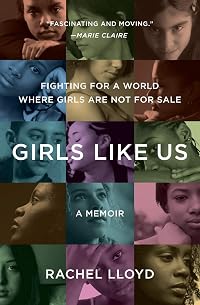
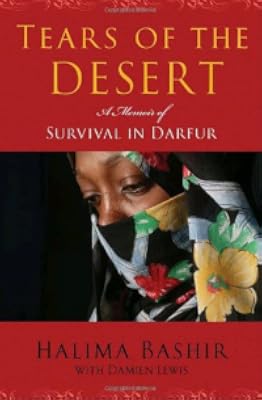
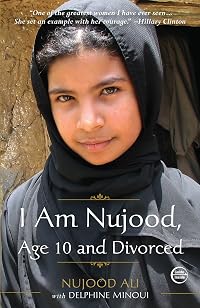
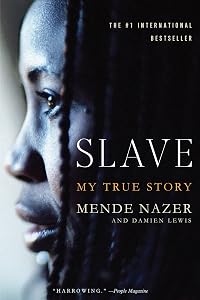
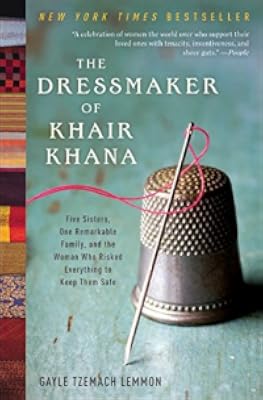
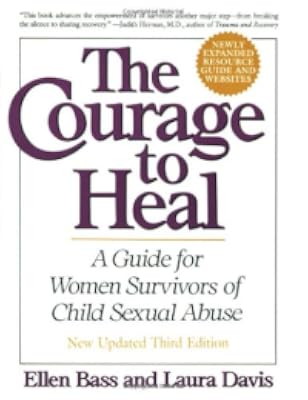
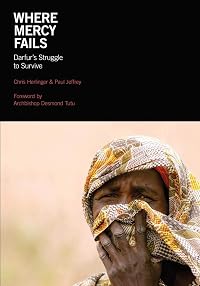
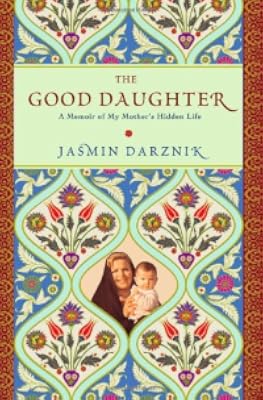
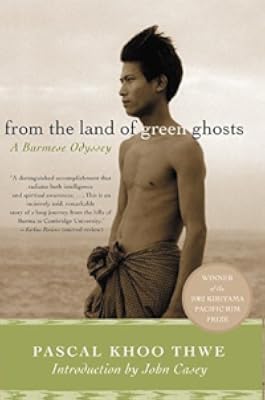
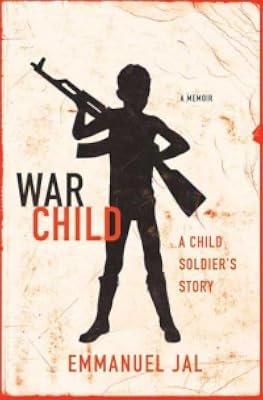
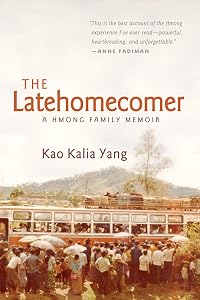
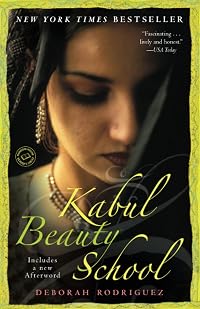
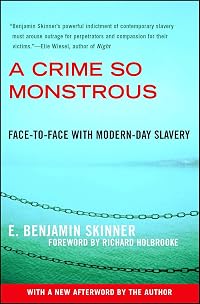
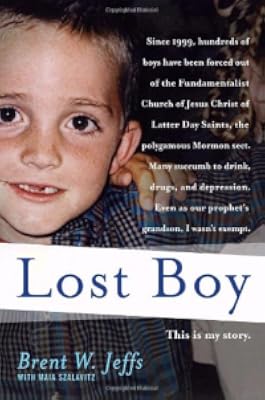

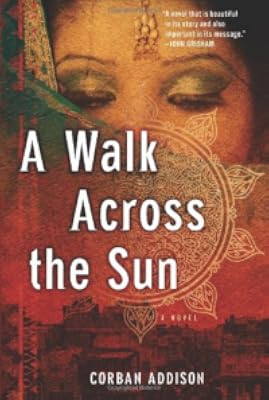
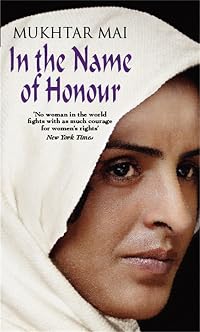
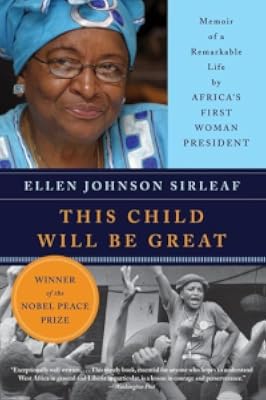
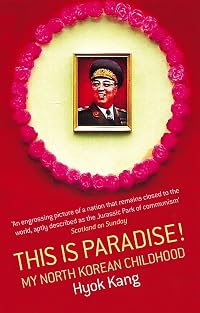
Member Recommendations
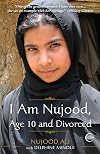
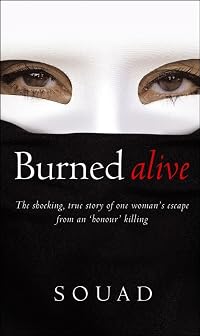
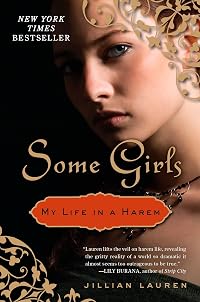
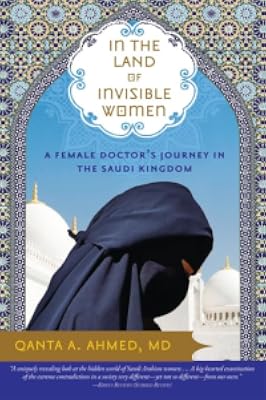
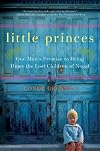
Yervant Both these memoirs recount experiences of young girls in different parts of the world--Yemen and Cambodia--being married into what amounts to nothing more than child abuse. One focuses on female/child trafficking in Cambodia and the other on cultural norms in Yemen that allow for child marriages.
Member Reviews
Somaly Mam was sold into prostitution at the age of about 12 years old, after having already been beaten and raped by multiple men. [The Road of Lost Innocence] is Mam’s memoir, detailing her years in the brothels of Cambodia, her eventual escape, and the national aid organization she founded to help other victims escape. Mam recounts the nightmare of her life in simple and straightforward language, never shying from the awful details of the sex industry in Southeast Asia. The story is ultimately one of sheer will to survive, as Mam didn’t really do anything special to escape, except outlasting her tormentors. The real story of the human spirit is Mam’s later work to help other victims like her escape and live safe, full show more lives.
Bottom Line: A story that should be read by all, but one that not everyone will want to read.
4 bones!!!! show less
Bottom Line: A story that should be read by all, but one that not everyone will want to read.
4 bones!!!! show less
This book is honest, brutally, painfully honest and that is really why it can make a difference. With every page I felt Somaly Mam's struggle with the prostitution that was a big part of her past and how the very same past has propelled her forward. I feel lucky, extremely lucky, because I know had I lived the life she has I would have been completely broken and not able to stand up for righteousness like she has. She is a true hero.
In many ways the story of the little Cambodian girls sold by their very own parents, owned like commodities by different people in different points in their lives, I find those stories similar to the untold stories of little Nepalese girls in the forgotten villages of my country. It has made it easier for show more me to empathize with the horrors described in the book. This book shows Mam's strength as a human being and her story is one that deserves to be told.
In many ways it is not the writing or even the content of the book that will draw the reader in; it is the brutally honest way that the story is written that will leave a lasting impression. One can feel the pain Mam was feeling, see the horrors that she was encountering from her past while writing this book. The fact that she completed this book no matter what it cost her to go down the memory lane is what makes this even more commendable.
It is a must read for every person of every gender who want to know how deep the roots of sex slavery, prostitution and human trafficking go into our society. show less
In many ways the story of the little Cambodian girls sold by their very own parents, owned like commodities by different people in different points in their lives, I find those stories similar to the untold stories of little Nepalese girls in the forgotten villages of my country. It has made it easier for show more me to empathize with the horrors described in the book. This book shows Mam's strength as a human being and her story is one that deserves to be told.
In many ways it is not the writing or even the content of the book that will draw the reader in; it is the brutally honest way that the story is written that will leave a lasting impression. One can feel the pain Mam was feeling, see the horrors that she was encountering from her past while writing this book. The fact that she completed this book no matter what it cost her to go down the memory lane is what makes this even more commendable.
It is a must read for every person of every gender who want to know how deep the roots of sex slavery, prostitution and human trafficking go into our society. show less
After reading the book and then researching Somaly Mam I am left unsure of what to believe. I believe this is a book about the real fight for the victims of human trafficking, prostitution, corruption and the effects of war in Cambodia. While Somala seems to be guilty of changing the facts to gain attention to the problems of women in her country, she has certainly been working tirelessly to try to improve the conditions there. It seems that when checked, many of our heros do the same thing. But it is a read that provokes discussion and attention to the life there and should bring understanding to those who live in the trauma of a war torn, corrupt country...
Why read this book?
The author uses an honest, direct approach to her story. She recalls horrifying details of being a child prostitute, dark-skinned and half-Phnong (considered inferior), who was abused and mistreated for most of her young life. Somaly's recollections of this brutal world are so disturbing that she admits being sickened by her own retelling.
Somaly gives great insight into Cambodian cultue and the social, historical and cultural aspects that have made it acceptable to sell young girls into prostitution. When Somaly finally escapes her past, she establishes a program designed to rescue girls from prostitution. There are a few successful rescues but she quickly faces government corruption, funding problems, and new show more sadistic means to maintain the demand for young prostitutes.
This book ends at 200+ pages but the struggle continues for Somaly Mam and her organization. Modern slavery still exists and there are far too many people who profit from this horrific trade. show less
The author uses an honest, direct approach to her story. She recalls horrifying details of being a child prostitute, dark-skinned and half-Phnong (considered inferior), who was abused and mistreated for most of her young life. Somaly's recollections of this brutal world are so disturbing that she admits being sickened by her own retelling.
Somaly gives great insight into Cambodian cultue and the social, historical and cultural aspects that have made it acceptable to sell young girls into prostitution. When Somaly finally escapes her past, she establishes a program designed to rescue girls from prostitution. There are a few successful rescues but she quickly faces government corruption, funding problems, and new show more sadistic means to maintain the demand for young prostitutes.
This book ends at 200+ pages but the struggle continues for Somaly Mam and her organization. Modern slavery still exists and there are far too many people who profit from this horrific trade. show less
Some books are dangerous; reading them opens your eyes and makes you see the world around you in a different way. After reading them this new understanding of reality lingers and is not easily dismissed. Stories like these drive you to action, serving as a call to take up arms. Somaly Mam’s memoir, The Road of Lost Innocence, is one such book.
Born in Cambodia during years of political turmoil, Somaly never knew her parents – she still doesn’t know what became of them. Left by her grandmother in a tribal village, her early years were spent outdoors, roaming amongst the huts looking for food. These years were happy compared to those that would follow after leaving northern Cambodia with a man who claimed to know of her parents at show more the age of six.
This man, her “grandfather” would proceed to beat and molest her, sell her virginity to pay his debts at the age of 11, marry her to an abusive husband at the age of fourteen and finally sell her to a brothel at 16. As you can imagine Somaly’s story is not an easy, feel good read. The list of travesties, betrayals and corruption she has known is far too lengthy to detail here.
Catching glimpses of a better life, Somaly is eventually able to escape from the bondage of sexual slavery. Using the only currency at her disposal she begins to make alliances with foreign men – those with wealth and power – and uses them to begin her slow ascent out of prostitution. After achieving her freedom the girls she left behind haunt her. Knowing the devastation trafficking in girl-flesh wreaks she cannot stand motionless while atrocities are committed; hopefully you won’t be able to either when this story comes to a close.
Presented in spare, matter of fact prose the writing itself mimics the Cambodian attitude towards life; silent, understated. Coming from a people who disguise their emotions to the utmost – simply writing this memoir is a break with traditional Cambodian culture. Somaly however, has long since ceased to be a traditional Cambodian.
The words seek to describe without betraying the depths of emotional pain behind them, but it still seeps through. Between each and every line, in the silences and pauses the pain is there alongside the fear and anger. The Road of Lost Innocence is the anguished soul cry of a woman who has never truly been loved, the heart breaking sobs of a shattered little girl.
Somaly brutally exposes the truth of modern sexual trafficking in south-east Asia through her own story and that of those she has rescued from slavery. She outlines the beginnings of her non-profit organizations that rescue girls and women from brothels, sketching out plans for their reintegration into society. Free of her physical bonds and able to offer hope to those in chains, she remains a broken woman. The aching sadness created throughout her life’s circumstances is still present; only slightly mitigated by her relentless drive to rescue the weak and defend the defenseless.
She tells her story not to evoke sympathy for herself, though her pain is apparent. She writes, offering herself up to the public eye to draw attention to the plight of the girls and women who are still captive; taken against their will and viciously used. Somaly truly wants nothing for herself other than the opportunity to continue working with the victims of sexual trafficking and to draw awareness to their plight.
Truly, every responsible citizen of the world should engage Somaly’s work. The difficult stories need to be told, more than that - they must be acted upon. Only with eyes opened to the atrocities surrounding us can we step out in faith, reaching into the darkness to rescue those bound there.
Reviewed at http://quiverfullfamily.com show less
Born in Cambodia during years of political turmoil, Somaly never knew her parents – she still doesn’t know what became of them. Left by her grandmother in a tribal village, her early years were spent outdoors, roaming amongst the huts looking for food. These years were happy compared to those that would follow after leaving northern Cambodia with a man who claimed to know of her parents at show more the age of six.
This man, her “grandfather” would proceed to beat and molest her, sell her virginity to pay his debts at the age of 11, marry her to an abusive husband at the age of fourteen and finally sell her to a brothel at 16. As you can imagine Somaly’s story is not an easy, feel good read. The list of travesties, betrayals and corruption she has known is far too lengthy to detail here.
Catching glimpses of a better life, Somaly is eventually able to escape from the bondage of sexual slavery. Using the only currency at her disposal she begins to make alliances with foreign men – those with wealth and power – and uses them to begin her slow ascent out of prostitution. After achieving her freedom the girls she left behind haunt her. Knowing the devastation trafficking in girl-flesh wreaks she cannot stand motionless while atrocities are committed; hopefully you won’t be able to either when this story comes to a close.
Presented in spare, matter of fact prose the writing itself mimics the Cambodian attitude towards life; silent, understated. Coming from a people who disguise their emotions to the utmost – simply writing this memoir is a break with traditional Cambodian culture. Somaly however, has long since ceased to be a traditional Cambodian.
The words seek to describe without betraying the depths of emotional pain behind them, but it still seeps through. Between each and every line, in the silences and pauses the pain is there alongside the fear and anger. The Road of Lost Innocence is the anguished soul cry of a woman who has never truly been loved, the heart breaking sobs of a shattered little girl.
Somaly brutally exposes the truth of modern sexual trafficking in south-east Asia through her own story and that of those she has rescued from slavery. She outlines the beginnings of her non-profit organizations that rescue girls and women from brothels, sketching out plans for their reintegration into society. Free of her physical bonds and able to offer hope to those in chains, she remains a broken woman. The aching sadness created throughout her life’s circumstances is still present; only slightly mitigated by her relentless drive to rescue the weak and defend the defenseless.
She tells her story not to evoke sympathy for herself, though her pain is apparent. She writes, offering herself up to the public eye to draw attention to the plight of the girls and women who are still captive; taken against their will and viciously used. Somaly truly wants nothing for herself other than the opportunity to continue working with the victims of sexual trafficking and to draw awareness to their plight.
Truly, every responsible citizen of the world should engage Somaly’s work. The difficult stories need to be told, more than that - they must be acted upon. Only with eyes opened to the atrocities surrounding us can we step out in faith, reaching into the darkness to rescue those bound there.
Reviewed at http://quiverfullfamily.com show less
This is a heart-rending account of Somaly Mam, who was presumably orphaned (or at least lived as one) in the forests of Cambodia. Eventually, she was taken from the forest by someone who purported to be her grandfather, although Somaly had no idea if he truly was related to her or not. The man beat her and eventually sold her virginity to someone in their village. He then married her off, and when her husband either died or abandoned her (it wasn't clear), sold her into a brothel.
In spite of all that had happened to Somaly in her young life, she didn't give up on living. Her will was broken, but she eventually became friends with foreign aid workers (first as a prostitute, and then later marrying one of the men she met). She learned show more French, educated herself, and became an advocate for the children who are still being prostituted against their will in Cambodia today. She has opened several centers in different countries to help these victims, and she tirelessly crusades on their behalf to this day.
The latter part of the book detailed her operations in Cambodia (and Laos, Vietnam, etc). It was definitely inspiring to read how Somaly is working for the voiceless, especially when the government and police seem to be set against her. She helps bring rapists to trial, but then they're acquitted; her life is threatened repeatedly; she's villainized in the press; and her own daughter (well, niece, but whom she's raised as a daughter) is kidnapped and raped, presumably because of Somaly's work. Most other people would be discouraged beyond belief, but Somaly just keeps pushing forward.
The book is straightforward and easy to read, although I found myself wishing that there was more detail about the court system in Cambodia and perhaps the history of why child rape and prostitution is so prevalent in their society. Although touched upon a few times, there's little explanation, and those unfamiliar with Cambodian history may have difficulty understanding the context. show less
In spite of all that had happened to Somaly in her young life, she didn't give up on living. Her will was broken, but she eventually became friends with foreign aid workers (first as a prostitute, and then later marrying one of the men she met). She learned show more French, educated herself, and became an advocate for the children who are still being prostituted against their will in Cambodia today. She has opened several centers in different countries to help these victims, and she tirelessly crusades on their behalf to this day.
The latter part of the book detailed her operations in Cambodia (and Laos, Vietnam, etc). It was definitely inspiring to read how Somaly is working for the voiceless, especially when the government and police seem to be set against her. She helps bring rapists to trial, but then they're acquitted; her life is threatened repeatedly; she's villainized in the press; and her own daughter (well, niece, but whom she's raised as a daughter) is kidnapped and raped, presumably because of Somaly's work. Most other people would be discouraged beyond belief, but Somaly just keeps pushing forward.
The book is straightforward and easy to read, although I found myself wishing that there was more detail about the court system in Cambodia and perhaps the history of why child rape and prostitution is so prevalent in their society. Although touched upon a few times, there's little explanation, and those unfamiliar with Cambodian history may have difficulty understanding the context. show less
This was a terrible, awful, horrible story, but a wonderful book. The author was sold into prostitution as a child but managed to escape by getting married to a foreigner. She started an organization which rescues women from sexual slavery. This is her story and her expose of the corrupt political system that allows this sex trade to flourish.
Most sad of all is her conclusion about why this horrible system has developed in her country. Basically she says, after all the years of war and then the terror of the Pol Pot regime, people have learned to survive by looking out for themselves and only themselves. As a culture they have lost the civility of looking after one another and as such they are willing to sell their children or show more step-children. They are willing to rape children. They are willing to turn a blind eye to women being abused.
A portion of the proceeds from this book go to the author's foundation to help these women. For more information, please go to http://www.somaly.org I'm going to make a donation and urge you to do so too, even if you don't buy the book show less
Most sad of all is her conclusion about why this horrible system has developed in her country. Basically she says, after all the years of war and then the terror of the Pol Pot regime, people have learned to survive by looking out for themselves and only themselves. As a culture they have lost the civility of looking after one another and as such they are willing to sell their children or show more step-children. They are willing to rape children. They are willing to turn a blind eye to women being abused.
A portion of the proceeds from this book go to the author's foundation to help these women. For more information, please go to http://www.somaly.org I'm going to make a donation and urge you to do so too, even if you don't buy the book show less
Members
- Recently Added By
Lists

History: Asia
103 works; 1 member
Author Information

1 Work 531 Members
All Editions
Awards and Honors
Awards
Notable Lists
Common Knowledge
- Canonical title
- The Road of Lost Innocence
- Original title
- Silence de l'innocence
- Alternate titles*
- Alleen tegen de wereld
- Original publication date
- 2005-09 (1e édition originale française, Anne Carrère) (1e édition originale française, Anne Carrère)
- People/Characters
- Somaly Mam
- Important places
- Cambodia
- Dedication
- I dedicate this book to the thousands of little girls who are sold into prostitution every year.
- First words
- My name is Somaly.
- Last words
- (Click to show. Warning: May contain spoilers.)People ask me how I can bear to keep doing what I do. I'll tell you. The evil that's been done to me is what propels me on. Is there any other way to exorcise it?
- Original language*
- Français
*Some information comes from Common Knowledge in other languages. Click "Edit" for more information.
Classifications
- Genres
- Nonfiction, Biography & Memoir
- DDC/MDS
- 362.76092 — Society, government, & culture Social problems and social services Social Welfare Child welfare Sexual Abuse
- LCC
- HQ242.3 .A5 .M3613 — Social sciences The family. Marriage, Women and Sexuality The Family. Marriage. Women Sexual life Prostitution
- BISAC
Statistics
- Members
- 531
- Popularity
- 56,282
- Reviews
- 23
- Rating
- (3.96)
- Languages
- 16 — Arabic, Danish, Dutch, English, French, German, Italian, Japanese, Lithuanian, Norwegian (Bokmål), Norwegian, Polish, Slovenian, Spanish, Swedish, Turkish
- Media
- Paper, Audiobook, Ebook
- ISBNs
- 31
- ASINs
- 6