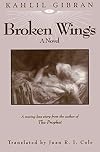
The Broken Wings
by Kahlil Gibran
On This Page
Description
Many of the earliest books, particularly those dating back to the 1900s and before, are now extremely scarce and increasingly expensive. We are republishing many of these classic works in affordable, high quality, modern editions, using the original text and artwork.Tags
Recommendations













Member Reviews
This story was terribly tragic but at the same time comforting on some level. I don't think I have ever read a description of love at a spiritual level that was quite as well portrayed as this. The poetic language was lovely. It had an interesting mix of Islam, Christanity, Judaism and Ishtar blended into a wonderful spiritual philosophy.
This story is romance poetry by Gibran story of guy who just got out of jail for a crime unknown and met his father friend(Farris effandi) and his meeting become frequent because Uncle has daughter and he started having feeling for her, but one evening on his visit , father is summoned by bishop and ask her daughter hand for his nephew , a greedy Uncle and nephew were behind Selma father inheritance to cover there deed and live a comfortable life. But Selma and narrator were keep meeting on monthly basis for a year but things start to faulted and Selma got afraid that he doesn't get punished for anything so they gave up, Five years of married life was a plight of Selma but her end was beautiful and the love story remained unfulfilled show more because they didn't present there argument of love in front of her father in time to get rid of sorrow and pain in there life show less
“The appearance of things changes according to the emotions; and thus we see magic and beauty in them, while the magic and beauty are really in ourselves.”
بعض الاقتباسات :
.
الحب قد عتق لساني فتكلمت ومزق اجفاني فبكيت و فتح حنجرتي فتنهدت وشكوت
.
في تلك السنة ولدت ثانية والمرء ان لم تحبل به الكآبة ويتمخض به اليأس وتضعه المحبة في مهد الاحلام تظل حياته كصفحة خالية بيضاء في كتاب الكيان
.
"المحبة هي الحرية الوحيدة في هذا العالم لأنها ترفع النفس إلى مقام سام لا تبلغه شرائع البشر وتقاليدهم، ولا تسود عليه نواميس الطبيعة وأحكامه
.
ا جمال سلمى لم يكن في شعرها الذهبي بل في هالة show more الطهر المحيطة به. ولم يكن في عينيها الكبيرتين بل في النور المنبعث منهما. ولا في شفتيها الورديتين بل في الحلاوة السائلة عليهما. ولا في عنقها العاجي بل في كيفية انحنائه قليلاً إلى الأمام. جمال سلمى لم يكن في كمال جسدها بل في نبالة روحها الشبيهة بشعلة بيضاء متقدة سابحة بين الأرض واللانهاية. جمال سلمى كان نوعاً من النبوغ الشعري الذي نشاهد أشباحه في القصائد السامية والرسوم والأنغام الخالدة، وأصحاب النبوغ تعساء مهما تسامت أرواحهم تظل مكتنفة بغلاف من الدموع.
.
ما أجهل الناس الذين يتوهمون أن المحبة تتولد بالمعاشرة الطويلة والمرافقة المسمرة.... إن المحبة الحقيقية هي ابنة التفاهم الروحي و إن لم يتم هذا التفاهم بلحظة واحدة لا يتم بعام او بجيل كامل
.
“إن النفس الحزينة المتألمة تجد راحة بانضمامها إلى نفس أخرى تماثلها بالشعور و تشاركها بالإحساس مثلما يستأنس الغريب بالغريب في أرض بعيدة عن
وطنهما..
فالقلوب التي تدنيها أوجاع الكآبة بعضها من بعض لا تفرقها بهجة الأفراح و بهرجتها .
فرابطة الحزن أقوى في النفوس من روابط الغبطة والسرور .
و الحب الذي تغسله العيون بدموعها يظلّ طاهراً وجميلاً و خالداً.
.
إ
“إن المحبة المحدودة تطلب امتلاك المحبوب ، أما المحبة غير المتناهية فلا تطلب غير ذاتها . المحبة التي تجيء بين يقظة الشباب وغفلته تستكفي باللقاء وتقنع بالوصل وتنمو بالقبل و العناق ، أما المحبة التي تولد في أحضان اللانهاية وتهبط مع أسرار الليل فلا تقنع بغير الأبدية . ولا تستكفي بغير الخلود ولا تقف متهيبة أمام شيء سوى الألوهية ..”
اشفق يارب وشدد جميع الاجنحة المتكسرة .. show less
يا الله أشدد و أجبر الأجنحة المنكسرة
موجعة ومؤلمة بشــدة :(
موجعة ومؤلمة بشــدة :(
Ne Le ali spezzate, l’unica opera in cui Gibran sperimentò la forma del romanzo, il poeta si immerge nel ricordo del suo primo amore. Quale giovane può dimenticarlo – chiede a tutti noi. L’amore, in cui egli riconosce il sommo significato dell’esistenza, sentimento capace di dispiegare il nostro cuore nell’estasi del volo, ma altrettanto di ferirlo e di gettarlo nella disperazione quando viene meno, spezzando le ali.
È il 1901. Gibran si trova a Beirut quando incontra Faris Karamy, antico amico del padre, che lo invita nella sua casa. È qui che conosce Selma, sua figlia, che cambierà profondamente la sua vita. Giovane introverso e solitario, impegnato a indagare il significato della natura e a ricercare rivelazioni nei show more libri e nelle scritture, Gibran viene «iniziato» ai segreti dell’amore. Ed ecco che la bellezza e la consolazione irradiano lo squallore dei giorni; la melodia invade i silenzi delle sue notti. Corpo e spirito sono avvinti in un’unione così elevata da sfiorare il Divino. Ma Selma, suo malgrado, gli rivelerà anche il dolore della separazione. Promessa in sposa a un uomo gretto ed egoista, in virtù del patrimonio paterno, seguirà il suo tragico destino, trovando conforto solo in una lapide di marmo, all’ombra dei cipressi.
Con magistrale bellezza Gibran si offre ancora una volta all’umanità con la sua voce sublime battendosi contro tutti i tabù tradizionali per affermare, al di là della sofferenza e della morte, l’amore, «unica libertà al mondo», nel cuore dell’uomo. show less
È il 1901. Gibran si trova a Beirut quando incontra Faris Karamy, antico amico del padre, che lo invita nella sua casa. È qui che conosce Selma, sua figlia, che cambierà profondamente la sua vita. Giovane introverso e solitario, impegnato a indagare il significato della natura e a ricercare rivelazioni nei show more libri e nelle scritture, Gibran viene «iniziato» ai segreti dell’amore. Ed ecco che la bellezza e la consolazione irradiano lo squallore dei giorni; la melodia invade i silenzi delle sue notti. Corpo e spirito sono avvinti in un’unione così elevata da sfiorare il Divino. Ma Selma, suo malgrado, gli rivelerà anche il dolore della separazione. Promessa in sposa a un uomo gretto ed egoista, in virtù del patrimonio paterno, seguirà il suo tragico destino, trovando conforto solo in una lapide di marmo, all’ombra dei cipressi.
Con magistrale bellezza Gibran si offre ancora una volta all’umanità con la sua voce sublime battendosi contro tutti i tabù tradizionali per affermare, al di là della sofferenza e della morte, l’amore, «unica libertà al mondo», nel cuore dell’uomo. show less
Mar 31, 2012 (Edited)Italian
Bello, intenso, mi ha fatto riflettere, mi ha fatto male..
Un libro d'amore, un amore che consuma, che t'innalza anche se sei in gabbia.
Questo libro mi ha lasciato una piccola ferita, ma ne è valsa la pena.
Un libro d'amore, un amore che consuma, che t'innalza anche se sei in gabbia.
Questo libro mi ha lasciato una piccola ferita, ma ne è valsa la pena.
Apr 23, 2012Italian
Members
- Recently Added By
Lists

Books Read in 2018
4,360 works; 110 members
Author Information

741+ Works 29,299 Members
Khalil Gibran, also known as Kahlil Gibran, was born on January 6, 1883 in Northern Lebanon. As a result of his family's poverty, he received no formal education as a small child but had regular visits from the local priest who taught him about the Bible as well as the Syrian and Arabic languages. After his father was imprisoned for embezzlement show more and his family's property was confiscated by the authorities, his mother decided to emigrate to the United States in 1895. They settled in Boston's South End. He attended public school and art school, where he was introduced to the artist, photographer, and publisher Fred Holland Day. A publisher used some of Gibran's drawings for book covers in 1898. His family forced him to return to Lebanon to complete his education and learn the Arabic language. He enrolled in Madrasat-al-Hikmah, a Maronite-founded school, which offered a nationalistic curriculum partial to church writings, history and liturgy. He learned Arabic, French, and exceled in poetry. He returned to the United States in 1902. In 1904, he hosted his first art exhibit, which featured his allegorical and symbolic charcoal drawings. During this exhibition, he met Mary Elizabeth Haskell, who would go on to fund Gibran's artistic development for nearly his entire life. Not only was he an artist, but he also wrote poetry and other works including The Madman, The Prophet, and Sand and Foam. He died of cirrhosis of the liver and tuberculosis on April 10, 1931. (Bowker Author Biography) show less
Some Editions
Awards and Honors
Series
Belongs to Publisher Series
Work Relationships
Is contained in
Inspired
Common Knowledge
- Canonical title
- The Broken Wings
- Original title
- الأجنحة المتكسرة
- Alternate titles
- Al-Ajniha Al-Mutakassirah
- Original publication date
- 1912; 1956 (English translation) (English translation)
- People/Characters
- Selma Karamy; Farris Effandi Karamy; Bulos Galib (Bishop); Mansour Bey Galib
- Important places
- Beirut, Lebanon
- Dedication
- To the one who gazes at the sun with unblinking eyes, grasps fire with steady hands, and listens to the song of the "Universal" Soul amidst the clamor and uproar of the blind. To M.E.H. I dedicate this book.
- G... (show all)ibran - First words
- I was 18 when love opened my eyes with its enchanted rays and touched my heart for the first time with its blazing fingertips.
- Last words
- (Click to show. Warning: May contain spoilers.)When the grave digger vanished into the cypress grove, my patience and self-control evaporated, and I threw myself on Selma's grave, weeping and mourning her.
- Original language
- Arabic
Classifications
- Genre
- Fiction and Literature
- DDC/MDS
- 892.73 — Literature & rhetoric Asian Literature Afro-Asiatic literatures Arabic (Egypt, Lebanon, Palestine, Saudi Arabia, Sudan) Arabic fiction
- LCC
- PJ7826 .I2 .B7 — Language and Literature Oriental languages and literatures Oriental philology and literature Arabic Arabic literature Individual authors or works
- BISAC
Statistics
- Members
- 679
- Popularity
- 42,078
- Reviews
- 8
- Rating
- (3.97)
- Languages
- 16 — Arabic, Bosnian, Catalan, Czech, Dutch, English, Finnish, German, Greek, Indonesian, Italian, Malay, Serbian, Spanish, Tamil, Thai
- Media
- Paper, Ebook
- ISBNs
- 82
- ASINs
- 36