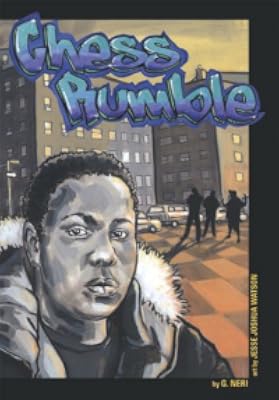
Chess Rumble
by G. Neri
On This Page
Description
Branded a troublemaker due to his anger over everything from being bullied to his sister's death a year before, Marcus begins to control himself and cope with his problems at home and at his inner-city school when an unlikely mentor teaches him to play chess.Tags
Recommendations
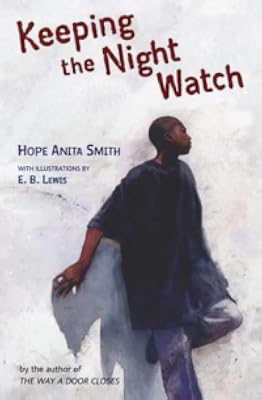
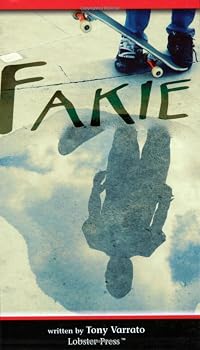
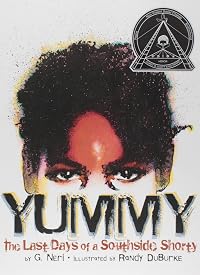
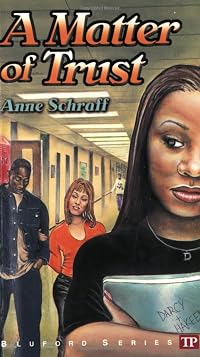

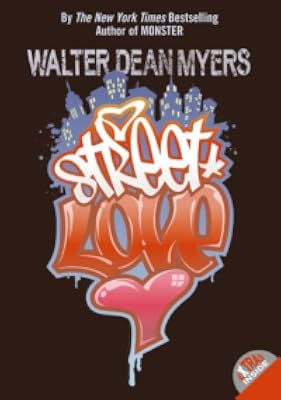




Member Recommendations
Member Reviews
Eleven-year-old Marcus is an extremely troubled youth. His sister, with whom he was close, died the year before of a heart ailment. His father left. Marcus is big and gets teased and bullied about it – especially by a particularly mean kid named Latrell. He copes with his problems by either getting in fights or withdrawing from everyone.
After yet another fight in school, he is sent to the library to cool off. There he encounters “CM” or “Chess Master.” CM tries to teach Marcus chess, and show him the value in thinking ahead. He explains to Marcus: "See, you think you’re a king, but you’re just a pawn. You’re not playing to your strengths. You got brains somewhere in that head a yours. You just gotta use ‘em.”
Marcus show more starts playing chess with CM every day after school, and starts to improve:
"Over the next month CM an’ me play every day after school. We even talk ‘bout stuff that’s botherin’ me, like Latrell an’ my sister, an’ Daddy not bein’ ‘round no more. He show me that all them chess pieces is like a family. That when one fall, the others carry on. They have to. But when one win, the whole family win.”
Marcus actually gets good enough to corral Latrell and challenge him to play. Pretty soon Latrell wants to learn also. CM tells Marcus he is starting a group of “chess warriors,” based on support and friendly competition rather than cruelty and violence. Marcus thinks he can do this, and even be good at it. CM tells him “Yeah, I think you’re figurin’ out your endgame.”
Evaluation: I love G. Neri. He has an outstanding ability to capture the anger and hurt and yearning and voice of poverty and broken families and gangs. He always makes me cry. A shout out too for Jesse Joshua Watson, whose illustrations are terrific. show less
After yet another fight in school, he is sent to the library to cool off. There he encounters “CM” or “Chess Master.” CM tries to teach Marcus chess, and show him the value in thinking ahead. He explains to Marcus: "See, you think you’re a king, but you’re just a pawn. You’re not playing to your strengths. You got brains somewhere in that head a yours. You just gotta use ‘em.”
Marcus show more starts playing chess with CM every day after school, and starts to improve:
"Over the next month CM an’ me play every day after school. We even talk ‘bout stuff that’s botherin’ me, like Latrell an’ my sister, an’ Daddy not bein’ ‘round no more. He show me that all them chess pieces is like a family. That when one fall, the others carry on. They have to. But when one win, the whole family win.”
Marcus actually gets good enough to corral Latrell and challenge him to play. Pretty soon Latrell wants to learn also. CM tells Marcus he is starting a group of “chess warriors,” based on support and friendly competition rather than cruelty and violence. Marcus thinks he can do this, and even be good at it. CM tells him “Yeah, I think you’re figurin’ out your endgame.”
Evaluation: I love G. Neri. He has an outstanding ability to capture the anger and hurt and yearning and voice of poverty and broken families and gangs. He always makes me cry. A shout out too for Jesse Joshua Watson, whose illustrations are terrific. show less
G. Neri always does an amazing job putting an authentic voice of the streets to paper. Marcus fronts as a tough guy and bully in the wake of his sister's death and his father's leaving the family, but there's a spark of humanity in there waiting to be re-lit, in this case by the Chess Man who shows Marcus how chess strategies can be applied to one's life for the better. Relevant and real.
Chess Rumble is an illustrated fiction book written by G. Neri and illustrated by Jesse Watson. It involves the daily struggles of an overweight adolescent who juggles with the death of his sister and a single parent home. It is set in the suburbs of what seems like a New York-style town. The main character, Marcus, has a difficult time controlling his angry. He chooses violence and as a result, is one step away from being kicked out of school. One day he meets a guy named CM, who introduces him to the game of chess. Marcus does not realize this will change his look on life for the the best.
I loved this book. It is hard to find books for adolescents that actually have a very positive ending. Many students come from a single parent home show more and if they read this, they will have direct contact with ways top deal with their situation. A few issues discussed in the book would be bullying, stress, and family life. I agree with all of these issues because they are all very prominent in the world today. This book can be well mistaken for a book written by Walter Dean Myers. It deals with the same adolescent issues the Myers would write about. Reading this book has confirmed my beliefs that out of every negative situation, something positive can can come out of it.
Teaching Ideas
*Helping students find positive alternatives for difficult situations
*The importance of ending bullying
*The importance of discussing relevant adolescent problems within your classroom to keep in touch with your students.
This is a very well-written book. It shows adolescents a positive outcome to a negative situations. When the odds are stacked against a person, there is always a light at the end of the tunnel. G. Aneurism shows this a more in this book. Every teacher or parent should read this in the classroom of home. show less
I loved this book. It is hard to find books for adolescents that actually have a very positive ending. Many students come from a single parent home show more and if they read this, they will have direct contact with ways top deal with their situation. A few issues discussed in the book would be bullying, stress, and family life. I agree with all of these issues because they are all very prominent in the world today. This book can be well mistaken for a book written by Walter Dean Myers. It deals with the same adolescent issues the Myers would write about. Reading this book has confirmed my beliefs that out of every negative situation, something positive can can come out of it.
Teaching Ideas
*Helping students find positive alternatives for difficult situations
*The importance of ending bullying
*The importance of discussing relevant adolescent problems within your classroom to keep in touch with your students.
This is a very well-written book. It shows adolescents a positive outcome to a negative situations. When the odds are stacked against a person, there is always a light at the end of the tunnel. G. Aneurism shows this a more in this book. Every teacher or parent should read this in the classroom of home. show less
Personal response:
This would be a positive book for many young men to read, especially for the middle school age group. It demonstrates both the potential consequences of anger expression through physical violence, and the positive alternatives along with the benefits of those. I enjoyed the use of chess terms to break the book into chapters / acts: opening move, middle game, endgame.
Middle school / junior high
Curricular or Programming Connections:
This would be a good choice for any health class or unit discussing making positive choices. This may also be a good inspiration for interest in chess for youth of many ages.
This would be a positive book for many young men to read, especially for the middle school age group. It demonstrates both the potential consequences of anger expression through physical violence, and the positive alternatives along with the benefits of those. I enjoyed the use of chess terms to break the book into chapters / acts: opening move, middle game, endgame.
Middle school / junior high
Curricular or Programming Connections:
This would be a good choice for any health class or unit discussing making positive choices. This may also be a good inspiration for interest in chess for youth of many ages.
Easy reading, free verse format will appeal to upper elementary through middle school reluctant readers. This would be an excellent book to recommend to students who may be going through family issues or anger management problems themselves. A quick read.
Great book, lot's of fighting and there was a good plot.
this book is really good it is more real than any other books like it
Members
- Recently Added By
Author Information

15+ Works 1,767 Members
Greg Neri is a storyteller, filmmaker, artist, and digital media producer. When Greg was in college he made an animated film with jazz legend Chick Corea called A Picasso on the Beach which became a student Academy Award finalist and aired on HBO and Bravo. Neri wrote, produced, and directed his first independent feature film called A Weekend with show more Barbara und Ingrid in 1994. He also taught animation and storytelling to inner city teens in Los Angeles with the group Animactio. They produced over 300 films dealing with issues like teen violence, gangs, and drugs. Greg also co-directed the documentary Fa'a Samoa which followed a 15-year-old Samoan gangbanger through the mean streets of Los Angeles. In 1999, Neri began writing and illustrating for kids and in 2004 started writing for teens. His young adult novels, Chess Rumble (2007 Lee & Low), Surf Mules (2009 Penguin Group), and Yummy (2010 Lee & Low) have garnered numerous awards and honors including American Library Association Quick Pick for Reluctant Readers, International Reading Association Young Adults Choice, American Library Association Notable Book, Society of School Librarians International Best Book in the Language Arts, Coretta Scott King Author Honor, and YALSA Top 10 Quick Picks. Neri currently lives off the Gulf Coast of Florida with his wife and daughter. (Bowker Author Biography) show less
All Editions
Awards and Honors
Awards
Distinctions
Classifications
Statistics
- Members
- 158
- Popularity
- 207,436
- Reviews
- 7
- Rating
- (4.16)
- Languages
- English
- Media
- Paper, Ebook
- ISBNs
- 3