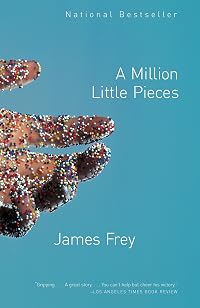
On This Page
Description
By the time James Frey enters a drug and alcohol treatment facility, he has so thoroughly ravaged his body that the doctors are shocked he is still alive. Inside the clinic, he is surrounded by patients as troubled as he: a judge, a mobster, a former world-champion boxer, and a fragile former prostitute. To James, their friendship and advice seem stronger and truer than the clinic's droning dogma of How to Recover. James refuses to consider himself a victim of anything but his own bad show more decisions. He insists on accepting sole accountability for the person he has been and the person he may become-which he feels runs counter to his counselor's recipes for recovery. He must fight to survive on his own terms, for reasons close to his own heart. And he must battle the ever-tempting chemical trip to oblivion. An uncommon accounting of a life destroyed and reconstructed, and a provocative alternative understanding of the nature of addiction and the meaning of recovery, A Million Little Pieces marks the debut of a bold and talented literary voice. show lessTags
Recommendations
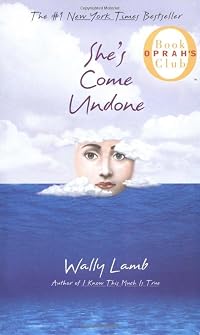
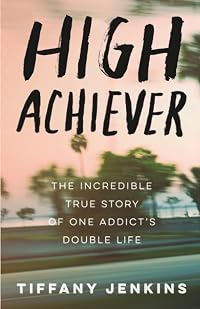
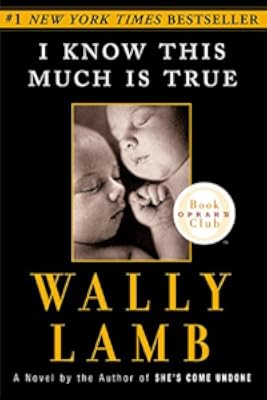
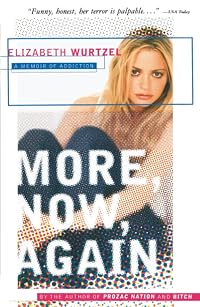
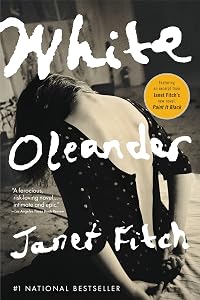
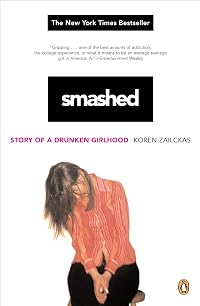
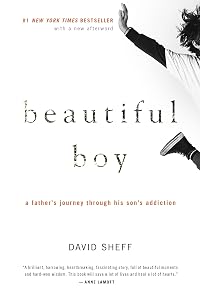
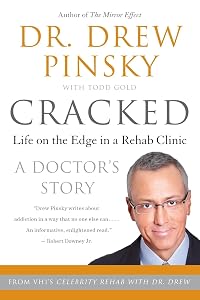
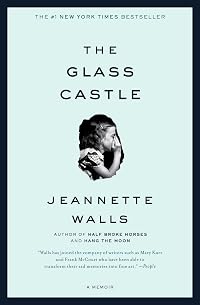
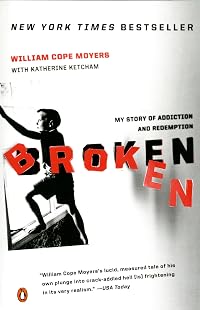
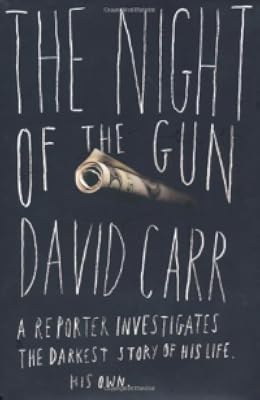
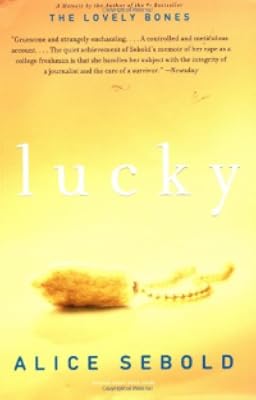

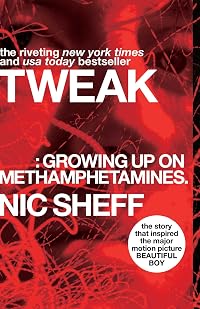
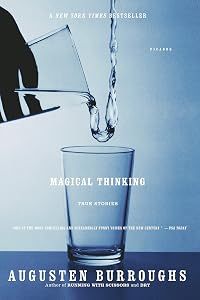
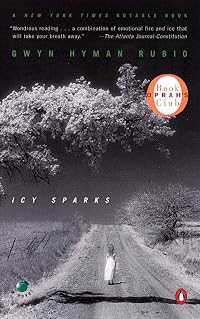
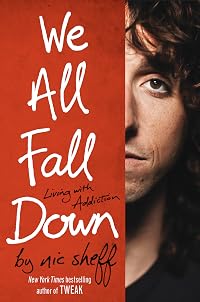
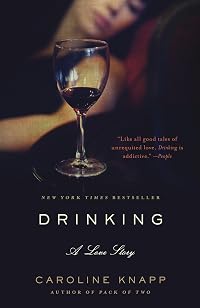
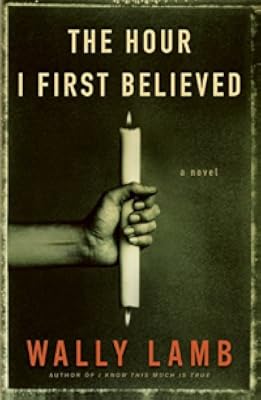
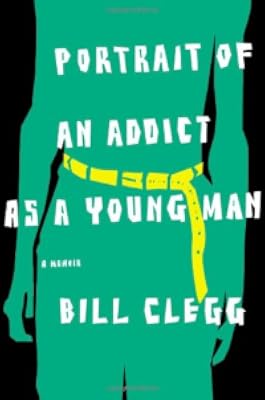
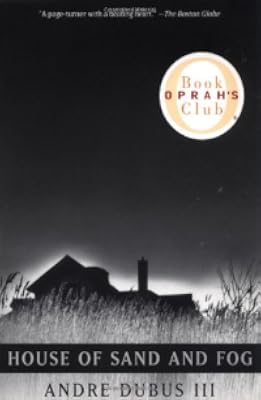


Member Recommendations

GYKM National Book Award winner that doesn't play the cult of personality game by claiming this to be anything other than a novel.
by tashtashtash

Cecrow Another memoir that caused a stir when it turned out to be fictitious.
Member Reviews
A bookclub read, this is either a relentlessly gruelling and honest account of the horrors of addiction, or a self-indulgent, repetitive, nasty and dull monologue about vomiting, hallucinating and wondering whether suicide is the better option.
I found nothing to like here: it starts with Frey semi-conscious and amnesiac, spitting, swearing and sulking, with no redeeming features on offer even after he starts to clean up. The supporting characters are no more appealing, thinly drawn and disinteresting (perhaps in part because the narrator is holding himself aloof), unable to engage my sympathy or curiosity.
As if very little happening (at length) to a dislikeable man weren't enough, Frey chooses to capitalize random Nouns and eschews use show more of standard punctuation (especially for speech). The resulting Hodge Podge of inconsistent capitals and no syntactical crutches makes for a subpar stream of consciousness that hurt to read. The Evening Standard's assertion on the cover that "this is brilliantly written, and if you disagree you can fuck off" was frankly red rag to my enraged bull.
This may (or may not - see Google for debate on whether this novel is as autobiographical as it claims) be a searingly honest account of one man's struggle back from the brink. If so, good for him. I hope he's fully recovered and making up to friends and family for being an asshat. It may be an accurate portrayal of the horror of recovery. But it's not escapist or entertaining, and (as I'm not an addict, and don't plan to become one) it's not educational.
There was a tiny chance in a million that I'd find this interesting, touching, even inspiring. Instead, I quit halfway through rather than work up a truly interminable rant to vent at bookclub. Sorry bookclub. show less
I found nothing to like here: it starts with Frey semi-conscious and amnesiac, spitting, swearing and sulking, with no redeeming features on offer even after he starts to clean up. The supporting characters are no more appealing, thinly drawn and disinteresting (perhaps in part because the narrator is holding himself aloof), unable to engage my sympathy or curiosity.
As if very little happening (at length) to a dislikeable man weren't enough, Frey chooses to capitalize random Nouns and eschews use show more of standard punctuation (especially for speech). The resulting Hodge Podge of inconsistent capitals and no syntactical crutches makes for a subpar stream of consciousness that hurt to read. The Evening Standard's assertion on the cover that "this is brilliantly written, and if you disagree you can fuck off" was frankly red rag to my enraged bull.
This may (or may not - see Google for debate on whether this novel is as autobiographical as it claims) be a searingly honest account of one man's struggle back from the brink. If so, good for him. I hope he's fully recovered and making up to friends and family for being an asshat. It may be an accurate portrayal of the horror of recovery. But it's not escapist or entertaining, and (as I'm not an addict, and don't plan to become one) it's not educational.
There was a tiny chance in a million that I'd find this interesting, touching, even inspiring. Instead, I quit halfway through rather than work up a truly interminable rant to vent at bookclub. Sorry bookclub. show less
Frey has been pilloried for writing under "false pretences". In his defence, it should be noted that it is an incredibly accurate account of what it actually feels like to undergo a detox. Regardless of factual accuracy or otherwise, it is absolutely "true" in the sense of all the best writing, of whatever genre. It therefore thoroughly deserved its place in the best seller list.
I gave this book to a materially and educationally impoverished young alcoholic/crack addict. At the age of 32 he'd never read a book before. He felt that the story was his own; it helped him through his early months of sobriety and quite literally helped save his life. At the same time it gave him an opening into reading for pleasure, something he had never show more understood before.
So do not underestimate this book. It should be valued for its insight into drug and alcohol addiction, although I can see that for non-addicts it may have little meaning. show less
I gave this book to a materially and educationally impoverished young alcoholic/crack addict. At the age of 32 he'd never read a book before. He felt that the story was his own; it helped him through his early months of sobriety and quite literally helped save his life. At the same time it gave him an opening into reading for pleasure, something he had never show more understood before.
So do not underestimate this book. It should be valued for its insight into drug and alcohol addiction, although I can see that for non-addicts it may have little meaning. show less
You may be thinking you'd like to read this book to see what all the fuss is about. Don't. First of all, even putting the "scandal" aside (and I'm sorry, but if you read this book and didn't know that 90 percent of it or more was absolute bullshit, you really need to do some work on your critical thinking skills), the writing style is embarrassing -- an overwrought, pseudo-macho mess. Second, if you buy this book, you're just inflating Frey's bank account, which is tantamount to rewarding this asshole for appalling behavior. If you want a story about addiction, read Ellen Harris's Like Being Killed instead.
This is the only book to date that I have ever deliberately destroyed after reading -- put it through the shredder at work.
This is the only book to date that I have ever deliberately destroyed after reading -- put it through the shredder at work.
I thought that knowing this was mostly fictional wouldn't bother me, since this novel did have a great deal of popularity before the scandal.
I was wrong.
Most of this book seemed like one long ego-trip to me. The main character is portrayed as a hero, while those who are trying to help him (the people who work at the treatment center, mostly) are portrayed as rigid rule-followers who only care about their program and not the people they are trying to treat. James, however, doesn't need their rules and does just fine without them. He seems to know better than these people even though he's been an addict since about ten years old and hasn't been able to help himself before. A lot of stuff seemed exaggerated, and I kept thinking, "Well, show more that's probably not real" throughout the entire thing because of the controversy.
However, A Million Little Pieces isn't completely terrible. Many don't like the writing style, but I really liked it and thought it fitting for the subject matter. The format is sloppy and random words are capitalized. I thought this was good, because as a recovering addict and as someone who has proclaimed that he's "f*d up" most of the time, the format shouldn't be neat and pretty. The words that are capitalized are the ones that are important and the ones that the narrator is focusing on. I think a decent analysis could be done just with the writing rather than the story itself.
Overall though, I didn't like this novel. The main character irritated me with all his bravado, self-righteousness, and hypocrisy. Had these aspects been toned down, I might have enjoyed the read. show less
I was wrong.
Most of this book seemed like one long ego-trip to me. The main character is portrayed as a hero, while those who are trying to help him (the people who work at the treatment center, mostly) are portrayed as rigid rule-followers who only care about their program and not the people they are trying to treat. James, however, doesn't need their rules and does just fine without them. He seems to know better than these people even though he's been an addict since about ten years old and hasn't been able to help himself before. A lot of stuff seemed exaggerated, and I kept thinking, "Well, show more that's probably not real" throughout the entire thing because of the controversy.
However, A Million Little Pieces isn't completely terrible. Many don't like the writing style, but I really liked it and thought it fitting for the subject matter. The format is sloppy and random words are capitalized. I thought this was good, because as a recovering addict and as someone who has proclaimed that he's "f*d up" most of the time, the format shouldn't be neat and pretty. The words that are capitalized are the ones that are important and the ones that the narrator is focusing on. I think a decent analysis could be done just with the writing rather than the story itself.
Overall though, I didn't like this novel. The main character irritated me with all his bravado, self-righteousness, and hypocrisy. Had these aspects been toned down, I might have enjoyed the read. show less
On the back-cover the Observer describes this as 'memoir', which surprised me as the look-at-me style of writing and the parade of characters with interesting back-stories read more like literary fiction to me.
The constant repetitions, lack of punctuation and random use of capital letters irritated me but worked brilliantly to showcase 'James Frey' the character: individual, arrogant, cool with a fierce addiction. Similarly the constant use of the present tense and the minute detail was a powerful literary device and spotlighted the narrator's ego and self-obsession.
I have no first-hand experience of being 'in recovery'. From what I gather from an addict this side of the pond, her meetings tend to be largely populated by feckless, show more inarticulate and angry individuals who are also poor. But of course they wouldn't have access to the expensive, residential care depicted here, which attracts judges and mafia bosses.
Having been to the dentist the morning I read that scene, the minute detail made me squirm, to be honest I concentrated on anything but what my dentist was doing, so bravo for James for paying attention.
The style of writing did annoy me but then again it was perfect for the subject-matter. And the seemingly moment-by-moment thoughts and feelings displayed enlightened me to the loathing/fear/self-absorption of someone trying to free themselves from addiction. show less
The constant repetitions, lack of punctuation and random use of capital letters irritated me but worked brilliantly to showcase 'James Frey' the character: individual, arrogant, cool with a fierce addiction. Similarly the constant use of the present tense and the minute detail was a powerful literary device and spotlighted the narrator's ego and self-obsession.
I have no first-hand experience of being 'in recovery'. From what I gather from an addict this side of the pond, her meetings tend to be largely populated by feckless, show more inarticulate and angry individuals who are also poor. But of course they wouldn't have access to the expensive, residential care depicted here, which attracts judges and mafia bosses.
Having been to the dentist the morning I read that scene, the minute detail made me squirm, to be honest I concentrated on anything but what my dentist was doing, so bravo for James for paying attention.
The style of writing did annoy me but then again it was perfect for the subject-matter. And the seemingly moment-by-moment thoughts and feelings displayed enlightened me to the loathing/fear/self-absorption of someone trying to free themselves from addiction. show less
this was at least twice as long as it needed to be, and not just because of the overused repetition. i thought, whether fiction or memoir, that there is a worthy story in here, but i didn't really read it in this book. i wish i did because there is some interesting and maybe important stuff about being so stuck on a certain method of treatment that you can't see something else working for someone, or about how a god centered approach just isn't going to work for everyone since we don't all believe in god. but i didn't like the way this was written enough that the style took away from the book and message (so did his arrogance, but mostly it was his style). this was written in a vaguely experimental way, but by someone who - he tells us show more this in the book - doesn't think rules apply to him. so he's writing to break the rules just because that's "who he is," but it turns out that to break the rules and write a good book requires knowing some stuff about writing. this just came across as pretentious, annoying, and not good writing. and arrogant. so arrogant.
my main problem with the book, though, is that - and i'm not talking about the "controversy" here - it doesn't read as true. parts of it do, but lots of it feel so false. probably the false parts are the real ones, and the sections that seem real are the made up ones, but it reads uneven and the language doesn't even seem real. i just never felt like his writing was really honest, in contrast to the memoir i'd just finished, the chronology of water. it felt much more like he was just saying "look at me, look at me" and his purpose was just that, not to tell the story behind it. just to tell how far he'd fallen and so how far he'd come back, how strong he was to do it the way he did; it was about him, not a larger story.
as to how much of it was made up - certainly memories aren't reliable and memoirs are, in my opinion, always some part fiction. it sounds like maybe his was more fiction than would normally be acceptable, but that is really irrelevant to me and my review. although i did find these quotes funny in light of all of this:
"It tells the truth, and as awful as it can be, the truth is what matters. It is what I should be remembered by, if I am remembered at all. Remember the truth. It is all that matters."
"...is not in any way, shape or form related to its truth, and that is all that matters, the truth. That this man is standing in front of me and everyone else in this room lying to us is heresy. The truth is all that matters. This is fucking heresy." show less
my main problem with the book, though, is that - and i'm not talking about the "controversy" here - it doesn't read as true. parts of it do, but lots of it feel so false. probably the false parts are the real ones, and the sections that seem real are the made up ones, but it reads uneven and the language doesn't even seem real. i just never felt like his writing was really honest, in contrast to the memoir i'd just finished, the chronology of water. it felt much more like he was just saying "look at me, look at me" and his purpose was just that, not to tell the story behind it. just to tell how far he'd fallen and so how far he'd come back, how strong he was to do it the way he did; it was about him, not a larger story.
as to how much of it was made up - certainly memories aren't reliable and memoirs are, in my opinion, always some part fiction. it sounds like maybe his was more fiction than would normally be acceptable, but that is really irrelevant to me and my review. although i did find these quotes funny in light of all of this:
"It tells the truth, and as awful as it can be, the truth is what matters. It is what I should be remembered by, if I am remembered at all. Remember the truth. It is all that matters."
"...is not in any way, shape or form related to its truth, and that is all that matters, the truth. That this man is standing in front of me and everyone else in this room lying to us is heresy. The truth is all that matters. This is fucking heresy." show less
och sedan kampen att överleva. Det har diskuterats om det är en självbiografi, författaren har lånat sitt namn till James som historien handlar om. Boken är kanske inte helt igenom taget ur livet , kanske har James Frey lånat andras berättelser från folk han har träffat men det stämmer att han själv hade ett tungt missbruk så nog tror jag att stora delar av biken är taget ur hans liv. Det är en jätte bra bok som ger en hopp och som visar att om man vill så kan man förendra sitt liv hur jävligt man än har det och hur långt ner man än har fallit så är vi människor överlevare och så länge det finns liv så finns det hopp. Det finns även en fortsättning på Tusen små Bitar som är lika bra, i Min vän Leonard show more beskriver James hur det har gått sen när han lämnade behandlingshemmet. : Berättelse om hur det är att sluta missbruka och hitta tillbaka till samhället.
"Tusen små bitar" är en brutal bok, som beskriver missbrukets becksvarta mörker och dess ibland osannolikt negativa konsekvenser. Här finns inget skönmålande, utan bara en skoningslös och rå verklighet. Som läsare känner jag all hans smärta, ångest och aggression. Jag får dela alla de känslor han känner och jag förstår. James är en otroligt modig person och det är spännande att följa hans tuffa vardag på behandlinghemmet och hans mentala och känslomässiga uppvaknande. Detta är en stor bok, välskriven och mycket mycket trovärdig. Den är den överlägset bästa "knarkbok" jag någonsin läst och den rekommenderas naturligtvis varm show less
"Tusen små bitar" är en brutal bok, som beskriver missbrukets becksvarta mörker och dess ibland osannolikt negativa konsekvenser. Här finns inget skönmålande, utan bara en skoningslös och rå verklighet. Som läsare känner jag all hans smärta, ångest och aggression. Jag får dela alla de känslor han känner och jag förstår. James är en otroligt modig person och det är spännande att följa hans tuffa vardag på behandlinghemmet och hans mentala och känslomässiga uppvaknande. Detta är en stor bok, välskriven och mycket mycket trovärdig. Den är den överlägset bästa "knarkbok" jag någonsin läst och den rekommenderas naturligtvis varm show less
Members
- Recently Added By
Lists

Drugs Books
6 works; 2 members

Oprah's Book Club (original and 2.0)
91 works; 21 members

Unreliable Narrators
170 works; 43 members

Biggest Disappointments
606 works; 163 members

Dishonourable Mentions of 2014
80 works; 23 members

Books Read in 2006
422 works; 8 members

Books Read in 2018
4,360 works; 110 members

Pants on fire
27 works; 4 members

Books Tagged Abuse
152 works; 4 members

Books featured on I Don't Even Own a Television
167 works; 3 members

A Grand Waste Of Time
20 works; 1 member

Books We Resisted Reading
178 works; 110 members
Talk Discussions
Past Discussions
A Million Little Pieces: Not quite all James Frey's fault? in Biographies, Memoirs and Autobiographies (June 2025)
Author Information

33+ Works 16,259 Members
James Frey was born on September 12, 1969. He graduated from Denison University in 1992. He eventually moved to Los Angeles and found work as a screenwriter, director, and producer. He wrote the screenplays to the films Kissing a Fool and Sugar: The Fall of the West, which he also directed. He is an American author who was thrust into the show more spotlight after he published his "autobiographical" book, A Million Little Pieces in 2003. By 2006 it became common knowledge that parts of the memoir were fictitious. This lead Frey and his publisher to a public confrontation on the Oprah show. After admitting that he had made parts of the book up, a note was published in future editions of the book to that effect. Also, readers who felt that they were "defrauded" and who bought the book prior to the 2006 date were offered a refund by Random House. His other books include My Friend Leonard, Bright Shiny Morning, and The Final Testament of the Holy Bible. In 2009 he formed a young adult publishing company, Full Fathom Five, which wrote the novels I Am Number Four and The Power of Six under the name of Pittacus Lore. I Am Number Four was made into a movie in 2011. Frey's title, The Calling, co-authored with Nils Johnson-Shelton, made the New York Times bestseller list in 2014. (Bowker Author Biography) show less
Some Editions
Awards and Honors
Awards
Distinctions
Series

Belongs to Publisher Series
Flipback (5)
Work Relationships
Is abridged in
Is parodied in
Has as a student's study guide
Common Knowledge
- Original publication date
- 2003-04-15
- People/Characters
- James Frey
- Important places
- Chicago, Illinois, USA
- Epigraph
- The Young Man came to the Old Man seeking counsel.
I broke something, Old Man.
How badly is it broken?
It's in a million little pieces.
I'm afraid I can't help you.
Why?
There's nothing you c... (show all)an do.
Why?
It can't be fixed.
Why?
It's broken beyond repair. It's in a million little pieces. - First words
- I wake to the drone of an airplane engine and the feeling of something warm dripping down my chin.
- Last words
- (Click to show. Warning: May contain spoilers.)Yes, I'm ready.
Classifications
- Genre
- Biography & Memoir
- DDC/MDS
- 362.29092 — Society, government, & culture Social problems and social services Social Welfare Mental illness Substance abuse Biography; History By Place Biography
- LCC
- HV5831 .M6 .F74 — Social sciences Social pathology. Social and public welfare. Criminology Social pathology. Social and public welfare. Drug habits. Drug abuse
- BISAC
Statistics
- Members
- 10,360
- Popularity
- 943
- Reviews
- 238
- Rating
- (3.48)
- Languages
- 14 — Czech, Dutch, English, Finnish, French, German, Greek, Italian, Norwegian (Bokmål), Polish, Portuguese, Romanian, Spanish, Swedish
- Media
- Paper, Audiobook, Ebook
- ISBNs
- 53
- UPCs
- 1
- ASINs
- 15