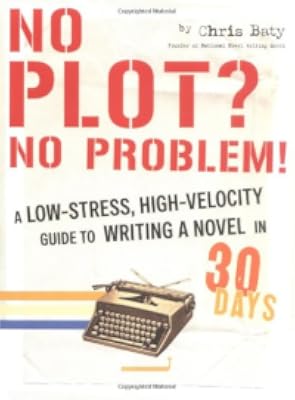
No Plot? No Problem!: A Low-Stress, High-Velocity Guide to Writing a Novel in 30 Days
by Chris Baty
On This Page
Description
Chris Baty, founder of the wildly successful literary marathon known as National Novel Writing Month, has completely revised and expanded his definitive handbook for extreme noveling. Chris pulls from over 15 years of results-oriented writing experience to pack this compendium with new tips and tricks, ranging from week-by-week quick reference guides to encouraging advice from authors, and much more. His motivating mix of fearless optimism and practical solutions to common excuses gives both show more first-time novelists and results-oriented writers the kick-start they need to embark on an exhilarating creative adventure. show lessTags
Recommendations
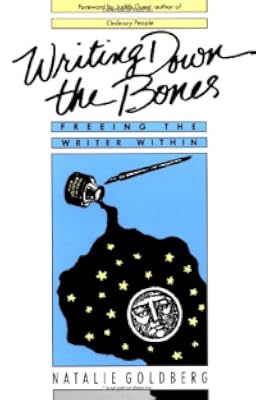
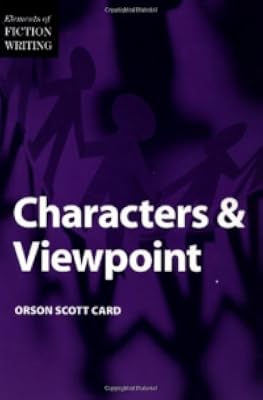
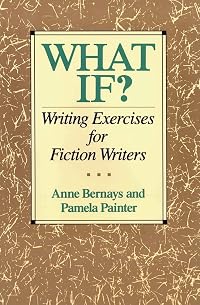
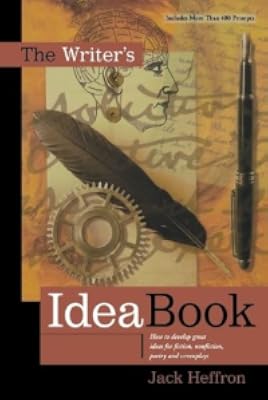

Member Recommendations
Member Reviews
A manual for NaNoWriMo participants, but can be read as a general creative writing guide.
This is one of the only writing guides I've come across that have actually made me want to write (in the fingers-itching kind of way!). Baty's approach is one of a fellow wannabe-writer instead of some kind of a writing guru, which makes his advice practical and realistic, not patronising or cryptic. It's the difference between "up your wordcount by afflicting one of your characters with a stutter" and "beware the mind monkey that wants to stifle your creativity". I very much responded to Baty's humorous philosophy of treating the writing process as Larger than Life but not something to be taken seriously, as well.
This is one of the only writing guides I've come across that have actually made me want to write (in the fingers-itching kind of way!). Baty's approach is one of a fellow wannabe-writer instead of some kind of a writing guru, which makes his advice practical and realistic, not patronising or cryptic. It's the difference between "up your wordcount by afflicting one of your characters with a stutter" and "beware the mind monkey that wants to stifle your creativity". I very much responded to Baty's humorous philosophy of treating the writing process as Larger than Life but not something to be taken seriously, as well.
Want to laugh while writing 50,000 words in 30 days? This book is for you. “No Plot, No Problem!: A Low-Stress, High-Velocity Guide to Writing a Novel in 30 Days” by Chris Baty puts your inner insanity to work for you.
Baty, who founded the National Novel Writing Month contest, writes this book assuming the following:
You want to write a novel.
Having knowledge of how to write a novel is optional.
The book’s writing style is engaging and casual with enough sarcasm and off-beat humor that made me smile and, at times, laugh out loud. It is one part motivational speech, two parts coaching and one part tutorial on how to psych yourself up to get you write.
The book is short (about 50,000 words… hmm coincidence?), punchy and has lots of show more excerpts from people who have experienced NaNoWriMo (as National Novel Writing Month is called) first hand.
There is one excerpt in particular that strikes me as the most important in the entire book. “A Writer, Recharged by Gayle Brandeis” on page 163 demonstrates how this insane technique, writing a complete novel in 30 days, can recharge and revitalize a published author breaking the crust of publisher and audience expectations by writing with complete abandon.
One last note: Baty takes the noun novel and uses it as an action verb: I novel; you novel; he, she, it novels; they go noveling (gerund form), etc. And why not? Writing a novel is an active process that is different from writing a letter or a twitter update. So why not? show less
Baty, who founded the National Novel Writing Month contest, writes this book assuming the following:
You want to write a novel.
Having knowledge of how to write a novel is optional.
The book’s writing style is engaging and casual with enough sarcasm and off-beat humor that made me smile and, at times, laugh out loud. It is one part motivational speech, two parts coaching and one part tutorial on how to psych yourself up to get you write.
The book is short (about 50,000 words… hmm coincidence?), punchy and has lots of show more excerpts from people who have experienced NaNoWriMo (as National Novel Writing Month is called) first hand.
There is one excerpt in particular that strikes me as the most important in the entire book. “A Writer, Recharged by Gayle Brandeis” on page 163 demonstrates how this insane technique, writing a complete novel in 30 days, can recharge and revitalize a published author breaking the crust of publisher and audience expectations by writing with complete abandon.
One last note: Baty takes the noun novel and uses it as an action verb: I novel; you novel; he, she, it novels; they go noveling (gerund form), etc. And why not? Writing a novel is an active process that is different from writing a letter or a twitter update. So why not? show less
I have a checkered past with National Novel Writing Month. I first signed up for it years ago, and then my mother broke her hip and everything else went by the wayside. I tried again in 2010, and won, and had a great time; skipped 2011 because I was in the depths of despair about my writing, and then tried to try again in 2012 – and my mother fell again, and everything went by the wayside again. I get the sort of feeling my mother doesn't want me to finish my book. Maybe next this year.
One huge reason I continue to want to participate in NaNoWriMo is the spirit of it. The buoyant enthusiasm is surprisingly warming and encouraging. Pep talks usually make me roll my eyes. I generally look askance on cheerleaders and raises an eyebrow show more at unbridled optimistic zeal, and I've learned the hard way that shooting for the moon does indeed mean landing among the stars if you miss: in a leaky escape pod with no food or water and no rescue until an hour and a half after the air's run out or fatal hypothermia has set in, whichever comes first.
But The Office of Letters and Light – the beautifully named group of madpeople who run NaNo every year – are special. They participate themselves, and know the trials and tribulations, the ups and downs, the smiles and frowns of the project – and they genuinely want all their participants to have fun and just maybe triumph at the end of it. They pepper the website and NaNo inboxes with humor and silliness and cleverness and inspiration, and somehow cynicism and pessimism wither away in the onslaught.
It's kind of awesome.
And the fearless leader of this merry band, the one from whose forehead NaNoWriMo sprang fully formed and wearing a silly Viking hat, is Chris Baty. No Plot? No Problem! is both the tale of that genesis and a week-by-week primer on how to survive and succeed in a month of frenzied writing. It's irreverent, it's inspirational, it's subversive (I was scandalized – scandalized, do you hear! – at the tips on how to NaNo at work without getting caught), it's fun (no real surprise there), and it's practical – there's a truckload of good advice here, from a man who knows whereof he speaks. This is why I love NaNoWriMo, whatever my rocky road through it has been – it's all about joyful creation. Chris Baty brought something magnificent into the world. Thank you, Chris. show less
One huge reason I continue to want to participate in NaNoWriMo is the spirit of it. The buoyant enthusiasm is surprisingly warming and encouraging. Pep talks usually make me roll my eyes. I generally look askance on cheerleaders and raises an eyebrow show more at unbridled optimistic zeal, and I've learned the hard way that shooting for the moon does indeed mean landing among the stars if you miss: in a leaky escape pod with no food or water and no rescue until an hour and a half after the air's run out or fatal hypothermia has set in, whichever comes first.
But The Office of Letters and Light – the beautifully named group of madpeople who run NaNo every year – are special. They participate themselves, and know the trials and tribulations, the ups and downs, the smiles and frowns of the project – and they genuinely want all their participants to have fun and just maybe triumph at the end of it. They pepper the website and NaNo inboxes with humor and silliness and cleverness and inspiration, and somehow cynicism and pessimism wither away in the onslaught.
It's kind of awesome.
And the fearless leader of this merry band, the one from whose forehead NaNoWriMo sprang fully formed and wearing a silly Viking hat, is Chris Baty. No Plot? No Problem! is both the tale of that genesis and a week-by-week primer on how to survive and succeed in a month of frenzied writing. It's irreverent, it's inspirational, it's subversive (I was scandalized – scandalized, do you hear! – at the tips on how to NaNo at work without getting caught), it's fun (no real surprise there), and it's practical – there's a truckload of good advice here, from a man who knows whereof he speaks. This is why I love NaNoWriMo, whatever my rocky road through it has been – it's all about joyful creation. Chris Baty brought something magnificent into the world. Thank you, Chris. show less
This made for a fun read during my crazy month of writing. And this book is what convinced me I didn't need to stress out about writing an outline before NaNoWriMo because according to Baty, "plot happens." Which is completely true. The story arc and ending I first envisioned for my novel are completely different from how they actually turned out. That's a good thing, I promise you.
The week-by-week guide was helpful, even if my writing motivation didn't track it exactly. The book also had writing exercises throughout that I haven't tried yet but sound fun, like the person and thing game.
You take your notebook, pen, and an unread newspaper and go to a public place with lots of foot traffic. Close your eyes, count to fifteen, then open show more your eyes. The first person you see is your Person. Write down everything you can about them before they leave your sight. Then take your newspaper, close your eyes, open it to a random page, move your finger down the page a few seconds, and open your eyes again. Whatever you're pointing to has a deep connection to your Person. What's the connection? Figure it out and write about it. And bonus points for integrating your Person into your current writing project! show less
The week-by-week guide was helpful, even if my writing motivation didn't track it exactly. The book also had writing exercises throughout that I haven't tried yet but sound fun, like the person and thing game.
You take your notebook, pen, and an unread newspaper and go to a public place with lots of foot traffic. Close your eyes, count to fifteen, then open show more your eyes. The first person you see is your Person. Write down everything you can about them before they leave your sight. Then take your newspaper, close your eyes, open it to a random page, move your finger down the page a few seconds, and open your eyes again. Whatever you're pointing to has a deep connection to your Person. What's the connection? Figure it out and write about it. And bonus points for integrating your Person into your current writing project! show less
I fully intend to do NaNoWriMo this year, so what better way to prep than by buying the How-To book by its founder! The sub-title of this book is "A Low-Stress, High-Velocity Guide to Writing a Novel in 30 Days". I absolutely had a hoot reading it -- my favourite of his pieces of advice for the NaNoWriMo writer was to lower your expectations of your writing from "best-seller" to "would not make someone vomit". I LOVE THAT. Chris makes a very good case for why NaNo is such a great idea, and manages to make slogging out a minimum of 1667 words of shitty prose per day while ignoring everything else in your life for a full month sound like a fabulous idea.
The idea behind this book is identical to that of the internet phenomenon also founded by Baty: National Novel Writing Month, that is, writing 50,000 words of a novel in the span of a single month. There are no quality standards, and indeed you are discouraged from editing, rereading, or anything else besides increasing your wordcount. This book would more accurately be called The Joy of Writing. It's not exactly a how-to book, but rather an embrace-the-fun book, full of light-hearted encouragement and amusing asides. I will say that I never would have picked up this book had I never participated in NaNoWriMo. Its very subtitle sounds like a scam: "A Low-Stress, High-Velocity Guide to Writing a Novel in 30 Days." The thing is, this book show more is not about writing a polished, ready-for-publication novel in 30 days (though there are a few pages at the end on revising and rewriting after the month is over). It's about writing with wild abandon and how much fun it is. You won't learn much about writing in general, but you will learn a lot about what works and what doesn't in terms of your own writing habits. If you're fairly new to the writing scene and have always wanted to try your hand at a novel just for fun, pick this one up. On the other hand, if you are a serious writer who is looking for serious writing advice, you probably won't find much of use in here. show less
“Anyway, whenever people express their reluctance to invest time in something that won’t have proven results, I ask them what they do for fun on weekends. Invariably, the time they spend running around on basketball courts, rearranging Scrabble tiles, or slaying video-game monsters is not done in an effort to make millions of dollars from corporate sponsorship. Or because they think it will make them famous. No. They do it because the challenge of the game simply feels good. They do it because they like to compete; […] because it feels really, really nice to just lose themselves in the visceral pleasure of an activity. Novel writing is just a recreational sport where you don’t have to get up out of your chair.”
In “No Plot No show more Problem! A Low-Stress, High-Velocity Guide to Writing a Novel in 30 Days” by Chris Baty”
In the last few years I’ve read at least one book a week. Back in the day the number was two books a week. And yes I haven’t read Twilight yet. Have you? THAT, my dear, is the drivel that you would expect from us non-professional WriMos. I’ve been working on a SF novel since, I don’t know, ages, and if it never gets published I will be fine with that because it's for MY enjoyment and satisfaction that I could do it... Every moron seems to think that we're all illiterate Neanderthals who maybe can read Dick and Jane and Dr. Seuss, but I've read Canterbury Tales in the Middle English, Beowulf in Olde English and Shakespeare in Elizabethan English...Like to see YOU try that! Until you've actually sat down at the keyboard with music blaring from your speakers, commiserating with your fellows about how to write a particular scene, then you know what it means to undertake this journey of discovery. Research shows that Opinions are like A-Holes...everyone has one. Is my WriMo work this year bound to win me the Booker, Pulitzer and the Nobel Prize for Literature and place me in the same category as Stephen King and J. K. Rowling? Gee, it'd be nice, but no, probably not. Almost certainly not. So why is that a problem? Along the way, you’ve forgotten (if you ever knew) that one learns as much from one's failures as from one's successes -- probably more. It’ll help me learn more about plotting and structure, about voice and dialogue and about how to create characters. Just in case you're not sure, those are all good things. In addition, I have structure and support and, since I intend to complete it this year, it will also help me develop discipline in my writing. Those are also good things, just in case you're not sure about that, either.
50K or bust!
NB: I am participating in the WriMo for the first time this year. I’m sure I’ll be learning so much about my writing style and genre and learning about myself through some of the characters I write. As for my novel, I doubt it will ever see the light of day. But I know it will force me to spend an hour and a half a day putting words on paper, and that process with shake loose the seeds of a thousand other stories, and I suppose everyone is entitled to their opinion. I’ve trouble seeing that endeavour as a wasted effort in my development as a writer, regardless of what dark, mothballed fate might await the result (as soon as I'm finished cannibalizing it for use in future works). show less
In “No Plot No show more Problem! A Low-Stress, High-Velocity Guide to Writing a Novel in 30 Days” by Chris Baty”
In the last few years I’ve read at least one book a week. Back in the day the number was two books a week. And yes I haven’t read Twilight yet. Have you? THAT, my dear, is the drivel that you would expect from us non-professional WriMos. I’ve been working on a SF novel since, I don’t know, ages, and if it never gets published I will be fine with that because it's for MY enjoyment and satisfaction that I could do it... Every moron seems to think that we're all illiterate Neanderthals who maybe can read Dick and Jane and Dr. Seuss, but I've read Canterbury Tales in the Middle English, Beowulf in Olde English and Shakespeare in Elizabethan English...Like to see YOU try that! Until you've actually sat down at the keyboard with music blaring from your speakers, commiserating with your fellows about how to write a particular scene, then you know what it means to undertake this journey of discovery. Research shows that Opinions are like A-Holes...everyone has one. Is my WriMo work this year bound to win me the Booker, Pulitzer and the Nobel Prize for Literature and place me in the same category as Stephen King and J. K. Rowling? Gee, it'd be nice, but no, probably not. Almost certainly not. So why is that a problem? Along the way, you’ve forgotten (if you ever knew) that one learns as much from one's failures as from one's successes -- probably more. It’ll help me learn more about plotting and structure, about voice and dialogue and about how to create characters. Just in case you're not sure, those are all good things. In addition, I have structure and support and, since I intend to complete it this year, it will also help me develop discipline in my writing. Those are also good things, just in case you're not sure about that, either.
50K or bust!
NB: I am participating in the WriMo for the first time this year. I’m sure I’ll be learning so much about my writing style and genre and learning about myself through some of the characters I write. As for my novel, I doubt it will ever see the light of day. But I know it will force me to spend an hour and a half a day putting words on paper, and that process with shake loose the seeds of a thousand other stories, and I suppose everyone is entitled to their opinion. I’ve trouble seeing that endeavour as a wasted effort in my development as a writer, regardless of what dark, mothballed fate might await the result (as soon as I'm finished cannibalizing it for use in future works). show less
Members
- Recently Added By
Lists

Best Books on Writing for Writers
36 works; 19 members

Julie's Read in 2021
19 works; 1 member

Books Read in 2021
5,361 works; 113 members
Author Information

5 Works 2,234 Members
Work Relationships
Is contained in
Common Knowledge
- Original publication date
- 2004 (copyright) (copyright)
- Dedication
- For my parents, who knew it was possible all along.
- First words
- Introduction: The era, in retrospect, was very kind to dumb ideas.
- Quotations
- One of the things month-long noveling does is get your sense of scale all out of whack. This is done intentionally, because anyone with a realistic sense of perspective wouldn't try to write a novel in a month. (170)
Inspiration and insight, I've learned, flow more freely from failures than they do from successes. (174) - Last words*
- (Click to show. Warning: May contain spoilers.)The game begins anew every day, and it only gets better from here.
- Blurbers
- Rubin, Gretchen; Morgenstern, Erin
- Original language
- English
*Some information comes from Common Knowledge in other languages. Click "Edit" for more information.
Classifications
Statistics
- Members
- 2,084
- Popularity
- 9,979
- Reviews
- 62
- Rating
- (3.82)
- Languages
- English
- Media
- Paper, Ebook
- ISBNs
- 4
- UPCs
- 1
- ASINs
- 7