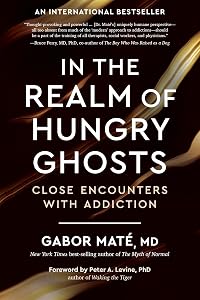
In the Realm of Hungry Ghosts: Close Encounters with Addiction
by Gabor Maté
On This Page
Description
Close Encounters With Addiction is a lecture Dr. Gabor Mate? gave in Los Angeles in April 2011. He talks about his experience as a physician and how many of his patients suffer from mental illness, drug addiction and HIV, or all three.Tags
Recommendations

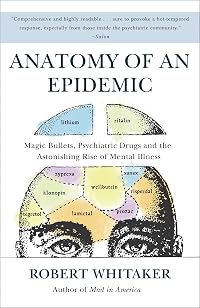
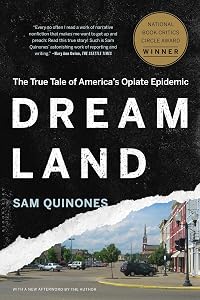

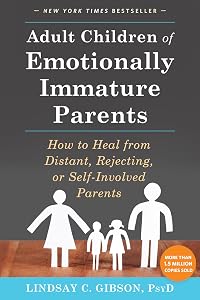
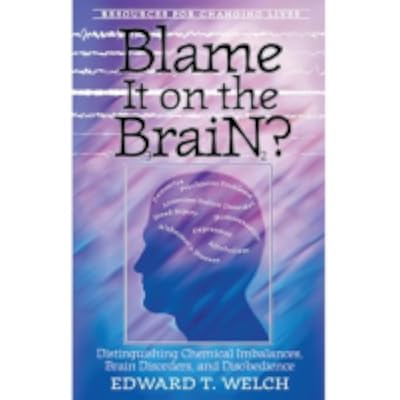
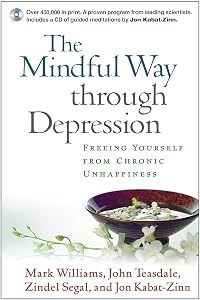
Member Recommendations
Member Reviews
This book will challenge and change your views on addiction. Gabor Mate is working with Vancouver's Downtown Eastside population for many years; he knows addiction also from his personal experience. In this book he is recounting his experiences with addicted patients from the Portland Hotel; it is rough and gentle at the same time, and very genuine. Compared to other books I have read written by physicians, Gabor has a deep humbleness about his role and actions. He looks not only at the lives of his patients but at his own shortcomings. I devoured this book page by page- it is more than a book on addiction, it is on what makes us human.
This should be required reading for everyone who encounters people struggling with addictions, and all addicts struggle. Mate tells stories about patients he has known as the physician to many drug addicts and alcoholics, but he also tells of his own and others behavioral addictions. He is sensitive to the people he describes as people and honest about the times his awareness of themas troubled and traumatized people slips into judgement. I have ordered my own copy because this book is inspiring and filled with excellent ideas about harm reduction and addiction.
As psychology texts go, Dr. Gabor Maté's chronicle of the experience of many drug-addicted Canadians is rather accessible and easy to read. Dr. Maté outlines the experiences of many of the people living on skid row, and tries to rationalize their addictions without judging or justifying. In this, he succeeds nobly -- I would suspect that few readers can walk away from this book without having their eyes opened to the challenging situation in which many addicts find themselves, and without feeling an increased sense of compassion for these individuals who face such extreme physical and emotional poverty.
Maté's approach is commendable for its focus not on the addictions themselves -- the symptoms, really -- but on the underlying show more emotional damage his patients have endured. While he perhaps attributes a bit too much of his patients' addictive behaviors to their childhood traumas, his holistic examination of his patients as people is really a rather novel and noteworthy approach. He makes compelling arguments for open health care and against the "war on drugs," and offers up quite a few challenging discussions that approach addiction from a variety of angles.
My main criticism of this book is that Maté tends to veer a bit more toward personal narrative and auto-therapy than I would really like to see. He compares his compulsive CD-buying behavior to his patients' extreme addictions more readily than seems appropriate, especially given the horrifying conditions in which his clients live as they battle their "hungry ghosts." I found myself skimming past the sections in which Maté went on and on about what a challenge his compulsive behavior is for his family, employees, and loved ones. It's interesting enough, but really is the topic for another book (a personal narrative or memoir or some such), and seems out of place in this psychological treatise. But other than these out-of-place bits, the book is compelling and well written. It's a bit lengthy, but Maté's argument is thorough and well researched and definitely worthy of a read. show less
Maté's approach is commendable for its focus not on the addictions themselves -- the symptoms, really -- but on the underlying show more emotional damage his patients have endured. While he perhaps attributes a bit too much of his patients' addictive behaviors to their childhood traumas, his holistic examination of his patients as people is really a rather novel and noteworthy approach. He makes compelling arguments for open health care and against the "war on drugs," and offers up quite a few challenging discussions that approach addiction from a variety of angles.
My main criticism of this book is that Maté tends to veer a bit more toward personal narrative and auto-therapy than I would really like to see. He compares his compulsive CD-buying behavior to his patients' extreme addictions more readily than seems appropriate, especially given the horrifying conditions in which his clients live as they battle their "hungry ghosts." I found myself skimming past the sections in which Maté went on and on about what a challenge his compulsive behavior is for his family, employees, and loved ones. It's interesting enough, but really is the topic for another book (a personal narrative or memoir or some such), and seems out of place in this psychological treatise. But other than these out-of-place bits, the book is compelling and well written. It's a bit lengthy, but Maté's argument is thorough and well researched and definitely worthy of a read. show less
 This review was written for LibraryThing Early Reviewers.
I got this book free from LibraryThing's Early Reviewers.
Written in clear, lucid prose any reasonably intelligent adult could understand, without a lot of confusing jargon, Dr. Mate explains the forces behind addiction and why so many addicts fail time and time again to get clean, in spite of all the incentives for doing so. This book gave me a lot to think about regarding the brain, and I also found his cautionary points about adoption studies and twin studies very interesting and relevant. Mate conclusively demonstrates that addicts are not "bad," that they have very little control of the actions surrounding their addiction, and that kind and loving parents can produce an addict just as easily as indifferent or abusive parents. (On show more the last point Mate uses his own experiences as a child Holocaust survivor as an example: his parents loved him very much and cared for him as best they could, but the stress and deprivation of his infancy left an ineradicable mark on this brain development.) Finally, Mate sets forth a sensible "harm reduction" social policy that could potentially make life easier for everyone, not just addicts and their families, by reducing the problems drug abuse causes in the community.
Everyone in Congress should read this book, as well as everyone who has to interact with addicts on a regular basis. Dr. Mate is a wise, forward-thinking man. show less
Written in clear, lucid prose any reasonably intelligent adult could understand, without a lot of confusing jargon, Dr. Mate explains the forces behind addiction and why so many addicts fail time and time again to get clean, in spite of all the incentives for doing so. This book gave me a lot to think about regarding the brain, and I also found his cautionary points about adoption studies and twin studies very interesting and relevant. Mate conclusively demonstrates that addicts are not "bad," that they have very little control of the actions surrounding their addiction, and that kind and loving parents can produce an addict just as easily as indifferent or abusive parents. (On show more the last point Mate uses his own experiences as a child Holocaust survivor as an example: his parents loved him very much and cared for him as best they could, but the stress and deprivation of his infancy left an ineradicable mark on this brain development.) Finally, Mate sets forth a sensible "harm reduction" social policy that could potentially make life easier for everyone, not just addicts and their families, by reducing the problems drug abuse causes in the community.
Everyone in Congress should read this book, as well as everyone who has to interact with addicts on a regular basis. Dr. Mate is a wise, forward-thinking man. show less
This review was written for LibraryThing Early Reviewers.I can't remember how many times I've been told that I should read Gabor Maté ; over and over again from different people in different places. Then I started listening to a podcast with one of Gabor's sons in it, and for some reason, this piqued my interest even more. Still, it was another couple of years before I found myself in a bookstore in BC (where he's from) and felt the undeniable urge to buy one of his books.
Overall, I like him, his ideas, and the way he writes. He blends facts with experience to present a hard topic in an easy to digest way. Dude has a lot of insight and experience and seems eager to share it with us.
I've often wondered what makes people end up how they end up. I know there's nature and nurture and blah show more blah, but why is it that I ended up being a radical anarchist who has lived in a bunch of different places, while none of the people I grew up with followed the same path? As far as drug uses go, why do some people use and other not? Why do some people get instantly addicted and other never do? Maté talks about a study done of Vietnam vets who did drugs in the war. The majority of soldiers who used drugs during the active war, returned home and never used again. But, a lot of soldiers came home and had their lives torn apart by drugs. This basically came down to the experiences they had before the war and what they came home to. Those who had happier lives and came home to families and friends that loved them never used drugs again; but those with harder upbringings and nothing to look forward to, continued using. However, genetics also play a role. People who's families were addicted to drugs or drinking have a higher chance. People who's parents smoked the reefers have a 80 percent chance of doing the same; that explains a lot.
As a harm reductionist and peer support person, I firmly believe that we need to meet people where they're at and not pressure them into making changes. We have to be there for them, help them get what they need, and keep them alive until (if) they're ready to accept “help.” We have a built in resistance to any sense of coercion; so even if we know we need to check ourselves into detox, someone telling us this same information might make us refuse.
There were really only two things I didn't like about this book. First was how much he talked about his addiction to buying classical CDs. I get that it's technically an addiction and that it caused hurt and pain for him and his family, but it's not the same as losing everything because of a drug addiction. It's fine that he brings it up, but this book would have been much shorter if he didn't keep bringing it up.
More importantly, the amount of time he talks about the positives of animal testing is kind of gross. His statement that “There is much to be learned from animal studies, but only if we … accept the tremendous suffering imposed on these involuntary 'subjects,'” almost made me put the book down. He refers multiple more times about this necessary evil (though he doesn't call it that).
Ironically, I now feel like I'm addicted to Gabor Maté and will be acquiring and reading more of his books. show less
Overall, I like him, his ideas, and the way he writes. He blends facts with experience to present a hard topic in an easy to digest way. Dude has a lot of insight and experience and seems eager to share it with us.
I've often wondered what makes people end up how they end up. I know there's nature and nurture and blah show more blah, but why is it that I ended up being a radical anarchist who has lived in a bunch of different places, while none of the people I grew up with followed the same path? As far as drug uses go, why do some people use and other not? Why do some people get instantly addicted and other never do? Maté talks about a study done of Vietnam vets who did drugs in the war. The majority of soldiers who used drugs during the active war, returned home and never used again. But, a lot of soldiers came home and had their lives torn apart by drugs. This basically came down to the experiences they had before the war and what they came home to. Those who had happier lives and came home to families and friends that loved them never used drugs again; but those with harder upbringings and nothing to look forward to, continued using. However, genetics also play a role. People who's families were addicted to drugs or drinking have a higher chance. People who's parents smoked the reefers have a 80 percent chance of doing the same; that explains a lot.
As a harm reductionist and peer support person, I firmly believe that we need to meet people where they're at and not pressure them into making changes. We have to be there for them, help them get what they need, and keep them alive until (if) they're ready to accept “help.” We have a built in resistance to any sense of coercion; so even if we know we need to check ourselves into detox, someone telling us this same information might make us refuse.
There were really only two things I didn't like about this book. First was how much he talked about his addiction to buying classical CDs. I get that it's technically an addiction and that it caused hurt and pain for him and his family, but it's not the same as losing everything because of a drug addiction. It's fine that he brings it up, but this book would have been much shorter if he didn't keep bringing it up.
More importantly, the amount of time he talks about the positives of animal testing is kind of gross. His statement that “There is much to be learned from animal studies, but only if we … accept the tremendous suffering imposed on these involuntary 'subjects,'” almost made me put the book down. He refers multiple more times about this necessary evil (though he doesn't call it that).
Ironically, I now feel like I'm addicted to Gabor Maté and will be acquiring and reading more of his books. show less
I found this book moving, thoughtful, and articulate. The topics do jump around a bit, but that kept my interest and made it easier to dip into a chapter at a time, which is good in a book on such a depressing topic. And yet Maté manages to be hopeful as well, without being unrealistic.
I did start to shy away a bit at the very end, when he comes dangerously close to stating that an addict cannot get sober without accepting a Higher Power; this is not just untrue but bad practice for a doctor working with addicted people, as it discourages atheist or agnostic addicts from trying to get help. Personally, the 12 Steps model bugs me a lot: I don't believe any model is really about helping people if on Step 2 you're already excluding anyone show more who doesn't have the kind of spiritual beliefs that you think they should have. It really bothered me that Maté looked at his own addictive behavior and his agnosticism, and came to the conclusion that he hasn't defeated the former because of the latter. No, you haven't defeated the former because you're still telling yourself you're not good enough to, not spiritual enough to, and don't deserve to; which is just an excuse to continue. My two cents, anyway.
Other than that, though, I found this an excellent and powerful book and recommend it highly. show less
I did start to shy away a bit at the very end, when he comes dangerously close to stating that an addict cannot get sober without accepting a Higher Power; this is not just untrue but bad practice for a doctor working with addicted people, as it discourages atheist or agnostic addicts from trying to get help. Personally, the 12 Steps model bugs me a lot: I don't believe any model is really about helping people if on Step 2 you're already excluding anyone show more who doesn't have the kind of spiritual beliefs that you think they should have. It really bothered me that Maté looked at his own addictive behavior and his agnosticism, and came to the conclusion that he hasn't defeated the former because of the latter. No, you haven't defeated the former because you're still telling yourself you're not good enough to, not spiritual enough to, and don't deserve to; which is just an excuse to continue. My two cents, anyway.
Other than that, though, I found this an excellent and powerful book and recommend it highly. show less
This review was written for LibraryThing Early Reviewers.This is an insightful book about addicts and addiction by a medical doctor, Gabor Mate, who has years of experience in one of Vancouver's worst drug areas, Downtown Eastside.
The first half of the book mixes anecdotal accounts of his experiences with the addicts he attempts to keep alive and his beliefs about the nature and causes of addiction itself.
I found his theories about addiction the most compelling reading. He believes that addictions arise through a combination of forces: the natural temperament of the addict, his life experiences, especially in early childhood, and the larger societal forces that keep addicts in a hopeless state. He believes that addiction in any form has very little to do with the drug an addict uses, but show more rather with the emptiness he is attempting to fill and the lack of community he feels. He suggests that most treatments for addiction fail because they either don't address these issues or cannot improve them.
The last half of the book is an indictment of our absurd, ineffective, and inhumane "War on Drugs." Mate asserts that this "war" is not against drugs, but against the most damaged, weak and vulnerable members of our society, those that need our compassion the most. He repeats the sad statistics that most people already know - that the war on drugs is almost completely ineffective and does more harm than good. He advocates a more compassionate approach to the problem of addiction - a combination of community programs, decriminalization of some drugs, and a realistic, approach that does not criminalize all drug users and incorporates an understanding that complete abstinence is not possible for everyone.
This was an extensive and lengthy book, but was well written and interesting. I learned a lot, and I admire Dr. Mate and his humane efforts to help people. show less
The first half of the book mixes anecdotal accounts of his experiences with the addicts he attempts to keep alive and his beliefs about the nature and causes of addiction itself.
I found his theories about addiction the most compelling reading. He believes that addictions arise through a combination of forces: the natural temperament of the addict, his life experiences, especially in early childhood, and the larger societal forces that keep addicts in a hopeless state. He believes that addiction in any form has very little to do with the drug an addict uses, but show more rather with the emptiness he is attempting to fill and the lack of community he feels. He suggests that most treatments for addiction fail because they either don't address these issues or cannot improve them.
The last half of the book is an indictment of our absurd, ineffective, and inhumane "War on Drugs." Mate asserts that this "war" is not against drugs, but against the most damaged, weak and vulnerable members of our society, those that need our compassion the most. He repeats the sad statistics that most people already know - that the war on drugs is almost completely ineffective and does more harm than good. He advocates a more compassionate approach to the problem of addiction - a combination of community programs, decriminalization of some drugs, and a realistic, approach that does not criminalize all drug users and incorporates an understanding that complete abstinence is not possible for everyone.
This was an extensive and lengthy book, but was well written and interesting. I learned a lot, and I admire Dr. Mate and his humane efforts to help people. show less
This review was written for LibraryThing Early Reviewers.Members
- Recently Added By
Lists

CBC's Great Canadian Reading List
149 works; 5 members

Globe and Mail | Canadian Non-Fiction: January 20, 2024
10 works; 1 member

Globe and Mail | Canadian Non-Fiction: August 31, 2024
10 works; 1 member

Men's healing resources
747 works; 1 member

Healing resources for women
587 works; 1 member

List of books for sex addicted partners
38 works; 1 member
Author Information

33+ Works 5,557 Members
Gabor Mate, M.D., has been a family practitioner for twenty years. He was a long-standing medical columnist for The Vancouver Sun and The Globe and Mail in Canada
All Editions
Awards and Honors
Common Knowledge
- Original publication date
- 2008
Classifications
- Genres
- Nonfiction, General Nonfiction
- DDC/MDS
- 616.89009711 — Applied science & technology Medicine & health Diseases, Allergies, Skin Conditions Nervous Disorders: Autism, Anorexia, OCD Mental disorders: bi-polar/schizophrenia History, geographic treatment, biography
- LCC
- HV5000 .C2 .M38 — Social sciences Social pathology. Social and public welfare. Criminology Social pathology. Social and public welfare.
- BISAC
Statistics
- Members
- 1,305
- Popularity
- 18,533
- Reviews
- 45
- Rating
- (4.27)
- Languages
- 8 — Chinese, Czech, Dutch, English, German, Hungarian, Polish, Romanian
- Media
- Paper, Audiobook, Ebook
- ISBNs
- 26
- ASINs
- 14
