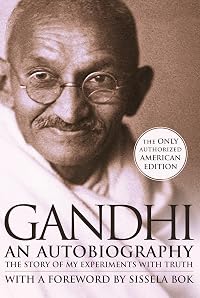
An Autobiography; or, The Story of My Experiments with Truth
by Mahatma Gandhi
On This Page
Description
In the mid-1920s, prompted by a "small, still voice" that encouraged him to lay bare what was known only to him and his God, M. K. Gandhi began writing and publishing his autobiography. Drafted during a period of intensive fasting and "in-dwelling" at his ashram in Ahmedabad, his story of the soul portrayed the deeper, more inward experiences that made him externally an innovator in the struggles against violence, racism, and colonialism. The book, written in Gujarati and translated into show more English by Mahadev Desai, would become an international classic, hailed as one of the "100 Best Spiritual Books of the 20th Century." This first critical edition of this seminal work by leading Gandhi scholar Tridip Suhrud offers an unprecedented window into the original Gujarati text. Including both alternative English translations and illuminating notes, as well as a deeply researched introduction, it will bring renewed critical attention to one of the world's most widely read books. show lessTags
Recommendations
















Member Recommendations

Member Reviews
Gandhi’s name sticks out in bold in twentieth-century history. Words associated with this great include India, non-violence, independence, integrity, and freedom. Yet those (like me) who have been schooled in a different religious tradition (for me, Protestant Christianity) might not be aware of the depth of Gandhi’s greatness because of differing idioms. That’s why I originally picked up this book, and that’s why I suggest that your reading of this book is important, too.
Gandhi is by no means perfect in my eyes. He writes about his exposure to Christianity while in England and why he saw no need to convert to it from the Hinduism of his upbringing. Further, he describes why he spent much of his life as an adamant vegetarian and show more refused even taking milk for the sake of his health. Finally, Gandhi’s family life seems arranged around patriarchy, and Gandhi never seems to wrestle with this inequality. While still disagreeing in reading this work, I found evident respect for his reasons as to why.
Even more, I found respect for how he overcame discrimination in South Africa and in India under the British Empire. He did so with an optimistic view of the law – that the law, at its best, is a chronicle of humans struggling with each other. He holds an unwavering faith in the eventual triumph of justice in human affairs on earth, and it seems that this faith is rooted in the very nature of the universe’s life as being sustained by God.
This autobiography describes Gandhi’s life from its earliest days (including an arranged marriage at age 13!), to his youth as a student, and to his adult years as a lawyer in South Africa and India. It covers his role in Indian independence and ceases with the assumption of his public role. Like most memoirs (and this book could certainly be categorized as a memoir), this work elucidates the formative events in his life and describes these events from the inside out.
Any reader will have to grow comfortable with the mixing of words from many languages. Many non-English words, when pertaining to specific concepts rooted in culture, are not translated in this edition. This can serve as a good introduction to the subcontinent, however, and as a pericope into the linguistic challenges present in Indian life. These challenges persist today.
Gandhi does not come off as a self-absorbed narcissist. Rather, as the subtitle implies, Gandhi sees this story as “experiments with truth,” as a scientific, objective approach to human affairs. Although readers will be struck by Gandhi’s high view of justice, he does not seem particularly hung up on his ego needs. Rather, he seems genuinely concerned with speaking up with integrity for his fellow humans – particularly those who are not from a privileged background. That ethical excellence, combined with wide-ranging experience, is why this work is a classic and should continue to be read as a treasure by all. show less
Gandhi is by no means perfect in my eyes. He writes about his exposure to Christianity while in England and why he saw no need to convert to it from the Hinduism of his upbringing. Further, he describes why he spent much of his life as an adamant vegetarian and show more refused even taking milk for the sake of his health. Finally, Gandhi’s family life seems arranged around patriarchy, and Gandhi never seems to wrestle with this inequality. While still disagreeing in reading this work, I found evident respect for his reasons as to why.
Even more, I found respect for how he overcame discrimination in South Africa and in India under the British Empire. He did so with an optimistic view of the law – that the law, at its best, is a chronicle of humans struggling with each other. He holds an unwavering faith in the eventual triumph of justice in human affairs on earth, and it seems that this faith is rooted in the very nature of the universe’s life as being sustained by God.
This autobiography describes Gandhi’s life from its earliest days (including an arranged marriage at age 13!), to his youth as a student, and to his adult years as a lawyer in South Africa and India. It covers his role in Indian independence and ceases with the assumption of his public role. Like most memoirs (and this book could certainly be categorized as a memoir), this work elucidates the formative events in his life and describes these events from the inside out.
Any reader will have to grow comfortable with the mixing of words from many languages. Many non-English words, when pertaining to specific concepts rooted in culture, are not translated in this edition. This can serve as a good introduction to the subcontinent, however, and as a pericope into the linguistic challenges present in Indian life. These challenges persist today.
Gandhi does not come off as a self-absorbed narcissist. Rather, as the subtitle implies, Gandhi sees this story as “experiments with truth,” as a scientific, objective approach to human affairs. Although readers will be struck by Gandhi’s high view of justice, he does not seem particularly hung up on his ego needs. Rather, he seems genuinely concerned with speaking up with integrity for his fellow humans – particularly those who are not from a privileged background. That ethical excellence, combined with wide-ranging experience, is why this work is a classic and should continue to be read as a treasure by all. show less
I am very torn in writing a review. To be honest, I want to give the 'book' 2 stars, but wait you say… How can I give Gandhi 2 stars? I mean everyone knows you can't touch the holy trinity of Gandhi, Mother Teresa and Princess Diana. It's the book I have problems with, it's bland. Obviously, he has reduced his ego to zilch and I think that is the problem, nothing is important, I want to know how he 'felt' about things in degrees of passion. But its bland. I give it three stars because it's Gandhi, but it failed to move me.
Lifetime accomplishments aside, I found myself unimpressed by Gandhi as a man. He is hailed for his humility, yet his own words show he took much pride in his humility. His treatment of his wife and children is appalling. He searches widely for truth and ends by making a god of himself in the name of his own subjective Truth. Finally, he really could have benefitted from a good editor as 500 pages of tedious detail about every aspect of his life (even bowel movements) is a bit much!
"Actions done without an authentic desire for truth are just fetishism"
I often wondered if Gandhi caught the irony of writing this, later in his life. He took everything upon himself- a failure on his followers' part was seen by him as his own- resulting in him taking fasts (which I don't think was good on the vegan diet during 1910s) as a penance. Though not included- everytime great riots happened, he became and felt more guilty as he saw it has his fault in not being chaste/virtuous enough- particularly in his private diaries, he spoke of trying to cut out all lust because he had "nocturnal emissions" which he tried to cure by sleeping (I mean that very literally) in the same bed with naked women (which some, happened to be related show more to him).
I mean nothing ill- I simply wish to see everything. Gandhi, much like Malcolm X won't be remembered for his " show less
I often wondered if Gandhi caught the irony of writing this, later in his life. He took everything upon himself- a failure on his followers' part was seen by him as his own- resulting in him taking fasts (which I don't think was good on the vegan diet during 1910s) as a penance. Though not included- everytime great riots happened, he became and felt more guilty as he saw it has his fault in not being chaste/virtuous enough- particularly in his private diaries, he spoke of trying to cut out all lust because he had "nocturnal emissions" which he tried to cure by sleeping (I mean that very literally) in the same bed with naked women (which some, happened to be related show more to him).
I mean nothing ill- I simply wish to see everything. Gandhi, much like Malcolm X won't be remembered for his " show less
I totally agree with the reviewers who talk about the boring aspects of this book, about how sorry they feel for his wife and family, about the aspects of his dietary and medical experiments that are excentric, to say the least. His insistence on the importance of avoiding sex for spiritual reasons, and of avoiding meat, milk, and other animal products to help in avoiding even the slightest thought of sex are luckily not going to take hold. Any reader not conversant with Indian history of the early 20th century will need to keep the internet or other reference source handy. The South African parts are easier to follow as he assumes that his reader needs to have that part explained.
However, I had set myself the task of finishing this show more book, and I have been greatly rewarded, as chapters 39 - 41 deal with spinning, weaving and khadi cloth. For me this was worth having slogged through the rest. Next time I'll just read those chapters.
This has not reduced my respect for Gandhiji, but it has reinforced my impression that I'd I'd rather not have to deal with saints. show less
However, I had set myself the task of finishing this show more book, and I have been greatly rewarded, as chapters 39 - 41 deal with spinning, weaving and khadi cloth. For me this was worth having slogged through the rest. Next time I'll just read those chapters.
This has not reduced my respect for Gandhiji, but it has reinforced my impression that I'd I'd rather not have to deal with saints. show less
Este libro necesitaba un editor, entiendo por qué Ghandi decidió no tener uno, dada su fijación con la verdad pero eso no quita que el libro necesita un editor.
Todo lo que Ghandi piensa e hizo es muy interesante, pero también se va por las tangentes mencionando gente y lugares y cosas que solo le importan a él, lo que hace al libro muy pesado y te saca las ganas de leer de a ratos.
Dejando eso de lado el libro me hizo pensar igual, y si bien no voy s recordar los nombres de la gente con la que Ghandi trabajó espero por lo menos recordar sus principios.
Ghandi de chico era muy tímido, no el tipo de persona que esperarías llegar a ser, bueno, Mahatma Ghandi! Pero sin embargo así y todo llego, porque más allá de su timidez siempre show more le fue fiel a sus principios y cuando vio que era necesario resistir puso todo su esfuerzo en superar sus propias barreras para luchar por lo que creía correcto.
En estos años escuché bastante sobre la controversialidad de Ghandi y después de leer este libro creo que no puede haber controversia alguna, Ghandi creía en el bien común, el bien del mundo, mucho más que en el bien personal, que en la vida propia, su idea de que los judios tendrían que haberse sacrificado no pasaba por antisemitismo ni nada por el estilo, sino más bien el hecho de que tantos judios igual murieron, Ghandi tomaba el suicidio en este caso como un ejemplo de Satyagraha, los judios hubiesen llegado al mismo resultado pero sin darles el placer a los nazis, es medio complicado de explicar, sacrificarse antes que dejarse atrapar y matar por el enemigo, se entiende? No coincido con Ghandi pero digo, conociendo uno su filosofía es fácil comprender cómo llegó a dicha conclusión.
Lo mismo se puede decir de que se acostara a dormir con chicas desnudas, Ghandi era raro, muy raro, y sus experimentos eran ridículos, ese fue uno más nomas.
Ghandi cambió el mundo, sin jamás lastimar a nadie, promulgando amor y resistencia pasiva únicamente, como humano erró, también admitió sus errores cuando así los vio, Ghandi no fue perfecto pero fue un gran hombre, y su filosofía debería ser por lo menos conocida por todos, por más que el libro sea pesado definitivamente vale la pena leerlo. show less
Todo lo que Ghandi piensa e hizo es muy interesante, pero también se va por las tangentes mencionando gente y lugares y cosas que solo le importan a él, lo que hace al libro muy pesado y te saca las ganas de leer de a ratos.
Dejando eso de lado el libro me hizo pensar igual, y si bien no voy s recordar los nombres de la gente con la que Ghandi trabajó espero por lo menos recordar sus principios.
Ghandi de chico era muy tímido, no el tipo de persona que esperarías llegar a ser, bueno, Mahatma Ghandi! Pero sin embargo así y todo llego, porque más allá de su timidez siempre show more le fue fiel a sus principios y cuando vio que era necesario resistir puso todo su esfuerzo en superar sus propias barreras para luchar por lo que creía correcto.
En estos años escuché bastante sobre la controversialidad de Ghandi y después de leer este libro creo que no puede haber controversia alguna, Ghandi creía en el bien común, el bien del mundo, mucho más que en el bien personal, que en la vida propia, su idea de que los judios tendrían que haberse sacrificado no pasaba por antisemitismo ni nada por el estilo, sino más bien el hecho de que tantos judios igual murieron, Ghandi tomaba el suicidio en este caso como un ejemplo de Satyagraha, los judios hubiesen llegado al mismo resultado pero sin darles el placer a los nazis, es medio complicado de explicar, sacrificarse antes que dejarse atrapar y matar por el enemigo, se entiende? No coincido con Ghandi pero digo, conociendo uno su filosofía es fácil comprender cómo llegó a dicha conclusión.
Lo mismo se puede decir de que se acostara a dormir con chicas desnudas, Ghandi era raro, muy raro, y sus experimentos eran ridículos, ese fue uno más nomas.
Ghandi cambió el mundo, sin jamás lastimar a nadie, promulgando amor y resistencia pasiva únicamente, como humano erró, también admitió sus errores cuando así los vio, Ghandi no fue perfecto pero fue un gran hombre, y su filosofía debería ser por lo menos conocida por todos, por más que el libro sea pesado definitivamente vale la pena leerlo. show less
Written in instalments from 1925 to 1929, Gandhi's autobiography charts his train of thought throughout his time in Africa and the beginnings of Satyagraha in India. Some of the ideas here about simple living, while not revolutionary to Indian culture, are admirable. His experiments with diet, medicine and education leave much to be desired. He habitually believes his physical ailments are caused by moral failings rather than an inadequate diet. Science and medicine do not exist as rigorous disciplines.
One still has to marvel at Gandhi's tact and ability, even if only for a while, to bring together communities across locations, languages and creeds. Gandhi takes Truth to another level: to say as you think and to do as you say. He shows show more how to practise such noble precepts in journalism, law and politics. A vow taken is important to fulfil just as much in order not to break one's word as for its desired purpose.
For a more factual biography, and one which delves deeper into his early influences and followers, I recommend Ramachandra Guha's Gandhi Before India. show less
One still has to marvel at Gandhi's tact and ability, even if only for a while, to bring together communities across locations, languages and creeds. Gandhi takes Truth to another level: to say as you think and to do as you say. He shows show more how to practise such noble precepts in journalism, law and politics. A vow taken is important to fulfil just as much in order not to break one's word as for its desired purpose.
For a more factual biography, and one which delves deeper into his early influences and followers, I recommend Ramachandra Guha's Gandhi Before India. show less
Members
- Recently Added By
Published Reviews
ThingScore 100
It illumines with candor all the developing phases of a great spirit
added by Shortride
Lists

Philip Ward's Lifetime Reading Plan
592 works; 22 members

All Things India
95 works; 21 members

Obama Reads
181 works; 3 members

Well-Educated Mind
150 works; 3 members

Most Popular Books Tagged India
36 works; 5 members

Allie's Wishlist
217 works; 2 members

Books recommended by Barack Obama
295 works; 29 members

1920s
141 works; 6 members

Mind Expanding Books by hackerkid
581 works; 8 members

Book Titles Mentioned In Newberry Medal And Honor Books
884 works; 3 members
The Well-Educated Mind, Susan Wise Bauer, 2016
179 works; 3 members
Author Information

625+ Works 9,701 Members
Mohandas Gandhi is well known as a political activist and pacifist who played a key role in achieving India's independence from Great Britain. Although born in Porbandar, India, to parents of the Vaisya (merchant) caste, he was given a modern education and eventually studied law in London. After returning briefly to India, Gandhi went to South show more Africa in 1893, where he spent the next 20 years working to secure Indian rights. It was during this time that he experimented with and developed his basic philosophy of life. Philosophically, Gandhi is best known for his ideas of satyagraha (truth-force) and ahimsa (nonharming). Intrinsic to the idea of truth-force is the correlation between truth and being; truth is not merely a mental correspondence with reality but a mode of existence. Hence, the power of the truth is not what one argues for but what one is. He developed this idea in conjunction with the principle of nonviolence, showing in his nationalist activities that the force of truth, expressed nonviolently, can be an irresistible political weapon against intolerance, racism, and social violence. Although his basic terminology and conceptual context were Hindu, Gandhi was impressed by the universal religious emphasis on the self-transformative power of love, drawing his inspiration from Christianity, Western philosophy, and Islam as well. (Bowker Author Biography) show less
Some Editions
Awards and Honors
Work Relationships
Common Knowledge
- Canonical title
- An Autobiography; or, The Story of My Experiments with Truth
- Original title
- સત્યના પ્રયોગો અથવા આત્મકથા
- Original publication date
- 1925-1929
- People/Characters
- Mohandas Gandhi (Mahatma Gandhi)
- Important places
- India
- Important events
- British Raj (1857 | 1947)
- First words
- The Gandhis belong to the Bania caste and seem to have been originally grocers.
- Last words
- (Click to show. Warning: May contain spoilers.)In bidding farewell to the reader, for the time being at any rate, I ask him to join with me in prayer to the God of Truth that He may grant me the boon of Ahimsa in mind, word and deed.
- Original language
- Gujarati
- Canonical LCC
- DS481.G3 A34813 1983
Classifications
- Genres
- Biography & Memoir, Nonfiction, General Nonfiction, History, Religion & Spirituality
- DDC/MDS
- 954.035092 — History & geography History of Asia India 1785–1947 British rule 1858–1947 Control by Crown History, geographic treatment, biography Biography
- LCC
- DS481 .G3 .A34813 — History of Europe, Asia, Africa and Oceania Asia History of Asia India (Bharat) History
- BISAC
Statistics
- Members
- 4,217
- Popularity
- 3,636
- Reviews
- 51
- Rating
- (3.96)
- Languages
- 18 — Bengali, Dutch, English, Finnish, French, German, Gujarati, Hindi, Hungarian, Italian, Malayalam, Marathi, Serbian, Spanish, Swedish, Tamil, Telugu, Portuguese (Portugal)
- Media
- Paper, Audiobook, Ebook
- ISBNs
- 185
- UPCs
- 4
- ASINs
- 79