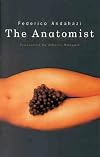
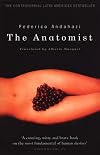
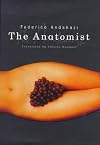
The Anatomist
by Federico Andahazi
On This Page
Description
The sensational #1 bestseller from Argentina comes to America with a dash of period detail and a twist of eroticism -- and intoxicating blend that is sure to be the toast of the literary season.Published to critical acclaim in his native Argentina, Federico Andahazi's "The Anatomist" instantly transports readers to Venice in the sixteenth century. For it is in that place and time that the anatomist, Mateo Colon, is on the verge of making a most earthshaking discovery: the center of the show more female's erotic universe. Colon has always thought of himself as a man of science and reason in all age of stubborn superstition. But even he is tempted to alchemy when he faces the age-old problem that could defeat the greatest of male minds: how to make a woman deeply, deliciously happy.When an encounter with a beautiful, ailing patient leads to his astonishing discovery, Colon realizes that this "sweet newly found land" is indeed the key to the intimate mystery of feminine pleasure. His sudden, skillfulknowledge wins him the attention of Mona Sophia, the loveliest prostitute in all of Venice... and of the authorities, who soon bring the wrath of the Inquisition upon his head.Calling to mind the lush historical scope of Umberto Eco and the earthy wit and sensuality of Gabriel Garcia Marquez, "The Anatomist" is now available in America. In prose as delicate and flowing as a satin slip, Federico Andahazi takes readers on a provocative journey and reminds them of the territory that can never be completely conquered, whose exploration and discovery provide an endlessly renewable delight. show lessTags
Recommendations

























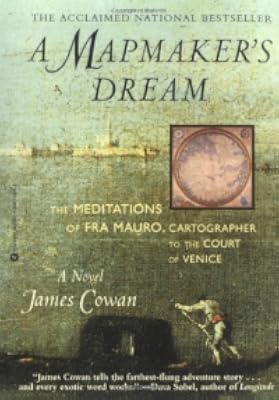






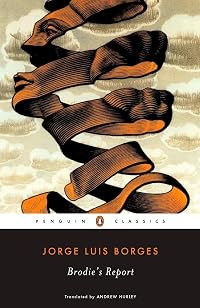

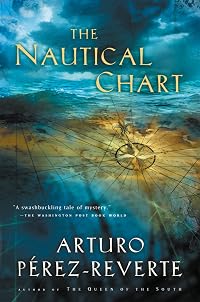
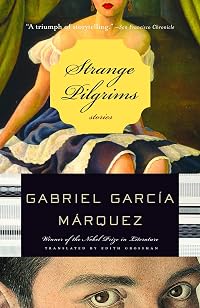

Member Recommendations
Member Reviews
Federico Andahazi não chegou a ser queimado na fogueira, como alguns dos personagens de seu romance O Anatomista. Mas sua obra não escapou do conservadorismo.
O Anatomista é a obra de estreia do escritor argentino Federico Andahazi, de 60 anos. O livro lançado em 1996 romanceia a vida do médico e professor Matteo Realdo Colombo. O personagem é real, nascido em Cremona em 1516. Como outros cientistas da Renascença, dedicava-se a dissecar corpos de pessoas e outros animais para compreender sua anatomia.
Entre outros avanços da medicina, por exemplo sobre a circulação sanguínea e a visão humana, Matteo Colombo pesquisava uma substância, poção mágica, o que fosse para despertar o amor nas mulheres.
Essa busca é a parte show more histórica do romance, uma obsessão de feiticeiros e alquimistas desde sempre. É aí que entra o talento literário de Andahazi, que introduz Mona Sofia, belíssima prostituta de Veneza. Ela se torna uma obsessão para Matteo Colombo, que motiva ainda mais sua busca pela chave do amor e prazer feminino.
O Anatomista tem sequências explícitas, que incluem cenas chocantes de pedofilia. Era um período da humanidade em que a prostituição não tinha idade para começar. Algo que virou crime, mas infelizmente não acabou.
A narrativa de Federico Andahazi combina o obsceno com o erudito, o profano com descrições científicas, ficção e realidade histórica em um texto muitíssimo bem escrito e fluido. O protagonista interage com vítimas da sociedade, a intolerância de religiosos, prostitutas, enfrenta um vilão e faz amizade até com um corvo.
O anatomista tornou-se um êxito mundial e foi traduzido para mais de 30 idiomas. Já em 1996, o livro foi finalista do Prêmio Planeta, e ganhou o Primeiro Prêmio da Fundação Fortabat. Porém, María Amalia Lacroze de Fortabat disse que não concordava com a decisão do júri. E ela era simplesmente a financiadora do concurso. Seu argumento, publicado em jornais de Buenos Aires, era que o romance “não contribui para a exaltação dos valores mais elevados do espírito humano”.
A Fundação Fortabat ratificou a escolha do júri e manteve o prêmio. Mas a senhora María Amalia, dona da bola, destituiu o júri e acabou com os concursos literários organizados pela Fundação Fortabat. Ela por fim concordou em dar os US$ 15 mil do prêmio a Federico Andahazi. Mas não o prêmio em si o autor não recebeu.
Muito bem, eu só não disse qual foi a grande descoberta de Matteo Realdo Colombo. E não vou dizer o que é o famosíssimo Amor Veneris. Você pode descobrir numa rápida pesquisa, mas deixo no ar para provocar seu desejo de ler esse livro. Vale muito a pena!
Eu li nesta edição da Relume Dumará de 2000, na tradução de Paulina Wacht e Ari Roitman. A edição hoje disponível é da Editora Bertrand Brasil. show less
O Anatomista é a obra de estreia do escritor argentino Federico Andahazi, de 60 anos. O livro lançado em 1996 romanceia a vida do médico e professor Matteo Realdo Colombo. O personagem é real, nascido em Cremona em 1516. Como outros cientistas da Renascença, dedicava-se a dissecar corpos de pessoas e outros animais para compreender sua anatomia.
Entre outros avanços da medicina, por exemplo sobre a circulação sanguínea e a visão humana, Matteo Colombo pesquisava uma substância, poção mágica, o que fosse para despertar o amor nas mulheres.
Essa busca é a parte show more histórica do romance, uma obsessão de feiticeiros e alquimistas desde sempre. É aí que entra o talento literário de Andahazi, que introduz Mona Sofia, belíssima prostituta de Veneza. Ela se torna uma obsessão para Matteo Colombo, que motiva ainda mais sua busca pela chave do amor e prazer feminino.
O Anatomista tem sequências explícitas, que incluem cenas chocantes de pedofilia. Era um período da humanidade em que a prostituição não tinha idade para começar. Algo que virou crime, mas infelizmente não acabou.
A narrativa de Federico Andahazi combina o obsceno com o erudito, o profano com descrições científicas, ficção e realidade histórica em um texto muitíssimo bem escrito e fluido. O protagonista interage com vítimas da sociedade, a intolerância de religiosos, prostitutas, enfrenta um vilão e faz amizade até com um corvo.
O anatomista tornou-se um êxito mundial e foi traduzido para mais de 30 idiomas. Já em 1996, o livro foi finalista do Prêmio Planeta, e ganhou o Primeiro Prêmio da Fundação Fortabat. Porém, María Amalia Lacroze de Fortabat disse que não concordava com a decisão do júri. E ela era simplesmente a financiadora do concurso. Seu argumento, publicado em jornais de Buenos Aires, era que o romance “não contribui para a exaltação dos valores mais elevados do espírito humano”.
A Fundação Fortabat ratificou a escolha do júri e manteve o prêmio. Mas a senhora María Amalia, dona da bola, destituiu o júri e acabou com os concursos literários organizados pela Fundação Fortabat. Ela por fim concordou em dar os US$ 15 mil do prêmio a Federico Andahazi. Mas não o prêmio em si o autor não recebeu.
Muito bem, eu só não disse qual foi a grande descoberta de Matteo Realdo Colombo. E não vou dizer o que é o famosíssimo Amor Veneris. Você pode descobrir numa rápida pesquisa, mas deixo no ar para provocar seu desejo de ler esse livro. Vale muito a pena!
Eu li nesta edição da Relume Dumará de 2000, na tradução de Paulina Wacht e Ari Roitman. A edição hoje disponível é da Editora Bertrand Brasil. show less
This is different. Andahazi is an Argentinian writer (translated here by Alberto Manguel, originally Brazilian, now living in Canada and, to my mind, one of our best writers and thinkers on literature and life). He is a practicing psychiatrist and this is his first novel. The book was denounced by the wealthy Argentinian supporter of the Forbat Prize for literature thus, apparently, setting off a scandal and charges of modern-day censorship. Slightly ironic given the theme of the novel.
The book is set in 16th century Renaissance Italy where one Mateo Colombo, renowned anatomist and doctor, is put on trial by the Inquisition for a book he has written in which he describes his discovery of the clitoris (from the Greek "tickling"), or Amor show more Veneris, as he calls it. His initial discovery came in his treatment of a wealthy and beautiful widow, Ines, who seemed to be dying of depression and lassitude, but was wonderfully revived by the good doctor's manual manipulation of her engorged clitoris. The trial is fixed, and the good doctor will be burned at the stake, but he is saved by a summons to attend to the ailing Pope, and after he cures the pontiff, the world is at his feet, at least until the Pope dies, and Colombo finds that he bet on the wrong horse in terms of a successor and he has to flee Rome. But he does so happily, because he wants to return to his one great love, the fabulously beautiful prostitute, Mona Sofia whom he had only painted in the nude before, but whom he thinks will now love him because he has discovered, and can share with her, the soruce of women's love. Alas, he finds her ravaged as, "never...had he witnessed a case of syphilis so advanced". And Mona, a wonderful character, has the last word as the doctor professes his love to her and strokes her ravaged body when with her last breath she uses the same line she used when he painted her for days and days in row while professing his undying love and desire to take her away: "Your time is up."
This scant, and incomplete, summary does not to do justice to good writing in an interesting novel that conjures wonderfully the world of the 16th century and is, at the same time, a disquisition on the role and position of women in that society, the meaning of the soul and how it differs between men and women, the state of scientific knowledge and nature of scientific inquiry and its collision with the single most powerful force in society, the Church, which never took kindly to the perceived loss of any authority, or any weakening of the interpretation of faith that was, of course, its sole privilege. Colombo's philosophical, metaphysical defence during his trial is a wonderful.
Perhaps not to everyone's taste as a novel, but one that I enjoyed and would recommend.
The depositions presented during the trial to show the evil and demonic nature of the good doctor are interesting for their links to the Salem witchhunt trials and the report by the Special Prosecutor on Clinton's perjury about his affair with Monica Lewinsky. John Updike made the latter connection in an article I read recently, where he noted that the testimony in the Salem trials served as a sort of sanctioned voyeurism as women would talk about being possessed by the devil or his minions in some considerable detail, certainly much more crudely and explicitly than would ever be allowed in the press or literature of that day. Similarly, in Updike's view, the report of the Special Prosecutor uses its formal and legal status to go well beyond what is necessary and acceptable, even in today's mainstream press; the fact of the affair and the subsequent perjury seem clear: do we really need the details of how and when Monica serviced the President and what exactly he did with his cigar? So, in the 16th century, testimony to the effect that the doctor:
...forced her to open legs, whereupon he inserted a demon inside her. The aforementioned declares that in the midst of her ecstasy, she was unable to tear herself free because the demon inside her gave her more pleasure than she had ever felt before...
would have been pretty racy stuff for the judges and witnesses! Plus ca change.... show less
The book is set in 16th century Renaissance Italy where one Mateo Colombo, renowned anatomist and doctor, is put on trial by the Inquisition for a book he has written in which he describes his discovery of the clitoris (from the Greek "tickling"), or Amor show more Veneris, as he calls it. His initial discovery came in his treatment of a wealthy and beautiful widow, Ines, who seemed to be dying of depression and lassitude, but was wonderfully revived by the good doctor's manual manipulation of her engorged clitoris. The trial is fixed, and the good doctor will be burned at the stake, but he is saved by a summons to attend to the ailing Pope, and after he cures the pontiff, the world is at his feet, at least until the Pope dies, and Colombo finds that he bet on the wrong horse in terms of a successor and he has to flee Rome. But he does so happily, because he wants to return to his one great love, the fabulously beautiful prostitute, Mona Sofia whom he had only painted in the nude before, but whom he thinks will now love him because he has discovered, and can share with her, the soruce of women's love. Alas, he finds her ravaged as, "never...had he witnessed a case of syphilis so advanced". And Mona, a wonderful character, has the last word as the doctor professes his love to her and strokes her ravaged body when with her last breath she uses the same line she used when he painted her for days and days in row while professing his undying love and desire to take her away: "Your time is up."
This scant, and incomplete, summary does not to do justice to good writing in an interesting novel that conjures wonderfully the world of the 16th century and is, at the same time, a disquisition on the role and position of women in that society, the meaning of the soul and how it differs between men and women, the state of scientific knowledge and nature of scientific inquiry and its collision with the single most powerful force in society, the Church, which never took kindly to the perceived loss of any authority, or any weakening of the interpretation of faith that was, of course, its sole privilege. Colombo's philosophical, metaphysical defence during his trial is a wonderful.
Perhaps not to everyone's taste as a novel, but one that I enjoyed and would recommend.
The depositions presented during the trial to show the evil and demonic nature of the good doctor are interesting for their links to the Salem witchhunt trials and the report by the Special Prosecutor on Clinton's perjury about his affair with Monica Lewinsky. John Updike made the latter connection in an article I read recently, where he noted that the testimony in the Salem trials served as a sort of sanctioned voyeurism as women would talk about being possessed by the devil or his minions in some considerable detail, certainly much more crudely and explicitly than would ever be allowed in the press or literature of that day. Similarly, in Updike's view, the report of the Special Prosecutor uses its formal and legal status to go well beyond what is necessary and acceptable, even in today's mainstream press; the fact of the affair and the subsequent perjury seem clear: do we really need the details of how and when Monica serviced the President and what exactly he did with his cigar? So, in the 16th century, testimony to the effect that the doctor:
...forced her to open legs, whereupon he inserted a demon inside her. The aforementioned declares that in the midst of her ecstasy, she was unable to tear herself free because the demon inside her gave her more pleasure than she had ever felt before...
would have been pretty racy stuff for the judges and witnesses! Plus ca change.... show less
Inspired, malicious exploration of Aristotle's de Generatium Animalum. Starts slow and at times almost abhorrent, but like J Thirwell: positive negativism. Would be a grand addition to a graduate seminar on Aristotle.
El héroe de esta novela es Mateo Colón, un anatomista del Renacimiento que, al enamorarse de una prostituta veneciana, Mona Sofía, emprende la búsqueda de algún tipo de pócima que le permita conseguir su amor. El anatomista da comienzo así, nada más ni nada menos, a la ardua exploración de la misteriosa naturaleza de las mujeres.
Cuando intente hacerlo público,Colón deberá enfrentar otro poder: el de la despiadada inquisición. Desde ese momento, se verá envuelto en un proceso vertiginoso.
Cuando intente hacerlo público,Colón deberá enfrentar otro poder: el de la despiadada inquisición. Desde ese momento, se verá envuelto en un proceso vertiginoso.
Federico is unique and not for everybody. I liked the storyline and the writing style
Federico is unique and not for everybody. I liked the storyline and the writing style
de clitoris als bedreiging voor de kerk in de rennaissance
Members
- Recently Added By
Published Reviews
Der 1963 geborene und in Buenos Aires lebende Analytiker Federico Andahazi (vom Foto her könnte der dämonisch gestylte Südamerikaner jederzeit den Mephistopheles spielen) hat mit seinem Erstling in Argentinien für einen Skandal gesorgt. Der ihm von einer Jury zugesprochene Literaturpreis wurde ihm von der Stifterin des Preises, der bejahrten und sich in ihrem sittlichen Empfinden gestört show more fühlenden Doña Amalia, wieder aberkannt. Unschuldiges Argentinien, kann man da nur sagen. show less
added by Indy133
Lists

Best Historical Fiction
620 works; 261 members

Authors from Argentina
5 works; 1 member

Historical Fiction Lovers
88 works; 4 members
Author Information

29 Works 1,153 Members
Some Editions
Common Knowledge
- Canonical title
- The Anatomist
- Original title
- El anatomista
- Original publication date
- 1998
- People/Characters
- Mateo Renaldo Colombo; Mona Sofia; Inés de Torremolinos; Alessandro de Legnano
- Important places
- Venice, Veneto, Italy; Florence, Tuscany, Italy; Padua, Veneto, Italy
- First words
- On the other side of Monte Veldo, in the Via Bocciari, close to the Church of the Holy Trinity, stood the Bordello del Fauno Rosso, the most expensive whorehouse in Venice, whose splendor had no rival in the whole of the west... (show all)ern world.
- Last words
- (Click to show. Warning: May contain spoilers.)Tomorrow he will return for the rest.
- Original language*
- Spaans
*Some information comes from Common Knowledge in other languages. Click "Edit" for more information.
Classifications
- Genres
- Fiction and Literature, General Fiction, Historical Fiction
- DDC/MDS
- 863 — Literature & rhetoric Spanish Literature Spanish fiction
- LCC
- PQ7798.1 .N342 .A7713 — Language and Literature French, Italian, Spanish and Portuguese literatures Spanish literature Provincial, local, colonial, etc. Spanish America
- BISAC
Statistics
- Members
- 678
- Popularity
- 42,214
- Reviews
- 15
- Rating
- (3.41)
- Languages
- 15 — Danish, Dutch, English, Finnish, French, German, Greek, Hungarian, Italian, Norwegian (Bokmål), Norwegian, Portuguese, Spanish, Swedish, Turkish
- Media
- Paper, Audiobook, Ebook
- ISBNs
- 48
- ASINs
- 10