On This Page
Description
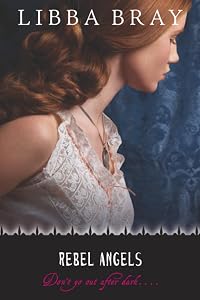
Gemma and her friends from the Spence Academy return to the realms to defeat her foe, Circe, and to bind the magic that has been released.Tags
Recommendations
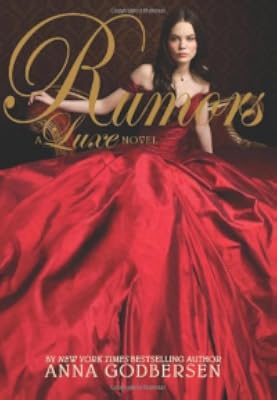
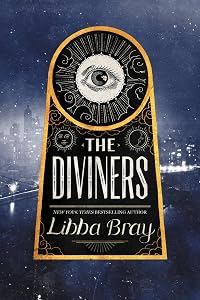
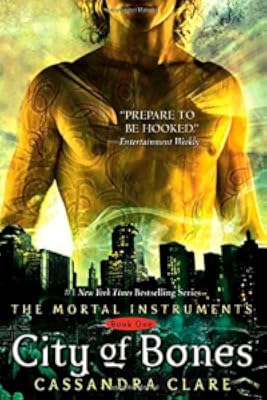
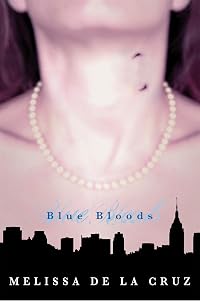
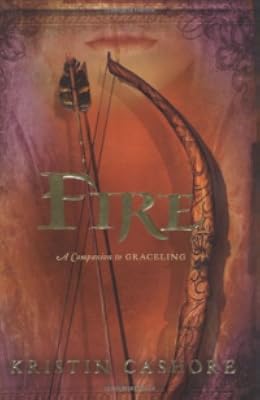
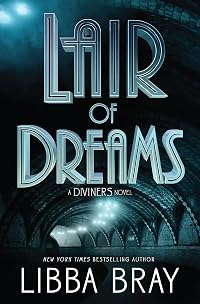
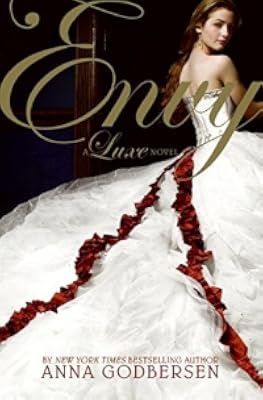

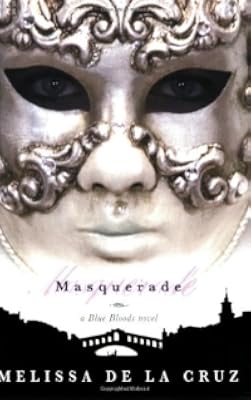
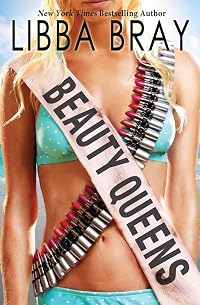
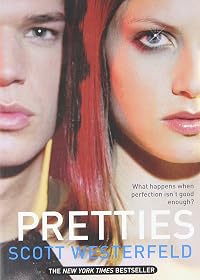
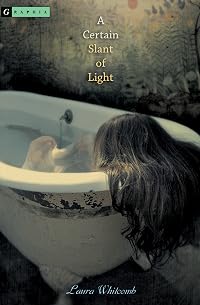
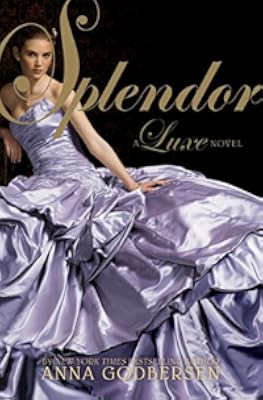
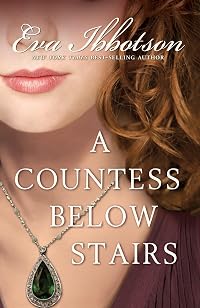
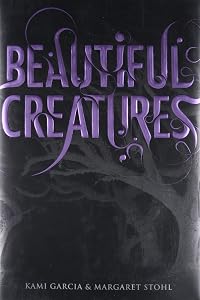
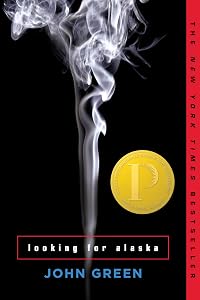
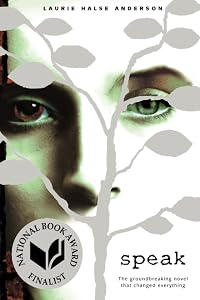



Member Recommendations
jordantaylor The third and final book in the Gemma Doyle Trilogy.
51
Member Reviews
Abstractly, I always know how much I enjoy Libba Bray, but whenever one of her books pops up on my TBR, I remember with bright insistence. Since I started this blog, Libba Bray has become one of my absolute favorite authors. Rebel Angels is yet another wonderful book. It’s the second in the Gemma Doyle series and it’s been years since I read the first… but it all came back so quickly. I loved it. I listening to it slowly, often shutting it off and switching to music or my aPHR study materials rather than finish it. This sort of habit is terrible for my reading goals, but I don’t care. Rebel Angels was fun, twisty, imaginative, sad, and sweet. I loved it. And how often do we say that about the middle book in a trilogy?
In fact, I show more think I enjoyed Rebel Angels more than the first book.
The Realms come to life in this book as we venture far beyond the garden and into the depths of Bray’s world. Each trip into the realms is noticeably wilder and more dangerous. We watch the garden alone transform into a haunted version of something from Alice in Wonderland. We meet new characters inside this world, but we also meet old friends. Or are they?
The setting also pivots in the real world as Gemma, Felicity, and Anne head home to London for the Christmas holiday. We meet more people in society, we watch Gemma’s father struggle. We see Anne take the spotlight for a little while, which was absolutely wonderful. More than anything, I think my favorite character arc in Rebel Angels was Felicity’s. Coming into this story, I was a bit salty about Felicity. I was sure, so sure of her behavior only to learn more about her as we meet her family and venture into her home. It’s one of the things I love about Libba Bray – although she isn’t a POV character, Bray takes time with the supporting characters to give them depth and purpose. Now, ending the second book and heading into the third, I’m as invested in all the supporting characters as I am in Gemma.
Bray’s writing does so well diving into darkness. Nineteenth century England has its own underbelly of unfortunate behaviors, expectations, and the like. Bray picks away at this world like a scab and is not shy at all when it comes to Bedlam. I read her writing as a commentary of history with a raw bite that lets us be ashamed and embarrassed for most of London society as well as the reflections we see in ourselves (yikes). There’s also a moment where Gemma says something incredibly racist and the character she’s talking to reacts extremely appropriately and it’s called out in that way, although Gemma (and Felicity, when told) fails to see the problem. And isn’t that quite typical of our world? That interaction stood out to me. I appreciated its inclusion and I hope it makes others think.
If you read A Great and Terrible Beauty and were on the fence about continuing, this is your sign to carry on. I really enjoyed this book with its twists and turns (at a plot and a personal level). I know I’ll be reading the last book in the trilogy! This is one I’d read again. Anything by Libba Bray is something I’d read again! show less
In fact, I show more think I enjoyed Rebel Angels more than the first book.
The Realms come to life in this book as we venture far beyond the garden and into the depths of Bray’s world. Each trip into the realms is noticeably wilder and more dangerous. We watch the garden alone transform into a haunted version of something from Alice in Wonderland. We meet new characters inside this world, but we also meet old friends. Or are they?
The setting also pivots in the real world as Gemma, Felicity, and Anne head home to London for the Christmas holiday. We meet more people in society, we watch Gemma’s father struggle. We see Anne take the spotlight for a little while, which was absolutely wonderful. More than anything, I think my favorite character arc in Rebel Angels was Felicity’s. Coming into this story, I was a bit salty about Felicity. I was sure, so sure of her behavior only to learn more about her as we meet her family and venture into her home. It’s one of the things I love about Libba Bray – although she isn’t a POV character, Bray takes time with the supporting characters to give them depth and purpose. Now, ending the second book and heading into the third, I’m as invested in all the supporting characters as I am in Gemma.
Bray’s writing does so well diving into darkness. Nineteenth century England has its own underbelly of unfortunate behaviors, expectations, and the like. Bray picks away at this world like a scab and is not shy at all when it comes to Bedlam. I read her writing as a commentary of history with a raw bite that lets us be ashamed and embarrassed for most of London society as well as the reflections we see in ourselves (yikes). There’s also a moment where Gemma says something incredibly racist and the character she’s talking to reacts extremely appropriately and it’s called out in that way, although Gemma (and Felicity, when told) fails to see the problem. And isn’t that quite typical of our world? That interaction stood out to me. I appreciated its inclusion and I hope it makes others think.
If you read A Great and Terrible Beauty and were on the fence about continuing, this is your sign to carry on. I really enjoyed this book with its twists and turns (at a plot and a personal level). I know I’ll be reading the last book in the trilogy! This is one I’d read again. Anything by Libba Bray is something I’d read again! show less
Gemma reminds me of so much of a Tori Amos song. She is incapable of repression—a juggernaut of willpower and righteousness. The only problem is, Gemma’s too young and naïve in the ways of the world… but not for long.
Unlike its predecessor, Rebel Angels allows the girls of the Neo-Order to really grow and flourish into cunning, unafraid young women. While Gemma finds herself squarely situated as the heroine in the tempus immemorial never ending struggle between good and evil, the reader finds herself falling fast into a yin yang bittersweet journey. Felicity, or as I will heretofore refer to her as that “Railing Maleficent Oddity” (thank you Ms. Bray for causing several embarrassing bouts of uncontrollable laughter on the show more bus) is one of the best fleshed-out supporting characters a young adult novel could ask for. Though often petulant and decidedly stuck in a Victorian England (ie. devoid of Spice Girls) chamber of etiquette horrors with her reprehensible mother, Felicity blossoms into a loving, compassionate sister at arms (both literally and figuratively). Ann Bradshaw (AKA Fukuzawa Yumi) delivers a joyful rejoinder to the uppity bourgeoisie caste-sensitive aristocracy. Ann’s super-sleuth moonlighting brings out a much-needed Holmes to Circe’s Moriarty; possessing a quicksilver clarity that strung-out Gemma lacks, Ann is worth more as a cleric triumvirate than as a sister-in-law (no, this is not a spoiler--I am merely extrapolating).
As sequels go, Rebel Angels holds its own. Tantalizing, yet dour; frightening yet vindicating, surreal and then some; treated to a healthy amount of author research and schema coaxing, it is no less fulfilling than its antecedent with just the right amount of tapestry stark. You go girl!
However, I was more than a little disappointed with Kartik. The reader has even fewer reasons to like his character in Rebels than in Beauty, and his personal motivations are bland (if it indeed they even exist). As a love-interest Kartik is a fickle childish prude with zero development (albeit taking a backseat in this installment to the imho far more interesting but base Simon Middleton) and even less imagination (“I give unto you this pocket knife of protection…”). It’s obvious to everyone he’s destined to marry Gemma and thereby overcome the low-birth adversity that denied his older brother Mary (an educated guess, not a spoiler)… but I don’t have to like him or buy into him.
All-in-all, Rebel Angels is a diverting pleasure to read/devour and a gripping surreal jaunt for the senses (disclaimer: not for a weak constitution). show less
Unlike its predecessor, Rebel Angels allows the girls of the Neo-Order to really grow and flourish into cunning, unafraid young women. While Gemma finds herself squarely situated as the heroine in the tempus immemorial never ending struggle between good and evil, the reader finds herself falling fast into a yin yang bittersweet journey. Felicity, or as I will heretofore refer to her as that “Railing Maleficent Oddity” (thank you Ms. Bray for causing several embarrassing bouts of uncontrollable laughter on the show more bus) is one of the best fleshed-out supporting characters a young adult novel could ask for. Though often petulant and decidedly stuck in a Victorian England (ie. devoid of Spice Girls) chamber of etiquette horrors with her reprehensible mother, Felicity blossoms into a loving, compassionate sister at arms (both literally and figuratively). Ann Bradshaw (AKA Fukuzawa Yumi) delivers a joyful rejoinder to the uppity bourgeoisie caste-sensitive aristocracy. Ann’s super-sleuth moonlighting brings out a much-needed Holmes to Circe’s Moriarty; possessing a quicksilver clarity that strung-out Gemma lacks, Ann is worth more as a cleric triumvirate than as a sister-in-law (no, this is not a spoiler--I am merely extrapolating).
As sequels go, Rebel Angels holds its own. Tantalizing, yet dour; frightening yet vindicating, surreal and then some; treated to a healthy amount of author research and schema coaxing, it is no less fulfilling than its antecedent with just the right amount of tapestry stark. You go girl!
However, I was more than a little disappointed with Kartik. The reader has even fewer reasons to like his character in Rebels than in Beauty, and his personal motivations are bland (if it indeed they even exist). As a love-interest Kartik is a fickle childish prude with zero development (albeit taking a backseat in this installment to the imho far more interesting but base Simon Middleton) and even less imagination (“I give unto you this pocket knife of protection…”). It’s obvious to everyone he’s destined to marry Gemma and thereby overcome the low-birth adversity that denied his older brother Mary (an educated guess, not a spoiler)… but I don’t have to like him or buy into him.
All-in-all, Rebel Angels is a diverting pleasure to read/devour and a gripping surreal jaunt for the senses (disclaimer: not for a weak constitution). show less
I love Libba Bray. I think my love for her grows more and more every time I read anything by her, or about her. This kind of story would not generally be my thing. Teenage girls in the old days, curtsying, being ladies, finishing school, high society, etc. Seriously, I am a very lucky girl not to have been born back in the day where women pretty much had a shit life. I would have been one of those girls that caused scandals by not wearing corsets, swearing, climbing trees, punching guys who pinched my ass, etc. I would have been the one they ship away off to the nutter house, or accused of witchcraft. It would have not been pleasant for me, so I usually don't want to read about how unpleasant it is for them, but Libba Bray makes me love show more it. She has magical powers, I am almost sure of it. She is a clever little bastard. show less
(Originally reviewed at thelibraryladies.com.)
Oof, this review, it’s going to be tough. It seems that “Rebel Angels” is widely believed to be the stronger book of the first two in Bray’s “Gemma Doyle” series. But man, I had some problems with this one.
But first, the good. There is no questioning Bray’s strength as a writer. The dialogue is always excellent, the descriptions of Victorian London are spot on. She includes many historical details that keep the atmosphere rich and poignant, and she’s mastered writing her action set pieces, something that was perhaps lacking in the first book. Further, the stakes have been raised in this book. Gemma, Felicity, and Anne have experienced real hardship with the death of their show more friend Pippa. And Circe, Gemma’s mother’s murderer, seems to circle ever nearer throughout this story. I enjoyed the expansion of both the “real world” setting, moving the story out from the walls of Spence Academy and into the social workings of London itself, as well as that of the Realms. We get to move beyond the perfectly lovely Garden and begin to see that now that the magic is released, things aren’t quite right in this magical land. Further, they might not have been right even before when the Order was in power.
So, there you go. This is a long book (a mark against it, really, since I think Bray could have used an editor to help trim this book up in places), but the writing and general plotting of the story are strong and got me through it. And considering my list of complaints to come, getting through it in a timely manner is actually a big mark in…something’s favor.
First off, the characters. As I said, there were some serious happenings in the first book. Pippa died. Felicity (and Anne in following her) did some truly awful things in the pursuit of power. It was made clear that the Realms weren’t all pretty flowers and magical powers with no strings attached. With this all, characters needed to grow! Other than mourning Pippa’s death, the threesome of girls quickly falls into the exact same pattern of behavior they exhibited in the first book as if they had learned absolutely nothing.
Felicity continues to bully Gemma into making bad decisions with the Realms, behaving as if it is still the free-for-all they had first supposed it to be, as if she hadn’t sacrificed a deer bare-handed in the previous book only to come this close to becoming a dark denizen herself. She routinely advises Gemma to ignore warnings and plays hot and cold with her friendship. You’d think that after coming through together what was experienced in the first book there would be a real foundation of friendship. Instead, we continue to see examples of a “mean girl” who only cares for Gemma when it is convenient. This doesn’t speak well to Gemma’s character either for tolerating such one-sided friendships (Anne has similar issues, siding with Felicity in all of her worst moments and never giving anything back to Gemma to justify Gemma’s continued loyalty).
Further, about half way through the story Bray introduces a dark backstory for Felicity with regards to her family. I have mixed feelings on this as I do think in many ways it was handled very well. But it was also used as a magic wand to somehow excuse Felicity’s behavior, which I don’t agree with. Further, after showing up briefly, there are many implications that are never fully addressed, which leaves the whole situation feeling all too close to a “plot convenience” which doesn’t sit well at all.
Anne has changed not at all. If anything, her character’s uselessness is doubled down upon. She has gained no bravery, no sense of self worth, and has actually actively stepped back into bad behaviors (self harm) that much time was spent on overcoming in the first book. Why was our time wasted then if she wasn’t going to improve at all here? And in this book, I can’t think of a single time when she truly aided the group. She was nothing more than dead weight throughout the entire story, and has now been given almost every negative stereotype a character like her can have, and gained none of the the strengths one would expect from a character moving beyond and through these set backs. Halfway through the book she ends up in a dangerous situation, and I was openly rooting for her to just be written out of the book. Alas, no.
And Gemma. The problems with Gemma aren’t even character problems. For the most part, I still very much like her as a leading lady. Unlike the other two, she has more sides to her that fully flesh her out and make her character arc interesting to follow. And while she does seem to grow throughout this book, there is the same problem from the previous to this: she has learned nothing! She naively believes everything that is told to her by every single person, even when she has explicitly been warned against this. Told not to trust anyone in the Realms? She immediately trusts EVERY SINGLE PERSON SHE MEETS. Oh, here’s a girl who was in the Order before and has made herself “mad” to avoid Cerci? Let’s NOT believe anything she has to say. It’s endlessly frustrating.
What’s more, the story opens with the reader witnessing a scene that explicitly makes it clear that a few characters are set against Gemma from the start. But then we have to go through an entire book watching her naively work with these characters. So not only is Gemma herself frustratingly naive to follow, making all of the wrong decisions for no good reason, but the reader is already set ahead of her, knowing more than she does from the start and yet still stuck in her ignorance. For any canny reader, the “twists” could be spotted a mile away which just makes it all the more frustrating watching Gemma and Co. struggle on. When she finally does realize things, there isn’t any breath of relief. You’re already 100 pages past that stage and simply want to smack her for not getting it earlier. Her following morose is all the more infuriating.
And lastly, the third member of the love triangle (you know it’s bad when the presence of a love triangle hasn’t even made the cut for my list of things to vent about) is essentially a date rapist and THIS IS NEVER ADDRESSED. He tries to get Gemma away from the others at a ball, and when this doesn’t work, he gets her drunk on absinthe, and then lures her to a remote part of the house and begins seducing her. They’re only interrupted by one of her visions which scares him out of it. And then the whole thing is forgotten, other than Gemma being embarrassed by her own behavior mid-vision!
There is zero discussion about this man’s intentions, the wrongness of his drugging her and attempting to seduce her, or anything. He continues to be a romantic interest! For a book, and author, that makes a big deal about talking about feminist and societal issues, I honestly couldn’t believe what I was reading. I kept waiting for the admonitions to role in, for Gemma to realize what a scumbag this guy was, for anything! There was nothing. It was left as if nothing had happened, he had done no wrong, and Gemma’s only concern was the worry that her own behavior would put him off. There’s no excuse for this. For young women reading this book, they are left with a scene like this presented as ordinary, ok, and not worth revisiting other than potentially shaming the girl caught up in it for getting too drunk and putting off the potential husband.
So, it’s clear I had a lot of feelings about this book. For as many complaints as I had, I do feel compelled to finish the series, if only to see where Bray ends up leaving her characters in the end. Again, a lot happened in this book and you’d expect some character growth to come out of it, for us to have new versions of the same characters in the next book. But I had that expectation for this book and was utterly disappointed, so I’m not holding out hope. My prediction is that they will all behave the same exact way for way too many pages. I guess we’ll find out. show less
Oof, this review, it’s going to be tough. It seems that “Rebel Angels” is widely believed to be the stronger book of the first two in Bray’s “Gemma Doyle” series. But man, I had some problems with this one.
But first, the good. There is no questioning Bray’s strength as a writer. The dialogue is always excellent, the descriptions of Victorian London are spot on. She includes many historical details that keep the atmosphere rich and poignant, and she’s mastered writing her action set pieces, something that was perhaps lacking in the first book. Further, the stakes have been raised in this book. Gemma, Felicity, and Anne have experienced real hardship with the death of their show more friend Pippa. And Circe, Gemma’s mother’s murderer, seems to circle ever nearer throughout this story. I enjoyed the expansion of both the “real world” setting, moving the story out from the walls of Spence Academy and into the social workings of London itself, as well as that of the Realms. We get to move beyond the perfectly lovely Garden and begin to see that now that the magic is released, things aren’t quite right in this magical land. Further, they might not have been right even before when the Order was in power.
So, there you go. This is a long book (a mark against it, really, since I think Bray could have used an editor to help trim this book up in places), but the writing and general plotting of the story are strong and got me through it. And considering my list of complaints to come, getting through it in a timely manner is actually a big mark in…something’s favor.
First off, the characters. As I said, there were some serious happenings in the first book. Pippa died. Felicity (and Anne in following her) did some truly awful things in the pursuit of power. It was made clear that the Realms weren’t all pretty flowers and magical powers with no strings attached. With this all, characters needed to grow! Other than mourning Pippa’s death, the threesome of girls quickly falls into the exact same pattern of behavior they exhibited in the first book as if they had learned absolutely nothing.
Felicity continues to bully Gemma into making bad decisions with the Realms, behaving as if it is still the free-for-all they had first supposed it to be, as if she hadn’t sacrificed a deer bare-handed in the previous book only to come this close to becoming a dark denizen herself. She routinely advises Gemma to ignore warnings and plays hot and cold with her friendship. You’d think that after coming through together what was experienced in the first book there would be a real foundation of friendship. Instead, we continue to see examples of a “mean girl” who only cares for Gemma when it is convenient. This doesn’t speak well to Gemma’s character either for tolerating such one-sided friendships (Anne has similar issues, siding with Felicity in all of her worst moments and never giving anything back to Gemma to justify Gemma’s continued loyalty).
Further, about half way through the story Bray introduces a dark backstory for Felicity with regards to her family. I have mixed feelings on this as I do think in many ways it was handled very well. But it was also used as a magic wand to somehow excuse Felicity’s behavior, which I don’t agree with. Further, after showing up briefly, there are many implications that are never fully addressed, which leaves the whole situation feeling all too close to a “plot convenience” which doesn’t sit well at all.
Anne has changed not at all. If anything, her character’s uselessness is doubled down upon. She has gained no bravery, no sense of self worth, and has actually actively stepped back into bad behaviors (self harm) that much time was spent on overcoming in the first book. Why was our time wasted then if she wasn’t going to improve at all here? And in this book, I can’t think of a single time when she truly aided the group. She was nothing more than dead weight throughout the entire story, and has now been given almost every negative stereotype a character like her can have, and gained none of the the strengths one would expect from a character moving beyond and through these set backs. Halfway through the book she ends up in a dangerous situation, and I was openly rooting for her to just be written out of the book. Alas, no.
And Gemma. The problems with Gemma aren’t even character problems. For the most part, I still very much like her as a leading lady. Unlike the other two, she has more sides to her that fully flesh her out and make her character arc interesting to follow. And while she does seem to grow throughout this book, there is the same problem from the previous to this: she has learned nothing! She naively believes everything that is told to her by every single person, even when she has explicitly been warned against this. Told not to trust anyone in the Realms? She immediately trusts EVERY SINGLE PERSON SHE MEETS. Oh, here’s a girl who was in the Order before and has made herself “mad” to avoid Cerci? Let’s NOT believe anything she has to say. It’s endlessly frustrating.
What’s more, the story opens with the reader witnessing a scene that explicitly makes it clear that a few characters are set against Gemma from the start. But then we have to go through an entire book watching her naively work with these characters. So not only is Gemma herself frustratingly naive to follow, making all of the wrong decisions for no good reason, but the reader is already set ahead of her, knowing more than she does from the start and yet still stuck in her ignorance. For any canny reader, the “twists” could be spotted a mile away which just makes it all the more frustrating watching Gemma and Co. struggle on. When she finally does realize things, there isn’t any breath of relief. You’re already 100 pages past that stage and simply want to smack her for not getting it earlier. Her following morose is all the more infuriating.
And lastly, the third member of the love triangle (you know it’s bad when the presence of a love triangle hasn’t even made the cut for my list of things to vent about) is essentially a date rapist and THIS IS NEVER ADDRESSED. He tries to get Gemma away from the others at a ball, and when this doesn’t work, he gets her drunk on absinthe, and then lures her to a remote part of the house and begins seducing her. They’re only interrupted by one of her visions which scares him out of it. And then the whole thing is forgotten, other than Gemma being embarrassed by her own behavior mid-vision!
There is zero discussion about this man’s intentions, the wrongness of his drugging her and attempting to seduce her, or anything. He continues to be a romantic interest! For a book, and author, that makes a big deal about talking about feminist and societal issues, I honestly couldn’t believe what I was reading. I kept waiting for the admonitions to role in, for Gemma to realize what a scumbag this guy was, for anything! There was nothing. It was left as if nothing had happened, he had done no wrong, and Gemma’s only concern was the worry that her own behavior would put him off. There’s no excuse for this. For young women reading this book, they are left with a scene like this presented as ordinary, ok, and not worth revisiting other than potentially shaming the girl caught up in it for getting too drunk and putting off the potential husband.
So, it’s clear I had a lot of feelings about this book. For as many complaints as I had, I do feel compelled to finish the series, if only to see where Bray ends up leaving her characters in the end. Again, a lot happened in this book and you’d expect some character growth to come out of it, for us to have new versions of the same characters in the next book. But I had that expectation for this book and was utterly disappointed, so I’m not holding out hope. My prediction is that they will all behave the same exact way for way too many pages. I guess we’ll find out. show less
Angeli Ribelli è il secondo di una triologia che ti cattura ad ogni pagina.
Dove non ci sono buoni o cattivi, dove il bianco ed il nero spesso finiscono con il confondersi e mescolarsi senza alcuna apparente logica.
Dove l'amicizia è vera, quella reale di tutti i giorni fatta di luce ed ombre, di pregi e difetti e dove l'amore non è una classica favola dove il principe azzurro arriva cavalcando un bianco destriero.
Libba Bray, nella sua bravura, ci mostra un mondo fatto di balli, carrozze, cavalli, balze e merletti. Ornato da elementi fantasy che si integrano ed uniscono all'epoca vittoriana con elegante e sapiente disivoltura.
Gemma Doyle, semplice ragazza vicina al suo debutto sociale, lascia le mura della scuola per signorine e si show more trova per la prima volta fra le frenetiche vie di Londra.
Si trova a fare i conti con una socientà basata sull'apparenza, dove la meschinità regna sovrana d dove una donna, per quanto intelligente, finisce sempre e comunque per dover fare i conti con le chiacchiere delle sue pari pronte a distruggerla per un nulla.
Una fantasy che diventa definitivamente per adulti dove, a mio avviso, la frase che racchiude tutta l'essenza del romanzo stesso è: ''Nei libri, la verità sistema tutto quanto. Il bene vince. I malvagi vengono puniti. La felicità trionfa. Ma nella realtà non succede così, vero?" (p.530)
Non vedo l'ora di poter assaporare il terzo della triologia, senza dubbio! show less
Dove non ci sono buoni o cattivi, dove il bianco ed il nero spesso finiscono con il confondersi e mescolarsi senza alcuna apparente logica.
Dove l'amicizia è vera, quella reale di tutti i giorni fatta di luce ed ombre, di pregi e difetti e dove l'amore non è una classica favola dove il principe azzurro arriva cavalcando un bianco destriero.
Libba Bray, nella sua bravura, ci mostra un mondo fatto di balli, carrozze, cavalli, balze e merletti. Ornato da elementi fantasy che si integrano ed uniscono all'epoca vittoriana con elegante e sapiente disivoltura.
Gemma Doyle, semplice ragazza vicina al suo debutto sociale, lascia le mura della scuola per signorine e si show more trova per la prima volta fra le frenetiche vie di Londra.
Si trova a fare i conti con una socientà basata sull'apparenza, dove la meschinità regna sovrana d dove una donna, per quanto intelligente, finisce sempre e comunque per dover fare i conti con le chiacchiere delle sue pari pronte a distruggerla per un nulla.
Una fantasy che diventa definitivamente per adulti dove, a mio avviso, la frase che racchiude tutta l'essenza del romanzo stesso è: ''Nei libri, la verità sistema tutto quanto. Il bene vince. I malvagi vengono puniti. La felicità trionfa. Ma nella realtà non succede così, vero?" (p.530)
Non vedo l'ora di poter assaporare il terzo della triologia, senza dubbio! show less
Goodness. That's quite a story.
While [b:A Great and Terrible Beauty|3682|A Great and Terrible Beauty (Gemma Doyle, #1)|Libba Bray|https://i.gr-assets.com/images/S/compressed.photo.goodreads.com/books/1284558475l/3682._SY75_.jpg|2113193] primarily focused around the boarding school life with hints of a relatively benign magic (with a fair few hints of darkness under the surface), Rebel Angels expands the world both to the greater society of the time and delves much deeper into the dark, creepy bits of the Realms--not the least of which is Pippa. Dead... but not? It's a way to deal with loss, but there's no way this is possible going to end well.
One one hand, the twists at the end are interesting and it does shine a light both at the show more darkness in our world and in theirs, which is all the better. The bits in England are interesting enough to me, but I imagine that it's pretty standard historical romance stuff. The bits in the Realms are... a bit of a kitchen sink. Nothing ever really makes sense, which can feel extra magical and fantastical, but in this case mostly makes it feel disjointed. And when the major conflict revolves around a trio of teen girls literally staying on the path and listening to what they're told...
Well, you can imagine how that goes.
We'll give the third a try just because I've made it this far, but it's certainly not the easiest read. show less
While [b:A Great and Terrible Beauty|3682|A Great and Terrible Beauty (Gemma Doyle, #1)|Libba Bray|https://i.gr-assets.com/images/S/compressed.photo.goodreads.com/books/1284558475l/3682._SY75_.jpg|2113193] primarily focused around the boarding school life with hints of a relatively benign magic (with a fair few hints of darkness under the surface), Rebel Angels expands the world both to the greater society of the time and delves much deeper into the dark, creepy bits of the Realms--not the least of which is Pippa. Dead... but not? It's a way to deal with loss, but there's no way this is possible going to end well.
One one hand, the twists at the end are interesting and it does shine a light both at the show more darkness in our world and in theirs, which is all the better. The bits in England are interesting enough to me, but I imagine that it's pretty standard historical romance stuff. The bits in the Realms are... a bit of a kitchen sink. Nothing ever really makes sense, which can feel extra magical and fantastical, but in this case mostly makes it feel disjointed. And when the major conflict revolves around a trio of teen girls literally staying on the path and listening to what they're told...
Well, you can imagine how that goes.
We'll give the third a try just because I've made it this far, but it's certainly not the easiest read. show less
Less irksome than the first, though I dislike how the author seems to pile all the character "flaws" on Ann: poor, perpetually sick, chubby, insecure, and slow to catch on. The other characters would be more interesting if they had some quirks or flaws. The story, however, is interesting enough and the twist was certainly unexpected.
Members
- Recently Added By
Lists

NPRs your favorites: 100 Best Ever Teen Novels
237 works; 49 members

Most Popular Young Adult Lit on LT
100 works; 4 members

Allie's List of Books I Want To Read
93 works; 1 member
Author Information

26+ Works 34,276 Members
Libba Bray was born in Alabama on March 11, 1964. She grew up in Texas and graduated from the University of Texas at Austin in 1988. She moved to New York City and worked in the publicity department of Penguin Putnam, followed by three years at Spier, an advertising agency specializing in book advertising. Before writing young adult novels, she show more wrote three books for 17th Street Press using a pseudonym. She is the author of the Gemma Doyle Trilogy, Going Bovine and The Diviners. (Bowker Author Biography) show less
Some Editions
Awards and Honors
Awards
Distinctions
Series

Work Relationships
Common Knowledge
- Canonical title
- Rebel Angels
- Original publication date
- 2005-08-23
- People/Characters
- Gemma Doyle; Kartik; Circe (Sarah Rees-Toome); Pippa Cross; Ann Bradshaw; Felicity Worthington (show all 20); Simon Middleton; Tom Doyle; Nell Hawkins; Hester Asa Moore; Mrs. Nightwing; Cecily Temple; Reverend Waite; Mary Dowd (Virginia Doyle); Eugenia Spence; John Doyle; Brigid; Miss McCleethy; Mademoiselle LeFarge; Polly
- Important places
- London, England, UK; The Realms; Spence Academy; New Bethlehem Royal Hospital (Bedlam); the Winterlands
- Epigraph
- All that we see or seem / Is but a dream within a dream. --Edgar Allan Poe
Who first seduc'd them to that foul revolt? Th' infernal Serpent; he it was, whose guile Stir'd up with Envy and Revenge, deceiv'd The Mother of Mankinde, what time his Pride Had cast him out from Heav'n, with all his Host of... (show all) Rebel Angels, by whose aid aspiring To set himself in Glory above his Peers, He trusted to have equal'd the most High, If he oppos'd; and with ambitious aim Against the Throne and Monarchy of God Rais'd impious War in heav'n and Battel proud With vain attempt. Him the almighty Power Hurl'd headlong flaming from th' Ethereal Skie With hideous ruine and combustion down To bottomless perdition, there to dwell... O Prince, O Chief of many Throned Powers, That led th' imbattell'd Seraphim to Warr Under thy conduct, and in dreadful deeds Fearless, endanger'd Heav'n's perpetual King; And put to proof his high Supremacy, Whether upheld by strength, or Chance, or Fate, Too well I see and rue the dire event, That with sad overthrow and foul defeat Hath lost us Heav'n, and all this might Host In horrible destruction laid thus low, As far as Gods and Heav'nly Essences Can Perish: for the mind and spirit remains Invincible, and vigour soon returns, Though all our Glory extinct, and happy state Here swallow'd up in endless misery.... To reign is worth ambition though in Hell: Better to reign in Hell, than serve in Heav'n. But wherefore let we then our faithful friends, Th' associates and copartners of our loss Lye thus astonisht on th' oblivious Pool, And call them not to share with us their part In this unhappy Mansion, or once more With rallied Arms to try what may be yet Regain'd in Heav'n, or what more lost in Hell? --John Milton, Paradise Lost, Book 1 - Dedication
- For Barry and Josh, of course
And for my much loved friends, proof that we somehow manage to find our own tribe - First words
- Herein lies the faithful and true account of my last sixty days, by Kartik, brother of Amar, loyal son of the Rakshana, and of the strange visitation I received that has left me wary on this cold English night.
- Last words
- (Click to show. Warning: May contain spoilers.)I watch until I can't see anything, until the path it has traveled is erased by a sudden flurry of new leaves.
- Original language*
- Englisch
*Some information comes from Common Knowledge in other languages. Click "Edit" for more information.
Classifications
- Genres
- Fiction and Literature, Teen, Fantasy, Young Adult
- DDC/MDS
- 813.6 — Literature & rhetoric American literature in English American fiction in English 2000-
- LCC
- PZ7 .B7386 .R — Language and Literature Fiction and juvenile belles lettres Fiction and juvenile belles lettres Juvenile belles lettres
- BISAC
Statistics
- Members
- 6,128
- Popularity
- 2,046
- Reviews
- 130
- Rating
- (4.01)
- Languages
- 10 — Dutch, English, German, Hungarian, Italian, Polish, Portuguese, Spanish, Swedish, Turkish
- Media
- Paper, Audiobook, Ebook
- ISBNs
- 37
- ASINs
- 10