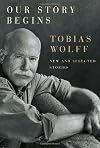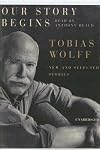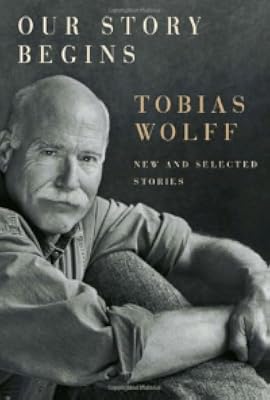
Our Story Begins: New and Selected Stories
by Tobias Wolff
On This Page
Description
Ten potent new stories that, along with twenty-one classics, display Wolff's mastery over a quarter century.Tags
Recommendations
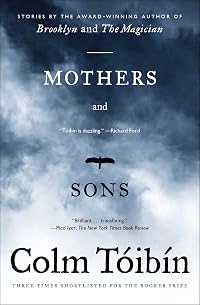
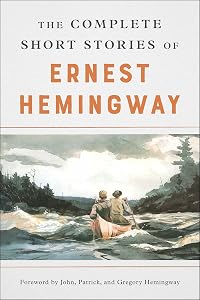
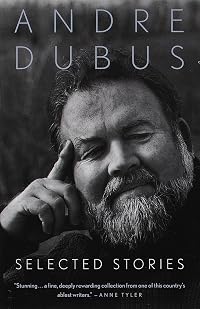
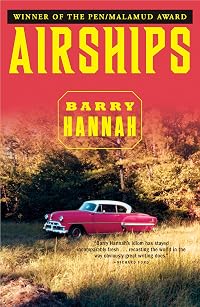


Member Recommendations
Member Reviews
I am really enjoying this collection. The stories transport me in a few lines to whichever part of America they are set in and I’m usually there without a break ’til the end of the story. This isn’t the same as the ’sense of place’ so often commented on by writers on Faulkner and others, as Wolff moves easily from desert to suburb to city as he tells us of his characters’ troubles, delights and then often more troubles, usually of the spirit. His endings for me form a major part of the experience as they ripple out beyond the last sentence into the silence in which I gaze up the garden or out into the night while the story’s effect endures.
He’s the master, at the height of his powers, and so on and so forth. Almost perfect. Too bad about "Hunters in the Snow"; nobody is so lame or drunk that they don't take a buddy's gunshot wound in the stomach seriously. Especially the person that caused it.
Otherwise, A-plus.
It turns out that I had read many of these stories before, sometimes a long time ago. Of course, many of them have been collected before but it was interesting to see which images stuck in my mind, while the essence of a story often didn’t.
Wolff's special talent is for depicting the small, deep wound—feeling it and inflicting it. He’s so skilled and so economical that each story tells you the other story behind it … but reading so many stories at show more once--and knowing about Wolff’s precarious upbringing—we get a nuanced sense of what drives cruel people.
Sure, you wound other people because you’re wounded yourself. Sometimes that’s because your childhood was so vulnerable. If you’re a lone boy, against the world with only your mother, hopping from one town to another, your mother looking for a patron as much as a job … well, you may well feel it’s a betrayal for her to find a new husband, and a teacher your high school at that ("The Other Miller"). So what do you do to your mom?
The mother-son stories add another dimension to the story of the grown son shopping for funeral services for his dying mother ("Down to Bone"). This last story also includes our married narrator’s imagined subtext of a flirty conversation he has with the female Vienna-born funeral director. That’s Updike, Roth, etc. tired territory and I’m glad that Wolff and the protagonist swiftly retreated: Why go there when your already have your own less trammeled patch?
(Other motifs running through the stories: immigrant women from Germanic or nearby former communist countries, ex-soldiers, field-stripping cigarettes, chests revealed by bathrobes, cars, beer, feckless men, feckless fathers, poverty, the imminence of poverty).
My favorite, probably because it ties so many of Wolff’s themes together, is “Flyboys.” A pubescent boy and his best buddy, Clark, are drawing up elaborate plans to build an airplane. In the first paragraphs, Wolff conveys the nature of the relationship: “The more attentive he was, the more I bullied him. His own proposals I laughed off as moronic jokes.” I know what he’s talking about.
Then something I don’t remember from childhood but I know well now: the families that the narrator calls “lucky.” While Clark does the drafting, the narrator roams the house (“Clark’s mom was usually out somewhere.”), looks at the family’s photo albums and other stuff:
“They were lucky people lucky and unsurprised by their luck. You could see that they took it all in their stride, the big spreads behind them, the boats and the cars, and their relaxed, handsome families, who, it was clear, did not get laid off, or come down with migraines, or lock each other out of the house.” Say no more: there’s our narrator’s family. Or what he fears for his family.
(An aside: that imagining, it’s similar to how I regard some people I went to college with. They had gone to prep school, the prep school their father and grandfather went to. They were from New York or their father worked for NBC. They were a roommate with a Kennedy. The friend in D.C. who worked for CNN, although she had no training for it, no writing talent; but her father worked for one of the big networks, he had connections, she had additional allowances and goodies to live on. My master’s degree and training and clips didn’t really count beside that. I thought/I think: they’ll never really have to worry, life will just work out for them. They’ll end up in a Connecticut suburb with an investment banker husband.)
Sorry, back to “Flyboys”: we swiftly progress onward to the home of the narrator’s former best friend. Freddy. Narrator and Clark visit to extract a plane canopy that they can use for their plane project. This is the kind of family that has a lot of junk around. The narration lets us know what happened to the friendship. Our narrator got scared off when Freddy’s older, charismatic brother died in a car accident. Freddy’s own father must be dead; there’s a stepfather. “Their cars laid transmissions like eggs.” Freddy has asthma. In short: “This was a very unlucky family.” And our narrator doesn’t want to contract their misfortune. And the glimpse of Freddy’s mother after the brothers death “where wounds did not heal and things did not work out for the best.”
If I have one tiny criticism of this story, it’s that Wolff doesn’t need to say this: “a sourness of foreboding, a cramp of alarm at any sign of misfortune or weakness in others, as if such things were catching.” We know.
Something else I love about this story is the little said about Freddy's dead big brother, Tanker. But it’s enough to know that both younger boys adored him. He wore a leather jacket, he had loads of friends, he could tell funny stories about humiliating experiences. “He could fix anything.” “He took Freddy and me on fishing trips in his rattletrap truck, and gave us Indian names. I was Hard-to-Camp-With, because I complained and snored. And Freddy was Cheap-to-Feed.”
We see what drew the narrator and Freddy together: their love for gory sagas like Tamerlane. Freddy’s mom--who is a jewel, even if she doesn’t wash her dishes well enough--draws the boys out, never reprimands the narrator for avoiding Freddy since Tanker's death. At the same time, narrator is slightly nervous about letting Clark see this blood craving side of him. Wolff never has illusions about carefree childhood: it’s dangerous, vicious, tiptoeing on the high wire. You've always got to be on your guard.
Skipping to the end … on the way home, canopy promised, Clark asks the narrator whether they should deal Freddy in on the plane project. After all, it is his canopy. The narrator has the power …. and he rejects Freddy. It’s cruel, and I can feel Wolff digging into himself to show this ugliness, but we know why the kid is building up the defensive perimeter: His own home is falling apart.
Then there’s the kicker in the final line. Clark invites the narrator to dinner, so that he won’t get grief for his muddy clothes (due to a truck-pulling task assigned by Freddy’s stepfather.) Clark’s house is “all lit up” and "South Pacific" is blaring despite the closed windows:
“Clark stopped. He stood there, listening. 'South Pacific. Good. She’s happy.’ "
Ah. show less
Otherwise, A-plus.
It turns out that I had read many of these stories before, sometimes a long time ago. Of course, many of them have been collected before but it was interesting to see which images stuck in my mind, while the essence of a story often didn’t.
Wolff's special talent is for depicting the small, deep wound—feeling it and inflicting it. He’s so skilled and so economical that each story tells you the other story behind it … but reading so many stories at show more once--and knowing about Wolff’s precarious upbringing—we get a nuanced sense of what drives cruel people.
Sure, you wound other people because you’re wounded yourself. Sometimes that’s because your childhood was so vulnerable. If you’re a lone boy, against the world with only your mother, hopping from one town to another, your mother looking for a patron as much as a job … well, you may well feel it’s a betrayal for her to find a new husband, and a teacher your high school at that ("The Other Miller"). So what do you do to your mom?
The mother-son stories add another dimension to the story of the grown son shopping for funeral services for his dying mother ("Down to Bone"). This last story also includes our married narrator’s imagined subtext of a flirty conversation he has with the female Vienna-born funeral director. That’s Updike, Roth, etc. tired territory and I’m glad that Wolff and the protagonist swiftly retreated: Why go there when your already have your own less trammeled patch?
(Other motifs running through the stories: immigrant women from Germanic or nearby former communist countries, ex-soldiers, field-stripping cigarettes, chests revealed by bathrobes, cars, beer, feckless men, feckless fathers, poverty, the imminence of poverty).
My favorite, probably because it ties so many of Wolff’s themes together, is “Flyboys.” A pubescent boy and his best buddy, Clark, are drawing up elaborate plans to build an airplane. In the first paragraphs, Wolff conveys the nature of the relationship: “The more attentive he was, the more I bullied him. His own proposals I laughed off as moronic jokes.” I know what he’s talking about.
Then something I don’t remember from childhood but I know well now: the families that the narrator calls “lucky.” While Clark does the drafting, the narrator roams the house (“Clark’s mom was usually out somewhere.”), looks at the family’s photo albums and other stuff:
“They were lucky people lucky and unsurprised by their luck. You could see that they took it all in their stride, the big spreads behind them, the boats and the cars, and their relaxed, handsome families, who, it was clear, did not get laid off, or come down with migraines, or lock each other out of the house.” Say no more: there’s our narrator’s family. Or what he fears for his family.
(An aside: that imagining, it’s similar to how I regard some people I went to college with. They had gone to prep school, the prep school their father and grandfather went to. They were from New York or their father worked for NBC. They were a roommate with a Kennedy. The friend in D.C. who worked for CNN, although she had no training for it, no writing talent; but her father worked for one of the big networks, he had connections, she had additional allowances and goodies to live on. My master’s degree and training and clips didn’t really count beside that. I thought/I think: they’ll never really have to worry, life will just work out for them. They’ll end up in a Connecticut suburb with an investment banker husband.)
Sorry, back to “Flyboys”: we swiftly progress onward to the home of the narrator’s former best friend. Freddy. Narrator and Clark visit to extract a plane canopy that they can use for their plane project. This is the kind of family that has a lot of junk around. The narration lets us know what happened to the friendship. Our narrator got scared off when Freddy’s older, charismatic brother died in a car accident. Freddy’s own father must be dead; there’s a stepfather. “Their cars laid transmissions like eggs.” Freddy has asthma. In short: “This was a very unlucky family.” And our narrator doesn’t want to contract their misfortune. And the glimpse of Freddy’s mother after the brothers death “where wounds did not heal and things did not work out for the best.”
If I have one tiny criticism of this story, it’s that Wolff doesn’t need to say this: “a sourness of foreboding, a cramp of alarm at any sign of misfortune or weakness in others, as if such things were catching.” We know.
Something else I love about this story is the little said about Freddy's dead big brother, Tanker. But it’s enough to know that both younger boys adored him. He wore a leather jacket, he had loads of friends, he could tell funny stories about humiliating experiences. “He could fix anything.” “He took Freddy and me on fishing trips in his rattletrap truck, and gave us Indian names. I was Hard-to-Camp-With, because I complained and snored. And Freddy was Cheap-to-Feed.”
We see what drew the narrator and Freddy together: their love for gory sagas like Tamerlane. Freddy’s mom--who is a jewel, even if she doesn’t wash her dishes well enough--draws the boys out, never reprimands the narrator for avoiding Freddy since Tanker's death. At the same time, narrator is slightly nervous about letting Clark see this blood craving side of him. Wolff never has illusions about carefree childhood: it’s dangerous, vicious, tiptoeing on the high wire. You've always got to be on your guard.
Skipping to the end … on the way home, canopy promised, Clark asks the narrator whether they should deal Freddy in on the plane project. After all, it is his canopy. The narrator has the power …. and he rejects Freddy. It’s cruel, and I can feel Wolff digging into himself to show this ugliness, but we know why the kid is building up the defensive perimeter: His own home is falling apart.
Then there’s the kicker in the final line. Clark invites the narrator to dinner, so that he won’t get grief for his muddy clothes (due to a truck-pulling task assigned by Freddy’s stepfather.) Clark’s house is “all lit up” and "South Pacific" is blaring despite the closed windows:
“Clark stopped. He stood there, listening. 'South Pacific. Good. She’s happy.’ "
Ah. show less
These are piercing stories. Many of them are told by or about children of different ages, adolescents, but also adults. They usually start out in a state of hopelessness and are driven to despair by the end of the story, possibly elated by it.
Many stories juxtapose two different events, states or processes in the lives of their protagonists. This juxtaposition, in a subtle, irrational way defines precisely the person in question, like two points define a line. These people may be "unreliable", but Wolff gives us just enough to peel off layers of decorative rationalization and then, conclusively and inexplicably, they snap into that window, or rather we snap into their mind, that we are unable to understand and yet can see from within show more for a brief lucid moment. That is Wolff's epiphany.
And what Wolff manages to achieve in a few pages of each story is attained with unfailing precision of style, each word falling into place, nothing lost either within or without.
This is a sad kind of prose, but the sadness and shame that it evokes in the reader might be turned into insight and catharsis. It is, in any case, difficult to shake off. show less
Many stories juxtapose two different events, states or processes in the lives of their protagonists. This juxtaposition, in a subtle, irrational way defines precisely the person in question, like two points define a line. These people may be "unreliable", but Wolff gives us just enough to peel off layers of decorative rationalization and then, conclusively and inexplicably, they snap into that window, or rather we snap into their mind, that we are unable to understand and yet can see from within show more for a brief lucid moment. That is Wolff's epiphany.
And what Wolff manages to achieve in a few pages of each story is attained with unfailing precision of style, each word falling into place, nothing lost either within or without.
This is a sad kind of prose, but the sadness and shame that it evokes in the reader might be turned into insight and catharsis. It is, in any case, difficult to shake off. show less
Gems. I wish I knew who recommended this to me - I'd thank them most heartily.
Many of the characters are rather unlikable, even ugly, but Wolff humanizes them so effectively I can't be as snooty and judgemental as I usually am. Many themes and ideas echo - but only to the point that one would expect in such a retrospective collection. Terrifically concise character- and world-building... I don't know how we can enter these lives and meet these individuals, fall in love with them and mourn turning the page on them, in these very short stories. Wolff relies on no icons, no tropes.
The main thing is, these are just plain great stories.
The second thing is, a more careful reread of each reveals allusion, metaphor, grace, and other craft. I show more appreciate these much more than the other stuff usually anthologized in textbooks - which is the only place most of us are exposed to literary short fiction. show less
Many of the characters are rather unlikable, even ugly, but Wolff humanizes them so effectively I can't be as snooty and judgemental as I usually am. Many themes and ideas echo - but only to the point that one would expect in such a retrospective collection. Terrifically concise character- and world-building... I don't know how we can enter these lives and meet these individuals, fall in love with them and mourn turning the page on them, in these very short stories. Wolff relies on no icons, no tropes.
The main thing is, these are just plain great stories.
The second thing is, a more careful reread of each reveals allusion, metaphor, grace, and other craft. I show more appreciate these much more than the other stuff usually anthologized in textbooks - which is the only place most of us are exposed to literary short fiction. show less
Tobias Wolff, a writer more known for his short stories than novels, has been floating around on my to-read list ever since I read his short story “Bullet in the Brain” back in my first or second year of university. It’s funny how when it comes to reading I can mentally file something like that away and then not get around to doing it for seven years. Anyway, Our Story Begins is a collection of both old and new stories from across Wolff’s career.
What I liked about “Bullet in the Brain” – which can be read online here – is that it begins as a light-hearted jokey sort of story, with a book critic wearily sighing at the cliched demands of real-life bank robbers, and then – as he gets shot – suddenly turns into a serious show more and moving story, as his life flashes before his eyes and he remembers the joys of his younger years. Wolff has a talent for mixing the banal and the profound, the humourous and the terribly sad.
I mentioned in my review of Will You Please Be Quiet, Please? that I prefer short stories which are either plot-driven, or which have beautiful language. Wolff examines quotidian suburban life as much as Carver does, but writes in a way that’s actually interesting and poetic.
At the end we see the explorers sleeping in a meadow filled with white flowers. The blossoms are wet with dew and stick to their bodies, petals of columbine, clematis, blazing star, baby’s breath, larkspur, iris, rue – covering them completely, turning them white so you cannot tell one from another, man from woman, woman from man. The sun comes up. They stand and raise their arms, like white trees in a land where no one has ever been.
Now, certainly there are no stories in here quite as good as “Bullet in the Brain,” but that’s his most famous one for good reason. Stand-outs in the collection include “Hunters in the Snow,” about a chubby hunter bullied by his friends, “The Rich Brother,” about a wealthy man who rescues his aimless brother from a cult group, “A White Bible,” about the father of a disgraced schoolboy who abducts and threatens his teacher, “Her Dog,” about a widow taking his dead wife’s dog for a walk, and “Nightingale,” about a father driving his son to begin boarding at a military school.
Our Story Begins is an excellent anthology from one of America’s finest living short fiction writers. I typically just read short story collections to study the craft, and for something to read alongside longer novels, but this was a book I enjoyed for itself as well. show less
What I liked about “Bullet in the Brain” – which can be read online here – is that it begins as a light-hearted jokey sort of story, with a book critic wearily sighing at the cliched demands of real-life bank robbers, and then – as he gets shot – suddenly turns into a serious show more and moving story, as his life flashes before his eyes and he remembers the joys of his younger years. Wolff has a talent for mixing the banal and the profound, the humourous and the terribly sad.
I mentioned in my review of Will You Please Be Quiet, Please? that I prefer short stories which are either plot-driven, or which have beautiful language. Wolff examines quotidian suburban life as much as Carver does, but writes in a way that’s actually interesting and poetic.
At the end we see the explorers sleeping in a meadow filled with white flowers. The blossoms are wet with dew and stick to their bodies, petals of columbine, clematis, blazing star, baby’s breath, larkspur, iris, rue – covering them completely, turning them white so you cannot tell one from another, man from woman, woman from man. The sun comes up. They stand and raise their arms, like white trees in a land where no one has ever been.
Now, certainly there are no stories in here quite as good as “Bullet in the Brain,” but that’s his most famous one for good reason. Stand-outs in the collection include “Hunters in the Snow,” about a chubby hunter bullied by his friends, “The Rich Brother,” about a wealthy man who rescues his aimless brother from a cult group, “A White Bible,” about the father of a disgraced schoolboy who abducts and threatens his teacher, “Her Dog,” about a widow taking his dead wife’s dog for a walk, and “Nightingale,” about a father driving his son to begin boarding at a military school.
Our Story Begins is an excellent anthology from one of America’s finest living short fiction writers. I typically just read short story collections to study the craft, and for something to read alongside longer novels, but this was a book I enjoyed for itself as well. show less
¡Odio las mudanzas! Llegas a tu nueva casa y no sabes dónde está nada. Te has de acostumbrar a la nueva distribución de habitaciones y de muebles. Las primeras noches apenas duermes porque no acabas de adaptarte a las nuevas vistas desde la cama. Y así con todo hasta que no pasan unos días o semanas. Pues para mí leer estos cuentos (y casi cualquier antología) me ha supuesto una mudanza constante. Comienzo el cuento, conozco a los personajes, unos empiezan a gustarme más que otros. Me adentro en la historia, dejo que me empape y... se acaba el cuento. Después del esfuerzo que he necesitado para meterme en la historia. Y es que a mí me cuesta mucho meterme en los libros, pocas veces me engancho en las primeras páginas, show more necesito varios capítulos, algo que no puedo encontrar en los cuentos. Me supone un esfuerzo extra, esfuerzo que no me importa invertir en una novela porque sé que sólo he de hacerlo una vez, porque después ya estoy dentro, el libro se ha convertido en mi nueva casa.
Leer 'Aquí empieza nuestra historia' me ha costado mucho, tanto que he necesitado de lecturas intermedias de otros libros para pasar el trago, algo que no hago casi nunca. He de admitir que algunos cuentos los he dejado a mitad, algo que también me cuesta hacer. Y no es que sea un libro de relatos mal escrito. Tobias Wolff es un gran escritor, y algunos cuentos podrían haber dado más de sí. De hecho, 'Vieja escuela', su última novela publicada en España, es una obra maestra. Pero estos cuentos no me han enganchado por todo lo anterior y por las temáticas de algunos de ellos, para mi gusto les falta algo, fuerza. No sé. Definitivamente, no me gustan las mudanzas, aunque podrían ser divertidas con según que "compañía". show less
Leer 'Aquí empieza nuestra historia' me ha costado mucho, tanto que he necesitado de lecturas intermedias de otros libros para pasar el trago, algo que no hago casi nunca. He de admitir que algunos cuentos los he dejado a mitad, algo que también me cuesta hacer. Y no es que sea un libro de relatos mal escrito. Tobias Wolff es un gran escritor, y algunos cuentos podrían haber dado más de sí. De hecho, 'Vieja escuela', su última novela publicada en España, es una obra maestra. Pero estos cuentos no me han enganchado por todo lo anterior y por las temáticas de algunos de ellos, para mi gusto les falta algo, fuerza. No sé. Definitivamente, no me gustan las mudanzas, aunque podrían ser divertidas con según que "compañía". show less
A new collection of stories from one of the great masters of the format; “Our Story Begins” collects 21 previously-published stories—some with minor edits—and 10 new tales. Each story is a well-polished gem, encapsulating a turning point in the lives of Wolff’s characters. Sometimes the moment illuminated is a small and quotidian one…a man watches a movie while his wife sleeps and their next-door neighbors fight loudly…sometimes a larger, dramatic one…the maliciously joking camaraderie between 3 hunters escalates into sudden deadly violence…but in each case, the story elegantly and simply captures the effect of our own inner lives on our outer lives. These stories are not complex and plot-driven; rather, they rely upon show more wisely accurate characterization for their dramatic tension and narrative force. Within a few paragraphs, the reader already feels he knows the characters intimately, and understands the shape their lives will take after the story’s end. These are short stories at their best, intimate portraits of deeply flawed yet utterly recognizable people, written with wit, wisdom, and a dark compassion. show less
Members
- Recently Added By
Author Information

53+ Works 11,099 Members
Tobias Wolff was born in Birmingham, Alabama on June 19, 1945. He served in the military as a paratrooper during the Vietnam War. He received a B.A. in 1972 and a M.A. in 1975 from the University of Oxford and a M.A. in 1978 from Stanford University. He held faculty positions at Stanford University, Goddard College, Arizona State University, and show more Syracuse University. He was also a reporter for the Washington Post. His first collection of short stories, In the Garden of the North American Martyrs, won the St. Lawrence award for fiction in 1982. His other works include Back in the World, In Pharaoh's Army: Memories of a Lost War, The Night in Question, Old School, and Our Story Begins. The Barracks Thief won the PEN/Faulkner award for fiction in 1985. This Boy's Life: A Memoir won the Los Angeles Times Book prize in 1989 and was made into a 1993 film starring Robert De Niro and Leonardo DiCaprio. He also won three O. Henry Awards in 1980, 1981, and 1985 and the National Medal of Arts in 2015. He edited several anthologies of short stories including Matters of Life and Death: New American Stories, A Doctor's Visit: Short Stories by Anton Chekhov, and The Vintage Book of Contemporary American Short Stories. (Bowker Author Biography) show less
Some Editions
Awards and Honors
Series
Belongs to Publisher Series
Les ales esteses (267)
Common Knowledge
- Original title
- Our Story Begins: New and Selected Stories
- Original publication date
- 2008
- Original language
- English
Classifications
Statistics
- Members
- 655
- Popularity
- 44,200
- Reviews
- 20
- Rating
- (4.02)
- Languages
- 5 — Dutch, English, French, German, Spanish
- Media
- Paper, Audiobook, Ebook
- ISBNs
- 22
- ASINs
- 4