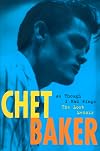
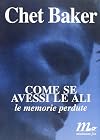
As Though I Had Wings: The Lost Memoir
by Chet Baker
On This Page
Description
The writings and musings of the jazz trumpet-player Chet Baker. A seminal figure in postwar jazz, Baker started his career in army bands, before meeting Charlie Parker and moving into the world of jazz, and the establishment of the infamous California Cool scene of the 1950s. His reticent interpretation of My Funny Valentine brought him instant fame, but by the 1960s his drug addiction had put his career on the line. Back fron the brink in the 1970s and 1980s, he reinvented himself and was show more the subject of the Bruce Weber documentary, Let's Get Lost, in 1987. He died in mysterious circumstances in 1988. show lessTags
Recommendations
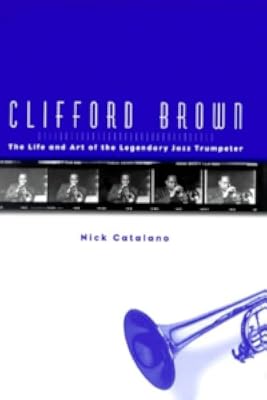


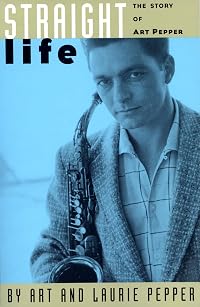

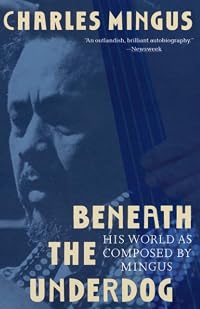
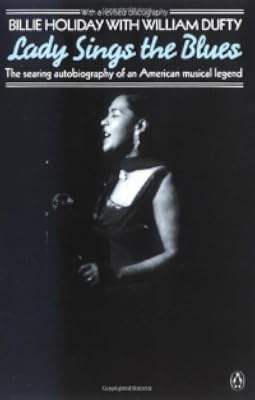


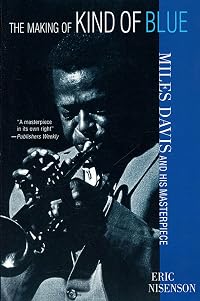


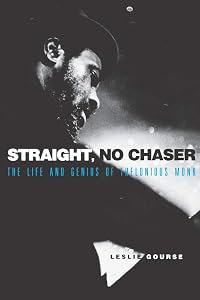
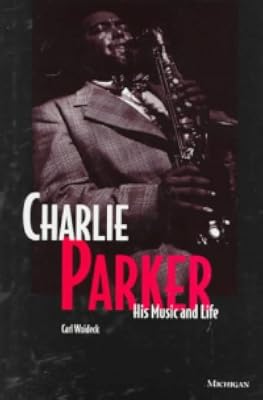

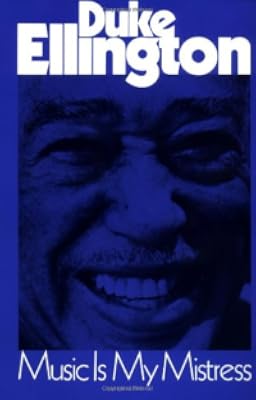


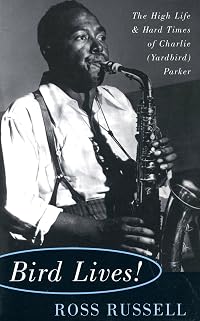

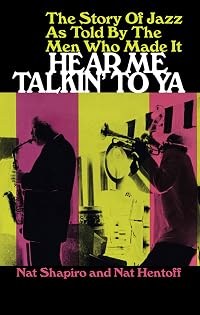

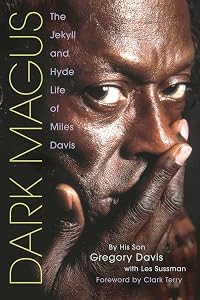
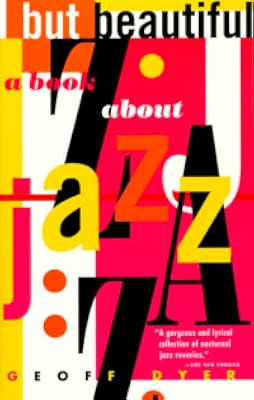


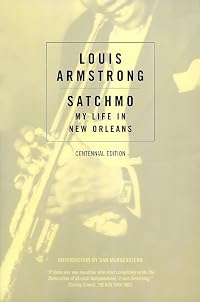

Member Recommendations
Member Reviews
Chet Baker, legendary musician of the California Cool jazz scene left notes about his life that his widow, Carol Baker published to portray his personality better than any one-dimensional biography could possibly create.
He met and played with all the celebrated jazz musicians but his collaboration with Gerry Mulligan generated a unique style. Instead of playing identical melody lines in unison they complemented each other with counterpoint, anticipating what the other would play. The result is outstanding.
Baker's life was at times heartbreaking, mostly self-inflicted via heroin, but he kept on going often losing all he owned in the process. After his trumpet was stolen in the 1960s a friend loaned, and eventually gave him, a flugelhorn show more that he loved and played from that time on. Listening to him playing while reading his words heightened my enjoyment of the book.
Baker died mysteriously in an apparent fall in Amsterdam. Like his life, this slim book ends suddenly, leaving me longing for more. show less
He met and played with all the celebrated jazz musicians but his collaboration with Gerry Mulligan generated a unique style. Instead of playing identical melody lines in unison they complemented each other with counterpoint, anticipating what the other would play. The result is outstanding.
Baker's life was at times heartbreaking, mostly self-inflicted via heroin, but he kept on going often losing all he owned in the process. After his trumpet was stolen in the 1960s a friend loaned, and eventually gave him, a flugelhorn show more that he loved and played from that time on. Listening to him playing while reading his words heightened my enjoyment of the book.
Baker died mysteriously in an apparent fall in Amsterdam. Like his life, this slim book ends suddenly, leaving me longing for more. show less
3.5 stars, rounded up to 4.
When Chet (first name terms seems appropriate somehow. I think Chet was that kind of guy) says, "probably less than 2 percent of the public can really hear. When I say hear, I mean follow a horn player through his ideas, and be able to understand those ideas in relation to the changes," I place myself in the more-than-98-percent category. I've got stacks of Chet's recordings and his music is some of my very favourite, but I'm not sure that I 'get' jazz. The things I like, I really enjoy listening to, but I can't say that I know what the musicians are doing, what's in their heads or hearts while they're playing, or what message they're trying to send me.
I love Chet's stuff, and really like his contemporaries, show more Gerry Mulligan, Paul Desmond and Dave Brubeck from the'50s and '60s 'Cool Jazz' West Coast scene, but "legends" like Charlie Parker and John Coltrane leave me cold, though Alice Coltrane is stratospherically amazing in my estimation. Is my tepid response to these 'giants' just a matter of musical taste, or a lack of comprehension and feeling for the music? I'm not yet sure. Maybe my feeling for Chet and Cool Jazz is a visceral thing that resists cognitive examination and I should just let it be.
Reading this book of Chet's diary entries/memoir hasn't really got me any further on. They pick up with the 16 year old Chet joining the army, then meander back and forth between his early childhood (briefly), then the late '40s, '50s and early '60s, with the barest of threads connecting each chapter. There are a couple of running motifs, of course, those being music and drugs. The entries end abruptly, as if Chet put his journal down and decided he'd had enough of that project, or probably just more concerned with the need to score some 'stuff'.
While in some respecst this is thin fare, the interesting stuff cut with lists of largely unknown musicians and itineraries of place names, in others it is strong stuff where Chet tells us things we'd otherwise have no knowledge of. Is it all true? Is Chet, so often zonked or strung out, a reliable narrator? Does it matter, if this is his truth?
I'm left wanting more, but this is as much as Chet wanted to give or, maybe, could give, so I just have to be satisfied with what he's supplied. More importantly, he left his music. I'm sure there's more of him in there for me to find if I can just open myself to it. show less
When Chet (first name terms seems appropriate somehow. I think Chet was that kind of guy) says, "probably less than 2 percent of the public can really hear. When I say hear, I mean follow a horn player through his ideas, and be able to understand those ideas in relation to the changes," I place myself in the more-than-98-percent category. I've got stacks of Chet's recordings and his music is some of my very favourite, but I'm not sure that I 'get' jazz. The things I like, I really enjoy listening to, but I can't say that I know what the musicians are doing, what's in their heads or hearts while they're playing, or what message they're trying to send me.
I love Chet's stuff, and really like his contemporaries, show more Gerry Mulligan, Paul Desmond and Dave Brubeck from the'50s and '60s 'Cool Jazz' West Coast scene, but "legends" like Charlie Parker and John Coltrane leave me cold, though Alice Coltrane is stratospherically amazing in my estimation. Is my tepid response to these 'giants' just a matter of musical taste, or a lack of comprehension and feeling for the music? I'm not yet sure. Maybe my feeling for Chet and Cool Jazz is a visceral thing that resists cognitive examination and I should just let it be.
Reading this book of Chet's diary entries/memoir hasn't really got me any further on. They pick up with the 16 year old Chet joining the army, then meander back and forth between his early childhood (briefly), then the late '40s, '50s and early '60s, with the barest of threads connecting each chapter. There are a couple of running motifs, of course, those being music and drugs. The entries end abruptly, as if Chet put his journal down and decided he'd had enough of that project, or probably just more concerned with the need to score some 'stuff'.
While in some respecst this is thin fare, the interesting stuff cut with lists of largely unknown musicians and itineraries of place names, in others it is strong stuff where Chet tells us things we'd otherwise have no knowledge of. Is it all true? Is Chet, so often zonked or strung out, a reliable narrator? Does it matter, if this is his truth?
I'm left wanting more, but this is as much as Chet wanted to give or, maybe, could give, so I just have to be satisfied with what he's supplied. More importantly, he left his music. I'm sure there's more of him in there for me to find if I can just open myself to it. show less
Some fragments from Chet Baker on how much he loved everyone and how much he loved heroin. Not as interesting as I'm making it sound.
Un démystification du mythe par Chet lui même. Très loin du romantisme à la Alain gerber !
Alguien dijo que Chet Baker hizo tres cosas en la vida: "tocar música, amar a las mujeres y chutarse". Estas memorias agridulces nos dejan entrever sus años de juventud, su pasión por el jazz, las mujeres... y las drogas.
Jul 6, 2022Spanish
Vet man minsta lilla om Chet Baker innan man läser denna så finns det inget nytt att hämta egentligen. Små flyktiga anekdoter om musiker han spelat med och knark han knarkat. Lättläst, enkelt, lite tråkigt.
Feb 9, 2022Swedish
memoria sparse di un genio del jazz schiavo della droga
Jul 23, 2008Italian
Members
- Recently Added By
Lists

Books Read in 2017
4,249 works; 129 members
Author Information

Some Editions
Common Knowledge
- Canonical title
- As Though I Had Wings: The Lost Memoir
- Original title
- As though I had wings
- Original publication date
- 1997
- People/Characters
- Chet Baker; Charlie Parker; Dick Twardzik
- Important places
- Berlin, Germany; Yale, Oklahoma, USA; Oklahoma City, Oklahoma, USA; Los Angeles, California, USA; San Francisco, California, USA
- Original language
- English
Classifications
Statistics
- Members
- 135
- Popularity
- 243,165
- Reviews
- 7
- Rating
- (3.24)
- Languages
- 5 — English, French, German, Italian, Spanish
- Media
- Paper
- ISBNs
- 11
- ASINs
- 1