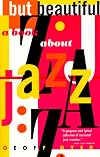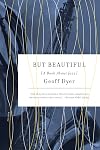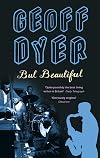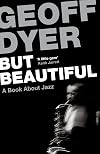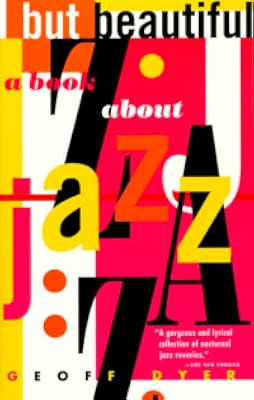
But Beautiful: A Book About Jazz
by Geoff Dyer
On This Page
Description
In eight poetically charged vignettes, Geoff Dyer skillfully evokes the music and the men who shaped modern jazz. Drawing on photos, anecdotes, and, most important, the way he hears the music, Dyer imaginatively reconstructs scenes from the embattled lives of some of the greats: Lester Young fading away in a hotel room; Charles Mingus storming down the streets of New York on a too-small bicycle; Thelonious Monk creating his own private language on the piano. However, music is the driving show more force of But Beautiful, and wildly metaphoric prose that mirrors the quirks, eccentricity, and brilliance of each musician's style. show lessTags
Recommendations




























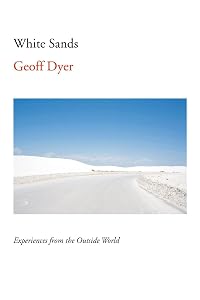
Member Recommendations

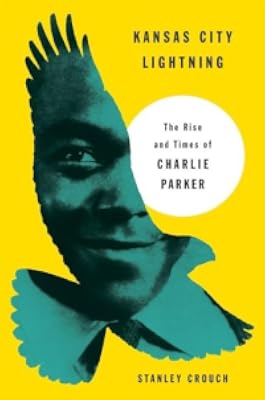
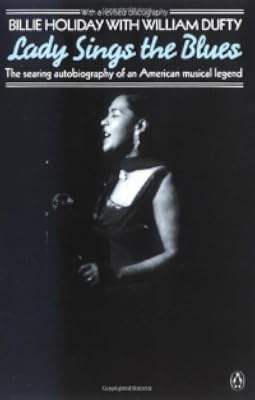
Polaris- Arguably the greatest musical autobiography around, if Dyer's chapter on Pepper piqued your interest - you must read this excellent book.


Polaris- Both sensitively explore the imagined possibilities behind what facts are known. Their authors both manage to convey an essence of jazz - the agony and the ecstasy.
Member Reviews
Ó céus, que delícia de livro. São oito contos cujos estilos são correlatos da vida e obra dos respectivos músicos: Lester Young, Thelonius Monk, Bud Powell, Charles Mingus, Ben Webster, Chet Baker, Art Pepper e arrematando todos eles a fragmentação de Duke Ellington e Harry Carney. Cada conto traz uma nova perspectiva do porque suas entranhas reagem diferentemente a cada um deles, por exemplo, agora me ficou completamente claro o porquê eu me identificar tanto com a música do Chet Baker.
Estou tirando uma estrelinha das cinco que daria a esse livro porque não há um conto que norteie vida e música de Miles Davis, não sei se por alguma razão subjetiva do autor ou por ele não ter encontrado uma forma literária que show more exemplifique o que venha a ser Miles Davis dentro do Jazz, mas tal frustração acaba sendo compensada pelo ótimo texto de encerramento do livro, um ensaio sobre a natureza rizômica do jazz. show less
Estou tirando uma estrelinha das cinco que daria a esse livro porque não há um conto que norteie vida e música de Miles Davis, não sei se por alguma razão subjetiva do autor ou por ele não ter encontrado uma forma literária que show more exemplifique o que venha a ser Miles Davis dentro do Jazz, mas tal frustração acaba sendo compensada pelo ótimo texto de encerramento do livro, um ensaio sobre a natureza rizômica do jazz. show less
Book blurbs often seem the equivalent of movie blurbs. Skepticism seems justified when a publisher puts a blurb smack on the front cover just below the title -- especially when it says, 'May be the best book ever written about jazz.' Is this honest commentary or gratuitous puffery? With Geoff Dyer's But Beautiful: A Book About Jazz, it's the former.
The concept behind But Beautiful is not unique in and of itself. First published in 1991 and out in a new trade paper edition, it consists of essays about jazz greats Lester 'Pres' Young, Thelonius Monk, Bud Powell, Ben Webster, Charlie Mingus, Chet Baker and Art Pepper, with an overarching piece on Duke Ellington traveling between gigs and his songwriting. In execution, though, it is 'about show more jazz' unlike any other book.
The combination of technical and artistic aspects makes any genre of music hard to write about and leaves little doubt that the variously attributed statement that it's like 'dancing about architecture' is absolutely true. And it's hard to find a genre with a more complex architecture than jazz, thereby increasing the difficulty of describing it. Dyer, however, does so with sentences that are often strikingly simple yet go right to the heart of the music. For example:
These phrases exquisitely describe an aspect of each musician's style. Yet the descriptions leave the initiated nodding their head while still giving the uninitiated a sense of the nature of the music. And Dyer also provides longer expositions, such as this passage describing Pepper playing his alto sax while sitting in a prison cell:
"For a few moments he falters, oblivious to what he is playing, clutching the eight and ninth rungs of the count. Then, summoning everything, he searches for the highest note, reaches it -- just -- and soars clear. At the height of this leap, before gravity reasserts itself, there is a moment of absolute weightlessness -- bright, clear, serene -- before he is falling again, gliding in a gorgeous arc, subsiding into the deep moan of the blues. And the convicts realize that's what it's been about all along -- a dream of falling."
In a paragraph, Dyer has taken us inside a few seconds of improvisation and both the emotions that helped create it and those it itself created. This is far from the only example in But Beautiful, named after a jazz standard. Over the course of roughly a page, Dyer describes Baker's style in a way that is nearly as transcendent as its subject.
Yet this alone isn't what makes the book superb. But Beautiful is a form of literary jazz.
Jazz artists borrow, build upon and expand idioms or concepts of their predecessors and contemporaries. There's a heavy element of creativity and improvisation as they often go inside a melody to explore, deconstruct or transform it. That is what Dyer does on paper. He seeks the heart of the musicians and their music, blending anecdotes, apocrypha, books and, to a great extent, even photos although only one appears in this edition). Dyer synthesizes these elements into impressionistic essays, something he calls 'imaginative criticism.'
Each essay is an extended solo on one artist, at times heavily blues-based. There's Young awakening to grab a silent phone he thinks is ringing, 'expecting to hear someone break the news to him that he had died in his sleep.' There's Bud Powell, who was 'always potentially out of control but now that potential had been unleashed.' But Beautiful explores the toll of genius and the highs, lows and decimations of people like Powell, Pepper and Baker in ways normal storytelling cannot. But it is not all the ravages of booze, heroin and incarceration. There's Monk's inimitable style and him calling his wife Ellie in the middle of a song, leaving the phone off the hook so she can hear what he was playing for her. There's the creativity and volatility of 'Minus, Mingus, Mingus -- not a name but a verb, even thought was a form of action, of internalized momentum.' There's Ellington in a car Harry Carney, a 45-year member of Ellington's band. As Carney drives, Ellington ponders music and writes songs.
These are just a few of 'a whole bunch of guys whose stories and thoughts are not like anyone else's who wouldn't have had a chance to express all the ideas and shit they had inside them without jazz.' Dyer's evocative perceptions of them and their music make But Beautiful 'about jazz' in a way that transcends those two words.
(Originally posted at A Progressive on the Prairie.) show less
The concept behind But Beautiful is not unique in and of itself. First published in 1991 and out in a new trade paper edition, it consists of essays about jazz greats Lester 'Pres' Young, Thelonius Monk, Bud Powell, Ben Webster, Charlie Mingus, Chet Baker and Art Pepper, with an overarching piece on Duke Ellington traveling between gigs and his songwriting. In execution, though, it is 'about show more jazz' unlike any other book.
The combination of technical and artistic aspects makes any genre of music hard to write about and leaves little doubt that the variously attributed statement that it's like 'dancing about architecture' is absolutely true. And it's hard to find a genre with a more complex architecture than jazz, thereby increasing the difficulty of describing it. Dyer, however, does so with sentences that are often strikingly simple yet go right to the heart of the music. For example:
- Monk 'played each note as though astonished by the previous one,' often leaving the feeling that 'the song seemed to have turned inside out.'
- Mingus's 'bass marched everyone along like a bayonet in a prisoner's back.'
- 'Every time [Baker] played a note he waved it goodbye. Sometimes he didn't even wave.'
These phrases exquisitely describe an aspect of each musician's style. Yet the descriptions leave the initiated nodding their head while still giving the uninitiated a sense of the nature of the music. And Dyer also provides longer expositions, such as this passage describing Pepper playing his alto sax while sitting in a prison cell:
"For a few moments he falters, oblivious to what he is playing, clutching the eight and ninth rungs of the count. Then, summoning everything, he searches for the highest note, reaches it -- just -- and soars clear. At the height of this leap, before gravity reasserts itself, there is a moment of absolute weightlessness -- bright, clear, serene -- before he is falling again, gliding in a gorgeous arc, subsiding into the deep moan of the blues. And the convicts realize that's what it's been about all along -- a dream of falling."
In a paragraph, Dyer has taken us inside a few seconds of improvisation and both the emotions that helped create it and those it itself created. This is far from the only example in But Beautiful, named after a jazz standard. Over the course of roughly a page, Dyer describes Baker's style in a way that is nearly as transcendent as its subject.
Yet this alone isn't what makes the book superb. But Beautiful is a form of literary jazz.
Jazz artists borrow, build upon and expand idioms or concepts of their predecessors and contemporaries. There's a heavy element of creativity and improvisation as they often go inside a melody to explore, deconstruct or transform it. That is what Dyer does on paper. He seeks the heart of the musicians and their music, blending anecdotes, apocrypha, books and, to a great extent, even photos although only one appears in this edition). Dyer synthesizes these elements into impressionistic essays, something he calls 'imaginative criticism.'
Each essay is an extended solo on one artist, at times heavily blues-based. There's Young awakening to grab a silent phone he thinks is ringing, 'expecting to hear someone break the news to him that he had died in his sleep.' There's Bud Powell, who was 'always potentially out of control but now that potential had been unleashed.' But Beautiful explores the toll of genius and the highs, lows and decimations of people like Powell, Pepper and Baker in ways normal storytelling cannot. But it is not all the ravages of booze, heroin and incarceration. There's Monk's inimitable style and him calling his wife Ellie in the middle of a song, leaving the phone off the hook so she can hear what he was playing for her. There's the creativity and volatility of 'Minus, Mingus, Mingus -- not a name but a verb, even thought was a form of action, of internalized momentum.' There's Ellington in a car Harry Carney, a 45-year member of Ellington's band. As Carney drives, Ellington ponders music and writes songs.
These are just a few of 'a whole bunch of guys whose stories and thoughts are not like anyone else's who wouldn't have had a chance to express all the ideas and shit they had inside them without jazz.' Dyer's evocative perceptions of them and their music make But Beautiful 'about jazz' in a way that transcends those two words.
(Originally posted at A Progressive on the Prairie.) show less
Sort of an imagined biography of several great jazz musicians of the 40s and 50s. The author uses the quality of each artist's music to model the imagery with which he describes them. The stories are similar with racism, mental illness and drug addiction playing important roles in almost every case.
There is a danger of romanticizing all of this with the usual comments that boil down to great artists must suffer.
==================
I think it is helpful to recall that before the discovery of Koch's bacillus (and for some time afterwards!), Tuberculosis was linked in literature and common thought with the artistic, the hyper sexual, and so forth. It does seem that depression, suicide and drug addiction are more common in creative people, show more but once a clear genetic linkage is found (if it is), the more artistic comments may seem silly - i.e. it may not be that great artists must suffer, just that they do. show less
There is a danger of romanticizing all of this with the usual comments that boil down to great artists must suffer.
==================
I think it is helpful to recall that before the discovery of Koch's bacillus (and for some time afterwards!), Tuberculosis was linked in literature and common thought with the artistic, the hyper sexual, and so forth. It does seem that depression, suicide and drug addiction are more common in creative people, show more but once a clear genetic linkage is found (if it is), the more artistic comments may seem silly - i.e. it may not be that great artists must suffer, just that they do. show less
Well-written, and most likely, an important book on jazz. Just not my cup of tea. I prefer my Geoff Dyer books to have at the forefront his personality. I also desire his wanton perversions and idiosyncrasies to be involved with the text, even as painful and disgusting as they sometimes are. This book was more a clean, academic study of an art form that I would much rather listen to than read about.
This book is one long fictionalized riff on a selection of jazz giants: Thelonius Monk, Ben Webster, Charles Mingus, Chet Baker, Art Pepper, Lester Young and Bud Powell. Each musician/composer has his own chapter, with the chapters separated by imagined portions of the legendary road trips of Duke Ellington and Harry Carney. Very lyrical and musical prose, great subjects. Dyer says he used photographs, new reports and interviews to conjure his somewhat stream-0f-consciousness takes on the melancholy and sometimes tragic lives of these great artists. My hat's off to him, however he did it. Loved this book and felt I learned things I needed to know.
Reading this book is like listening to music playing the players. It's seeing a world full of colour, sharp and hazy, constrained and limitless at the same time. It's languid and drawling and bruising and brimming of pain, but beautiful. Quite beautifully.
So difficult to review this book - the likes of which I've never read before. I shan't attempt to in all honesty. Suffice to say, Geoff Dyer's writing is gripping, heartfelt, and all too believable. Which is pretty much all that matters given the subject matter - imagined portraits of the equally troubled and gifted musicians he portrays - Duke Ellington, Lester Young, Thelonious Monk, Bud Powell, Ben Webster, Charles Mingus, Chet Baker, and Art Pepper. I finished each chapter with an indelible impression of the soul of each of these men.
It matters not if you do or don't know the music of each artist covered, though you may want to refer to the select discography at the back. Dyer bases each vignette on known histories, conversations, show more photographs, newspaper clippings, all of which he references in the appendix. Interweaved between each story is the very appealing construction of an imagined Duke Ellington on the road between gigs, alone with his driver Harry, as he crosses the American night.
Following the main part of the book is an extended essay on the artistic course and ongoing direction of jazz music which I found a satisfying accompaniment to the earlier chapters. Recommended for all, and a must for anybody with a love of Jazz. show less
It matters not if you do or don't know the music of each artist covered, though you may want to refer to the select discography at the back. Dyer bases each vignette on known histories, conversations, show more photographs, newspaper clippings, all of which he references in the appendix. Interweaved between each story is the very appealing construction of an imagined Duke Ellington on the road between gigs, alone with his driver Harry, as he crosses the American night.
Following the main part of the book is an extended essay on the artistic course and ongoing direction of jazz music which I found a satisfying accompaniment to the earlier chapters. Recommended for all, and a must for anybody with a love of Jazz. show less
Members
- Recently Added By
Lists

Books Read in 2017
4,249 works; 129 members
Author Information

Geoff Dyer was born in Cheltenham in 1958. He currently lives in London.
Some Editions
Awards and Honors
Awards
Common Knowledge
- Canonical title*
- Natura morta con custodia di sax: storie di jazz
- Original title
- But Beautiful, A Book about Jazz
- Original publication date
- 1991
- People/Characters
- Lester Young; Charles Mingus; Art Pepper; Thelonious Monk; Bud Powell; Ben Webster (show all 8); Chet Baker; Duke Ellington
- Original language*
- Inglese
*Some information comes from Common Knowledge in other languages. Click "Edit" for more information.
Classifications
Statistics
- Members
- 691
- Popularity
- 41,510
- Reviews
- 14
- Rating
- (4.16)
- Languages
- 10 — Chinese, Dutch, English, French, German, Greek, Italian, Japanese, Portuguese, Spanish
- Media
- Paper, Audiobook, Ebook
- ISBNs
- 35
- ASINs
- 13