
What Maisie Knew
by Henry James
On This Page
Description
Maisie's parents go through an acrimonious divorce when she is very young, and the court decrees that she will travel between them, spending time with each. They do not hesitate to use her in their war against each other, and she is neglected and abandoned by them as they each remarry and then take further lovers. The story follows her to maturity, when she is able to decide her own fate..
Tags
Recommendations















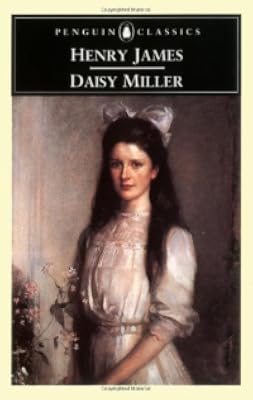
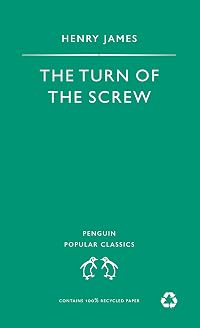
Member Recommendations

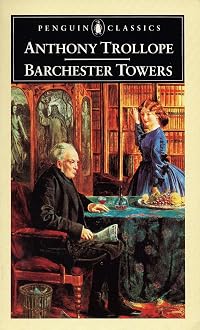
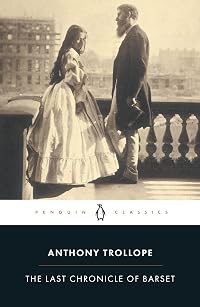
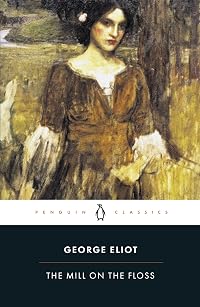
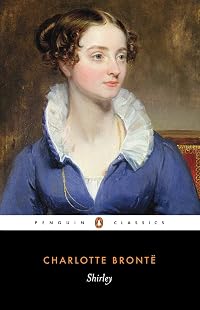
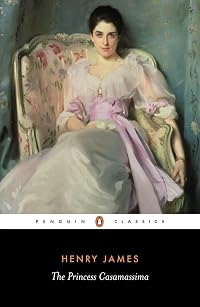
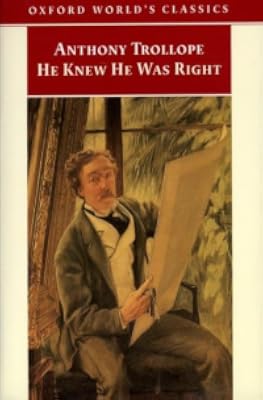
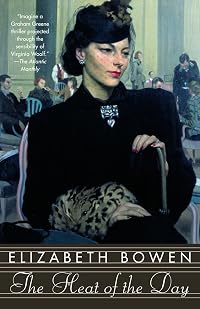
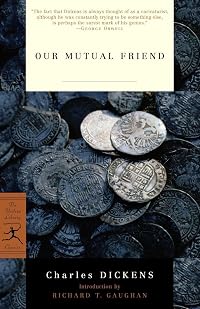
shaunie Similar subject matter (child/children being appallingly treated by their thoughtless parents) - Wharton's book is much more readable and entertaining.
Member Reviews
Tear-jerker, Hair-puller, or both?
I promised myself that I would finish this shortish Henry James, vowing not to let his style daunt me. But, good gawd, I didn't expect to be this dejected by the story.
When I vowed to read this one through, I didn't know I was promising to take poison every day. I gave up at page 94.
The story sickens one's heart and that's the point of it. It's painful to endure the many ways the self-involved adults manipulate a child who is a battering ram in their topsy-turvy world of alliances and dalliances, deceptions and revenges. Nor do any seem to enjoy or to even like the child, forget just protecting her.
The one decent human is the poor, uneducated, and ugly Mrs. Wix. But will she or Maisie either survive to show more the end?
Sadly, I didn't care to find out. There can be no just outcome for this queasy read.
So if the novel will clearly end unsatisfyingly, why am I forcing myself to translate James and his beloved jibber jabber? Those wearily long and convoluted sentences, with clauses here, there, and yon, in his maniacal order, never revealing the meaning in an ordinary (clear) sequence? He takes such delight in it. I could hear him bwahahaha'ing as I read. Nor is he one to ever leave any shred of nuance left un-manhandled. He might be having fun but fun, he is not.
Note that I've successfully read James' The Turn of the Screw (reamarkably, I enjoyed that and still think highly of it), Daisy Miller (meh, it was ok), but have also DNF'd two other titles which I can't even be bothered to remember now.
The good news? This is emphatically my last stab (and jab) at James.
DNF 04.21.2024 show less
I promised myself that I would finish this shortish Henry James, vowing not to let his style daunt me. But, good gawd, I didn't expect to be this dejected by the story.
When I vowed to read this one through, I didn't know I was promising to take poison every day. I gave up at page 94.
The story sickens one's heart and that's the point of it. It's painful to endure the many ways the self-involved adults manipulate a child who is a battering ram in their topsy-turvy world of alliances and dalliances, deceptions and revenges. Nor do any seem to enjoy or to even like the child, forget just protecting her.
The one decent human is the poor, uneducated, and ugly Mrs. Wix. But will she or Maisie either survive to show more the end?
Sadly, I didn't care to find out. There can be no just outcome for this queasy read.
So if the novel will clearly end unsatisfyingly, why am I forcing myself to translate James and his beloved jibber jabber? Those wearily long and convoluted sentences, with clauses here, there, and yon, in his maniacal order, never revealing the meaning in an ordinary (clear) sequence? He takes such delight in it. I could hear him bwahahaha'ing as I read. Nor is he one to ever leave any shred of nuance left un-manhandled. He might be having fun but fun, he is not.
Note that I've successfully read James' The Turn of the Screw (reamarkably, I enjoyed that and still think highly of it), Daisy Miller (meh, it was ok), but have also DNF'd two other titles which I can't even be bothered to remember now.
The good news? This is emphatically my last stab (and jab) at James.
DNF 04.21.2024 show less
Even though some of James' fiction can be difficult to understand, Maisie is comparatively simple to follow, though you may need to read a sentence again to fully understand it. Reading some of James' sentences is like hang-gliding from the first word to the period—you take in so much information along the way that you're likely to get a bit giddy.
Maisie, a young child caught in the crossfire of her parents' acrimonious divorce, is the protagonist of the book. Used as a pawn in their manipulative games, Maisie is shuttled between her self-absorbed mother, Ida, and her charming but irresponsible father, Beale. As her parents remarry, Maisie becomes entangled in the lives of her new stepparents—Sir Claude and Mrs. Beale (formerly Miss show more Overmore)—and their own web of romantic and moral entanglements. Through Maisie’s innocent yet increasingly perceptive eyes, James examines the moral decay of the adults around her and her gradual understanding of their flaws.
Maisie begins as a naive child but is exposed to the selfish and immoral behavior of the adults in her life. James masterfully explores how innocence can coexist with an intuitive understanding of human flaws. The novel challenges traditional notions of right and wrong as the adults justify their actions while neglecting Maisie’s well-being. James uses Maisie’s limited but evolving perspective to create a layered narrative, forcing readers to piece together the truth behind the adults’ behavior.
The story of the sensitive daughter of divorced and irresponsible parents, What Maisie Knew, has great contemporary relevance as an unflinching account of a wildly dysfunctional family. The book is also a masterly technical achievement by James, as it follows the title character from earliest childhood to precocious maturity. It's not surprising from the book's title that knowledge and education form a major theme in it. Her keen observation of the irresponsible behavior of almost all the adults she lives with eventually persuades her to rely on her most devoted friend, Mrs. Wix, even though the frumpy governess is by far the least superficially attractive adult in her life. The novel is also a thoroughgoing condemnation of parents and guardians abandoning their responsibilities towards their children. James saw English society as becoming more corrupt and decadent, and What Maisie Knew is one of his harshest indictments of those who can't be bothered to live responsible lives. It might seem that such a book would become almost unbearably grim. But James leavens the sorry doings with a generous dose of admittedly dark humor.
The act of writing to James was a highly delicate operation, as if he were building a house of cards, and the least slip would ruin the design. Though Maisie is not a perfect book, it is filled with James' elaborate literary feats, those suspenseful sleights of hand that always induce pleasurable gasps at each successful intellectual vibration. show less
Maisie, a young child caught in the crossfire of her parents' acrimonious divorce, is the protagonist of the book. Used as a pawn in their manipulative games, Maisie is shuttled between her self-absorbed mother, Ida, and her charming but irresponsible father, Beale. As her parents remarry, Maisie becomes entangled in the lives of her new stepparents—Sir Claude and Mrs. Beale (formerly Miss show more Overmore)—and their own web of romantic and moral entanglements. Through Maisie’s innocent yet increasingly perceptive eyes, James examines the moral decay of the adults around her and her gradual understanding of their flaws.
Maisie begins as a naive child but is exposed to the selfish and immoral behavior of the adults in her life. James masterfully explores how innocence can coexist with an intuitive understanding of human flaws. The novel challenges traditional notions of right and wrong as the adults justify their actions while neglecting Maisie’s well-being. James uses Maisie’s limited but evolving perspective to create a layered narrative, forcing readers to piece together the truth behind the adults’ behavior.
The story of the sensitive daughter of divorced and irresponsible parents, What Maisie Knew, has great contemporary relevance as an unflinching account of a wildly dysfunctional family. The book is also a masterly technical achievement by James, as it follows the title character from earliest childhood to precocious maturity. It's not surprising from the book's title that knowledge and education form a major theme in it. Her keen observation of the irresponsible behavior of almost all the adults she lives with eventually persuades her to rely on her most devoted friend, Mrs. Wix, even though the frumpy governess is by far the least superficially attractive adult in her life. The novel is also a thoroughgoing condemnation of parents and guardians abandoning their responsibilities towards their children. James saw English society as becoming more corrupt and decadent, and What Maisie Knew is one of his harshest indictments of those who can't be bothered to live responsible lives. It might seem that such a book would become almost unbearably grim. But James leavens the sorry doings with a generous dose of admittedly dark humor.
The act of writing to James was a highly delicate operation, as if he were building a house of cards, and the least slip would ruin the design. Though Maisie is not a perfect book, it is filled with James' elaborate literary feats, those suspenseful sleights of hand that always induce pleasurable gasps at each successful intellectual vibration. show less
It's a difficult book but genius in construction. To me, the subject matter was more cringe-inducing than the writing. It's written in third person, yet purely from the POV of Maisie, who thinks she knows a lot but doesn't because she's a child, surrounded by manipulative and selfish adults who think they are worldly and cunning and know nothing of themselves or other people. It's about knowledge, lack of, gaining of, and it takes a while to get to the point where we can understand the novel. This doesn't lessen my love for Henry James. (Kind of increased it, actually.) The reader must remember that although none of the characters KNOWS the complete whole, James and the narrator does, and the creator is absolutely in control. Brilliant show more but understandably not absorbing. show less
The heartbreaking 2013 movie, and an evocative paperback cover by Edward Gorey, brought me to this 1908 novel. Custody of Maisie, a six year old daughter of divorce, is shared by her venal father, vain mother, a nanny, and her mother's paramour. Maisie herself tries again and again to predict the actions of this horrible tribe of alleged adults before she falls between the cracks. It's kind of astounding that Henry James wrote a novel of this very same situation at least some sixty years before Kramer vs Kramer. Also progressive for the time period is that blame falls equally to both parents, and there's no automatic assumption that every woman possesses a maternal instinct - in fact, it's the mother's boyfriend who seems to be the most show more responsible adult in the room - until he isn't. The outdated, overly florid language makes for a very difficult read, but there are gems of forgotten verbiage - "animadvert", "peccant" - that make for tiny treasure hunt moments. show less
Maisie tudja, hogy ha egy pszichologizáló hajlamú író kezébe kerül, akkor az nem lesz tekintettel éveinek csekély számára: kifilézi irgalom nélkül. Úgyhogy a kislány egy véresen megharcolt válás középpontjában találja magát, ahol a két szülő - Henry James kedves metaforájával - úgy ütögeti át egymás térfelére szegény gyereket, mint valami tollaslabdát. És mellesleg szorgalmasan oltják be mérgükkel, hátha ezzel megmérgezik a másikat is. Mit mondjak, talán ennyiből sejthető, Maisie szülei kábé annyira alkalmasak egy gyermek felnevelésére, mint amennyire a Publio kiadó könyvek korrektúrázására.
James nagy ötlete, hogy a válás nagy háborúját, ezt az adok-kapokot, ami az új show more és új szövetségesek bevonásával egyre inkább elfajul, alulról, a gyerek szemszögéből mutatja be. Valahogy olyan az egész, mint azok a hadtudományi művek, ahol a történész a katonák emlékeiből, személyes tapasztalataiból rekonstruálja az eseményeket: nincs átfogó kép, magyarázat, inkább csak villanások és sejtések, amelyek a szemlélő szubjektív szűrőjén keresztül jutnak el az olvasóhoz. Maisie pedig tökéletes szemlélő: gondolkodása bár gyermeki, de gyorsan tanul, naivitása pedig jó adag ravaszsággal párosul. Lehet, eleinte ő az egér a macskák között. De ahogy nézem, nemsokára majd kushadnak előtte a cicusok. show less
James nagy ötlete, hogy a válás nagy háborúját, ezt az adok-kapokot, ami az új show more és új szövetségesek bevonásával egyre inkább elfajul, alulról, a gyerek szemszögéből mutatja be. Valahogy olyan az egész, mint azok a hadtudományi művek, ahol a történész a katonák emlékeiből, személyes tapasztalataiból rekonstruálja az eseményeket: nincs átfogó kép, magyarázat, inkább csak villanások és sejtések, amelyek a szemlélő szubjektív szűrőjén keresztül jutnak el az olvasóhoz. Maisie pedig tökéletes szemlélő: gondolkodása bár gyermeki, de gyorsan tanul, naivitása pedig jó adag ravaszsággal párosul. Lehet, eleinte ő az egér a macskák között. De ahogy nézem, nemsokára majd kushadnak előtte a cicusok. show less
Book Circle Reads 43
Rating: 3.75* of five
The Book Description: What Maisie Knew (1897) represents one of James's finest reflections on the rites of passage from wonder to knowledge, and the question of their finality. The child of violently divorced parents, Maisie Farange opens her eyes on a distinctly modern world. Mothers and fathers keep changing their partners and names, while she herself becomes the pretext for all sorts of adult sexual intrigue.
In this classic tale of the death of childhood, there is a savage comedy that owes much to Dickens. But for his portrayal of the child's capacity for intelligent wonder, James summons all the subtlety he devotes elsewhere to his most celebrated adult protagonists. Neglected and exploited show more by everyone around her, Maisie inspires James to dwell with extraordinary acuteness on the things that may pass between adult and child. In addition to a new introduction, this edition of the novel offers particularly detailed notes, bibliography, and a list of variant readings.
My Review: Ida and Beale Farange, Maisie's parents, resemble Winter and Dick Derus, my own parents, very very closely. When I read this book in 1996, I was smacked in the teeth by the eerie similarities between the parenting styles of the adults. I'm still a widge unnerved by it. I am completely certain my father's never read the book since I've never ever seen or heard tell of him reading a novel, and I'm pretty confident that my mother wouldn't have read it, being as she was a thoroughgoing anti-Victorian in her reading preferences.
But it's as if they absorbed it from the aether and used it as a how-to manual. Poor Maisie!
My opinion of the book, then, is strongly colored by the coincidence of its resemblance to my own life. I rate it and respond to it based on that resonance; but that would, all other things being equal, put this much closer to five stars than I rate it here.
I've cut a star off because I, unlike most of the professional critics who have discussed the book, find the long ending section set in Maisie's teenaged years (or so we all think, it's never made explicit) unconvincing and a lot too long to be anything by hamfistedly didactic and tendentious. Maisie faces a decision that no child should have to face and she handles it with an aplomb that I found convincing...for a while...because it was so clearly prefigured in the adults who surrounded her behaving so badly. But James was a moralist, and he grafted his Moral Point onto the logical, inevitable ruminations Maisie goes through to make her horrible decision, and ends up crashing the narrative car into the brick wall of Conviction.
I do so hate that. show less
Rating: 3.75* of five
The Book Description: What Maisie Knew (1897) represents one of James's finest reflections on the rites of passage from wonder to knowledge, and the question of their finality. The child of violently divorced parents, Maisie Farange opens her eyes on a distinctly modern world. Mothers and fathers keep changing their partners and names, while she herself becomes the pretext for all sorts of adult sexual intrigue.
In this classic tale of the death of childhood, there is a savage comedy that owes much to Dickens. But for his portrayal of the child's capacity for intelligent wonder, James summons all the subtlety he devotes elsewhere to his most celebrated adult protagonists. Neglected and exploited show more by everyone around her, Maisie inspires James to dwell with extraordinary acuteness on the things that may pass between adult and child. In addition to a new introduction, this edition of the novel offers particularly detailed notes, bibliography, and a list of variant readings.
My Review: Ida and Beale Farange, Maisie's parents, resemble Winter and Dick Derus, my own parents, very very closely. When I read this book in 1996, I was smacked in the teeth by the eerie similarities between the parenting styles of the adults. I'm still a widge unnerved by it. I am completely certain my father's never read the book since I've never ever seen or heard tell of him reading a novel, and I'm pretty confident that my mother wouldn't have read it, being as she was a thoroughgoing anti-Victorian in her reading preferences.
But it's as if they absorbed it from the aether and used it as a how-to manual. Poor Maisie!
My opinion of the book, then, is strongly colored by the coincidence of its resemblance to my own life. I rate it and respond to it based on that resonance; but that would, all other things being equal, put this much closer to five stars than I rate it here.
I've cut a star off because I, unlike most of the professional critics who have discussed the book, find the long ending section set in Maisie's teenaged years (or so we all think, it's never made explicit) unconvincing and a lot too long to be anything by hamfistedly didactic and tendentious. Maisie faces a decision that no child should have to face and she handles it with an aplomb that I found convincing...for a while...because it was so clearly prefigured in the adults who surrounded her behaving so badly. But James was a moralist, and he grafted his Moral Point onto the logical, inevitable ruminations Maisie goes through to make her horrible decision, and ends up crashing the narrative car into the brick wall of Conviction.
I do so hate that. show less
This books astounded me. Written 125 years ago by someone who never had kids, this brilliant thinking and novelist wrote the story of a young girl who was pushed & pulled by her divorcing parents, both of whom acknowledged they were using her to hurt the other parent. Then both parents married others, so she had 4 parents, and her natural parents drew further away from her. BUT ... Maisie knew what was going on, as the book goes from her being 8 to being 10. She is very perceptive and very sharp. The book is remarkable for having built this theme so long ago when divorce was quite rare. I love this book. Maisie is a character I expect to remember for a long time.
Members
- Recently Added By
Published Reviews
ThingScore 100
Henry James’s What Maisie Knew is a perfect comedy, a riotous and delightful piece of Olympian foolery—and happily free from Mr. James’s more recondite snarls of speech. It is worth a dozen best-sellers of the current crop. It has more good fun in it, and more shrewdness, and more civilized entertainment than all the masterworks of the Athertons and Sinclairs, the Herricks and Frank show more Danbys, the Phillpottses and Mrs. Humphry Wards, taken together. It is a first rate piece of writing by a first rate man. show less
added by SnootyBaronet
Lists

child hero ~ adult novel
60 works; 12 members

1,001 BYMRBYD Concensus
723 works; 27 members

1890s
49 works; 6 members

Fiction with Women's Names in the Title
378 works; 15 members
SHOULD Read Books!
354 works; 9 members

Books Read in 2016
4,666 works; 197 members

Edward Gorey Covers
150 works; 8 members

Art of Reading
188 works; 5 members

Fiction (Mostly) in Selective Bibliography of American Literature 1775-1900
431 works; 3 members

Books We Couldn't Put Down
443 works; 197 members

School Made Us Read It
380 works; 196 members
Author Information

1,061+ Works 87,953 Members
Some Editions
Awards and Honors
Series
Belongs to Publisher Series
The Bodley Head Henry James (Volume VI)
Work Relationships
Common Knowledge
- Canonical title
- What Maisie Knew
- Original title
- What Maisie Knew
- Original publication date
- 1897
- People/Characters
- Maisie Farange; Claude
- Important places
- London, England, UK
- Important events
- Late Victorian Era (1897); Fin de siècle
- Related movies
- What Maisie Knew (1968 | IMDb); What Maisie Knew (1976 | IMDb); Ce que savait Maisie (1995 | IMDb); What Maisie Knew (2012 | IMDb)
- First words
- The litigation seemed interminable and had in fact been complicated; but by the decision on the appeal the judgement of the divorce-court was confirmed as to the assignment of the child.
I recognise again, for the first of these three Tales, another instance of the growth of the "great oak" from the little acorn; since What Maisie Knew is at least a tree that spreads beyond any provision its small germ... (show all) might on a first handling have appeared likely to make for it. (Preface)
The New York edition of James' works, from which this edition of What Maisie Knew has been set, included prefaces by James for each volume. This preface is taken from James' preface to Volume 11, which included two short stories as well as What Maisie Knew. The references to the two stories have been deleted. - Last words
- (Click to show. Warning: May contain spoilers.)She still had room for wonder at what Maisie knew.
(Click to show. Warning: May contain spoilers.)A pity for us surely to have been deprived of this just reflexion. "Maisie" is of 1907. (Preface) - Original language
- English
Classifications
Statistics
- Members
- 2,322
- Popularity
- 8,528
- Reviews
- 47
- Rating
- (3.41)
- Languages
- 13 — Czech, Dutch, English, Finnish, French, German, Greek, Hungarian, Italian, Portuguese, Romanian, Spanish, Swedish
- Media
- Paper, Audiobook, Ebook
- ISBNs
- 168
- UPCs
- 2
- ASINs
- 56