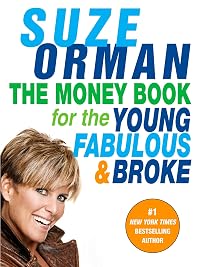
The Money Book for the Young, Fabulous & Broke
by Suze Orman
On This Page
Description
Financial expert Suze Orman answers a generation's cry for help. They're called "Generation Debt" and "Generation Broke" by the media-- people in their twenties and thirties who graduate college with a mountain of student loan debt and are stuck with one of the weakest job markets in recent history. The goals of their parents' generation-- buy a house, support a family, send kids to college, retire in style-- seem absurdly, depressingly out of reach. They live off their credit cards, may or show more may not have health insurance, and come up so far short at the end of the month that the idea of saving money is a joke. This generation has it tough, without a doubt, but they're also painfully aware of the urgent need to take matters into their own hands. Orman addresses the specific financial reality that faces young people today and offers a set of real solutions to the problems they face. show lessTags
Recommendations


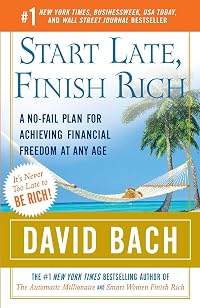
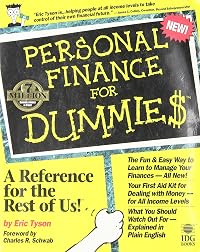
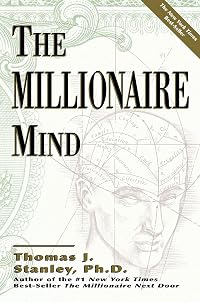
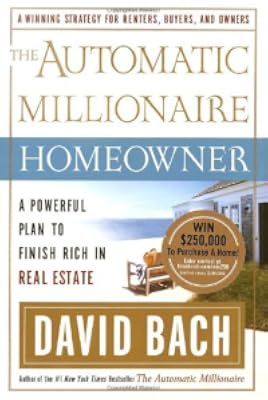
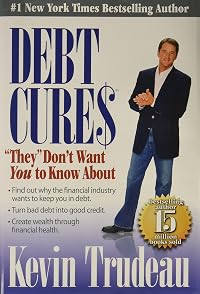
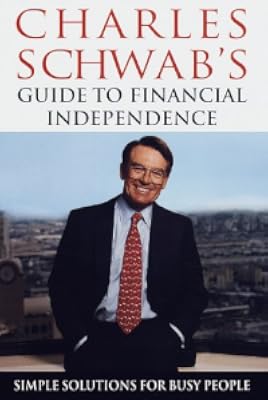
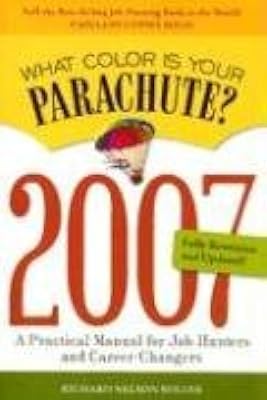
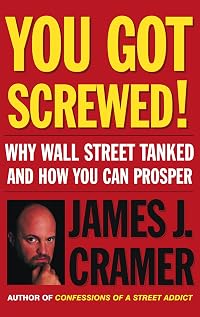

Member Recommendations
Member Reviews
Most people with even a modicum of interest in personal finance have heard of Suze Orman, she has written several books, is an Oprah show regular, does speaking engagements around the US and has her own TV show on PBS to boot. Suze is probably best known for her emotional approach to money management. For Suze building wealth has more to do with how you think about money than the technical skills you have in managing it. I actually find her style nauseating to watch on television, she in intense, in your face and to be honest a little bit over the top. I agree with her recommendations though, so I decided to pick this book up when I saw it in the store. Hey I’m young, fabulous and broke! This book must be perfect for me.
As one might show more expect this book covers the basics of personal finance and investing but it goes so much deeper than that. Each topic is covered in depth and additional resources are given to point you to more direction if needed. There are 10 chapters:
- Chapter 1 - Know the Score – Here Suze talks about the importance of knowing your credit score. Not only does she tell you what the numbers mean she outlines exactly how to obtain yours, consequences of the number and most importantly how to fix it if it’s bad.
- Chapter 2 - Career Moves – I thought this was a nice touch for a personal finance book, this chapter talks about asking for raises, how to find a better job and even dealing with your current job. This book certainly takes a holistic approach to finances.
- Chapter 3 - Give Yourself Credit – This chapter talks about credit cards and how to stay out of trouble. Here this book shines, it goes far beyond a simple treatment; she talks about balance transfers, getting lower rates and how to avoid fees.
- Chapter 4 – Making the Grade on Student Debt – Good discussion here on strategies to help pay back student loans when it feels like you will never be able to pay off all that debt.
- Chapter 5 – Save Up: The most valuable part of this chapter is definitely her discussion on paying off debt vs. saving. This is often something young people struggle with. With loads of debt is it better to save 10% or pay off credit cards, Suze gives clear guidelines to follow if this is your situation.
- Chapter 6 – Retirement Rules – In this chapter Suze deals with saving for retirement. Most of the information is quite basic and readily available from other sources but her section on employer contributions has stuck with me for a long time. She goes into detail about free money from an employer and why it is foolish not to take every penny.
- Chapter 7 – Investing Made Easy – Here all the basics are covered: dollar cost averaging, different types of investments and a small discussion on risk. This is probably the most boring chapter, especially if you know some of the basics.
- Chapter 8 – Big-Ticket Purchase: Car – This is something I have never seen in a book of this type. This topic is covered in detail. I especially like how she goes through the problems with leasing a new vehicle and some of the dealership gimmicks.
- Chapter 9 – Big-Ticket Purchase: Home – Once again Suze covers all the basics on buying a home for the first time. She not only talks about mortgages but also about the transition from renting to owning and even insurance.
- Chapter 10 – Love & Money – This is a fantastic chapter on merging finances with a significant other and borrowing from family members. This again exemplifies Suze’s holistic approach to personal finances, this chapter deals with more emotional aspects of money, she gives practical and sensitive advice to a difficult topic.
I read this book cover to cover in a single weekend. Suze has an engrossing style, she is honest and straightforward, this book reads like a conversation with a friend, someone who really cares about you. This book truly has become my bible as I navigate through the financial waters as a young adult; I refer to it often and have grown to love the green and white pages. I appreciated the in-depth treatment of the different topics, often only a basic overview is given, this book really challenges me to live a more financially honest life.
I give this book 5/5 because I think it should be a part of every young person’s library. I started buying this book for all my friends whether they have expressed an interest or not. I have yet to find a personal finance book, geared towards young adults, that is better written, more useful or more thorough than this one.
A note for Canadian readers: I am Canadian and wasn’t sure how that would change the helpfulness of this book for me. There is quite a bit of space devoted to 401(k) plans and IRAs. Because I already have a good understanding of RRSPs this did not confuse me but it can be a little frustrating to read a book where the suggestions do not apply. I did not find this to be a barrier for me, I enjoyed the book even with the largely US focus. show less
As one might show more expect this book covers the basics of personal finance and investing but it goes so much deeper than that. Each topic is covered in depth and additional resources are given to point you to more direction if needed. There are 10 chapters:
- Chapter 1 - Know the Score – Here Suze talks about the importance of knowing your credit score. Not only does she tell you what the numbers mean she outlines exactly how to obtain yours, consequences of the number and most importantly how to fix it if it’s bad.
- Chapter 2 - Career Moves – I thought this was a nice touch for a personal finance book, this chapter talks about asking for raises, how to find a better job and even dealing with your current job. This book certainly takes a holistic approach to finances.
- Chapter 3 - Give Yourself Credit – This chapter talks about credit cards and how to stay out of trouble. Here this book shines, it goes far beyond a simple treatment; she talks about balance transfers, getting lower rates and how to avoid fees.
- Chapter 4 – Making the Grade on Student Debt – Good discussion here on strategies to help pay back student loans when it feels like you will never be able to pay off all that debt.
- Chapter 5 – Save Up: The most valuable part of this chapter is definitely her discussion on paying off debt vs. saving. This is often something young people struggle with. With loads of debt is it better to save 10% or pay off credit cards, Suze gives clear guidelines to follow if this is your situation.
- Chapter 6 – Retirement Rules – In this chapter Suze deals with saving for retirement. Most of the information is quite basic and readily available from other sources but her section on employer contributions has stuck with me for a long time. She goes into detail about free money from an employer and why it is foolish not to take every penny.
- Chapter 7 – Investing Made Easy – Here all the basics are covered: dollar cost averaging, different types of investments and a small discussion on risk. This is probably the most boring chapter, especially if you know some of the basics.
- Chapter 8 – Big-Ticket Purchase: Car – This is something I have never seen in a book of this type. This topic is covered in detail. I especially like how she goes through the problems with leasing a new vehicle and some of the dealership gimmicks.
- Chapter 9 – Big-Ticket Purchase: Home – Once again Suze covers all the basics on buying a home for the first time. She not only talks about mortgages but also about the transition from renting to owning and even insurance.
- Chapter 10 – Love & Money – This is a fantastic chapter on merging finances with a significant other and borrowing from family members. This again exemplifies Suze’s holistic approach to personal finances, this chapter deals with more emotional aspects of money, she gives practical and sensitive advice to a difficult topic.
I read this book cover to cover in a single weekend. Suze has an engrossing style, she is honest and straightforward, this book reads like a conversation with a friend, someone who really cares about you. This book truly has become my bible as I navigate through the financial waters as a young adult; I refer to it often and have grown to love the green and white pages. I appreciated the in-depth treatment of the different topics, often only a basic overview is given, this book really challenges me to live a more financially honest life.
I give this book 5/5 because I think it should be a part of every young person’s library. I started buying this book for all my friends whether they have expressed an interest or not. I have yet to find a personal finance book, geared towards young adults, that is better written, more useful or more thorough than this one.
A note for Canadian readers: I am Canadian and wasn’t sure how that would change the helpfulness of this book for me. There is quite a bit of space devoted to 401(k) plans and IRAs. Because I already have a good understanding of RRSPs this did not confuse me but it can be a little frustrating to read a book where the suggestions do not apply. I did not find this to be a barrier for me, I enjoyed the book even with the largely US focus. show less
I don't see how a book geared towards the "Young, Fabulous & Broke" can be so painfully outddated. I mean, it was written in this millenium, but it's hard to tell considering some of the advice. "Cut your landline and use your cell phone to save money!" says Suze. "If you can't seem to keep your checkbook balanced, go open a brand new account at your bank and deposit a check in it - that way you know exactly how much you have and can start over new!"
Suze. A word. I don't know a single person under the age of 30 who *owns* a landline. Literally not one person. And I've never balanced a checkbook in my life but that's because I've been using online banking since I was sixteen. If I want to know exactly how much (or little) money is in my show more account, I can find out in five seconds (with a good wifi connection).
Some of the advice is solid, especially the way she breaks down investment strategies and explains all the factors that go into a FICO score. But the rest of it is clearly geared towards the painfully stupid ("Help, I cosigned on a friend's credit card and now they're not paying their bill!") and the old. For the Young, Fabulous & Broke - sorry, but this book is not a good fit for you. show less
Suze. A word. I don't know a single person under the age of 30 who *owns* a landline. Literally not one person. And I've never balanced a checkbook in my life but that's because I've been using online banking since I was sixteen. If I want to know exactly how much (or little) money is in my show more account, I can find out in five seconds (with a good wifi connection).
Some of the advice is solid, especially the way she breaks down investment strategies and explains all the factors that go into a FICO score. But the rest of it is clearly geared towards the painfully stupid ("Help, I cosigned on a friend's credit card and now they're not paying their bill!") and the old. For the Young, Fabulous & Broke - sorry, but this book is not a good fit for you. show less
This money book did indeed have a lot of sensible advice. It is however, an unfortunate fact of life that you can't make something from nothing, and deciding where you should put your money is largely irrelevant if you don't have enough to cover your current expenses to begin with. I have a sneaking suspicion that those people who make enough money to truly benefit from a where-should-you-put-your-money book, don't need one because they're already doing ok. And for those who might, a book is just a motivator. Managing money is like dieting. If you want to lose weight, you really just need to eat less. If you want to have more money, spend less. The book just keeps you focused.
This book was good for me, as someone who doesn't know much about personal finance past don't miss a payment and balance your checkbook. I got the most out of sections on dealing with student debt, credit, and "love & money". I did skip/skim the chapters on 401(k)s and buying a car and home because I'm just not there yet. When I am (hopefully within 5 years), I will come back to this book.
Also, extra points for readability. Info divided into short sections, blue and green accent colors, important vocab in bold, occasional pictures to break up text, good use of white space. :)
Also, extra points for readability. Info divided into short sections, blue and green accent colors, important vocab in bold, occasional pictures to break up text, good use of white space. :)
From my booklog:
This is a pretty awesome book for folks in the 20-35 range looking to get a handle on their finances. Suze lays everything out in her classic, no-bullshit style. I don't agree with everything she says (she insists couples who live together have a joint checking account but never says why, and her system for dividing expenses between couples sort of assumes that neither person is ever going to be unemployed), but most of her stuff is really good. She has a bunch of info online too, though you need a code from the book to get access.
She lays out plans of attack, talks budgeting (though without simple, pat answers to everything), explains complex stuff in straightforward terms, and generally gives young folks everything we show more need to get ourselves on our financial feet. I was very pleased to note that I was already doing most of the stuff she recommended (like focusing on paying off debt before trying to start saving). Woo! show less
This is a pretty awesome book for folks in the 20-35 range looking to get a handle on their finances. Suze lays everything out in her classic, no-bullshit style. I don't agree with everything she says (she insists couples who live together have a joint checking account but never says why, and her system for dividing expenses between couples sort of assumes that neither person is ever going to be unemployed), but most of her stuff is really good. She has a bunch of info online too, though you need a code from the book to get access.
She lays out plans of attack, talks budgeting (though without simple, pat answers to everything), explains complex stuff in straightforward terms, and generally gives young folks everything we show more need to get ourselves on our financial feet. I was very pleased to note that I was already doing most of the stuff she recommended (like focusing on paying off debt before trying to start saving). Woo! show less
Not as helpful as The Total Money Makeover. She gives you some tips, but it's changing your philosophy, habits, and lifestyle that really makes a difference.
This book is very encouraging, and gives great financial advice about 401(k)s, IRAs, and other things that those of us in our 20s are finding out about, sometimes the hard way. Great advice about matching funds from employers, strategies to manage your money if you are looking to buy a house, dealing with debt, etc.
I know its not beach reading, but it is still very useful information.
I know its not beach reading, but it is still very useful information.
Members
- Recently Added By
Author Information

55+ Works 6,266 Members
Suze Orman was born in Chicago, Illinois on June 5, 1951. She received a B.A. in social work from the University of Illinois at Urbana-Champaign in 1976. Before starting her own financial planning firm, she was an account executive at Merrill Lynch and a vice-president of investments for Prudential-Bache Securities. She is a columnist for Self show more magazine, a contributing editor to O: The Oprah Magazine, and hosts The Suze Orman Show. She has written several financial books including You've Earned It, Don't Lose It: Mistakes You Can't Afford to Make When You Retire; The 9 Steps to Financial Freedom: Practical and Spiritual Steps So You Can Stop Worrying; Women and Money: Owning the Power to Control Your Destiny; and The Money Class: How to Stand in Your Truth and Create the Future You Deserve. She received the National Equality Award from the Human Rights Campaign and the Amelia Earhart Award for her message of financial empowerment for women in 2008. (Bowker Author Biography) show less
Awards and Honors
Awards
Distinctions
Classifications
Statistics
- Members
- 1,120
- Popularity
- 22,716
- Reviews
- 14
- Rating
- (3.82)
- Languages
- English
- Media
- Paper, Audiobook, Ebook
- ISBNs
- 16
- UPCs
- 4
- ASINs
- 6