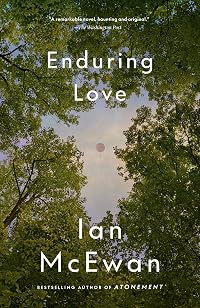
Enduring Love
by Ian McEwan
On This Page
Description
Ian McEwan has earned international acclaim for his writing and is considered one of England's best contemporary novelists. In Enduring Love, he sets a tale of obsession and desperation spinning amidst one man's comfortable British world. On a sunny afternoon, the middle-aged writer Joe Rose and his wife look up from their picnic in the countryside to see an elderly man desperately trying to anchor his giant helium balloon. Running to help, Joe is joined by other bystanders. But from that show more fateful day, one of them, Jed Parry, will begin to stalk Joe. Driven by religious zeal and misdirected love, the strange young man will slowly unravel each strand of Joe's life. Perfectly capturing the moments when a familiar world begins to shift out of balance, this first-person narrative traces Joe's growing unease and frustration. As Joe watches his marriage, his profession, and his character dissolve, Enduring Love fills with psychological tension and emotional suspense. show lessTags
Recommendations

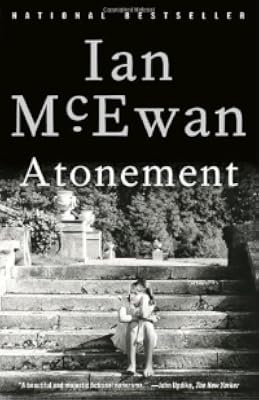
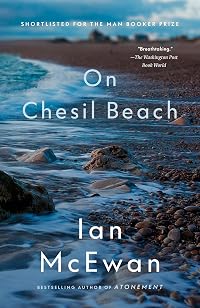
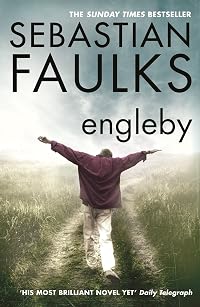
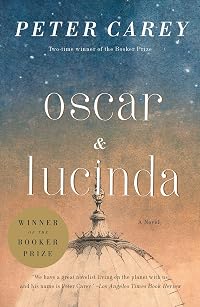



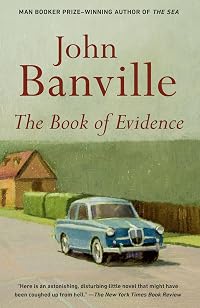

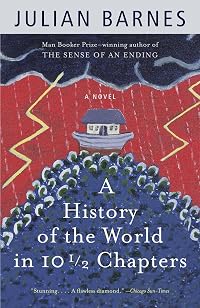
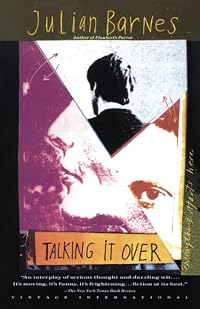
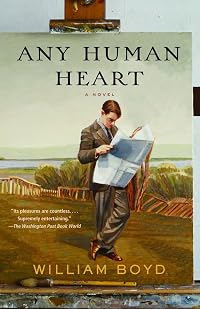

Member Recommendations
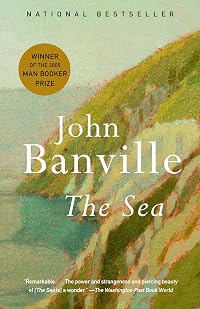
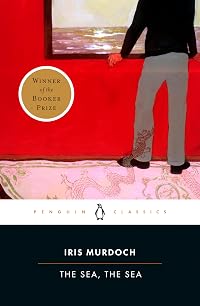
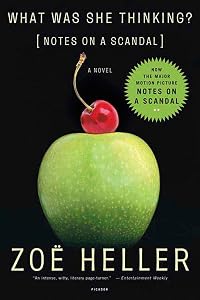
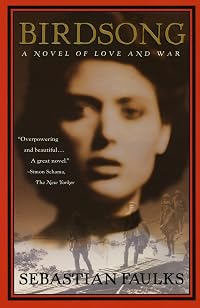
lucyknows The Reader could be successfully paired with Enduring Love for English Studies. In addition either book could also be be paired with the film The Talented Mr Ripley under the theme of obsession or even Border Crossing by Pat Barker
Limelite Both are literary love stories. Both spiral into violence.
Member Reviews
A book of stunning set pieces, a tense plot, interesting (if rather extreme) characters. Part detective story, part psychodrama, part comedy, this is a delicious mix. The narrator, Joe Rose attracts the inexplicable and passionate attention of a crazed religious fanatic. Joe's reaction is so strong that he is unable to convince anyone else that the fanatic is a threat, in fact, they imagine that Joe himself has become slightly unhinged. McEwan's relaxed but somewhat clipped prose works well in both the unbearable suspense sequences and the comic interludes. Perhaps the Graham Greene of the "entertainments" comes to mind.
I am glad that I have read other works by Ian McEwan before "Enduring Love" - my confidence/trust in the author got me through an early part of the book where I my only thought was "what?" (or WTF?). This novel turned out to be masterful - An unforgettable opening scene - an event etched into my memory as if I was there to witness it; a unique relationship between protagonist vs antagonist; scenes of grief and wounding; a crazy vindication of fact that shines a bright light on how to act in a trusting relationship (how to be absolutely right and mostly wrong at the same time). Really good book, but the reader has to be patient!
The only type of love that endures is that which is not reciprocated.
Unlike most novels whose story rises to a culmination, McEwan uses the big event as an opener. And what an unforgettable opener! The account that follows is a disturbing story of obsession: sinister, ominous, but utterly compelling.
Joe is a frustrated scientist, now reduced to writing popular science journal articles. His thought processes, of rationalizing in the scientific way is eluding him, and the occupational hazard of "popularizing" has taken over. Is Joe an unreliable narrator? There is so much that can be read into the story that the reader is never quite sure of the veracity of Joe's version. The scene where he tries to acquire a means of defence may be dark show more but is pure comedy, that somehow fits with the creepiness factor.
Another excellent, beautifully written tale from McEwan. show less
Unlike most novels whose story rises to a culmination, McEwan uses the big event as an opener. And what an unforgettable opener! The account that follows is a disturbing story of obsession: sinister, ominous, but utterly compelling.
Joe is a frustrated scientist, now reduced to writing popular science journal articles. His thought processes, of rationalizing in the scientific way is eluding him, and the occupational hazard of "popularizing" has taken over. Is Joe an unreliable narrator? There is so much that can be read into the story that the reader is never quite sure of the veracity of Joe's version. The scene where he tries to acquire a means of defence may be dark show more but is pure comedy, that somehow fits with the creepiness factor.
Another excellent, beautifully written tale from McEwan. show less
Every so often Ian McEwan picks up a familiar plot-driven genre and rebuilds it with a slow, dark emotional engine. The Innocent, which was made into a movie I didn't like much, was a spy thriller and a Hitchcock-like can-things-possibly-get-worse murder thing, wrapped around a love story and a painful character study, and shaped by the two meanings of the title (the hero's youthful ignorance, and the way the plot leads him to do worse and worse things without being really guilty of anything); I mostly loved it. Similarly, the story of Enduring Love could have been done as a stalker-of-the-week movie leading up to a big chase scene, and some of its strength comes from how simple the premise is: a man finds that an unpleasant delusional show more stranger is romantically obsessed with him.
Again going in two directions from the title, McEwan writes about what makes love endure, even to the point of psychosis, and how it can dwindle into a thing to be endured, like the narrator's collapsing marriage. How you can care and fear for a guy who's almost more unpleasant than his persecutor (though I'm sure not everyone will) is part of what makes the book impossible to summarize. McEwan also tends to build his characters around some odd area of history or knowledge that he's researched lovingly, and in this case his helpless narrator, a popular science writer, applies the buzzwords of "sociobiology" to his love life, in ways that both satirize and humanize that currently fashionable school of thought -- all while keeping the threat of murder in the air.
And after the "ending" -- where, as we expect, the plot spends itself in a bit of violence, followed by a pastoral recovery -- McEwan does something I've only seen done once before (by Margaret Atwood in The Handmaid's Tale) and does it awfully well: he retells the whole thing in a few pages from a chilly academic perspective, as a psychiatric case study, removing both the suspense and the empathy while adding some new information that may or may not change how you see the characters. I don't know what to call this device or whether Atwood really invented it, but in both cases it had a delayed punch-in-the-gut effect on me, because the next time you read a case study or historical essay or news report like that, you can't help going through the same process in reverse and imagining the personal depths that were left out of it. show less
Again going in two directions from the title, McEwan writes about what makes love endure, even to the point of psychosis, and how it can dwindle into a thing to be endured, like the narrator's collapsing marriage. How you can care and fear for a guy who's almost more unpleasant than his persecutor (though I'm sure not everyone will) is part of what makes the book impossible to summarize. McEwan also tends to build his characters around some odd area of history or knowledge that he's researched lovingly, and in this case his helpless narrator, a popular science writer, applies the buzzwords of "sociobiology" to his love life, in ways that both satirize and humanize that currently fashionable school of thought -- all while keeping the threat of murder in the air.
And after the "ending" -- where, as we expect, the plot spends itself in a bit of violence, followed by a pastoral recovery -- McEwan does something I've only seen done once before (by Margaret Atwood in The Handmaid's Tale) and does it awfully well: he retells the whole thing in a few pages from a chilly academic perspective, as a psychiatric case study, removing both the suspense and the empathy while adding some new information that may or may not change how you see the characters. I don't know what to call this device or whether Atwood really invented it, but in both cases it had a delayed punch-in-the-gut effect on me, because the next time you read a case study or historical essay or news report like that, you can't help going through the same process in reverse and imagining the personal depths that were left out of it. show less
This book scared the bejesus out of me!
I love a lot of what McEwan writes, and didn't know anything about this book before I started into it. I didn't even read the blurb on the cover, and I'm so glad I didn't as everything was a delicious surprise. It's the type of book where I don't think it's fair to even hint at what it's about. He makes it seem so real it's downright alarming.
Suffice to say this is a fantastic psychological thriller, and I couldn't help but regularly marvel at how good the writing was. McEwan is fabulous at taking a small, fateful occurrence from a seemingly normal day and letting it snowball it into something positively heart-wrenching. He's the book equivalent of the movie 'Sliding Doors' - what if the character show more hadn't decided to go here that day, or what if they hadn't said those words at that time.
I loved it. McEwan at his best, which is great as I felt a little bit lukewarm about Atonement. I loved The Cement Garden and On Chesil Beach.
4.5 stars - Gripping, gripping, gripping. I dropped half a star as it got slightly far-fetched at one stage, but loved it nonetheless. show less
I love a lot of what McEwan writes, and didn't know anything about this book before I started into it. I didn't even read the blurb on the cover, and I'm so glad I didn't as everything was a delicious surprise. It's the type of book where I don't think it's fair to even hint at what it's about. He makes it seem so real it's downright alarming.
Suffice to say this is a fantastic psychological thriller, and I couldn't help but regularly marvel at how good the writing was. McEwan is fabulous at taking a small, fateful occurrence from a seemingly normal day and letting it snowball it into something positively heart-wrenching. He's the book equivalent of the movie 'Sliding Doors' - what if the character show more hadn't decided to go here that day, or what if they hadn't said those words at that time.
I loved it. McEwan at his best, which is great as I felt a little bit lukewarm about Atonement. I loved The Cement Garden and On Chesil Beach.
4.5 stars - Gripping, gripping, gripping. I dropped half a star as it got slightly far-fetched at one stage, but loved it nonetheless. show less
เรื่อง "Enduring Love" เป็นเรื่องที่เล่าโดย Joe Rose (ยกเว้นบทที่ 9 ที่เปลี่ยนวิธีการเล่าโดยมุมมองบุคคลที่สาม) Joe Rose ซึ่งเป็นนักเขียนเกี่ยวกับวิทยาศาสตร์ เป็น Atheist เหตุการณ์ทั้งหมดเริ่มต้นขึ้นหลังจาก Joe กับ Clarissa คู่รักของเขา พากันไป Picnick ที่ชานเมืองลอนดอน หลังจากไม่ได้เจอกันเป็นเวลา 6 show more สัปดาห์ซึ่งนานที่สุดนับตั้งแต่ใช้ชีวิตร่วมกันมา 7 ปี ขณะเขากับ Clarissa กำลังจะเริ่มดื่มไวน์ มีคนอยู่ในบอลลูนที่ลอยผ่านไปกำลังตะโกนขอความช่วยเหลือ เขากับผู้ชายอีกห้าคน รีบวิ่งไปช่วยกันดึงเชือกบอลลูน เหตุการณ์นั้นทำให้คนที่ไปช่วยเหลือเสียชีวิตหนึ่งคนคือ John Logan และทำให้เขาพบกับ
Jed Parry หนึ่งในหกคนที่วิ่งไปช่วย Jed เป็นคนที่มีความเชื่อในพระเจ้า เชื่อในความรักของพระเจ้า
หลังจาก John Logan ร่วงหล่นจากเชือกบอลลูน Joe วิ่งลงไปที่ร่างของ John Logan และ Jed ตามมาพร้อมกับบอกว่าสิ่งที่ทำได้ตอนนี้คือสวดมนต์อ้อนวอนพระเจ้าเท่านั้น แต่ Joe ไม่เอาด้วยและเดินจากมาเขากลับบ้านพร้อม Clarissa
เหตุการณ์คงจะจบแค่นี้ ถ้าคืนที่เกิดเหตุนั้นไม่มีโทรจาก Jed Parry โทรมาบอก Joe ว่า "I just wanted you to know, I understand what you're feel. I feel it too. I love you" เรารู้ได้เลยว่า Jed เป็นโฮโมเซ็กชวล และรู้ว่า Jed เป็นโฮโมเซ็กชวลโรคจิต เป็น Stalker ตาม Joe ไปทุกที่ อ่านบทความทุกเรื่องที่ Joe เขียน โทรศัพท์มาหาเป็นยี่สิบครั้งติดกัน เขียนจดหมายหา Joe ฯลฯ
Joe บอก Clarissa เรื่อง Jed แต่ Clarissa คิดว่า Joe เป็นบ้าไปเอง สร้างเรื่องขึ้นมาเอง เพราะไม่มีหลักฐาน และจดหมายที่ Joe บอกว่า Jed เขียนก็เป็นลายมือของ Joe
Joe ไปแจ้งตำรวจ เมื่อตำรวจฟังเรื่องตำรวจก็บอกว่าไม่สามารถช่วยอะไรได้ ตำรวจบอกว่า "He loves his God, he loves you, and I'm sorry about that, but he hasn't broken the law."
และในวันเกิดของ Clarissa ขณะที่ Joe, Clarissa และ Kale กำลังฉลองวันเกิดกันอยู่ คนโต๊ะข้าง ๆ ก็ถูกยิง และ Joe ก็คิดว่าเป็นการยิงผิดตัวซึ่งจริง ๆ แล้วเขาต่างหากที่จะโดนยิง เขาบอกตำรวจแต่ตำรวจไม่เชื่อ ในที่สุดเขาต้องช่วยเหลือตัวเองโดยการ ไปติดต่อซื้อปืนเถื่อนจากพ่อค้ายาเพื่อป้องกันตัว อ่านถึงตอนนี้ผู้อ่านก็ยังไม่รู้ว่าตกลง Joe บ้า แล้วสร้าง Jed ขึ้นมา หรือว่ามี Jed ที่โรคจิตจริง ๆ กันแน่ เพราะตั้งแต่วันที่เกิดเหตุการณ์บอลลูนนั้น Clarissa ก็ยังไม่เคยเห็น Jed อีกเลย แต่ Joe ยืนยันกับทุกคนว่า Jed เป็นโรคจิตชนิดหนึ่งที่เรียกว่า de Clerambault's syndrome คือเป็นโรคที่คนป่วยคิดว่าคนที่คนป่วยรักนั้น รักคนป่วยมาก "The case of a pure (primary) form of de Clerambault's syndrome is described in a man whose religious convictions are central to his delusion. Dangerousness and suicidal tendencies are also present. The case adds to recent literature supporting the view that the syndrome is a nosological entity."
สุดท้ายแล้ว Joe บ้า หรือว่า Jed โรคจิตจริง ๆ ความสัมพันธ์ระหว่าง Joe กับ Clarissa ก็สั่นคลอนอยู่ดี
เรื่องนี้เป็นเรื่องที่สามารถตีความได้หลายอย่าง มีหลายประเด็นในเรื่อง เราอาจจะมอง Joe เป็นตัวแทนของ Rational และ Atheist ส่วน Jed เป็นตัวแทนของ Irrational และ Religion Believer ก็ได้ แต่เราทราบแน่ ๆ ว่า Ian McEwan เป็น Atheist และอาจมอง Clarissa เป็นตัวแทนของคนที่มองสิ่งต่าง ๆ ด้วยสายตา Poetic เห็น John Logan หล่นบอลลูนตายเธอก็นึกถึงกลอนในเรื่อง Lost Paradise ของ John Milton เธอเป็นผู้เชี่ยวชาญเรื่องของ John Keat เป็นอาจารย์มหาวิทยาลัย ฯลฯ ฯลฯ
เรื่องนี้ลุงแมคฯ ใช้วิธีเล่าสลับไปมามี 4 วิธี หนึ่งเล่าโดย Joe Rose เป็นหลัก สองเล่าโดยมุมมองบุคคลที่สามหนึ่งตอน เพื่อให้คนอ่านเห็นความคิดของ Clrissa สามเล่าโดยใช้จดหมายที่ Jed และ Clarissa ที่เขียนถึง Joe และสุดท้ายเล่าโดยภาคผนวกที่เหมือนจริงมาก ๆ เมื่อเราอ่านนิยายจบเราจะยังไม่รู้เรื่องทั้งหมดจนกว่าจะอ่าน ภาคผนวกท้ายเล่มจบด้วย
อย่างที่ผมเคยบอกว่าลุงแมค ฯ ชอบเล่นเสียง เล่นคำ อ่านเรื่องนี้ก็เจอหลายที่เช่นเคย ลองดูประโยคนี้ "So the meanderings of narrative had given way to an aesthetics of form; as in art, so in science" สังเกตตรง as in art, so in science ถ้าเราอ่านออกเสียงพยัญชนะมันจะเป็น ออ ออ ออ สอ ออ สอ ฟังแล้วมันระรื่นหู อ่านคล่องปาก บางครั้งแกเล่นประโยคซ้ำ ๆ เหมือนเคยอ่านในบทกวี ๆ เหมือนกลบทในร่าย นับเป็นความประณีตของลุงโดยแท้ และสิ่งหนึ่งที่ลุงแมค ฯ เก่งมากอีกอย่างคือทำให้เราเห็นภาพเหมือนดูหนัง คำสวย ๆ เพราะ ๆ ที่แกนำมาเรียงกันสามารถสร้างภาพได้จริง ๆ โดยเฉพาะในบทแรกของ Enduring Love เราเห็นภาพคนวิ่งไล่บอลลูนเหมือนดูหนังเลย "the convergence of six figures in a flat green space has a comforting geometry from the buzzard's perspective, the knowable, limited place of the snooker table." ฯลฯ ฯลฯ
สรุปว่าเรื่องนี้อ่านสนุกและได้ความรู้ใหม่เพียบ ลุงแมค ฯ เขียนนิยายให้ผู้อ่านรู้สึกว่าอ่านแล้ว ได้อะไรมากกว่าความสนุกเสมอ
ผมอ่านหนังสือของลุงแมคไล่ลงมาเรื่อยจากเล่มล่าสุด On Chesil Beach, Saturday, Atonement แต่ข้าม Amsterdam ที่ได้รางวัล Booker Prize ไปจนมาถึง Enduring Love ในเวลาไล่เลี่ยกัน--ช่วงสองเดือนที่ผ่านมา บอกไม่ถูกเหมือนกันว่าชอบเรื่องไหนมากที่สุดแต่ละเรื่องเนื้อหาไม่ซ้ำกัน เรื่องคนละแบบ แต่ถ้าถามว่าเรื่องไหนในสี่เรื่องนี้ของลุงแมค ฯ สนุกที่สุดก็บอกได้เลยว่าเรื่อง Enduring Love นี่แหละสนุกที่สุด จิตที่สุด เป็นเรื่องเดียวที่ผมเล่าให้เพื่อนในวงกาแฟฟัง(ไม่นิยมเหล้าเลยนั่งวงกาแฟแทน) แล้วเพื่อนมันตั้งใจฟัง พร้อมใจกันวิพากษ์วิจารณ์ Jed Parry ตัวละครสำคัญในเรื่องกันอย่างเมามันทั้งที่แค่ฟังที่ผมเล่าเท่านั้นเอง ถ้าได้อ่านจะคุยกันสนุกขนาดไหน ถ้าอยากอ่านหนังสือเกี่ยวกับจิตวิทยา คนป่วยทางจิต อ่านนิยายเรื่องนี้ไม่ผิดหวังแน่นอน show less
Jed Parry หนึ่งในหกคนที่วิ่งไปช่วย Jed เป็นคนที่มีความเชื่อในพระเจ้า เชื่อในความรักของพระเจ้า
หลังจาก John Logan ร่วงหล่นจากเชือกบอลลูน Joe วิ่งลงไปที่ร่างของ John Logan และ Jed ตามมาพร้อมกับบอกว่าสิ่งที่ทำได้ตอนนี้คือสวดมนต์อ้อนวอนพระเจ้าเท่านั้น แต่ Joe ไม่เอาด้วยและเดินจากมาเขากลับบ้านพร้อม Clarissa
เหตุการณ์คงจะจบแค่นี้ ถ้าคืนที่เกิดเหตุนั้นไม่มีโทรจาก Jed Parry โทรมาบอก Joe ว่า "I just wanted you to know, I understand what you're feel. I feel it too. I love you" เรารู้ได้เลยว่า Jed เป็นโฮโมเซ็กชวล และรู้ว่า Jed เป็นโฮโมเซ็กชวลโรคจิต เป็น Stalker ตาม Joe ไปทุกที่ อ่านบทความทุกเรื่องที่ Joe เขียน โทรศัพท์มาหาเป็นยี่สิบครั้งติดกัน เขียนจดหมายหา Joe ฯลฯ
Joe บอก Clarissa เรื่อง Jed แต่ Clarissa คิดว่า Joe เป็นบ้าไปเอง สร้างเรื่องขึ้นมาเอง เพราะไม่มีหลักฐาน และจดหมายที่ Joe บอกว่า Jed เขียนก็เป็นลายมือของ Joe
Joe ไปแจ้งตำรวจ เมื่อตำรวจฟังเรื่องตำรวจก็บอกว่าไม่สามารถช่วยอะไรได้ ตำรวจบอกว่า "He loves his God, he loves you, and I'm sorry about that, but he hasn't broken the law."
และในวันเกิดของ Clarissa ขณะที่ Joe, Clarissa และ Kale กำลังฉลองวันเกิดกันอยู่ คนโต๊ะข้าง ๆ ก็ถูกยิง และ Joe ก็คิดว่าเป็นการยิงผิดตัวซึ่งจริง ๆ แล้วเขาต่างหากที่จะโดนยิง เขาบอกตำรวจแต่ตำรวจไม่เชื่อ ในที่สุดเขาต้องช่วยเหลือตัวเองโดยการ ไปติดต่อซื้อปืนเถื่อนจากพ่อค้ายาเพื่อป้องกันตัว อ่านถึงตอนนี้ผู้อ่านก็ยังไม่รู้ว่าตกลง Joe บ้า แล้วสร้าง Jed ขึ้นมา หรือว่ามี Jed ที่โรคจิตจริง ๆ กันแน่ เพราะตั้งแต่วันที่เกิดเหตุการณ์บอลลูนนั้น Clarissa ก็ยังไม่เคยเห็น Jed อีกเลย แต่ Joe ยืนยันกับทุกคนว่า Jed เป็นโรคจิตชนิดหนึ่งที่เรียกว่า de Clerambault's syndrome คือเป็นโรคที่คนป่วยคิดว่าคนที่คนป่วยรักนั้น รักคนป่วยมาก "The case of a pure (primary) form of de Clerambault's syndrome is described in a man whose religious convictions are central to his delusion. Dangerousness and suicidal tendencies are also present. The case adds to recent literature supporting the view that the syndrome is a nosological entity."
สุดท้ายแล้ว Joe บ้า หรือว่า Jed โรคจิตจริง ๆ ความสัมพันธ์ระหว่าง Joe กับ Clarissa ก็สั่นคลอนอยู่ดี
เรื่องนี้เป็นเรื่องที่สามารถตีความได้หลายอย่าง มีหลายประเด็นในเรื่อง เราอาจจะมอง Joe เป็นตัวแทนของ Rational และ Atheist ส่วน Jed เป็นตัวแทนของ Irrational และ Religion Believer ก็ได้ แต่เราทราบแน่ ๆ ว่า Ian McEwan เป็น Atheist และอาจมอง Clarissa เป็นตัวแทนของคนที่มองสิ่งต่าง ๆ ด้วยสายตา Poetic เห็น John Logan หล่นบอลลูนตายเธอก็นึกถึงกลอนในเรื่อง Lost Paradise ของ John Milton เธอเป็นผู้เชี่ยวชาญเรื่องของ John Keat เป็นอาจารย์มหาวิทยาลัย ฯลฯ ฯลฯ
เรื่องนี้ลุงแมคฯ ใช้วิธีเล่าสลับไปมามี 4 วิธี หนึ่งเล่าโดย Joe Rose เป็นหลัก สองเล่าโดยมุมมองบุคคลที่สามหนึ่งตอน เพื่อให้คนอ่านเห็นความคิดของ Clrissa สามเล่าโดยใช้จดหมายที่ Jed และ Clarissa ที่เขียนถึง Joe และสุดท้ายเล่าโดยภาคผนวกที่เหมือนจริงมาก ๆ เมื่อเราอ่านนิยายจบเราจะยังไม่รู้เรื่องทั้งหมดจนกว่าจะอ่าน ภาคผนวกท้ายเล่มจบด้วย
อย่างที่ผมเคยบอกว่าลุงแมค ฯ ชอบเล่นเสียง เล่นคำ อ่านเรื่องนี้ก็เจอหลายที่เช่นเคย ลองดูประโยคนี้ "So the meanderings of narrative had given way to an aesthetics of form; as in art, so in science" สังเกตตรง as in art, so in science ถ้าเราอ่านออกเสียงพยัญชนะมันจะเป็น ออ ออ ออ สอ ออ สอ ฟังแล้วมันระรื่นหู อ่านคล่องปาก บางครั้งแกเล่นประโยคซ้ำ ๆ เหมือนเคยอ่านในบทกวี ๆ เหมือนกลบทในร่าย นับเป็นความประณีตของลุงโดยแท้ และสิ่งหนึ่งที่ลุงแมค ฯ เก่งมากอีกอย่างคือทำให้เราเห็นภาพเหมือนดูหนัง คำสวย ๆ เพราะ ๆ ที่แกนำมาเรียงกันสามารถสร้างภาพได้จริง ๆ โดยเฉพาะในบทแรกของ Enduring Love เราเห็นภาพคนวิ่งไล่บอลลูนเหมือนดูหนังเลย "the convergence of six figures in a flat green space has a comforting geometry from the buzzard's perspective, the knowable, limited place of the snooker table." ฯลฯ ฯลฯ
สรุปว่าเรื่องนี้อ่านสนุกและได้ความรู้ใหม่เพียบ ลุงแมค ฯ เขียนนิยายให้ผู้อ่านรู้สึกว่าอ่านแล้ว ได้อะไรมากกว่าความสนุกเสมอ
ผมอ่านหนังสือของลุงแมคไล่ลงมาเรื่อยจากเล่มล่าสุด On Chesil Beach, Saturday, Atonement แต่ข้าม Amsterdam ที่ได้รางวัล Booker Prize ไปจนมาถึง Enduring Love ในเวลาไล่เลี่ยกัน--ช่วงสองเดือนที่ผ่านมา บอกไม่ถูกเหมือนกันว่าชอบเรื่องไหนมากที่สุดแต่ละเรื่องเนื้อหาไม่ซ้ำกัน เรื่องคนละแบบ แต่ถ้าถามว่าเรื่องไหนในสี่เรื่องนี้ของลุงแมค ฯ สนุกที่สุดก็บอกได้เลยว่าเรื่อง Enduring Love นี่แหละสนุกที่สุด จิตที่สุด เป็นเรื่องเดียวที่ผมเล่าให้เพื่อนในวงกาแฟฟัง(ไม่นิยมเหล้าเลยนั่งวงกาแฟแทน) แล้วเพื่อนมันตั้งใจฟัง พร้อมใจกันวิพากษ์วิจารณ์ Jed Parry ตัวละครสำคัญในเรื่องกันอย่างเมามันทั้งที่แค่ฟังที่ผมเล่าเท่านั้นเอง ถ้าได้อ่านจะคุยกันสนุกขนาดไหน ถ้าอยากอ่านหนังสือเกี่ยวกับจิตวิทยา คนป่วยทางจิต อ่านนิยายเรื่องนี้ไม่ผิดหวังแน่นอน show less
This novel opens with a bizarre accident in which five men, including our main character, Joe, rush to help a distressed balloonist. The attempt, alas, ends in tragedy. It also serves as the catalyst for a strange, disturbing obsession that one of the other would-be rescuers develops for Joe, which in turn threatens Joe's heretofore happy relationship.
I really do love McEwan's writing. He has an incredibly keen grasp of human psychology, and especially the unreliability of human perception and memory, and at his best he makes most other fiction feel like a gross oversimplification of human complexity. Which, let's face it, it is. I'm also impressed by how scientifically literate his writing is. The main character here is a science show more writer with a PhD in physics, and McEwan gets him, and his scientific subject matter, absolutely right. This is a guy who thinks in well-chosen scientific metaphors, who often stops to analyze his experiences in terms of anthropology, neurology, or evolutionary psychology. He thinks, in other words, exactly the way I do, and I can't tell you how refreshing it is to see that done in a believable and nuanced way (as opposed to being presented with yet another clueless version of what most people think a smart, science-y guy is supposed to be like). It's particularly unexpected and wonderful in this kind of mainstream literary writing, where I don't often encounter characters I can identify that fully with, in all their good and bad points.
My one complaint about this book, and the reason it didn't rate another extra half-star from me, is that the climax is a little unsatisfying, somehow, a little... anti-climactic. Although the book does at least end on a rather effective note. (A tip for the reader: don't skip the appendices. They are very much part of the story.)
I should also add that I was a little trepidatious about the subject matter, because this kind of story could have very easily come across as unpleasantly homophobic, whether consciously or unconsciously, but thankfully it never does. show less
I really do love McEwan's writing. He has an incredibly keen grasp of human psychology, and especially the unreliability of human perception and memory, and at his best he makes most other fiction feel like a gross oversimplification of human complexity. Which, let's face it, it is. I'm also impressed by how scientifically literate his writing is. The main character here is a science show more writer with a PhD in physics, and McEwan gets him, and his scientific subject matter, absolutely right. This is a guy who thinks in well-chosen scientific metaphors, who often stops to analyze his experiences in terms of anthropology, neurology, or evolutionary psychology. He thinks, in other words, exactly the way I do, and I can't tell you how refreshing it is to see that done in a believable and nuanced way (as opposed to being presented with yet another clueless version of what most people think a smart, science-y guy is supposed to be like). It's particularly unexpected and wonderful in this kind of mainstream literary writing, where I don't often encounter characters I can identify that fully with, in all their good and bad points.
My one complaint about this book, and the reason it didn't rate another extra half-star from me, is that the climax is a little unsatisfying, somehow, a little... anti-climactic. Although the book does at least end on a rather effective note. (A tip for the reader: don't skip the appendices. They are very much part of the story.)
I should also add that I was a little trepidatious about the subject matter, because this kind of story could have very easily come across as unpleasantly homophobic, whether consciously or unconsciously, but thankfully it never does. show less
Members
- Recently Added By
Published Reviews
ThingScore 75
Das naturwissenschaftliche Weltbild des Ich-Erzählers wird - mit feiner Ironie oder entlarvender Kaltschnäuzigkeit - gegen die Unlogik der Liebe (zwischen Männern, zwischen Männern und Frauen, Eltern und Kindern) ausgespielt.
added by Indy133
Ian McEwan's reputation as a writer of small, impeccably written fictions is secure. His gift for the cold and scary is well established, too: among the critical praise that festoons his book jackets, the word "macabre" crops up more than once. But his books are more than tales of suspense and shock; they raise issues of guilt and love and fear, essentially of what happens when the civilized show more and ordered splinters against chaos. show less
added by jburlinson
Lists

The Guardian's 1000 Novels Everyone Must Read
1,005 works; 551 members

1001 Books You Must Read Before You Die
1,448 works; 1,134 members
501 Must-Read Books
529 works; 72 members

Unread books
1,063 works; 87 members

International IMPAC Dublin Literary Award
179 works; 6 members

1990s
309 works; 17 members

BBC Radio 4 Bookclub
341 works; 13 members

100 Best Thrillers of All Time
100 works; 6 members

A Good Read (Radio 4)
287 works; 1 member

Read This Next
120 works; 3 members

Tim's Not Spammy List
14 works; 1 member

living room bookshelf
150 works; 1 member

Stephen King's 'On Writing' reading list
95 works; 4 members

Books We Love to Reread
688 works; 296 members
Author Information

78+ Works 100,096 Members
Ian McEwan was born in Aldershot, England on June 21, 1948. He received a B.A. in English Literature from the University of Sussex and an M.A. in English Literature from the University of East Anglia. He writes novels, plays, and collections of short stories including In Between the Sheets, The Cement Garden, The Comfort of Strangers, The show more Innocent, Black Dogs, The Daydreamer, Enduring Love, Sweet Tooth, The Children Act and Nutshell. He has won numerous awards including the 1976 Somerset Maugham Award for First Love, Last Rites; the 1987 Whitbread Novel Award and the 1993 Prix Fémina Etranger for The Child in Time; the 1998 Booker Prize for Fiction for Amserdam; the 2002 W. H. Smith Literary Award, the 2003 National Book Critics' Circle Fiction Award, the 2003 Los Angeles Times Prize for Fiction, and the 2004 Santiago Prize for the European Novel for Atonement; and the 2006 James Tait Black Memorial Prize for Saturday. (Bowker Author Biography) show less
Some Editions
Awards and Honors
Awards
Notable Lists
Series
Belongs to Publisher Series
Work Relationships
Has the adaptation
Is abridged in
Common Knowledge
- Canonical title*
- Liebeswahn
- Original title
- Enduring Love; Enduring love
- Original publication date
- 1997
- People/Characters
- Jed Parry; Joe Rose; Clarissa
- Important places
- London, England, Great Britain; Chiltherns, England, Great Britain
- Related movies
- Enduring Love (2004 | IMDb)
- Dedication
- to Annalena
- First words
- The beginning is simple to mark.
- Quotations
- When it's gone, you'll know what a gift love was.
'Een boom gaat nog wel, maar het is een hele stap om een pistool op iemand anders te richten. In wezen geef je toestemming om zelf gedood te worden' H22
"A stranger walked into our lives, and the first thing that happened was that you became a stranger to me." - Last words
- (Click to show. Warning: May contain spoilers.)'So now,' Rachael said. 'Tell Leo as well. Say it again slowly, that thing about the river.'
- Original language*
- Englisch
*Some information comes from Common Knowledge in other languages. Click "Edit" for more information.
Classifications
Statistics
- Members
- 6,156
- Popularity
- 2,029
- Reviews
- 108
- Rating
- (3.67)
- Languages
- 23 — Catalan, Czech, Danish, Dutch, English, Finnish, French, German, Greek, Hebrew, Hungarian, Icelandic, Italian, Latvian, Lithuanian, Norwegian (Bokmål), Polish, Portuguese, Slovak, Slovenian, Spanish, Swedish, Turkish
- Media
- Paper, Audiobook, Ebook
- ISBNs
- 93
- UPCs
- 1
- ASINs
- 24