

The Reader
by Bernhard Schlink
On This Page
Description
Classic Literature. Fiction. Literature. Historical Fiction. HTML:Hailed for its coiled eroticism and the moral claims it makes upon the reader, this mesmerizing novel is a story of love and secrets, horror and compassion, unfolding against the haunted landscape of postwar Germany.When he falls ill on his way home from school, fifteen-year-old Michael Berg is rescued by Hanna, a woman twice his age. In time she becomes his lover—then she inexplicably disappears. When Michael next sees show more her, he is a young law student, and she is on trial for a hideous crime. As he watches her refuse to defend her innocence, Michael gradually realizes that Hanna may be guarding a secret she considers more shameful than murder. show less
Tags
Recommendations






















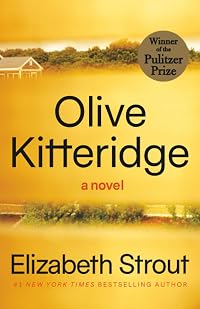



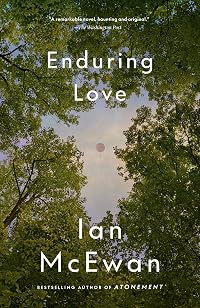




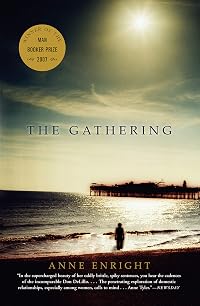

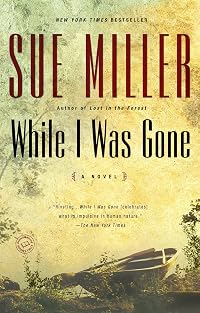






Member Recommendations

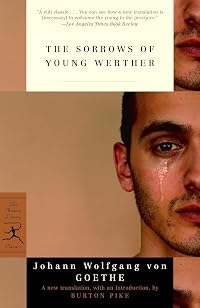
bookcrazyblog Though book thief is understood to be Teen-read, it is deep and enthralling. If you liked The Reader for anything beyond its sensuality in the first part, you will love Book Thief
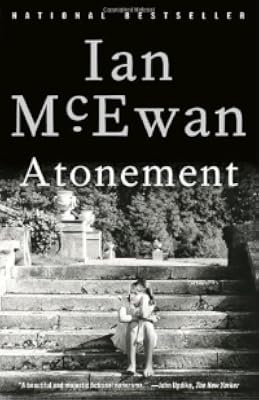
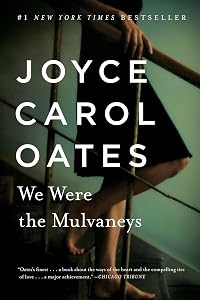
lucyknows The Book Thief by Markus Zusak may linked with The Reader by Bernhard Schlink using the themes of reading, Nazi Germany and death. You could also pair it with the graphic novel Maus by Art Spiegelman. Atonement by Ian McEwan could work as well because of the young protagonists, war, and reading.
122

Tinwara Autobiographical account that also deals with the post war generation in Germany, trying to come to an understanding of how loved persons can make the wrong decisions.
20

bnbookgirl One of my top ten fav's.

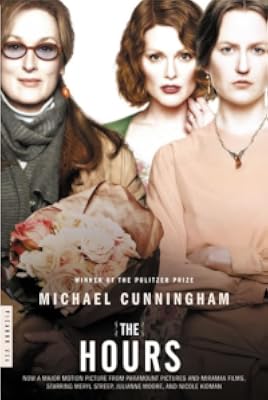
lucyknows The Reader could be successfully paired with Enduring Love for English Studies. In addition either book could also be be paired with the film The Talented Mr Ripley under the theme of obsession
12



Johanna11 Although the books are very different in many respects, both are about Berlin after WWII and about Germans during WWII and after.
02
1Owlette Although very different in many ways, [The Reader] and [Brokeback Mountain] are both similarly devastating and concentrated in their impact.
25
AlisonY Written by a German child who became a high-ranking leader of the Hitler Youth, this autobiography picks up on the theme from 'The Reader' about what made some people join the Nazi party

Julia by Otto de Kat
charl08 Both novels deal with the after effects of Nazism, felt many years after the war ends.


bluepiano Shortly after WWII a teenager falls with gusto of course into an affair with an older woman who also played a part in the war. She too is a criminal. Richer & more re-readable.


Member Reviews
The Publisher Says: Hailed for its coiled eroticism and the moral claims it makes upon the reader, this mesmerizing novel is a story of love and secrets, horror and compassion, unfolding against the haunted landscape of postwar Germany.
When he falls ill on his way home from school, fifteen-year-old Michael Berg is rescued by Hanna, a woman twice his age. In time she becomes his lover—then she inexplicably disappears. When Michael next sees her, he is a young law student, and she is on trial for a hideous crime. As he watches her refuse to defend her innocence, Michael gradually realizes that Hanna may be guarding a secret she considers more shameful than murder.
I RECEIVED AN ARC FROM THE PUBLISHER. THANK YOU.
My Review: Another read I show more fastened on as I got my Little Free Library bag ready to go. When I won this from, I think, a website now long gone's giveaway, I was under no obligation to review it. I didn't want to...my ephebeophile mother's long, long, long shadow over my life, her dead hands on my emotional neck still tightening spasmodically should I dare for a moment to forget to be unhappy, gave me a terrible and utter avoidance complex for this story.
There it is, the unvarnished solipsism of Surviving. The truth is we're all young Berg, we're all fucked-up Hanna. We can't make clean breaks with the past because the past is our inner self, our scaffolding. Young Berg learns this before Hanna puts him under the pressure and painful obligation of loving a broken thing.
And the tectonic pressures are too much for him to bear. They always are, he's not weak or defective. He's just...selfish:
One expects this in a boy. But young Berg will only ever be a boy. Hanna did that to him...Hanna enabled that in him.
And there, at the end of the book, was my source of discontent made plain to me: This entire louche passage in Berg's life...has not meaning whatever. Neither did the similar passage in my own life. They just...were...and they don't mean much to anyone but me.
So why'd I read this again? show less
When he falls ill on his way home from school, fifteen-year-old Michael Berg is rescued by Hanna, a woman twice his age. In time she becomes his lover—then she inexplicably disappears. When Michael next sees her, he is a young law student, and she is on trial for a hideous crime. As he watches her refuse to defend her innocence, Michael gradually realizes that Hanna may be guarding a secret she considers more shameful than murder.
I RECEIVED AN ARC FROM THE PUBLISHER. THANK YOU.
My Review: Another read I show more fastened on as I got my Little Free Library bag ready to go. When I won this from, I think, a website now long gone's giveaway, I was under no obligation to review it. I didn't want to...my ephebeophile mother's long, long, long shadow over my life, her dead hands on my emotional neck still tightening spasmodically should I dare for a moment to forget to be unhappy, gave me a terrible and utter avoidance complex for this story.
Does everyone feel this way? When I was young, I was perpetually overconfident or insecure. Either I felt completely useless, unattractive, and worthless, or that I was pretty much a success, and everything I did was bound to succeed. When I was confident, I could overcome the hardest challenges. But all it took was the smallest setback for me to be sure that I was utterly worthless. Regaining my self-confidence had nothing to do with success...whether I experienced it as a failure or triumph was utterly dependent on my mood.
–and–
Exploration! Exploring the past! We students in the camps seminar considered ourselves radical explorers. We tore open the windows and let in the air, the wind that finally whirled away the dust that society had permitted to settle over the horrors of the past. We made sure people could see. And we placed no reliance on legal scholarship. It was evident to us that there had to be convictions. It was just as evident as conviction of this or that camp guard or police enforcer was only the prelude. The generation that had been served by the guards and enforcers, or had done nothing to stop them, or had not banished them from its midst as it could have done after 1945, was in the dock, and we explored it, subjected it to trial by daylight, and condemned it to shame.
There it is, the unvarnished solipsism of Surviving. The truth is we're all young Berg, we're all fucked-up Hanna. We can't make clean breaks with the past because the past is our inner self, our scaffolding. Young Berg learns this before Hanna puts him under the pressure and painful obligation of loving a broken thing.
The tectonic layers of our lives rest so tightly one on top of the other that we always come up against earlier events in later ones, not as matter that has been fully formed and pushed aside, but absolutely present and alive. I understand this. Nonetheless, I sometimes find it hard to bear.
And the tectonic pressures are too much for him to bear. They always are, he's not weak or defective. He's just...selfish:
I didn't like the way I looked, the way I dressed and moved, what I achieved and what I felt I was worth. But there was so much energy in me, such belief that one day I'd be handsome and clever and superior and admired, such anticipation when I met new people and new situations. Is that what makes me sad? The eagerness and belief that filled me then and exacted a pledge from life that life could never fulfill? Sometimes I see the same eagerness and belief in the faces of children and teenagers and the sight brings back the same sadness I feel in remembering myself.
One expects this in a boy. But young Berg will only ever be a boy. Hanna did that to him...Hanna enabled that in him.
Sometimes the memory of happiness cannot stay true because it ended unhappily. Because happiness is only real if it lasts forever? Because things always end painfully if they contained pain, conscious or unconscious, all along? But what is unconscious, unrecognized pain?
–and–
At first I wanted to write our story in order to be free of it. But the memories wouldn’t come back for that. Then I realized our story was slipping away from me and I wanted to recapture it by writing, but that didn’t coax up the memories either. For the last few years I’ve left our story alone. I’ve made peace with it. And it came back, detail by detail and in such a fully rounded fashion, with its own direction and its own sense of completion, that it no longer makes me sad. What a sad story, I thought for so long. Not that I now think it was happy. But I think it is true, and thus the question of whether it is sad or happy has no meaning whatever.
And there, at the end of the book, was my source of discontent made plain to me: This entire louche passage in Berg's life...has not meaning whatever. Neither did the similar passage in my own life. They just...were...and they don't mean much to anyone but me.
So why'd I read this again? show less
(Contains spoilers.)
I chose to read this book at a difficult time without knowing enough about it. I had no idea it would effect me this deeply.
I had a very recent loss of a sibling. Just 9 days ago, in fact. He was a "bad person" who left damage behind. I hadn't spoken to him for a year, and didn't reply to a text a few months back where he apologized and told me how much he loved me. I was hardened and thought I was "done." And yet, only now I know I really wasn't. And I know, even before reading this book, my brother wasn't an all "bad person." More accurately, he was a struggling, maybe broken person and those people often cause harm to others in addition to themselves. Thus, the themes in this book were more than I bargained for show more at this particular time. Or maybe, I picked it up to read at this exact time with a subconscious awareness that it would be what I needed.
My personal details aside, The Reader was incredibly powerful. I had read some lukewarm reviews here, a number describing it as "flat." I wouldn't describe it as flat, or at least not unintentionally flat. Me, I would describe it as reserved and often cool. That seems appropriate to me in the context of the story. Young Michael Berg had been betrayed by older Hanna Schmitz , but in the face of the utter enormity of the crime committed by her, a numbed reaction seems the best available one, especially for a young person with a secret, inappropriate affair to keep hidden. How to let in so many feelings -- the epic mix of personal, historic, and vastly terrible? So instead he felt numb.
I also watched the very good movie right after reading the book, but it missed the mark in some important ways. It was terribly important but not conveyed in the film that Hanna did feel unspoken guilt, as per the description by the warden about her later years in prison. She was punishing herself. Then of course, committed the ultimate self punishment. It wasn't, though, for the sake of love or shame directed toward Michael as was implied in the movie, but for the sake of the dead and her guilt. It was as if after learning to read, the shame she had concentrated her whole life on keeping hidden, she then was left with the worse shame she had never faced before.
Schlink depicted this time frame -- the second German generation after WWII -- with so much complexity of emotion and the effects on relationships of the second generation toward their parents and others, the culpable previous generation (Michael and Hanna), that such complexity knocked me out of my self-righteousness (as we are when we condemn what happened then and know that we would have acted differently). I felt unsteady in a rolling sea of horror, angry that ordinary people just like me didn't act differently. I admired Schlink's subtle depiction of the Jewish daughter who survived and her reaction to Hanna's will. In contrast, the movie seemed heavy handed to me, but I was frozen with the power of the movie line, where she says the camps were not universities, not places to go to learn. In the book, more nuanced and subtle, she also rejects the responsibility of Hanna's money and withholds atonement but keeps the tin. And that's all. The readers are left to go to the places we needed to go with that simple keeping of the tin.
This isn't a great review. But the book is. It's the most powerful book I've read in a while. It mixed in with my personal revelations of the past days but literature should do that. It should stir us up, make us feel uncertain, make us see things we turned away from before. Important works can shine light into the darker corners, not to give us the answers, but to make us pay attention to important questions we thought we already knew all the answers to. show less
I chose to read this book at a difficult time without knowing enough about it. I had no idea it would effect me this deeply.
I had a very recent loss of a sibling. Just 9 days ago, in fact. He was a "bad person" who left damage behind. I hadn't spoken to him for a year, and didn't reply to a text a few months back where he apologized and told me how much he loved me. I was hardened and thought I was "done." And yet, only now I know I really wasn't. And I know, even before reading this book, my brother wasn't an all "bad person." More accurately, he was a struggling, maybe broken person and those people often cause harm to others in addition to themselves. Thus, the themes in this book were more than I bargained for show more at this particular time. Or maybe, I picked it up to read at this exact time with a subconscious awareness that it would be what I needed.
My personal details aside, The Reader was incredibly powerful. I had read some lukewarm reviews here, a number describing it as "flat." I wouldn't describe it as flat, or at least not unintentionally flat. Me, I would describe it as reserved and often cool. That seems appropriate to me in the context of the story. Young Michael Berg had been betrayed by older Hanna Schmitz , but in the face of the utter enormity of the crime committed by her, a numbed reaction seems the best available one, especially for a young person with a secret, inappropriate affair to keep hidden. How to let in so many feelings -- the epic mix of personal, historic, and vastly terrible? So instead he felt numb.
I also watched the very good movie right after reading the book, but it missed the mark in some important ways. It was terribly important but not conveyed in the film that Hanna did feel unspoken guilt, as per the description by the warden about her later years in prison. She was punishing herself. Then of course, committed the ultimate self punishment. It wasn't, though, for the sake of love or shame directed toward Michael as was implied in the movie, but for the sake of the dead and her guilt. It was as if after learning to read, the shame she had concentrated her whole life on keeping hidden, she then was left with the worse shame she had never faced before.
Schlink depicted this time frame -- the second German generation after WWII -- with so much complexity of emotion and the effects on relationships of the second generation toward their parents and others, the culpable previous generation (Michael and Hanna), that such complexity knocked me out of my self-righteousness (as we are when we condemn what happened then and know that we would have acted differently). I felt unsteady in a rolling sea of horror, angry that ordinary people just like me didn't act differently. I admired Schlink's subtle depiction of the Jewish daughter who survived and her reaction to Hanna's will. In contrast, the movie seemed heavy handed to me, but I was frozen with the power of the movie line, where she says the camps were not universities, not places to go to learn. In the book, more nuanced and subtle, she also rejects the responsibility of Hanna's money and withholds atonement but keeps the tin. And that's all. The readers are left to go to the places we needed to go with that simple keeping of the tin.
This isn't a great review. But the book is. It's the most powerful book I've read in a while. It mixed in with my personal revelations of the past days but literature should do that. It should stir us up, make us feel uncertain, make us see things we turned away from before. Important works can shine light into the darker corners, not to give us the answers, but to make us pay attention to important questions we thought we already knew all the answers to. show less
The Reader by Bernhard Schlink was originally published in Germany in 1995 and is a beautifully written story of love, compassion and secrets as Michael, a young German boy becomes involved with Hanna, a woman twice his age.
They become lovers until she suddenly moves on, leaving him wondering if he had done something to drive her away. A number of years pass by and now, as a young law student, he sees Hanna again. This time she is a defendant in a war crimes trial. Michael is concerned as he watches her refuse to defend herself and he gradually realizes that she is covering up something that she considers more shameful than the things she is being accused of.
The Reader is a disturbing story made all the more devastating by it’s show more heart-felt simplicity. It is both a coming-of-age tale and the story of a second generation German coming to terms with the Holocaust. The story makes a strong impact and I know that I will be thinking about this haunting story of guilt and longing for some time. show less
They become lovers until she suddenly moves on, leaving him wondering if he had done something to drive her away. A number of years pass by and now, as a young law student, he sees Hanna again. This time she is a defendant in a war crimes trial. Michael is concerned as he watches her refuse to defend herself and he gradually realizes that she is covering up something that she considers more shameful than the things she is being accused of.
The Reader is a disturbing story made all the more devastating by it’s show more heart-felt simplicity. It is both a coming-of-age tale and the story of a second generation German coming to terms with the Holocaust. The story makes a strong impact and I know that I will be thinking about this haunting story of guilt and longing for some time. show less
Vor vielleicht einem Jahr kam meine Tochter auf mich zu und fragte, ob wir eine Ausgabe von Schlinks “Der Vorleser” besäßen. Sie brauche es für den Deutsch-Leistungskurs in der Schule.
Ein Vierteljahrhundert vorher war Schlinks Roman gerade erschienen und machte Furore. Meine damalige Freundin schenkte es mir 1995 zum 20. Geburtstag und ich habe es verschlungen und geliebt.
Mir war ein wenig bange, als ich das Buch zurückerhielt und durchaus nicht zu Unrecht, denn für meine Tochter überwog die Kritik. (Und außerdem: Ein Buch, das heute in den Lehrplänen steht? Das ich als junger Mann geliebt hatte? Konnte das heute noch etwas sein?)
Ich hingegen hatte einen großartigen Roman über Schuld, Pflicht und Verbundenheit im show more Hinterkopf.
So pirschte ich mich kürzlich mit etwas flauem Gefühl in der Magengegend an eines meiner Lieblingsbücher nach so langer Zeit erneut heran. In Wahrheit allerdings hat die Geschichte mir aufgelauert, mich harmlos-scheinend geködert und dann wie einst überfallen, mitgerissen und völlig eingenommen...
Michael Berg, beim ersten Zusammentreffen gerade einmal 15, begegnet zufällig Hanna Schmitz und wird fortan nie mehr wirklich frei von ihr sein.
Schnell entwickelt sich zwischen beiden eine eigenartige Routine: Vor allem anderen liest Michael Hanna vor.
»Vorlesen, duschen, lieben und noch ein bißchen beieinanderliegen – das wurde das Ritual unserer Treffen.«
Doch diese Treffen nehmen ein jähes Ende als Hanna ohne ein Wort verschwindet. Für lange Jahre verschwindet sie aus Michaels Umfeld, aber nicht aus seinem Kopf. Er legt sich einen Panzer aus Arroganz zu, um nur nicht wieder derart verletzt zu werden, denn er hat »die Erinnerung an Hanna zwar verabschiedet, aber nicht bewältigt«.
Ausgerechnet im Gerichtssaal eines Prozesses gegen Wärterinnen des Konzentrationslagers Auschwitz trifft Michael als Jura-Student erneut auf Hanna, die dort angeklagt ist. Schnell wird klar: Hanna ist schuldig.
Für Michael wird aber auch klar, daß Hanna Analphabetin ist. Im Laufe des Verfahrens versteht er: Hanna wird jede Strafe auf sich nehmen, will aber um keinen Preis ihren Analphabetismus bloßgestellt wissen.
Michael kann die Bilder, die er von “seiner” Hanna mitnahm nicht mit denjenigen der KZ-Wärterin in Einklang bringen. Zeitweise verschwimmen beide gar miteinander.
Hanna wiederum weiß um ihre Schuld, sie bestreitet nicht die Fakten, aber während des Prozesses versteht sie dennoch nicht, wie es dazu kommen konnte.
Letztlich wird Hanna zu lebenslangem Gefängnis verurteilt und verschwindet somit wieder für Jahre aus Michael Bergs Leben - bis dieser beginnt, laut zu lesen und dies aufzunehmen. Die so entstehenden Kassetten-Aufnahmen schickt er Hanna ins Gefängnis - über einen Zeitraum von zehn Jahren. Noch immer ist Berg gewissermaßen gefangen in ihrem Bann und ist einerseits stolz auf sie, weil sie Lesen und Schreiben gelernt hat, gleichzeitig aber »traurig über sie, traurig über ihr verspätetes und verfehltes Leben«.
Als Hanna nach 18 Jahren im Gefängnis begnadigt wird, bereitet Berg “draußen” alles für sie vor und besucht sie im Gefängnis. Doch wiederum bekommt sein Bild von Hanna Risse; er hat sie als “immer frisch” riechend in Erinnerung und trifft auf eine Hanna, die, neben ihm sitzend, wie eine alte Frau riecht.
Hanna, die spätestens nach diesem Besuch weiß, daß das Vorlesen nunmehr wirklich zu Ende ist und sie sich letztlich auch von Berg nichts versprechen kann und darf, nimmt sich daraufhin das Leben. Ihre Beschäftigung mit dem KZ-System, dessen Bestandteil sie war, kann sie nicht rehabilitieren. Auschwitz kann man nicht vergeben und darf es nicht vergessen.
Auch Michael Berg wird nie wirklich von der gemeinsamen Geschichte frei sein. Er ist und bleibt gefangen in der Ambivalenz seiner subjektiven Geschichte mit Hanna.
Ich wiederum kann diesem Buch nicht gerecht werden. Was auch immer ich schreibe, bleibt hinter meinen eigenen Erwartungen zurück. Auch 26 Jahre nachdem ich es zum ersten Mal las, bleibt es mir ein unvergeßliches Meisterwerk.
Fünf von fünf Sternen und eine unbedingte Lese-Empfehlung.
»Die Schichten unseres Lebens ruhen so dicht aufeinander auf, daß uns im Späteren immer Früheres begegnet, nicht als Abgetanes und Erledigtes, sondern gegenwärtig und lebendig. Ich verstehe das. Trotzdem finde ich es manchmal schwer erträglich.«
Blog | Facebook | Twitter | Instagram show less
Ein Vierteljahrhundert vorher war Schlinks Roman gerade erschienen und machte Furore. Meine damalige Freundin schenkte es mir 1995 zum 20. Geburtstag und ich habe es verschlungen und geliebt.
Mir war ein wenig bange, als ich das Buch zurückerhielt und durchaus nicht zu Unrecht, denn für meine Tochter überwog die Kritik. (Und außerdem: Ein Buch, das heute in den Lehrplänen steht? Das ich als junger Mann geliebt hatte? Konnte das heute noch etwas sein?)
Ich hingegen hatte einen großartigen Roman über Schuld, Pflicht und Verbundenheit im show more Hinterkopf.
So pirschte ich mich kürzlich mit etwas flauem Gefühl in der Magengegend an eines meiner Lieblingsbücher nach so langer Zeit erneut heran. In Wahrheit allerdings hat die Geschichte mir aufgelauert, mich harmlos-scheinend geködert und dann wie einst überfallen, mitgerissen und völlig eingenommen...
Michael Berg, beim ersten Zusammentreffen gerade einmal 15, begegnet zufällig Hanna Schmitz und wird fortan nie mehr wirklich frei von ihr sein.
Schnell entwickelt sich zwischen beiden eine eigenartige Routine: Vor allem anderen liest Michael Hanna vor.
»Vorlesen, duschen, lieben und noch ein bißchen beieinanderliegen – das wurde das Ritual unserer Treffen.«
Doch diese Treffen nehmen ein jähes Ende als Hanna ohne ein Wort verschwindet. Für lange Jahre verschwindet sie aus Michaels Umfeld, aber nicht aus seinem Kopf. Er legt sich einen Panzer aus Arroganz zu, um nur nicht wieder derart verletzt zu werden, denn er hat »die Erinnerung an Hanna zwar verabschiedet, aber nicht bewältigt«.
Ausgerechnet im Gerichtssaal eines Prozesses gegen Wärterinnen des Konzentrationslagers Auschwitz trifft Michael als Jura-Student erneut auf Hanna, die dort angeklagt ist. Schnell wird klar: Hanna ist schuldig.
Für Michael wird aber auch klar, daß Hanna Analphabetin ist. Im Laufe des Verfahrens versteht er: Hanna wird jede Strafe auf sich nehmen, will aber um keinen Preis ihren Analphabetismus bloßgestellt wissen.
Michael kann die Bilder, die er von “seiner” Hanna mitnahm nicht mit denjenigen der KZ-Wärterin in Einklang bringen. Zeitweise verschwimmen beide gar miteinander.
Hanna wiederum weiß um ihre Schuld, sie bestreitet nicht die Fakten, aber während des Prozesses versteht sie dennoch nicht, wie es dazu kommen konnte.
Letztlich wird Hanna zu lebenslangem Gefängnis verurteilt und verschwindet somit wieder für Jahre aus Michael Bergs Leben - bis dieser beginnt, laut zu lesen und dies aufzunehmen. Die so entstehenden Kassetten-Aufnahmen schickt er Hanna ins Gefängnis - über einen Zeitraum von zehn Jahren. Noch immer ist Berg gewissermaßen gefangen in ihrem Bann und ist einerseits stolz auf sie, weil sie Lesen und Schreiben gelernt hat, gleichzeitig aber »traurig über sie, traurig über ihr verspätetes und verfehltes Leben«.
Als Hanna nach 18 Jahren im Gefängnis begnadigt wird, bereitet Berg “draußen” alles für sie vor und besucht sie im Gefängnis. Doch wiederum bekommt sein Bild von Hanna Risse; er hat sie als “immer frisch” riechend in Erinnerung und trifft auf eine Hanna, die, neben ihm sitzend, wie eine alte Frau riecht.
Hanna, die spätestens nach diesem Besuch weiß, daß das Vorlesen nunmehr wirklich zu Ende ist und sie sich letztlich auch von Berg nichts versprechen kann und darf, nimmt sich daraufhin das Leben. Ihre Beschäftigung mit dem KZ-System, dessen Bestandteil sie war, kann sie nicht rehabilitieren. Auschwitz kann man nicht vergeben und darf es nicht vergessen.
Auch Michael Berg wird nie wirklich von der gemeinsamen Geschichte frei sein. Er ist und bleibt gefangen in der Ambivalenz seiner subjektiven Geschichte mit Hanna.
Ich wiederum kann diesem Buch nicht gerecht werden. Was auch immer ich schreibe, bleibt hinter meinen eigenen Erwartungen zurück. Auch 26 Jahre nachdem ich es zum ersten Mal las, bleibt es mir ein unvergeßliches Meisterwerk.
Fünf von fünf Sternen und eine unbedingte Lese-Empfehlung.
»Die Schichten unseres Lebens ruhen so dicht aufeinander auf, daß uns im Späteren immer Früheres begegnet, nicht als Abgetanes und Erledigtes, sondern gegenwärtig und lebendig. Ich verstehe das. Trotzdem finde ich es manchmal schwer erträglich.«
Blog | Facebook | Twitter | Instagram show less
It's been a few years since I tackled any fictional works from the post war German era that attempt to deal with the past, but I am glad that I chose this book to take the plunge with. The premise of the novel begins with an illicit love affair between a 16 and a 36 year old, but this is seriously not the value of the book (even though I'm sure veiled eroticism is what got it listed as an Oprah book club pick). The larger themes of overcoming the past are overarching, but what struck me was how humanely Hanna (a former concentration camp guard) is portrayed. Her lifelong lie to hide her illiteracy which is the cause of her eventual prison sentence (because she would rather retain her dignity than admit that she was incapable of show more commiting the crimes of which she is accused) gives the reader a chance to see the human face behind a person who would normally just be labelled as a Nazi collaborator. show less
If We Can’t Forgive, Can We Understand?
After you read Bernhard Schlink’s The Reader, you won’t be surprised that upon publication controversy surrounded it, and with each new reader certainly still does. That’s because the novel stands as a metaphor for two generations of Germans, one that lived through and participated actively or passively in the Holocaust, the second that followed left to reconcile their love of family and what members did or did not do in Nazi Germany.
Schlink structures the novel as a three act drama. In the first act, Michael Berg, a boy of 15 in 1958, falls ill. A streetcar conductor, Hanna Schmitz, 36, cleans him up and helps him home. After recovering, Michael searches her out to thank her. They start an show more affair and he falls in love with her. When Hanna reveals that she enjoys being read to, he begins reading to her after their sexual encounters. The relationship proves tumultuous. Finally, she leaves him abruptly with no forwarding information.
The second act picks up in the mid-60s, with Michael in law school. As part of a research project, he and his class attend a war crimes trial. On trial are female guards that had locked 300 Jewish women from Auschwitz in a church during an Allied bombing raid. When the church caught fire, none of the guards opened the locked doors to free the women, who, as a result, burned to death. A survivor wrote a book about the incident. Among the defendants is Hanna. Not only was she a guard, she was a member of the Waffen-SS. This plunges Michael into a moral dilemma and raises all kinds of questions about moral responsibility and amorality, about awareness and willful ignorance. Among other things, he realizes that Hanna is illiterate in a literate nation, that it is her greatest shame to be hidden at all costs, a metaphorical casting of an entire nation. She takes on the full brunt of responsibly for the incident rather than expose her illiteracy, which could be interpreted as a passive nation shamed by their inaction or acceptance of circumstances. In the end, Hanna receives the harshest prison sentence.
With the third act, many years have passed and much has transpired in Michael’s life. He is a successful historian of law; he has married and divorced; he has a daughter. Through all this, he cannot get Hanna out of his mind. He begins sending her recordings of books he had read into a recorder. He also discovers that she has taught herself to read, and she is reading accounts of the Holocaust written by survivors. The prison warden contacts Micheal as her release date approaches. He makes arrangements for an apartment and a job for her. The release date, however, never arrives. Hanna hangs herself. Her last request is for Michael to give all her money to the survivor of the church fire, the author. He travels to New York after a conference to meet the woman. He treats her as a confessor, opening up about his life with family, wife, and Hanna. While expressing understanding, the woman refuses the money because it feels like absolution to her and she can’t grant that. He gives the money to a Jewish charity combating illiteracy.
Much can be read into this novel and has been. And not all readers will be satisfied by any one explanation. But the metaphor of generational conflict does seems most satisfying. Schlink reduces this down to the relationship between young Michael and older Hanna, people from the two generations. They love each other. He can’t fully understand her, why she lives as she does, why she would turn down a promotion, why she would run away. Later, he has to understand how she could have done what she had done, why she decided to join the Waffen-SS instead of take a promotion, why her illiteracy, a stand-in for the moral illiteracy of the German people, should be a reason or excuse, why she felt so misunderstood (again, as some in her generation did). This is the strength of the novel, the questions it raises and the debate it sets off a reader’s mind. Is this black and white, this not that, or is there some ambiguity here? Can we understand why Germans went along with mass murder, at the least? Is the debate dead, as it seems for Michael in the end when he visits Hanna’s grave for one time and never again? New readers will wrestle with their own conflicted feelings, that is certain. show less
After you read Bernhard Schlink’s The Reader, you won’t be surprised that upon publication controversy surrounded it, and with each new reader certainly still does. That’s because the novel stands as a metaphor for two generations of Germans, one that lived through and participated actively or passively in the Holocaust, the second that followed left to reconcile their love of family and what members did or did not do in Nazi Germany.
Schlink structures the novel as a three act drama. In the first act, Michael Berg, a boy of 15 in 1958, falls ill. A streetcar conductor, Hanna Schmitz, 36, cleans him up and helps him home. After recovering, Michael searches her out to thank her. They start an show more affair and he falls in love with her. When Hanna reveals that she enjoys being read to, he begins reading to her after their sexual encounters. The relationship proves tumultuous. Finally, she leaves him abruptly with no forwarding information.
The second act picks up in the mid-60s, with Michael in law school. As part of a research project, he and his class attend a war crimes trial. On trial are female guards that had locked 300 Jewish women from Auschwitz in a church during an Allied bombing raid. When the church caught fire, none of the guards opened the locked doors to free the women, who, as a result, burned to death. A survivor wrote a book about the incident. Among the defendants is Hanna. Not only was she a guard, she was a member of the Waffen-SS. This plunges Michael into a moral dilemma and raises all kinds of questions about moral responsibility and amorality, about awareness and willful ignorance. Among other things, he realizes that Hanna is illiterate in a literate nation, that it is her greatest shame to be hidden at all costs, a metaphorical casting of an entire nation. She takes on the full brunt of responsibly for the incident rather than expose her illiteracy, which could be interpreted as a passive nation shamed by their inaction or acceptance of circumstances. In the end, Hanna receives the harshest prison sentence.
With the third act, many years have passed and much has transpired in Michael’s life. He is a successful historian of law; he has married and divorced; he has a daughter. Through all this, he cannot get Hanna out of his mind. He begins sending her recordings of books he had read into a recorder. He also discovers that she has taught herself to read, and she is reading accounts of the Holocaust written by survivors. The prison warden contacts Micheal as her release date approaches. He makes arrangements for an apartment and a job for her. The release date, however, never arrives. Hanna hangs herself. Her last request is for Michael to give all her money to the survivor of the church fire, the author. He travels to New York after a conference to meet the woman. He treats her as a confessor, opening up about his life with family, wife, and Hanna. While expressing understanding, the woman refuses the money because it feels like absolution to her and she can’t grant that. He gives the money to a Jewish charity combating illiteracy.
Much can be read into this novel and has been. And not all readers will be satisfied by any one explanation. But the metaphor of generational conflict does seems most satisfying. Schlink reduces this down to the relationship between young Michael and older Hanna, people from the two generations. They love each other. He can’t fully understand her, why she lives as she does, why she would turn down a promotion, why she would run away. Later, he has to understand how she could have done what she had done, why she decided to join the Waffen-SS instead of take a promotion, why her illiteracy, a stand-in for the moral illiteracy of the German people, should be a reason or excuse, why she felt so misunderstood (again, as some in her generation did). This is the strength of the novel, the questions it raises and the debate it sets off a reader’s mind. Is this black and white, this not that, or is there some ambiguity here? Can we understand why Germans went along with mass murder, at the least? Is the debate dead, as it seems for Michael in the end when he visits Hanna’s grave for one time and never again? New readers will wrestle with their own conflicted feelings, that is certain. show less
If We Can’t Forgive, Can We Understand?
After you read Bernhard Schlink’s The Reader, you won’t be surprised that upon publication controversy surrounded it, and with each new reader certainly still does. That’s because the novel stands as a metaphor for two generations of Germans, one that lived through and participated actively or passively in the Holocaust, the second that followed left to reconcile their love of family and what members did or did not do in Nazi Germany.
Schlink structures the novel as a three act drama. In the first act, Michael Berg, a boy of 15 in 1958, falls ill. A streetcar conductor, Hanna Schmitz, 36, cleans him up and helps him home. After recovering, Michael searches her out to thank her. They start an show more affair and he falls in love with her. When Hanna reveals that she enjoys being read to, he begins reading to her after their sexual encounters. The relationship proves tumultuous. Finally, she leaves him abruptly with no forwarding information.
The second act picks up in the mid-60s, with Michael in law school. As part of a research project, he and his class attend a war crimes trial. On trial are female guards that had locked 300 Jewish women from Auschwitz in a church during an Allied bombing raid. When the church caught fire, none of the guards opened the locked doors to free the women, who, as a result, burned to death. A survivor wrote a book about the incident. Among the defendants is Hanna. Not only was she a guard, she was a member of the Waffen-SS. This plunges Michael into a moral dilemma and raises all kinds of questions about moral responsibility and amorality, about awareness and willful ignorance. Among other things, he realizes that Hanna is illiterate in a literate nation, that it is her greatest shame to be hidden at all costs, a metaphorical casting of an entire nation. She takes on the full brunt of responsibly for the incident rather than expose her illiteracy, which could be interpreted as a passive nation shamed by their inaction or acceptance of circumstances. In the end, Hanna receives the harshest prison sentence.
With the third act, many years have passed and much has transpired in Michael’s life. He is a successful historian of law; he has married and divorced; he has a daughter. Through all this, he cannot get Hanna out of his mind. He begins sending her recordings of books he had read into a recorder. He also discovers that she has taught herself to read, and she is reading accounts of the Holocaust written by survivors. The prison warden contacts Micheal as her release date approaches. He makes arrangements for an apartment and a job for her. The release date, however, never arrives. Hanna hangs herself. Her last request is for Michael to give all her money to the survivor of the church fire, the author. He travels to New York after a conference to meet the woman. He treats her as a confessor, opening up about his life with family, wife, and Hanna. While expressing understanding, the woman refuses the money because it feels like absolution to her and she can’t grant that. He gives the money to a Jewish charity combating illiteracy.
Much can be read into this novel and has been. And not all readers will be satisfied by any one explanation. But the metaphor of generational conflict does seems most satisfying. Schlink reduces this down to the relationship between young Michael and older Hanna, people from the two generations. They love each other. He can’t fully understand her, why she lives as she does, why she would turn down a promotion, why she would run away. Later, he has to understand how she could have done what she had done, why she decided to join the Waffen-SS instead of take a promotion, why her illiteracy, a stand-in for the moral illiteracy of the German people, should be a reason or excuse, why she felt so misunderstood (again, as some in her generation did). This is the strength of the novel, the questions it raises and the debate it sets off a reader’s mind. Is this black and white, this not that, or is there some ambiguity here? Can we understand why Germans went along with mass murder, at the least? Is the debate dead, as it seems for Michael in the end when he visits Hanna’s grave for one time and never again? New readers will wrestle with their own conflicted feelings, that is certain. show less
After you read Bernhard Schlink’s The Reader, you won’t be surprised that upon publication controversy surrounded it, and with each new reader certainly still does. That’s because the novel stands as a metaphor for two generations of Germans, one that lived through and participated actively or passively in the Holocaust, the second that followed left to reconcile their love of family and what members did or did not do in Nazi Germany.
Schlink structures the novel as a three act drama. In the first act, Michael Berg, a boy of 15 in 1958, falls ill. A streetcar conductor, Hanna Schmitz, 36, cleans him up and helps him home. After recovering, Michael searches her out to thank her. They start an show more affair and he falls in love with her. When Hanna reveals that she enjoys being read to, he begins reading to her after their sexual encounters. The relationship proves tumultuous. Finally, she leaves him abruptly with no forwarding information.
The second act picks up in the mid-60s, with Michael in law school. As part of a research project, he and his class attend a war crimes trial. On trial are female guards that had locked 300 Jewish women from Auschwitz in a church during an Allied bombing raid. When the church caught fire, none of the guards opened the locked doors to free the women, who, as a result, burned to death. A survivor wrote a book about the incident. Among the defendants is Hanna. Not only was she a guard, she was a member of the Waffen-SS. This plunges Michael into a moral dilemma and raises all kinds of questions about moral responsibility and amorality, about awareness and willful ignorance. Among other things, he realizes that Hanna is illiterate in a literate nation, that it is her greatest shame to be hidden at all costs, a metaphorical casting of an entire nation. She takes on the full brunt of responsibly for the incident rather than expose her illiteracy, which could be interpreted as a passive nation shamed by their inaction or acceptance of circumstances. In the end, Hanna receives the harshest prison sentence.
With the third act, many years have passed and much has transpired in Michael’s life. He is a successful historian of law; he has married and divorced; he has a daughter. Through all this, he cannot get Hanna out of his mind. He begins sending her recordings of books he had read into a recorder. He also discovers that she has taught herself to read, and she is reading accounts of the Holocaust written by survivors. The prison warden contacts Micheal as her release date approaches. He makes arrangements for an apartment and a job for her. The release date, however, never arrives. Hanna hangs herself. Her last request is for Michael to give all her money to the survivor of the church fire, the author. He travels to New York after a conference to meet the woman. He treats her as a confessor, opening up about his life with family, wife, and Hanna. While expressing understanding, the woman refuses the money because it feels like absolution to her and she can’t grant that. He gives the money to a Jewish charity combating illiteracy.
Much can be read into this novel and has been. And not all readers will be satisfied by any one explanation. But the metaphor of generational conflict does seems most satisfying. Schlink reduces this down to the relationship between young Michael and older Hanna, people from the two generations. They love each other. He can’t fully understand her, why she lives as she does, why she would turn down a promotion, why she would run away. Later, he has to understand how she could have done what she had done, why she decided to join the Waffen-SS instead of take a promotion, why her illiteracy, a stand-in for the moral illiteracy of the German people, should be a reason or excuse, why she felt so misunderstood (again, as some in her generation did). This is the strength of the novel, the questions it raises and the debate it sets off a reader’s mind. Is this black and white, this not that, or is there some ambiguity here? Can we understand why Germans went along with mass murder, at the least? Is the debate dead, as it seems for Michael in the end when he visits Hanna’s grave for one time and never again? New readers will wrestle with their own conflicted feelings, that is certain. show less
Members
- Recently Added By
Published Reviews
ThingScore 88
What starts out as a story of sexual awakening, something that Colette might have written, a ''Cherie and the Last of Cherie'' set in Germany after the war, is suddenly darkened by history and tragic secrets. In the end, one is both moved and disturbed, saddened and confused, and, above all, powerfully affected by a tale that seems to bear with it the weight of truth.
added by Shortride
Schlink's daring fusion of 19th-century post-romantic, post-fairy-tale models with the awful history of the 20th century makes for a moving, suggestive and ultimately hopeful work, an original contribution to the impossible genre with the questionable name of Vergangenheitsbewaltigung, ''coming to terms with the past.''
added by Shortride
Lists

1001 Books You Must Read Before You Die
1,448 works; 1,132 members

The Guardian's 1000 Novels Everyone Must Read
1,005 works; 550 members

Read the book and saw the movie
1,170 works; 195 members

Best Historical Fiction
620 works; 261 members

Best books about books
209 works; 104 members

German Literature
518 works; 55 members

Unread books
1,063 works; 82 members

Oprah's Book Club (original and 2.0)
91 works; 21 members
20th Century Literature
1,161 works; 55 members

Historical Fiction
889 works; 91 members

Women in War
148 works; 30 members

Books That Made Me Cry
199 works; 105 members
EU Fiction: 1950-2022
223 works; 70 members

Top Five Books of 2020
982 works; 348 members

Best public-transport fiction
72 works; 17 members

Top Five Books of 2018
802 works; 265 members

International IMPAC Dublin Literary Award
179 works; 6 members

Short and Sweet
245 works; 23 members

1,001 BYMRBYD Concensus
723 works; 27 members

1990s
309 works; 17 members

Most thought-provoking novels
30 works; 28 members

My E-Book Collection - Opinions Welcome
92 works; 10 members
Contemporary Fiction
109 works; 7 members

Books about World War II
241 works; 22 members

Books Read in 2020
4,379 works; 123 members

Books set in Berlin
46 works; 4 members

Liked the Movie Better
12 works; 5 members

A Novel Cure
742 works; 23 members

Secrets Books
94 works; 3 members

Books Read in 2022
5,166 works; 114 members

In der Schule gelesen (Read in school)
13 works; 1 member

A Good Read (Radio 4)
127 works; 1 member
Overdue Podcast
805 works; 9 members

Holocaust
100 works; 11 members

Read in school
24 works; 1 member

World Books
51 works; 4 members
KayStJ's to-read list
1,616 works; 11 members

Allie's List of Books I Want To Read
93 works; 1 member

BBC World Book Club
265 works; 5 members

Llibres que he llegit el 2024
77 works; 1 member

Books Read in 2025
4,091 works; 97 members

Books We Want To Read Again For The First Time
384 works; 160 members

Books in the Bibliography of The Illusion of Conscious Will by Daniel Wegne
273 works; 1 member

Books Read in 2012
816 works; 34 members

Best of World Literature
432 works; 51 members
Author Information

Bernhard Schlink was born in Germany in 1944. He is a professor of law at the University of Berlin and a judge. He is the author of the major international best-selling novel The Reader as well as several prize-winning detective novels that are now being translated into English. He lives in Bonn and Berlin, Germany. (Publisher Fact Sheets) show more Bernhard Schlink is a German Author, Professor, and Judge, born in 1944 in Bielefeld, Germany. He attended the University of Heidelberg and the Free University of Berlin. He is a law professor at Humbolt University of Berlin. He is the author of Flights of Love, a collection of short fiction. His international bestseller, The Reader, won the Hans Fallada Prize, the Prix Laure Bataillon, and the Welt-Literaturpreis of the newspaper Die Welt. His recent work, The Woman on the Stairs, is an international bestseller. (Bowker Author Biography) show less
Some Editions
Awards and Honors
Awards
Distinctions
Notable Lists
Series
Belongs to Publisher Series
Work Relationships
Has the adaptation
Has as a reference guide/companion
Has as a student's study guide
Has as a teacher's guide
Common Knowledge
- Canonical title*
- De voorlezer
- Original title
- Der Vorleser
- Original publication date
- 1995
- People/Characters*
- Michael Berg; Hanna Schmitz; Gertrud Berg; Sophie; Julia Berg
- Important places*
- Heidelberg, Baden-Württemberg, Deutschland
- Important events*
- Tweede Wereldoorlog
- Related movies
- The Reader (2008 | IMDb)
- First words*
- Toen ik vijftien was, had ik geelzucht.
- Last words*
- (Click to show. Warning: May contain spoilers.)Het was de eerste en de enige keer dat ik aan haar graf stond.
- Original language
- German
*Some information comes from Common Knowledge in other languages. Click "Edit" for more information.
Classifications
- Genres
- Fiction and Literature, General Fiction, Historical Fiction, Romance
- DDC/MDS
- 833.914 — Literature & rhetoric German & related literatures German fiction 1900- 1900-1990 1945-1990
- LCC
- PT2680 .L54 .V6713 — Language and Literature German, Dutch and Scandinavian literatures German literature Individual authors or works 1961-2000
- BISAC
Statistics
- Members
- 14,547
- Popularity
- 499
- Reviews
- 410
- Rating
- (3.70)
- Languages
- 30 — Albanian, Catalan, Chinese, Czech, Danish, Dutch, English, Esperanto, Estonian, Finnish, French, German, Greek, Hebrew, Hungarian, Icelandic, Italian, Japanese, Korean, Lithuanian, Norwegian (Bokmål), Polish, Romanian, Russian, Slovak, Slovenian, Spanish, Swedish, Vietnamese, Portuguese (Portugal)
- Media
- Paper, Audiobook, Ebook
- ISBNs
- 173
- UPCs
- 3
- ASINs
- 52