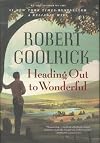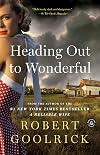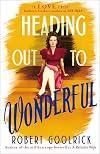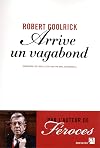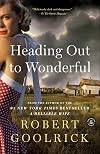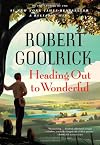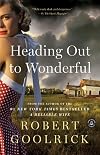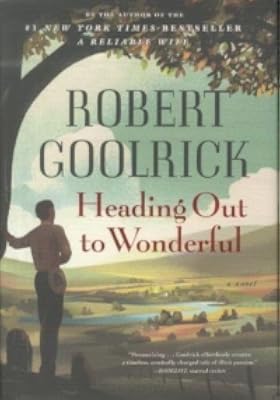
Heading Out to Wonderful
by Robert Goolrick
On This Page
Description
In 1948, a mysterious and charismatic man arrives in a small Virginia town carrying two suitcases; one contains his worldly possessions, the other is full of money. He soon inserts himself into the town's daily life, taking a job in the local butcher shop and befriending the owner and his wife and their son. But the passion that develops between the man and the wife of the town's wealthiest citizen sets in motion a series of events that not only upset the quiet town but threaten to destroy show more both him and the woman. show lessTags
Recommendations




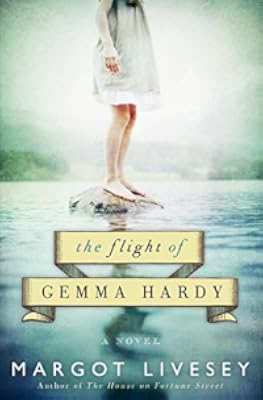
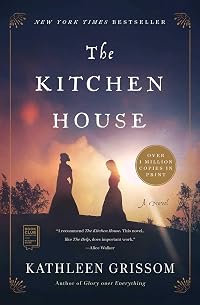
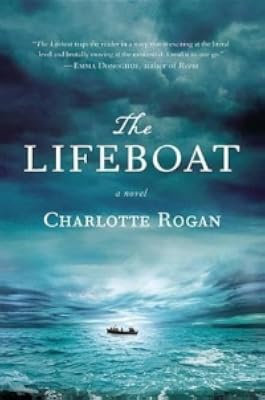

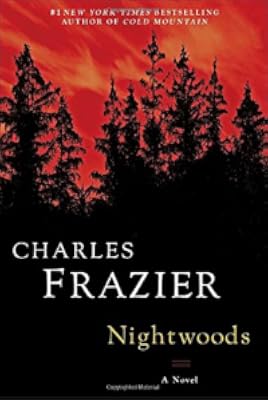


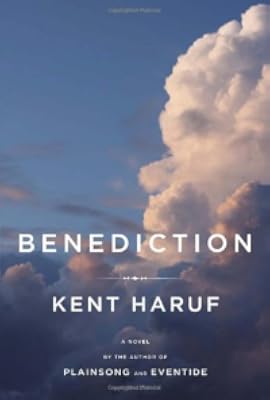
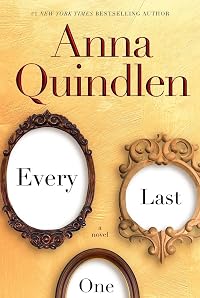
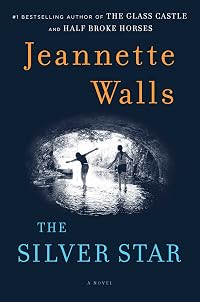
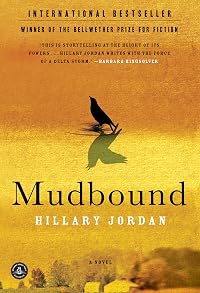


Member Recommendations
Limelite Shared atmosphere and tone. And it's about butchers and knives.
Member Reviews
I loved the writing in this book. "a tiny slice of time in a small town a long time ago." "The river water, the sweet Maury, so fresh and clear, still leaping greenly, the water that flows from the eye of Jesus into the heart of God." So pretty. I liked the story, I loved the characters. I'm not sure I'd have ended it the way Mr. Goolrick did, but it was still a heck of a read.
I read this book last night and it shattered me. The whole time I read it, I was filled with trepidation, not sure if I wanted to go further. Everything was so idyllic, perfect, you just knew something was going to happen. Like the Robert Frost poem, nothing gold can stay. I even had to tweet Jennifer at The Relentless Reader I was so nervous!!
And here is the tricky thing - everything in the book was going swimmingly. I had no reason to be anxious, but Goolrick has a way of creating an atmosphere, and although all was wonderful, it was an ominous wonderful. Charlie Beale arrives in town,a stranger and a drifter living out of his truck on the land he had purchased. He enjoys a cigarette and a glass of whiskey before bed, and never fails show more to write in his diary. He is a butcher who cares about the animals he slaughters not wanting them to experience fear. He gets a job at the local store as a butcher, and befriends the owners, Willie and Alma, and their son Sam. Within a short time, Charlie becomes beloved. His relationship with Sam evolves into one close to that of father and son, and Charlie would never do anything to hurt Sam. Charlie possesses a mastery of whatever he decides to do, and for a while, that is just being a good citizen of Brownsburg. And then Sylvan waltzes into his life, and it all goes to hell.
I had a crush on Charlie, like all the residents of Brownsburg. I thought I understood him, although we know next to nothing about who he was before he came to Brownsburg, what he did, where he got his money. Love will certainly mess a person up! He started doing things that I was uncomfortable with, I trusted him less as a character. I was hoping for redemption, but what I got blew my mind!
I was so emotionally involved in this book, I am tired out today. Charlie Beale is a character I will think about for a long time. If anyone has read this, and wants to talk about it, feel free to email me! I want to avoid spoilers. I would tell anyone to read this book. show less
And here is the tricky thing - everything in the book was going swimmingly. I had no reason to be anxious, but Goolrick has a way of creating an atmosphere, and although all was wonderful, it was an ominous wonderful. Charlie Beale arrives in town,a stranger and a drifter living out of his truck on the land he had purchased. He enjoys a cigarette and a glass of whiskey before bed, and never fails show more to write in his diary. He is a butcher who cares about the animals he slaughters not wanting them to experience fear. He gets a job at the local store as a butcher, and befriends the owners, Willie and Alma, and their son Sam. Within a short time, Charlie becomes beloved. His relationship with Sam evolves into one close to that of father and son, and Charlie would never do anything to hurt Sam. Charlie possesses a mastery of whatever he decides to do, and for a while, that is just being a good citizen of Brownsburg. And then Sylvan waltzes into his life, and it all goes to hell.
I had a crush on Charlie, like all the residents of Brownsburg. I thought I understood him, although we know next to nothing about who he was before he came to Brownsburg, what he did, where he got his money. Love will certainly mess a person up! He started doing things that I was uncomfortable with, I trusted him less as a character. I was hoping for redemption, but what I got blew my mind!
I was so emotionally involved in this book, I am tired out today. Charlie Beale is a character I will think about for a long time. If anyone has read this, and wants to talk about it, feel free to email me! I want to avoid spoilers. I would tell anyone to read this book. show less
Think of how hard it is to reconstruct memories with only the written word: to convey mood and atmosphere; to paint, using only sentences strung together, the color and emotion and sheer force of human passions; to make a landscape come so alive that we can feel the frisson of cold water in a lake or the cruel avoidance of neighbors’ acknowledgments in the street; to enable us to feel lust and taste blood and understand what it is to do the unthinkable. This is precisely what Goolrick can do, like almost no one else.
This is a story with so many layers, that each time you think you know what it is about, another motif occurs to you. In that way – in its paradoxical combination of complexity and precision - it seems acutely real, show more making it both haunting and unforgettable.
Charlie Beale, age 39, comes to Brownsburg, Virginia in 1948 and decides he wants to settle there. He has searched around a lot; he is homesick for a place he has never been. Brownsburg is an insular community but Charlie loves the land and feels right there. He is a butcher by trade, and manages to convince the town’s one butcher, Will Haislett, that he would make a good assistant. Will’s whole family takes him in – his wife Alma helps Charlie get settled, and their five-year old son Sam, who inexplicably refers to Charlie as “Beebo” gets attached to Charlie like a second father. And Sam becomes for Charlie his fantasy son.
Charlie is working on his moral compass: he is striving for goodness, and he is looking for “something wonderful” in his life. Alma tells him people find the thing they expect to find, but it doesn’t work that way for Charlie. Alma insists he to go to church to be accepted in the town, but the white preachers are fixated on shame and sin and hell. He is informed it is unacceptable to go to the small black church, even though he finds solace there in the joyfulness of the service. Thus, he cannot find a path to happiness in the white churches. He is prevented from finding it in the black church. And finally he gets undone by the only option he finds open to him: the worship of Sylvan Glass, the beautiful young wife of the local richest man in town.
Sylvan was literally purchased as a bride by the much-older and mean-spirited Harrison “Boaty” Glass, who “had wanted a glorious hood ornament for the car of his life.” Sylvan, from a hardscrabble family, had Hollywood dreams that transported her loveliness to what she thought was its rightful place. Whether she lived with Boaty or not didn’t interfere with her imagination.
When she and Charlie saw each other, however, there was an instant attraction. Charlie looked like a movie star to her, and to him, Sylvan looked like an angel; in her he saw the answer to his search for redemption. But when Charlie went from the realm of fantasy to reality for Sylvan, the flesh and blood of his need was too unlike the celluloid visions that so mesmerized her. So she made a choice. … a choice that changed everything and everyone who paid the price for her immersion in illusions.
Discussion: It is interesting to me that this author arouses such vehement reactions. Whether it is with profound admiration or intense dislike, readers respond to his exposure of raw emotions and secret passions, and to his expression of the perhaps unwelcome message that desire and sex and love and want and need are not always romantic and pretty, but sometimes just another form of violence. In this book, he ups the stakes yet again, and adds religion to the forces of evil that can bring men down, turning Christian salvation into a death sentence.
There is a certain distance with which the author keeps us from the characters, and I think that is necessary. Even with the walls he erects, the pain we see acted out is so red and tender that any closer could hardly be borne. As it is, he abrades the cocoon of our consciousness that protects us from the depth and breadth of the things that scare us. But they are the very same things that make us the most human. We are not gods; we are human beings, and there are few writers living today who can show that vulnerability like this author. Certainly, there are moments of “wonderful,” but through Goolrick we also gain an intimate familiarity with darkness; too intimate for some, but brilliantly done, nevertheless.
Evaluation: The author has said that this book is based on a story a friend told him thirty years ago; that it is, in its essential elements, a true story. But what Goolrick does is take this anecdote of a true event and turn it into universal truths about the human condition. It is a spellbinding story, and a spellbinding book. show less
This is a story with so many layers, that each time you think you know what it is about, another motif occurs to you. In that way – in its paradoxical combination of complexity and precision - it seems acutely real, show more making it both haunting and unforgettable.
Charlie Beale, age 39, comes to Brownsburg, Virginia in 1948 and decides he wants to settle there. He has searched around a lot; he is homesick for a place he has never been. Brownsburg is an insular community but Charlie loves the land and feels right there. He is a butcher by trade, and manages to convince the town’s one butcher, Will Haislett, that he would make a good assistant. Will’s whole family takes him in – his wife Alma helps Charlie get settled, and their five-year old son Sam, who inexplicably refers to Charlie as “Beebo” gets attached to Charlie like a second father. And Sam becomes for Charlie his fantasy son.
Charlie is working on his moral compass: he is striving for goodness, and he is looking for “something wonderful” in his life. Alma tells him people find the thing they expect to find, but it doesn’t work that way for Charlie. Alma insists he to go to church to be accepted in the town, but the white preachers are fixated on shame and sin and hell. He is informed it is unacceptable to go to the small black church, even though he finds solace there in the joyfulness of the service. Thus, he cannot find a path to happiness in the white churches. He is prevented from finding it in the black church. And finally he gets undone by the only option he finds open to him: the worship of Sylvan Glass, the beautiful young wife of the local richest man in town.
Sylvan was literally purchased as a bride by the much-older and mean-spirited Harrison “Boaty” Glass, who “had wanted a glorious hood ornament for the car of his life.” Sylvan, from a hardscrabble family, had Hollywood dreams that transported her loveliness to what she thought was its rightful place. Whether she lived with Boaty or not didn’t interfere with her imagination.
When she and Charlie saw each other, however, there was an instant attraction. Charlie looked like a movie star to her, and to him, Sylvan looked like an angel; in her he saw the answer to his search for redemption. But when Charlie went from the realm of fantasy to reality for Sylvan, the flesh and blood of his need was too unlike the celluloid visions that so mesmerized her. So she made a choice. … a choice that changed everything and everyone who paid the price for her immersion in illusions.
Discussion: It is interesting to me that this author arouses such vehement reactions. Whether it is with profound admiration or intense dislike, readers respond to his exposure of raw emotions and secret passions, and to his expression of the perhaps unwelcome message that desire and sex and love and want and need are not always romantic and pretty, but sometimes just another form of violence. In this book, he ups the stakes yet again, and adds religion to the forces of evil that can bring men down, turning Christian salvation into a death sentence.
There is a certain distance with which the author keeps us from the characters, and I think that is necessary. Even with the walls he erects, the pain we see acted out is so red and tender that any closer could hardly be borne. As it is, he abrades the cocoon of our consciousness that protects us from the depth and breadth of the things that scare us. But they are the very same things that make us the most human. We are not gods; we are human beings, and there are few writers living today who can show that vulnerability like this author. Certainly, there are moments of “wonderful,” but through Goolrick we also gain an intimate familiarity with darkness; too intimate for some, but brilliantly done, nevertheless.
Evaluation: The author has said that this book is based on a story a friend told him thirty years ago; that it is, in its essential elements, a true story. But what Goolrick does is take this anecdote of a true event and turn it into universal truths about the human condition. It is a spellbinding story, and a spellbinding book. show less
Russian playwright Anton Chekhov famously said that if you place a loaded gun on the mantle in the first act, the gun had better go off or there was no purpose in the gun being there in the first place. (I acknowledge that this is a gross paraphrasing but the truth behind the statement is intact.) Robert Goolrick has obviously internalized this maxim and uses it to impressive effect in his latest novel, Heading Out to Wonderful.
Charlie Beale is a stranger to the small, peaceful Virginia town of Brownsburg when he arrives with his truck, his set of butcher knives, and a suitcase full of cash. He starts by camping out by the river and deciding if this closed and somewhat xenophobic place is where he wants to put down roots now that he's show more back from fighting in WWII. And strangely enough, he does want to stay in this place that is initially less than welcoming, asking local butcher Will Haislett to hire him on, buying up land and eventually a house, and befriending Will and his wife Alma's five year old son Sam along the way to winning over the rest of the town.
Charlie, nicknamed Beebo by Sam, seems to have no past, at least no past he's willing to share, but he is a decent man and finds himself being folded into the life of the town, accepted and liked by everyone. And everything seems wonderful until he spies the beautiful, teenaged Sylvan Glass with whom he is instantly captivated. Unfortunately, Sylvan is married to the town's wealthiest and meanest man, Boaty Glass, who essentially bought his child bride, bringing her from her poor, hardscrabble existence in a mountain holler to be his trophy in a town not quite willing to accept her. Charlie, as another outsider, falls hard for Sylvan and although at times she seems almost diffident about him, they are fated and their inevitable ending was written the first time Charlie clapped eyes on her.
Goolrick has created a masterfully atmospheric novel here. Even before any conflict occurs and everything is seemingly perfect in this fictional world, there is an undercurrent of menace and foreboding, a dark intensity to the tale that makes the reader alert to the cracks in the facade of innocence and idyll. Narrated sixty years on from the main events of the tale by Sam, who was present for more of the story than anyone else in the book besides his beloved Beebo, this is a novel of desperate love, betrayal, mystery, and obsession. Charlie remains a cipher throughout the novel but even so he charms the reader as much as he charms the inhabitants of Brownsburg. Sylvan is distant and lonely and trapped by her past. Her method of coping, through fashion and the movies, is pitiable. The important secondary characters are intriguing, especially in the ways they face the main plot development. And what an unexpected development it is! Goolrick leads the reader, ratcheting up the tension slowly but steadily, as things between Charlie and Sylvan get more and more complicated, even as they are always bound and governed by outside forces, until the final shocking denouement, a plot twist that threatens to unravel much of the town. Richly detailed and completely engrossing, there is no doubt from the beginning that the book cannot contain a happily ever after. That gun casually placed on the mantle must go off. And Goolrick's aim here is nothing but true. show less
Charlie Beale is a stranger to the small, peaceful Virginia town of Brownsburg when he arrives with his truck, his set of butcher knives, and a suitcase full of cash. He starts by camping out by the river and deciding if this closed and somewhat xenophobic place is where he wants to put down roots now that he's show more back from fighting in WWII. And strangely enough, he does want to stay in this place that is initially less than welcoming, asking local butcher Will Haislett to hire him on, buying up land and eventually a house, and befriending Will and his wife Alma's five year old son Sam along the way to winning over the rest of the town.
Charlie, nicknamed Beebo by Sam, seems to have no past, at least no past he's willing to share, but he is a decent man and finds himself being folded into the life of the town, accepted and liked by everyone. And everything seems wonderful until he spies the beautiful, teenaged Sylvan Glass with whom he is instantly captivated. Unfortunately, Sylvan is married to the town's wealthiest and meanest man, Boaty Glass, who essentially bought his child bride, bringing her from her poor, hardscrabble existence in a mountain holler to be his trophy in a town not quite willing to accept her. Charlie, as another outsider, falls hard for Sylvan and although at times she seems almost diffident about him, they are fated and their inevitable ending was written the first time Charlie clapped eyes on her.
Goolrick has created a masterfully atmospheric novel here. Even before any conflict occurs and everything is seemingly perfect in this fictional world, there is an undercurrent of menace and foreboding, a dark intensity to the tale that makes the reader alert to the cracks in the facade of innocence and idyll. Narrated sixty years on from the main events of the tale by Sam, who was present for more of the story than anyone else in the book besides his beloved Beebo, this is a novel of desperate love, betrayal, mystery, and obsession. Charlie remains a cipher throughout the novel but even so he charms the reader as much as he charms the inhabitants of Brownsburg. Sylvan is distant and lonely and trapped by her past. Her method of coping, through fashion and the movies, is pitiable. The important secondary characters are intriguing, especially in the ways they face the main plot development. And what an unexpected development it is! Goolrick leads the reader, ratcheting up the tension slowly but steadily, as things between Charlie and Sylvan get more and more complicated, even as they are always bound and governed by outside forces, until the final shocking denouement, a plot twist that threatens to unravel much of the town. Richly detailed and completely engrossing, there is no doubt from the beginning that the book cannot contain a happily ever after. That gun casually placed on the mantle must go off. And Goolrick's aim here is nothing but true. show less
In spite of the title, this is not a "Once upon a Time.....happily ever after" fairy tale.
Seldom does a book leave me speechless, but when I reluctantly closed this one I was stunned, without words and almost unable to breath. It's slow, measured, every word carefully chosen to craft a story of a small town, of quiet ordinary people trying to live moral lives, of ingrained prejudices and lack of education, of Bible thumping preachers and butchers, and seamstresses and secrets and dreams. It's a story about morals, ethics, cause and effect, truth and consequences.
Goolrick tells us the story mostly through the eyes of an old man who reflects back on his town Brownsburg, a town "where no crime had ever been committed... where the terrible show more American wanting hadn't touched yet, where most people lived a simple life without yearning for things they couldn't have." He tells us of an ill-fated illicit love affair between a strong minded and introverted young man Charlie, and the Hollywood obsessed beautiful young wife of the town bully. As their affair develops, they unwittingly involve Sam, the six year old young son of the town butcher, swearing him to secrecy. Sam has hero-worshipped Charlie from the day he arrived to work in his father's butcher shop and even now, sixty years later, still seems to be putting together the pieces of what happened as he relates the story.
There are really two stories here. The author unfolds each slowly tantalizing the reader with possibilities. Charlie's story, which is ultimately Sam's story, is told alongside the life and dreams of Sylvan Glass, a young woman sold into marriage when she was sixteen by a father who wanted security for the rest of his family to to the town bully, a man who wanted a trophy. Once Sylvan walks into the butcher shop, dressed in movie star finery, and once Charlie sees her, the illicit relationship marches inexorably to a conclusion worthy of the movies Sylvan is so in love with.
Goolrick's prose is spare but poetic; it paints a vivid picture of a seemingly idyllic life resting on secrets, immune to modernity, and destined to hold the reader's attention from beginning to end. To more about the plot or the characters wrapped into it would be to spoil one of the best reading experiences available today. I haven't read Goolrick's earlier work but he is certainly going onto my list of authors to search out. show less
Seldom does a book leave me speechless, but when I reluctantly closed this one I was stunned, without words and almost unable to breath. It's slow, measured, every word carefully chosen to craft a story of a small town, of quiet ordinary people trying to live moral lives, of ingrained prejudices and lack of education, of Bible thumping preachers and butchers, and seamstresses and secrets and dreams. It's a story about morals, ethics, cause and effect, truth and consequences.
Goolrick tells us the story mostly through the eyes of an old man who reflects back on his town Brownsburg, a town "where no crime had ever been committed... where the terrible show more American wanting hadn't touched yet, where most people lived a simple life without yearning for things they couldn't have." He tells us of an ill-fated illicit love affair between a strong minded and introverted young man Charlie, and the Hollywood obsessed beautiful young wife of the town bully. As their affair develops, they unwittingly involve Sam, the six year old young son of the town butcher, swearing him to secrecy. Sam has hero-worshipped Charlie from the day he arrived to work in his father's butcher shop and even now, sixty years later, still seems to be putting together the pieces of what happened as he relates the story.
There are really two stories here. The author unfolds each slowly tantalizing the reader with possibilities. Charlie's story, which is ultimately Sam's story, is told alongside the life and dreams of Sylvan Glass, a young woman sold into marriage when she was sixteen by a father who wanted security for the rest of his family to to the town bully, a man who wanted a trophy. Once Sylvan walks into the butcher shop, dressed in movie star finery, and once Charlie sees her, the illicit relationship marches inexorably to a conclusion worthy of the movies Sylvan is so in love with.
Goolrick's prose is spare but poetic; it paints a vivid picture of a seemingly idyllic life resting on secrets, immune to modernity, and destined to hold the reader's attention from beginning to end. To more about the plot or the characters wrapped into it would be to spoil one of the best reading experiences available today. I haven't read Goolrick's earlier work but he is certainly going onto my list of authors to search out. show less
Browsburg is the traditional American small town: quiet, conservative but full of gossip and secrets. When a stranger comes to town with a set of butcher knives and a suitcase full of money, everyone is interested. Not least of whom is one Sylvan Glass, the beautiful young wife of the richest man in town. Just who is Charlie Beale and what is he doing in Brownsburg?
This charmingly narrated story gives such a strong sense of place. Browsburg comes to life and all the characters that live there flower on the page into a thicket of densely packed drama. From the first lines I was transfixed and my fascination continued until the novel's stunning conclusion. A truly haunting portrait of love and possession in small town America.
This charmingly narrated story gives such a strong sense of place. Browsburg comes to life and all the characters that live there flower on the page into a thicket of densely packed drama. From the first lines I was transfixed and my fascination continued until the novel's stunning conclusion. A truly haunting portrait of love and possession in small town America.
"I still ask myself sometimes late at night, about what happened, how it all turned out, about the life I've led, you know. Everything. I ask myself the same questions they ask me, these people who've only heard about it, who weren't even around when it all took place. What happened and why did it have to happen in the way it did?"
Long before we identify the narrator, as readers we find ourselves asking those same questions, even though we know it is 'just' a story, set in Brownsburg, Virginia in 1948. This small town feels familiar--you can imagine driving through it and stopping for soda on a long car trip. Goolrick describes it precisely, from the simple customs of returning home each day for lunch to the evenings where families sat show more on porches listening to the single radio station playing. In some places, it felt reminiscent of Scout and Boo's neighborhood in To Kill a Mockingbird, or as a less-jaded version of The Sound and the Fury. The almost numbing perfection of homes and streets creates a sort of unexpected tension...it's not readily apparent where or when the inevitable conflict will appear in the story.
In any case, the town setting is almost a game board of potential friction, and when Goolrick adds his complicated characters to the mix, he enriches the story in varying layers. There are seven greatly significant characters (I'm avoiding spoilers here, so I'm going to be as cryptic as possible) that each could carry the novel on their own, as they are so unique and unexpected. Each could be a subject for study in the subtext of the overall story.
Charlie Beale is a newcomer to the town, quickly buying up land while working in a butcher shop. He becomes very close to a married couple with a precocious little boy, Sam. Sam finds a nearly mythic figure in Charlie Beale, and idolizes him immediately. Charlie settles into this new town with every advantage and a mysterious box of money. What could go wrong?
Things do go wrong, but not in the ways I was predicting. I thought I knew where the story was headed and my assumptions led me astray, but I think Goolrick intended to mess a bit with what we may be expecting in this sort of story.
In creating the fictional city, Goolrick worked in all-too-real issues that his characters were facing (the budding resistance to traditional gender roles and race relations) so that each of their stories felt authentic and fully developed. Beyond these issues, the novel itself, a simple story made up of complicated people, pushes us to consider the drama on our own terms. Exactly at what point do you cut off a friendship that appears doomed? If everyone is lying, how do you find the strength to tell the truth? How do you decide when to step away from a problem and turn your back? Are you complicit if you don't?
I would have liked it a bit more if the complicated characters had interacted more, it would have given it more depth. show less
Long before we identify the narrator, as readers we find ourselves asking those same questions, even though we know it is 'just' a story, set in Brownsburg, Virginia in 1948. This small town feels familiar--you can imagine driving through it and stopping for soda on a long car trip. Goolrick describes it precisely, from the simple customs of returning home each day for lunch to the evenings where families sat show more on porches listening to the single radio station playing. In some places, it felt reminiscent of Scout and Boo's neighborhood in To Kill a Mockingbird, or as a less-jaded version of The Sound and the Fury. The almost numbing perfection of homes and streets creates a sort of unexpected tension...it's not readily apparent where or when the inevitable conflict will appear in the story.
In any case, the town setting is almost a game board of potential friction, and when Goolrick adds his complicated characters to the mix, he enriches the story in varying layers. There are seven greatly significant characters (I'm avoiding spoilers here, so I'm going to be as cryptic as possible) that each could carry the novel on their own, as they are so unique and unexpected. Each could be a subject for study in the subtext of the overall story.
Charlie Beale is a newcomer to the town, quickly buying up land while working in a butcher shop. He becomes very close to a married couple with a precocious little boy, Sam. Sam finds a nearly mythic figure in Charlie Beale, and idolizes him immediately. Charlie settles into this new town with every advantage and a mysterious box of money. What could go wrong?
Things do go wrong, but not in the ways I was predicting. I thought I knew where the story was headed and my assumptions led me astray, but I think Goolrick intended to mess a bit with what we may be expecting in this sort of story.
In creating the fictional city, Goolrick worked in all-too-real issues that his characters were facing (the budding resistance to traditional gender roles and race relations) so that each of their stories felt authentic and fully developed. Beyond these issues, the novel itself, a simple story made up of complicated people, pushes us to consider the drama on our own terms. Exactly at what point do you cut off a friendship that appears doomed? If everyone is lying, how do you find the strength to tell the truth? How do you decide when to step away from a problem and turn your back? Are you complicit if you don't?
I would have liked it a bit more if the complicated characters had interacted more, it would have given it more depth. show less
Members
- Recently Added By
Author Information

13+ Works 6,053 Members
Robert Goolrick was born in Virginia and attended Johns Hopkins University. He worked in the advertising field for many years and wrote his first published novel, A Reliable Wife, in 2009. He also published a memoir entitled, The End of the World as We Know It. Goolrick resides in Virginia with his dog, Preacher. (Bowker Author Biography)
Awards and Honors
Awards
Distinctions
Series
Belongs to Publisher Series
Common Knowledge
- Canonical title*
- Arrive un vagabond
- Original title
- Heading out to Wonderful. A novel
- Original publication date
- 2012 (1e édition originale américaine) (1e édition originale américaine); 2012-08 (1e traduction et édition française) (1e traduction et édition française)
*Some information comes from Common Knowledge in other languages. Click "Edit" for more information.
Classifications
Statistics
- Members
- 627
- Popularity
- 46,558
- Reviews
- 57
- Rating
- (3.65)
- Languages
- Dutch, English, French, German
- Media
- Paper, Audiobook, Ebook
- ISBNs
- 27
- ASINs
- 12