On This Page
Description
What happens when a trained killer discovers, in the aftermath of war, that his true vocation is love? Having survived the killing fields of World War I, Fidelis Waldvogel returns home to his quiet German village and marries the pregnant widow of his best friend, killed in action.With a suitcase full of sausages and a master butcher's precious set of knives, Fidelis sets out for America, getting as far as Argus, North Dakota, where he settles, building a business and a home for his family, show more which now includes Eva and four sons, and a singing club consisting of the best voices in town.
What happens when the Old World meets the New, in the person of Delphine Watzka, becomes one of the great adventures of Fidelis's life. Delphine meets Eva and is enchanted. She meets Fidelis, and the ground trembles. These momentous encounters will determine the course of Delphine's life, and the trajectory of this brilliant new novel in which Louise Erdrich creates a world filled with memorable characters who grapple with the worst and best of human nature.
. show less
Tags
Recommendations























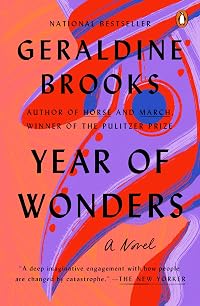
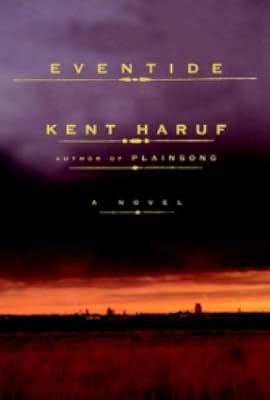
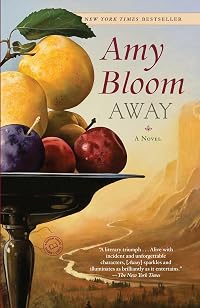

Member Recommendations
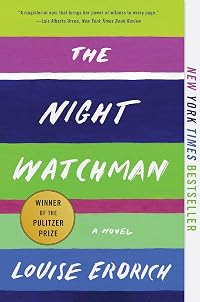
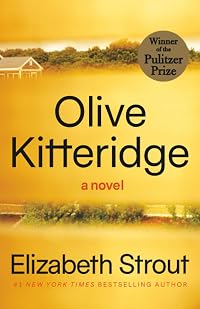
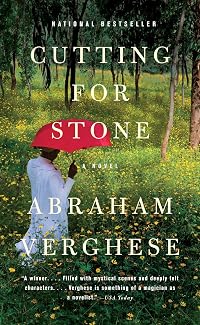
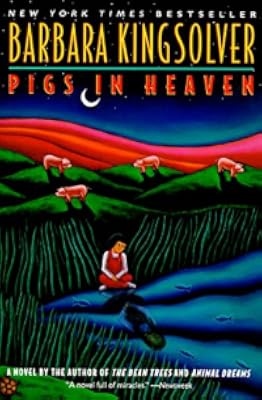
zinschj Both are stories of post-World War I immigrants struggling with their new lives in America.
Member Reviews
Fidelis, a former WWI German sniper, marries Eva, his deceased friend’s pregnant fiancé, and emigrates from Germany to Argus, North Dakota, to establish a butcher’s shop. Delphine, daughter of an alcoholic single father, meets Cyprian, a former WWI US Marine, and they create a traveling acrobatic act. They eventually return to Argus and pretend to be married to avoid gossip. Delphine and Eva become fast friends, and the storyline follows their converging lives from WWI to several years past WWII.
The strengths of this novel include deeply drawn characters and an unusual plotline. The characters are complex, filled with internal contradictions. For example, Fidelis is a butcher so he seems rather unfeeling in his work of constantly show more killing animals, but he possesses a beautiful singing voice and treats his family with tenderness. Even the minor characters exhibit a unique identity and emotional depth.
War and its ongoing impact are recurrent themes. Initially, war affects Cyprian and Fidelis, but the next war wreaks havoc on Fidelis’s sons. The plot includes such diverse elements as the discovery of three bodies in a cellar, a sexual identity crisis, and a tie-in with the Wounded Knee massacre. There are a few brutal scenes, mostly involving animals. Several mysteries get set up and are not always resolved. It is rich in period details and beautifully written. By the end, the author has taken the reader in unexpected directions and several secrets are revealed. show less
The strengths of this novel include deeply drawn characters and an unusual plotline. The characters are complex, filled with internal contradictions. For example, Fidelis is a butcher so he seems rather unfeeling in his work of constantly show more killing animals, but he possesses a beautiful singing voice and treats his family with tenderness. Even the minor characters exhibit a unique identity and emotional depth.
War and its ongoing impact are recurrent themes. Initially, war affects Cyprian and Fidelis, but the next war wreaks havoc on Fidelis’s sons. The plot includes such diverse elements as the discovery of three bodies in a cellar, a sexual identity crisis, and a tie-in with the Wounded Knee massacre. There are a few brutal scenes, mostly involving animals. Several mysteries get set up and are not always resolved. It is rich in period details and beautifully written. By the end, the author has taken the reader in unexpected directions and several secrets are revealed. show less
Louise Erdrich is best known for novels that explore her Native American heritage and are set in the Dakotas. In The Master Butchers Singing Club, Erdrich reaches back into her European ancestry with a sprawling saga featuring German and Polish immigrants. Central to the story is Delphine, a young woman who returns to her hometown after a stint performing in a vaudeville act. Delphine befriends Eva, the wife of the town’s German butcher, and she assists Eva in running the shop, and her life becomes increasingly entwined with Eva’s family … and to avoid spoilers, I’ll stop there.
Delphine’s story unfolds over a period of about 20 years. A large number of characters come and go, and family secrets are ever present in the show more background. Erdrich is an amazing storyteller, able to juggle a complex web of subplots and make it all work out in the end. That said, the last third of the novel was told in less detail, with larger gaps of time between chapters. Some characters were abruptly written out of the story, with insufficient detail and emotion. The last chapter is perhaps the most beautiful part of the novel, almost as if Erdrich wrote this first and then created a novel to showcase it. The journey was worth it. show less
Delphine’s story unfolds over a period of about 20 years. A large number of characters come and go, and family secrets are ever present in the show more background. Erdrich is an amazing storyteller, able to juggle a complex web of subplots and make it all work out in the end. That said, the last third of the novel was told in less detail, with larger gaps of time between chapters. Some characters were abruptly written out of the story, with insufficient detail and emotion. The last chapter is perhaps the most beautiful part of the novel, almost as if Erdrich wrote this first and then created a novel to showcase it. The journey was worth it. show less
This was an oddly disturbing and challenging novel for me to get through, and yet, in the end I felt amply rewarded for my perseverance. I can't say that Erdrich has an easy style -- in fact, at times it is frustratingly obtuse, perhaps even deliberately so, but she still leaves a very tantalizing trail of breadcrumbs that you can't help put pick up after.
Throughout, we explore the weight of history: deeply personal stories of scarred individuals who --much like the rest of us -- struggle to make sense of the progress of their lives, while dragging along the weight of their ancestors. Nicely confined within the ramparts of World Wars I and II, we garner a unique perspective on this era through Erdrich's deformed characters: some in show more body, others in soul. Unrelentingly, she exposes the tender cuts, and the raw wounds of the butchery of life: a master craftswoman in her own right.
Be warned: it's work, and no mistake that you'll be exhausted by it. I'm not one, like so many others, who found it easy, or gripping from the start. For me, it worked its way under my skin slowly until I came to the realization that I would not soon forget these people because they'd attached themselves to my nerve-endings. The memory of this book will always be raw. show less
Throughout, we explore the weight of history: deeply personal stories of scarred individuals who --much like the rest of us -- struggle to make sense of the progress of their lives, while dragging along the weight of their ancestors. Nicely confined within the ramparts of World Wars I and II, we garner a unique perspective on this era through Erdrich's deformed characters: some in show more body, others in soul. Unrelentingly, she exposes the tender cuts, and the raw wounds of the butchery of life: a master craftswoman in her own right.
Be warned: it's work, and no mistake that you'll be exhausted by it. I'm not one, like so many others, who found it easy, or gripping from the start. For me, it worked its way under my skin slowly until I came to the realization that I would not soon forget these people because they'd attached themselves to my nerve-endings. The memory of this book will always be raw. show less
from Laura:
Oh my gosh, this book. I ripped my bookmark to shreds marking favorite passages. I think the word "lyrical" is often overused when describing fiction, but this book read like one long gorgeous poem, driven by exquisitely rendered characters rather than a forceful, busy plot. I'm looking forward to reading more Louise Erdrich.
Favorite quotes:
He removed the set of stones from a drawer beneath the wooden block, and then he arranged them in order next to the knife that waited on the flannel. The coarse black stone was first, to set the cut right, and then the stones became finer. There were six in all. The last was fine as paper. By the time Fidelis finished, his blade could split an eyelash.
Eva sipped her coffee. Today, her hair show more was bound back in a singular knot, the sides rolled in smooth twists, the knots itself in the shape of a figure eight, which Delphine knew was the ancient sign for eternity. Eva rose and turned away, walked across the green squares of linoleum to punch some risen dough and cover it with towels. As Delphine watched, into her head there popped a strange notion: the idea that perhaps strongly experienced moments, as when Eva turned and the sun met her hair and for that one instant the symbol blazed out, those particular moments were eternal. Those moments actually went somewhere. Into a file of moments that existed out of time's range and could not be pilfered by God.
Part of her training in dealing with drunks was to hoard information, never to let go of a valuable nugget until it could be made to pay double its worth.
Delphine held up the peeler, riveted in shock. She stared at her father as though he'd suddenly spoken fluent French or grown a hoof.
Fidelis let the song drift, heard their honest drawn breaths, nodded slowly at the road, and hummed a new and simpler song, to keep himself awake. It was a song he'd sung with Johannes, drunk, in forgetfulness which he could not now forget, as the wheels turned them forward and forward, far from Germany, onto the wideness of the plains of America where the wars were not between the same old enemies he was used to, but were over before he'd got there, the great dying finished, and the blood already soaked into the ground.
He looked weary and his skin had gone fragile, soft, almost translucent. Blue blotches came up on his forearms, bruises that seemed to have surfaced from deep, invisible, interior blows.
Although years before it was thought that none of the Waldvogel boys had inherited their father's voice, Erich's had developed once he'd hit adolescence. He'd opened his mouth one day to hum tunelessly, then snapped his jaws shut in surprise when a rich sound boomed forth.
Across the boil of water the trees were loaded with last year's brittle wild cucumber vines--the strings and suckers drooped off the limbs like hair. Here and there, with the fresh wounds in the bank where a tree was torn out by the spring breakup, or where the ice had gouged a wedge of earth clear, dirty pockets of snow still lingered. Crows, the first birds to return, wheeled raucously through the skim of branches. They hurtled past one another like black stars and crosses, and their cries seemed to hold a fever of meaning.
Something in Erich's boy stubbornness, so like his own, sent Fidelis over the slippery edge of worry and relief into a blood bent rage. So immediate was his anger that he opened his mouth and roared, at the back of his retreating son, an old threat he'd used when Erich was a child. Then he swore his full swear, which always stopped everyone around him and made the boys shrink away and go still.
Screwing her fingers deep to tug the taproot of a vigorous dandelion, she touched the knob end of what she knew was a bone. They were all down there, still, the ones the dog hid, the bones that Eva buried, the mice, snails, birds that died there on their own, the tiny deaths and the huge deaths, all the swirl and complexity of life, one feeding into the other. Forever and ever amen, she thought, dragging the root out with the bone. show less
Oh my gosh, this book. I ripped my bookmark to shreds marking favorite passages. I think the word "lyrical" is often overused when describing fiction, but this book read like one long gorgeous poem, driven by exquisitely rendered characters rather than a forceful, busy plot. I'm looking forward to reading more Louise Erdrich.
Favorite quotes:
He removed the set of stones from a drawer beneath the wooden block, and then he arranged them in order next to the knife that waited on the flannel. The coarse black stone was first, to set the cut right, and then the stones became finer. There were six in all. The last was fine as paper. By the time Fidelis finished, his blade could split an eyelash.
Eva sipped her coffee. Today, her hair show more was bound back in a singular knot, the sides rolled in smooth twists, the knots itself in the shape of a figure eight, which Delphine knew was the ancient sign for eternity. Eva rose and turned away, walked across the green squares of linoleum to punch some risen dough and cover it with towels. As Delphine watched, into her head there popped a strange notion: the idea that perhaps strongly experienced moments, as when Eva turned and the sun met her hair and for that one instant the symbol blazed out, those particular moments were eternal. Those moments actually went somewhere. Into a file of moments that existed out of time's range and could not be pilfered by God.
Part of her training in dealing with drunks was to hoard information, never to let go of a valuable nugget until it could be made to pay double its worth.
Delphine held up the peeler, riveted in shock. She stared at her father as though he'd suddenly spoken fluent French or grown a hoof.
Fidelis let the song drift, heard their honest drawn breaths, nodded slowly at the road, and hummed a new and simpler song, to keep himself awake. It was a song he'd sung with Johannes, drunk, in forgetfulness which he could not now forget, as the wheels turned them forward and forward, far from Germany, onto the wideness of the plains of America where the wars were not between the same old enemies he was used to, but were over before he'd got there, the great dying finished, and the blood already soaked into the ground.
He looked weary and his skin had gone fragile, soft, almost translucent. Blue blotches came up on his forearms, bruises that seemed to have surfaced from deep, invisible, interior blows.
Although years before it was thought that none of the Waldvogel boys had inherited their father's voice, Erich's had developed once he'd hit adolescence. He'd opened his mouth one day to hum tunelessly, then snapped his jaws shut in surprise when a rich sound boomed forth.
Across the boil of water the trees were loaded with last year's brittle wild cucumber vines--the strings and suckers drooped off the limbs like hair. Here and there, with the fresh wounds in the bank where a tree was torn out by the spring breakup, or where the ice had gouged a wedge of earth clear, dirty pockets of snow still lingered. Crows, the first birds to return, wheeled raucously through the skim of branches. They hurtled past one another like black stars and crosses, and their cries seemed to hold a fever of meaning.
Something in Erich's boy stubbornness, so like his own, sent Fidelis over the slippery edge of worry and relief into a blood bent rage. So immediate was his anger that he opened his mouth and roared, at the back of his retreating son, an old threat he'd used when Erich was a child. Then he swore his full swear, which always stopped everyone around him and made the boys shrink away and go still.
Screwing her fingers deep to tug the taproot of a vigorous dandelion, she touched the knob end of what she knew was a bone. They were all down there, still, the ones the dog hid, the bones that Eva buried, the mice, snails, birds that died there on their own, the tiny deaths and the huge deaths, all the swirl and complexity of life, one feeding into the other. Forever and ever amen, she thought, dragging the root out with the bone. show less
The Master Butchers Singing Club – Louise Erdrich
5 stars
If there is a single complex, messy, deeply felt human emotion that this book doesn’t touch, I don’t know what it is. The Master Butchers Singing Club is a beautifully told saga of a small mid-western town and the lives of its people. The story begins in Germany with Fidelis Waldvogel at the end of the first world war. It follows his transition from expert sniper in the German Army to immigrant American butcher and shop owner. Fidelis is only one of the significant people in the life of Delphine Watzka. The actual focus of the book is Delphine’s story. Erdrich writes believable characters in all their complexity and draws a picture of their lives through major and minor show more crisis. Her language is layered with meaning and lyrically beautiful. At first, I read it quickly, completely engaged in the lives of the characters. I’m sure I will read it again to fully appreciate the structure of the story and the depth of the language. It’s well worth multiple readings and that may be what defines it as American Literature. show less
5 stars
If there is a single complex, messy, deeply felt human emotion that this book doesn’t touch, I don’t know what it is. The Master Butchers Singing Club is a beautifully told saga of a small mid-western town and the lives of its people. The story begins in Germany with Fidelis Waldvogel at the end of the first world war. It follows his transition from expert sniper in the German Army to immigrant American butcher and shop owner. Fidelis is only one of the significant people in the life of Delphine Watzka. The actual focus of the book is Delphine’s story. Erdrich writes believable characters in all their complexity and draws a picture of their lives through major and minor show more crisis. Her language is layered with meaning and lyrically beautiful. At first, I read it quickly, completely engaged in the lives of the characters. I’m sure I will read it again to fully appreciate the structure of the story and the depth of the language. It’s well worth multiple readings and that may be what defines it as American Literature. show less
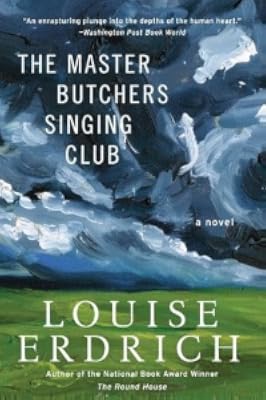
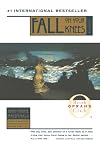
The title intrigued me quite a bit. Then there's this cover. I found that it's an actual photograph from 1912. There! I bought the book. (My criteria for book purchase are very rigid.)
Happily, the novel itself proved to be highly wonderful. In fact it's among my favorites for the year. Louise Erdrich is a new author for me, but one I am glad to add to my list. Here she tells the story of one Fidelis Waldvogel, a WWI soldier who marries the pregnant lover of his dead colleague. Then, they strike out for America. North Dakota is where they end up and Fidelis sets up a butcher shop.
The other strand of the story is introduced in Chapter 2. It's a young woman named Delphine Watzka who is a performer in a vaudeville act. As the novel goes on, show more one realizes that it is mainly her point of view that we are witnessing. Her relationships with Eva Waldvogen, their children, her own booze-hound father Roy, and with her somewhat-lover Cyprian. All these threads are equally meaningful; the writing is simple and spare, like a well-made kitchen table that bears immense weight while being the coziest spot in the house.
The town of Argus, ND, comes alive much like the arresting cover photograph. There is a good deal of plot that keeps going in a skillful arc from 1919 to 1954. Life, love, devotion, war, death...such are the common themes that Erdrich writes about with uncommon loveliness. There is even a surprise at the ending which left me with mixed feelings, but only because I wished to know more about the circumstances.
The only two things I would quibble about are: one, the title. Fine, Erdrich has creative choice in naming her own novel. But in the end I feel that simply, "Delphine" would be a good title. And second, the inside-jacket blurb. It somehow gave a different impression of what the book promised to be. While this was not exactly misleading, ultimately this fine novel is left under-served by its own inside jacket; quite a shame.
You can read more of my reviews at https://devikamenon.blogspot.com/search/label/books show less
Happily, the novel itself proved to be highly wonderful. In fact it's among my favorites for the year. Louise Erdrich is a new author for me, but one I am glad to add to my list. Here she tells the story of one Fidelis Waldvogel, a WWI soldier who marries the pregnant lover of his dead colleague. Then, they strike out for America. North Dakota is where they end up and Fidelis sets up a butcher shop.
The other strand of the story is introduced in Chapter 2. It's a young woman named Delphine Watzka who is a performer in a vaudeville act. As the novel goes on, show more one realizes that it is mainly her point of view that we are witnessing. Her relationships with Eva Waldvogen, their children, her own booze-hound father Roy, and with her somewhat-lover Cyprian. All these threads are equally meaningful; the writing is simple and spare, like a well-made kitchen table that bears immense weight while being the coziest spot in the house.
The town of Argus, ND, comes alive much like the arresting cover photograph. There is a good deal of plot that keeps going in a skillful arc from 1919 to 1954. Life, love, devotion, war, death...such are the common themes that Erdrich writes about with uncommon loveliness. There is even a surprise at the ending which left me with mixed feelings, but only because I wished to know more about the circumstances.
The only two things I would quibble about are: one, the title. Fine, Erdrich has creative choice in naming her own novel. But in the end I feel that simply, "Delphine" would be a good title. And second, the inside-jacket blurb. It somehow gave a different impression of what the book promised to be. While this was not exactly misleading, ultimately this fine novel is left under-served by its own inside jacket; quite a shame.
You can read more of my reviews at https://devikamenon.blogspot.com/search/label/books show less
This being the fifth book I've read from the prolific Louise Erdrich, I was at first both disappointed and intrigued by her break from her normal Ojibwe dynasty that make up the residents of a fictional North Dakota town known as Argus. After the first few pages, though, I pleasantly discovered Erdrich had simply widened her character scope to welcome some interesting and likeable characters. Included in this new group is a family of German immigrants, headed by the master butcher, Fidelis, and his steadfast wife, Eva. On the other end is Delphine Watzka, a quietly determined woman who knows, with equal expertise, how to balance chairs on her stomach, how to take care of her town drunk of a father, and how to love Cyprian, a man who for show more his own reasons may not be as compelled to return her love. Add a few more equally memorable characters to this mix, not to mention a men's singing club, and you are left with lyrically compelling and highly memorable novel. This is not wholly a story about World War I and World War II, but the wars push their way to the forefront as overpowering aspects of Fidelis and Cyprian's recent past, and as overwhelming aspects of the future of Fidelis and Eva's four sons. Commingled with these conflicts are also conflicts of the heart and body --- a tempered love, a fatal affliction, a desire to care as well as to destroy. Erdrich, just like Delphine with her chairs, plays these elements in a delicate balancing act that creates a sometimes calming, sometimes electrifying flow of words and images. Rising above this flow, more strongly here than in any of her other novels, is the gift of song. Dedicating the book to "my father, who sang to me", Erdrich uses the power of a good story as a love song to the people and events that charm even the most charmless lives. Frequent readers of Erdrich may find themselves at a loss with this new cast of characters, though I actually was glad for the change. The humor of her other novels is also present here in smaller doses, and her imagery is vivid, at times almost arresting. As with other Erdrich novels, though, be prepared to take in many subplots that have within them a valid attraction. I find that I often develop favorite subplots or supporting characters, and sometimes have to remind myself of the others. I did not have to do so in this case, which leads me to believe this novel more compact in its presentation than previous novels. First-time readers of Erdrich need not be hindered by a lack of knowledge about Argus folklore; though the novel does lead to Erdrich's favorite literary shelter, the introduction to the town is skillfully rendered. In the end, however, it is hard to tell if the feeling readers are left with is bittersweet. The tidal wave that is supposed to consume the main characters in the end seems closer to a shallow puddle, which may or may not be what Erdrich intended in the first place. While this hardly takes away from the enjoyment of the novel, it does leave me wanting more. show less
Members
- Recently Added By
Published Reviews
ThingScore 75
Amazon.com Review
Louise Erdrich's The Master Butchers Singing Club is a powerfully told story of love, death, redemption, and resurrection. After German soldier Fidelis Waldvogel returns home from World War I to marry his best friend's pregnant widow, he packs up his father's butcher knives and sets sail for America. ....
Louise Erdrich's The Master Butchers Singing Club is a powerfully told story of love, death, redemption, and resurrection. After German soldier Fidelis Waldvogel returns home from World War I to marry his best friend's pregnant widow, he packs up his father's butcher knives and sets sail for America. ....
added by eigram
Lists

The Immigrant's Stories
74 works; 18 members

Best Book Club Selections
26 works; 8 members

Best family sagas
244 works; 34 members

All Iowa Reads
13 works; 2 members

Books Read in 2005
185 works; 7 members

Books Read in 2025
4,128 works; 98 members
Author Information

67+ Works 45,668 Members
Karen Louise Erdrich was born on June 7, 1954 in Little Falls, Minnesota. Erdrich grew up in Wahpeton, North Dakota, where both of her parents were employed by the Bureau of Indian Affairs. She is a member of the Turtle Mountain Band of Chippewa. Erdrich graduated from Dartmouth College in 1976 with an AB degree, and she received a Master of Arts show more in creative writing from Johns Hopkins University in 1979. Erdrich published a number of poems and short stories from 1978 to 1982. In 1981 she married author and anthropologist Michael Dorris, and together they published The World's Greatest Fisherman, which won the Nelson Algren Award in 1982. In 1984 she won the National Book Critics Circle Award for Love Medicine, which is an expansion of a story that she had co-written with Dorris. Love Medicine was also awarded the Virginia McCormick Scully Prize (1984), the Sue Kaufman Prize (1985) and the Los Angeles Times Award for best novel (1985). In addition to her prose, Erdrich has written several volumes of poetry, a textbook, children's books, and short stories and essays for popular magazines. She has been the recipient of numerous awards for professional excellence, including the National Magazine Fiction Award in 1983 and a first-prize O. Henry Award in 1987. Erdrich has also received the Pushcart Prize in Poetry, the Western Literacy Association Award, the 1999 World Fantasy Award, and the Scott O'Dell Award for Historical Fiction in 2006. In 2007 she refused to accept an honorary doctorate from the University of North Dakota in protest of its use of the "Fighting Sioux" name and logo. Erdrich's novel The Round House made the New York Times bestseller list in 2013. Her other New York Times bestsellers include Future Home of the Living God (2017). (Bowker Author Biography) show less
Awards and Honors
Awards
Distinctions
Notable Lists
Series

Common Knowledge
- Canonical title
- The Master Butchers Singing Club
- Original title
- The Master Butchers Singing Club
- Original publication date
- 2003
- People/Characters
- Fidelis Waldvogel; Eva Waldvogel; Delphine Watzka; Cyprian Lazarre
- Important places
- Argus, North Dakota, USA (fictional); North Dakota, USA; Germany
- Important events
- World War I (1914 | 1918); Interbellum (1918 | 1939); World War II (1939 | 1945)
- Dedication
- To my father, who sang to me.
- First words
- Fidelis walked home from the great war in twelve days and slept thirty-eight hours once he crawled into his childhood bed.
- Last words
- (Click to show. Warning: May contain spoilers.)Step-and-a-Half hummed in her sleep and sank deeper into her own tune, a junker's pile of tattered courting verse and hunter's wisdom and the utterances of itinerants or words that sprang from a bit of grass and scrap of cloud or a prophetic pig's knuckle, in a world where butchers sing like angels.
- Original language
- English
Classifications
Statistics
- Members
- 2,649
- Popularity
- 7,114
- Reviews
- 80
- Rating
- (4.04)
- Languages
- 6 — English, French, German, Japanese, Polish, Spanish
- Media
- Paper, Audiobook, Ebook
- ISBNs
- 38
- UPCs
- 1
- ASINs
- 18