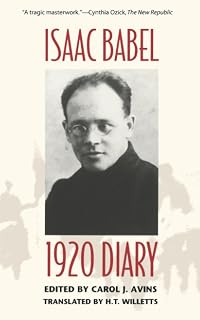
1920 diary
by Isaac Babel
On This Page
Description
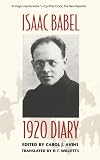
The Russian writer Isaac Babel (1894-1940) is widely acknowledged to be one of the great masters of twentieth-century literature, hailed as a genius by such critics as Lionel Trilling and Irving Howe. The work for which he is best known is a cycle of stories called Red Cavalry, which depicts the exploits of the Cossack cavalry during the Polish-Soviet war of 1919-1920 and is based on Babel's experiences as he rode with the Cossacks during the campaign. Babel kept a diary during this period, show more in which he recorded the devastation of the war, the extreme cruelty of the Polish and Red armies alike toward the Jewish population in the Ukraine and eastern Poland, and his own conflicted role as both Soviet revolutionary and Jew. The 1920 Diary, a vital source for Red Cavalry as well as a compelling narrative, is now published in English for the first time.The 1920 Diary is the most significant contemporary account of the tragedy of Eastern European Jewry during this period. The Diary also yields important insights into Babel's personal evolution, showing his youthful curiosity and his anguish as, frequently concealing his own Jewish identity, he mingled with the victimized Jews of the region's shtetls and with his Cossack comrades. Finally, the Diary sheds light on Babel's artistic development, revealing the path from observations recorded in excitement and despair to the painstakingly crafted narratives of the Red Cavalry cycle. show lessTags
Recommendations



















Member Recommendations

Member Reviews
Isaac Babel had an interesting life – disillusioned with Communism early on but became a reasonably successful author. He was eventually (1939) picked up and shot by the NKVD while having an affair with the wife of an NKVD major. (It’s not what you think; Babel wasn’t shot because the major found out about the affair; instead the major fell out of favor with the higher ups, so they shot him. And, in the Stalinist tradition of doing a thorough job they also shot the major’s family, including his wife’s lover.)
At any rate, Babel is most famous for Red Cavalry, which is about the 1920 Russo-Polish war. (This was one of the “neatening up” wars that took place after the end of WWI). 1920 Diary was the raw material for that show more book, and it reads like a diary – short notes to himself interspersed with complete sentences that he may have intended to transcribe later.
The 1920 campaign started when the Poles advanced deep into Russia. The Poles, of course, thought they were restoring Poland to its natural boundaries, and that with Russia distracted by conflicts between Reds, Whites, Anarchists, and miscellaneous other parties it would be easy. The Soviets turned around and unleashed the First Cavalry Army on them. The First Cavalry Army had just finished smashing the Whites and was now sent west. It was composed mostly of Kuban Cossacks.
The diary – which would have got Babel in serious trouble in any of the commissars had gotten hold of it – has a lot of sad observations on the situation of Polish Jews, who went through pograms by Russians, then Ukrainians, then Poles, then Cossacks. Babel’s comments on these are sometimes almost comic understatements - “Sometimes Cossacks are not very nice” - and sometimes spookily prophetic (of Jews in the town of Dubno) – “Can it be that ours is the century in which they perish?”.
Babel’s Jewishness is at the forefront in most of his writing here. He admitted he was a Jew if asked, but he didn’t go out of his way to publicize it in front of his Cossack comrades. His embarrassment is profound when he has to explain to groups of Jews how wonderful the Revolution is while Cossacks are raping their wives and daughters and looting their property in the background.
A quick read, nicely hinting what Babel is going to produce later. show less
At any rate, Babel is most famous for Red Cavalry, which is about the 1920 Russo-Polish war. (This was one of the “neatening up” wars that took place after the end of WWI). 1920 Diary was the raw material for that show more book, and it reads like a diary – short notes to himself interspersed with complete sentences that he may have intended to transcribe later.
The 1920 campaign started when the Poles advanced deep into Russia. The Poles, of course, thought they were restoring Poland to its natural boundaries, and that with Russia distracted by conflicts between Reds, Whites, Anarchists, and miscellaneous other parties it would be easy. The Soviets turned around and unleashed the First Cavalry Army on them. The First Cavalry Army had just finished smashing the Whites and was now sent west. It was composed mostly of Kuban Cossacks.
The diary – which would have got Babel in serious trouble in any of the commissars had gotten hold of it – has a lot of sad observations on the situation of Polish Jews, who went through pograms by Russians, then Ukrainians, then Poles, then Cossacks. Babel’s comments on these are sometimes almost comic understatements - “Sometimes Cossacks are not very nice” - and sometimes spookily prophetic (of Jews in the town of Dubno) – “Can it be that ours is the century in which they perish?”.
Babel’s Jewishness is at the forefront in most of his writing here. He admitted he was a Jew if asked, but he didn’t go out of his way to publicize it in front of his Cossack comrades. His embarrassment is profound when he has to explain to groups of Jews how wonderful the Revolution is while Cossacks are raping their wives and daughters and looting their property in the background.
A quick read, nicely hinting what Babel is going to produce later. show less
Babel’s dagboek is van een ver doorgedreven puurheid. Schetsmatig, vol korte, rake, minimale beschrijvingen van mensen, dorpen, pijn (van anderen), ongeloof, vermoeidheid. Stuk voor stuk dwingende aantekeningen waarin Babel zichzelf lijkt te verplichten om alles rond hem heen, tot in de kleinste details, vooral niet te vergeten. Er gaat geen dag voorbij of hij wordt beschoten, geconfronteerd met anti-semitisme, gruweldaden, wanhoop … maar hijzelf observeert, en noteert, onverstoord, – gejaagd en nagelhard – wat hij rond zich heen ziet.
Het heet het dagboek van 1920 te zijn, maar meer dan een drietal maanden worden er niet door omsloten. Van dorp tot dorp, van gevecht naar gevecht rijdt Babel als correspondent mee met het Rode show more Leger. Tussen plunderende en moordende en veroverende kameraden, van nederlaag naar overwinning, … Ze verdrijven de Polen, of worden verdreven door de Polen, … Babel schildert de bevolking wanneer zij er om vragen een rooskleurige (communistische) toekomst voor, maar zijn aantekeningen zijn cynisch. Plunderingen, verkrachtingen, jodenhaat, massamoorden, … zijn ook bij het Rode Leger schering en inslag. Hij beschrijft machtswissels, militaire manoeuvres, vernietigingen, angstige burgers, nachtelijke terugtochten, maaltijden, … Hij beschrijft de vermoeidheid van een leger dat niet kan rusten. De gruwelen van zijn ‘medestanders’.
De inleiding vooraf is lang, maar helpt het dagboek te kaderen en vult een leemte die het onderwijs dat ik genoot niet wenste te vullen. show less
Het heet het dagboek van 1920 te zijn, maar meer dan een drietal maanden worden er niet door omsloten. Van dorp tot dorp, van gevecht naar gevecht rijdt Babel als correspondent mee met het Rode show more Leger. Tussen plunderende en moordende en veroverende kameraden, van nederlaag naar overwinning, … Ze verdrijven de Polen, of worden verdreven door de Polen, … Babel schildert de bevolking wanneer zij er om vragen een rooskleurige (communistische) toekomst voor, maar zijn aantekeningen zijn cynisch. Plunderingen, verkrachtingen, jodenhaat, massamoorden, … zijn ook bij het Rode Leger schering en inslag. Hij beschrijft machtswissels, militaire manoeuvres, vernietigingen, angstige burgers, nachtelijke terugtochten, maaltijden, … Hij beschrijft de vermoeidheid van een leger dat niet kan rusten. De gruwelen van zijn ‘medestanders’.
De inleiding vooraf is lang, maar helpt het dagboek te kaderen en vult een leemte die het onderwijs dat ik genoot niet wenste te vullen. show less
Feb 3, 2016Dutch
Babel's dagboek is van een ver doorgedreven puurheid. Schetsmatig, vol korte, rake, minimale beschrijvingen van mensen, dorpen, pijn (van anderen), ongeloof, vermoeidheid. Stuk voor stuk dwingende aantekeningen waarin Babel zichzelf lijkt te verplichten om alles rond hem heen, tot in de kleinste details, vooral niet te vergeten. Er gaat geen dag voorbij of hij wordt beschoten, geconfronteerd met anti-semitisme, gruweldaden, wanhoop ... maar hijzelf observeert, en noteert, onverstoord, - gejaagd en nagelhard - wat hij rond zich heen ziet.
Het heet het dagboek van 1920 te zijn, maar meer dan een drietal maanden worden er niet door omsloten. Van dorp tot dorp, van gevecht naar gevecht rijdt Babel als correspondent mee met het Rode Leger. show more Tussen plunderende en moordende en veroverende kameraden, van nederlaag naar overwinning, ... Ze verdrijven de Polen, of worden verdreven door de Polen, ... Babel schildert de bevolking wanneer zij er om vragen een rooskleurige (communistische) toekomst voor, maar zijn aantekeningen zijn cynisch. Plunderingen, verkrachtingen, jodenhaat, massamoorden, ... zijn ook bij het Rode Leger schering en inslag. Hij beschrijft machtswissels, militaire manoeuvres, vernietigingen, angstige burgers, nachtelijke terugtochten, maaltijden, ... Hij beschrijft de vermoeidheid van een leger dat niet kan rusten. De gruwelen van zijn 'medestanders'.
De inleiding vooraf is lang, maar helpt het dagboek te kaderen en vult een leemte die het onderwijs dat ik genoot niet wenste te vullen.
http://occamsrazorlibrary.blogspot.com/2009/12/1920-diary.html show less
Het heet het dagboek van 1920 te zijn, maar meer dan een drietal maanden worden er niet door omsloten. Van dorp tot dorp, van gevecht naar gevecht rijdt Babel als correspondent mee met het Rode Leger. show more Tussen plunderende en moordende en veroverende kameraden, van nederlaag naar overwinning, ... Ze verdrijven de Polen, of worden verdreven door de Polen, ... Babel schildert de bevolking wanneer zij er om vragen een rooskleurige (communistische) toekomst voor, maar zijn aantekeningen zijn cynisch. Plunderingen, verkrachtingen, jodenhaat, massamoorden, ... zijn ook bij het Rode Leger schering en inslag. Hij beschrijft machtswissels, militaire manoeuvres, vernietigingen, angstige burgers, nachtelijke terugtochten, maaltijden, ... Hij beschrijft de vermoeidheid van een leger dat niet kan rusten. De gruwelen van zijn 'medestanders'.
De inleiding vooraf is lang, maar helpt het dagboek te kaderen en vult een leemte die het onderwijs dat ik genoot niet wenste te vullen.
http://occamsrazorlibrary.blogspot.com/2009/12/1920-diary.html show less
Jan 12, 2010Dutch
Ami de gorki, Isaac Emmannuelovitch Babel, est né en 1894 à Odessa ; il est exécuté en 1940 (accusé d'activités antisoviétiques, de sympathies trotskystes et d'espionnage), réhabilité entre 1954 et 1957. Son journal sera restitué en 1955 à sa veuve Antonina Nikolaevna Pirojkova qui le rendra lisible (il était écrit à la mine de plomb) et le fera connaître. Un texte fort et remarquable. Un regard sur l'antisémitisme au quotidien dans la russie révolutionnaire.
Jul 21, 2007French
Ratings
Members
- Recently Added By
Author Information

166+ Works 4,390 Members
Isaac Babel was born in Odessa, Russia, in 1894. He won early success with stories about his native Odessa and about the exploits of the Bolshevik cavalry in the Polish campaign of 1920-21. During the 1930s his output was small, but his talent remained undiminished. He was arrested in May 1939 during the Great Purge, and his manuscripts were show more confiscated. His exact fate remains unknown. Although Babel's reputation was restored in 1956, he was still published only occasionally in the Soviet Union-the very strong Jewish element in his stories, as well as the ambiguous positions he took on war and revolution, made his stories uncomfortable for Soviet authorities. For a Russian reader, the Odessa Tales (1916) are particularly exotic. Their protagonists, members of the city's Jewish underworld, are presented in romantic, epic terms. The Red Cavalry stories are noted for their account of the horrors of war. In both cycles Babel relies on precisely constructed short plots, on paradox of situation and of character response, and on nonstandard, captivating language-be it the combination of Yiddish, slang, and standard Russian in the Odessa Tales or of uneducated Cossack speech and standard Russian in the Red Cavalry cycle. The result of such features is a prose heritage rare in the history of Russian literature. Isaac Babel passed away in 1941. (Bowker Author Biography) Isaac Babel was born on July 13, 1894 in Odessa, Russia, to a middle-class Jewish family. He attended the Institute of Business Studies. His life was filled with persecution, which greatly influenced his writing. During the civil war that followed the Russian Revolution, Babel served as a soldier in Poland. This experience provided him with material for Red Cavalry, a collection of his stories. Later, in the Odessa Tales, published in 1931, Babel drew on his Jewish heritage to create colorful and memorable characters. As with many great artists in Russia, Babel's creative style was unpopular with the Stalin regime. Babel admitted to a long association with Trotskyites, but denied this testimony at his trial. He was ultimately found guilty of espionage and shot in Moscow in 1939, although, nearly a year later, his wife and the general public were told that he died in a labor camp. (Bowker Author Biography) show less
Some Editions
Awards and Honors
Distinctions
Common Knowledge
- Canonical title
- 1920 diary
- Original publication date
- 1995 (English translation) (English translation); 1989/90
- Blurbers
- Roth, Philip; Lustig, Arnost
Classifications
- Genres
- Nonfiction, Biography & Memoir, History, General Nonfiction, Literature Studies and Criticism
- DDC/MDS
- 947.084 — History & geography History of Europe Eastern European Counties and Russia Russian & Slavic History by Period 1855- 1917-1953 ; Communist period
- LCC
- DK265.7 .B28 — History of Europe, Asia, Africa and Oceania Russia. Soviet Union. Former Soviet Republics – Poland History of Russia. Soviet Union. Former Soviet Republics History Revolution, 1917-1921
- BISAC
Statistics
- Members
- 174
- Popularity
- 188,383
- Reviews
- 4
- Rating
- (4.00)
- Languages
- 7 — Dutch, English, French, German, Hungarian, Polish, Spanish
- Media
- Paper, Ebook
- ISBNs
- 16
- ASINs
- 4