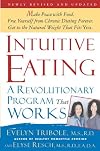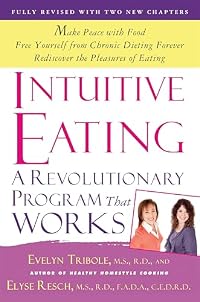
Intuitive Eating: A Revolutionary Program That Works
by Evelyn Tribole, Elyse Resch (Author)
On This Page
Description
The go-to resource-now fully revised and updated-for building a healthy body image and making peace with food, once and for all. When it was first published, Intuitive Eating was revolutionary in its anti-dieting approach. The authors, both prominent health professionals in the field of nutrition and eating disorders, urge readers to embrace the goal of developing body positivity and reconnecting with one's internal wisdom about eating-to unlearn everything they were taught about show more calorie-counting and other aspects of diet culture and to learn about the harm of weight stigma. Today, their message is more relevant and pressing than ever. With this updated edition of the classic bestseller, Evelyn Tribole and Elyse Resch teach listeners how to: - Follow the ten principles of Intuitive Eating to achieve a new and trusting relationship with food - Fight against diet culture and reject diet mentality forever - Find satisfaction in their food choices - Exercise kindness toward their feelings, their bodies, and themselves - Prevent or heal the wounds of an eating disorder - Respect their bodies and make peace with food-at any age, weight, or stage of development - Follow body positive feeds for inspiration and validation And more easy-to-follow suggestions that can lead listeners to integrate Intuitive Eating into their everyday lives and feel the freedom that comes with trusting their inner wisdom-for life. show lessTags
Recommendations
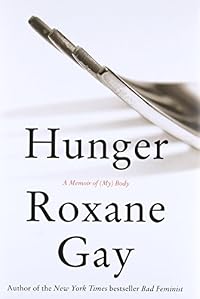
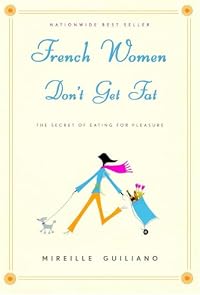
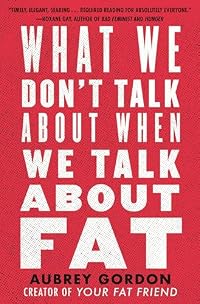
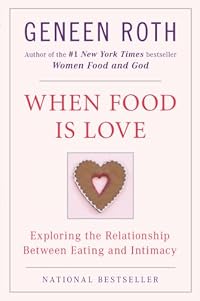
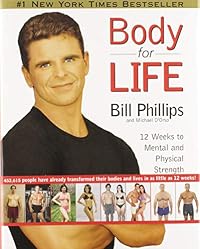
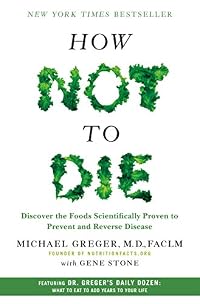
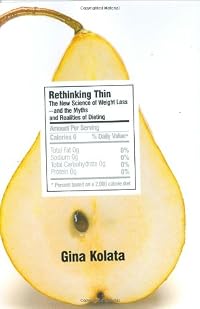
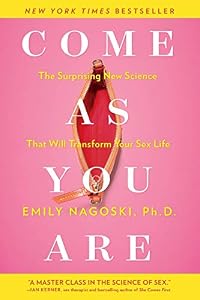
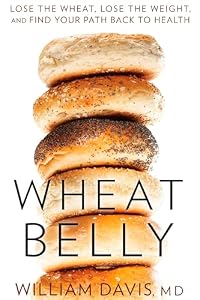
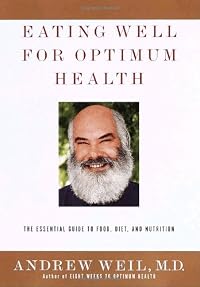
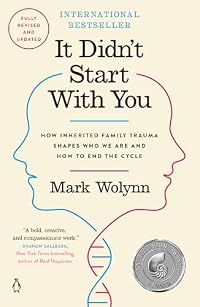
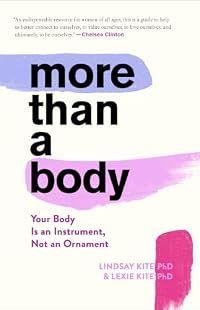
Member Recommendations
Member Reviews
I've had this book on my shelf for years, and I've been meaning to read it for just as long, but it wasn't until this summer -- after trying (and failing) my umpteenth diet, that I realized something had to change. Having spent years bouncing from one diet to another—Weight Watchers, Paleo, keto, intermittent fasting (you name it, I’ve probably tried it)—I knew I had to step off the diet rollercoaster for good. Intuitive Eating is not about losing weight or achieving some perfect body. It’s about something much simpler: learning how to trust and respect the body you have without trying to change it. Now there's a groundbreaking idea!
The concept of "body respect" stood out to me the most. I’ve never been a fan of forced body show more positivity. It just doesn’t feel realistic for everyone to jump from "I hate my body" to "I love my body" overnight. The idea of respecting my body, however, feels a lot more attainable. It means I don’t have to love every curve to treat my body with the care it deserves.
On the science side of things, the book doesn’t skimp. The authors do an excellent job of presenting studies and evidence supporting intuitive eating, which helped me feel confident about the approach. I really appreciated that they weren’t just throwing out ideas—they backed everything up with research. It made me trust their recommendations even more.
That said, the book isn’t perfect. It can feel a bit repetitive after a while. The authors circle back to the same points multiple times, and while I understand the importance of reinforcing key ideas, it started to feel overdone and unnecessary. The structure could have been tighter, especially in how they organized the flow of information. For example, they dive into the science before fully explaining the ten principles of intuitive eating, which felt backward to me.
Despite that, this book provided valuable insights and practical advice that I could immediately apply to my life. If you’ve spent years, decades, or a lifetime trapped in the diet cycle and are looking for a way out, the principles in Intuitive Eating are worth exploring. show less
The concept of "body respect" stood out to me the most. I’ve never been a fan of forced body show more positivity. It just doesn’t feel realistic for everyone to jump from "I hate my body" to "I love my body" overnight. The idea of respecting my body, however, feels a lot more attainable. It means I don’t have to love every curve to treat my body with the care it deserves.
On the science side of things, the book doesn’t skimp. The authors do an excellent job of presenting studies and evidence supporting intuitive eating, which helped me feel confident about the approach. I really appreciated that they weren’t just throwing out ideas—they backed everything up with research. It made me trust their recommendations even more.
That said, the book isn’t perfect. It can feel a bit repetitive after a while. The authors circle back to the same points multiple times, and while I understand the importance of reinforcing key ideas, it started to feel overdone and unnecessary. The structure could have been tighter, especially in how they organized the flow of information. For example, they dive into the science before fully explaining the ten principles of intuitive eating, which felt backward to me.
Despite that, this book provided valuable insights and practical advice that I could immediately apply to my life. If you’ve spent years, decades, or a lifetime trapped in the diet cycle and are looking for a way out, the principles in Intuitive Eating are worth exploring. show less
From my Cannonball Read VI Review
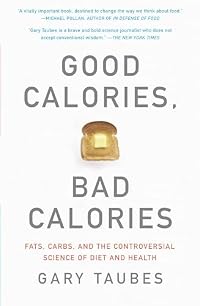
I’ve been on lots of diets, and have made many attempts to change up my eating to try to lose (or keep off) weight. Over the past couple of years, I’ve been reading more nutrition books (like last year’s “Good Calories, Bad Calories”) as well as a lot of articles and blogs about Fat Acceptance and Healthy At Every Size. The later repeatedly points out both how society has created all kinds of fucked up issues with food, and how in the US and other cultures we’re conditioned to value appearance (i.e., thinness) over actual health (which really cannot be determined just by weighing someone).
I heard about this book on one of those blogs, and while it’s definitely written in a manner that’s a show more bit more ‘chicken soup for the soul’ than I’d like, the message the authors (both professional dieticians who work with people with eating issues) are putting forth is interesting, empowering, and something I wish I’d been able to figure out on my own at some point.
The basic premise of the book is that, as the evidence points out, diets just don’t actually work. [http://newsroom.ucla.edu/portal/ucla/dieting-does-not-work-ucla-researchers-7832.aspx] They don’t work for lots of different reasons, but in the end people blame themselves or their ‘willpower,’ and this leads to a cycle that, if you’ve been on more than a diet or two in your life, will seem pretty familiar. You decide to diet, you decide to cut out certain foods, you lose weight (or don’t), you eventually stop, and gain weight back, decide to diet, eat the forbidden food one last time, etc., forever. Now, of course there are people who diet, keep the weight off forever, and possibly enjoy saying things like “if I can do it, so can you!”, as though that’s somehow motivating as opposed to serving to make others just feel like they are weak or bad at life. This book is for the vast majority of us for whom diets won’t be the answer to being healthy.
So beyond pointing out the obvious, what does this book do? It seeks to help the readers to develop a health relationship with food, with the goal NOT of losing weight but of actually treating food as it should be treated. The authors want us to view food not just as fuel, but as pleasure as well (shocking, I know!). The authors want the readers to stop using food as a way to punish ourselves (carrots are good for you damn it, even if you hate them, EAT THEM) or to cover up our feelings. It’s a pretty radical approach for those of us who have struggled with food issues (although for those of you who never have, I’m willing to bet that it all seems extremely natural, which could be WHY you’ve never had food issues).
How does it purport to work? There are ten ‘principles,’ but the focus is not on perfection or failure; instead it wants you to focus on the process of slowly improving your relationship with food. As you go through this process, if you’ve had an unhealthy relationship so far, your weight should normalize, and part of the process is recognizing that a normal weight for you may not be the weight you’ve always dreamed of, and that’s OKAY. Again, kind of a radical thought, especially in a culture that spends so much time saying “if you work hard enough, you can do anything!” I can tell you right now, that unless I stopped eating for a year, removed some ribs and somehow shrunk the width of my pelvic bones, I’m never going to have they body of Gwyneth Paltrow. So why torture myself to get there?
The principles are: Reject the Diet Mentality, Honor Your Hunger, Make Peace with Food, Challenge the Food Police, Feel Your Fullness, Discover the Satisfaction Factor, Cope with Your Emotions Without Using Food, Respect Your Body, Exercise - Feel the Difference, Honor Your Health - Gentle Nutrition.
The book goes into much more detail, but the main points are that you should eat when you’re hungry, eat what you actually want to eat, stop when you’re full but enjoy your food, manage your emotions in other ways, and use exercise for health and movement, not for weight loss. Again, pretty straightforward, right? Except I’ve been working on this for just a week, and I’ve already started to recognize some things. I’ve really been tasting my food, and realizing that some things I eat because I’ve gotten used to them, not because I actually like them. I’m starting to actually eat when I’m hungry, and eat what I want, and I find that I’m eating more often, but usually eating less, and being MUCH happier with my food. Will I lose the 15 pounds I’ve gained since a stressful family event last summer? Maybe. Or maybe this is my normal weight. But I feel pretty confident that if I actually employ these suggestions I might actually be on the way to having that enviable healthy relationship with food some others already have. show less
I’ve been on lots of diets, and have made many attempts to change up my eating to try to lose (or keep off) weight. Over the past couple of years, I’ve been reading more nutrition books (like last year’s “Good Calories, Bad Calories”) as well as a lot of articles and blogs about Fat Acceptance and Healthy At Every Size. The later repeatedly points out both how society has created all kinds of fucked up issues with food, and how in the US and other cultures we’re conditioned to value appearance (i.e., thinness) over actual health (which really cannot be determined just by weighing someone).
I heard about this book on one of those blogs, and while it’s definitely written in a manner that’s a show more bit more ‘chicken soup for the soul’ than I’d like, the message the authors (both professional dieticians who work with people with eating issues) are putting forth is interesting, empowering, and something I wish I’d been able to figure out on my own at some point.
The basic premise of the book is that, as the evidence points out, diets just don’t actually work. [http://newsroom.ucla.edu/portal/ucla/dieting-does-not-work-ucla-researchers-7832.aspx] They don’t work for lots of different reasons, but in the end people blame themselves or their ‘willpower,’ and this leads to a cycle that, if you’ve been on more than a diet or two in your life, will seem pretty familiar. You decide to diet, you decide to cut out certain foods, you lose weight (or don’t), you eventually stop, and gain weight back, decide to diet, eat the forbidden food one last time, etc., forever. Now, of course there are people who diet, keep the weight off forever, and possibly enjoy saying things like “if I can do it, so can you!”, as though that’s somehow motivating as opposed to serving to make others just feel like they are weak or bad at life. This book is for the vast majority of us for whom diets won’t be the answer to being healthy.
So beyond pointing out the obvious, what does this book do? It seeks to help the readers to develop a health relationship with food, with the goal NOT of losing weight but of actually treating food as it should be treated. The authors want us to view food not just as fuel, but as pleasure as well (shocking, I know!). The authors want the readers to stop using food as a way to punish ourselves (carrots are good for you damn it, even if you hate them, EAT THEM) or to cover up our feelings. It’s a pretty radical approach for those of us who have struggled with food issues (although for those of you who never have, I’m willing to bet that it all seems extremely natural, which could be WHY you’ve never had food issues).
How does it purport to work? There are ten ‘principles,’ but the focus is not on perfection or failure; instead it wants you to focus on the process of slowly improving your relationship with food. As you go through this process, if you’ve had an unhealthy relationship so far, your weight should normalize, and part of the process is recognizing that a normal weight for you may not be the weight you’ve always dreamed of, and that’s OKAY. Again, kind of a radical thought, especially in a culture that spends so much time saying “if you work hard enough, you can do anything!” I can tell you right now, that unless I stopped eating for a year, removed some ribs and somehow shrunk the width of my pelvic bones, I’m never going to have they body of Gwyneth Paltrow. So why torture myself to get there?
The principles are: Reject the Diet Mentality, Honor Your Hunger, Make Peace with Food, Challenge the Food Police, Feel Your Fullness, Discover the Satisfaction Factor, Cope with Your Emotions Without Using Food, Respect Your Body, Exercise - Feel the Difference, Honor Your Health - Gentle Nutrition.
The book goes into much more detail, but the main points are that you should eat when you’re hungry, eat what you actually want to eat, stop when you’re full but enjoy your food, manage your emotions in other ways, and use exercise for health and movement, not for weight loss. Again, pretty straightforward, right? Except I’ve been working on this for just a week, and I’ve already started to recognize some things. I’ve really been tasting my food, and realizing that some things I eat because I’ve gotten used to them, not because I actually like them. I’m starting to actually eat when I’m hungry, and eat what I want, and I find that I’m eating more often, but usually eating less, and being MUCH happier with my food. Will I lose the 15 pounds I’ve gained since a stressful family event last summer? Maybe. Or maybe this is my normal weight. But I feel pretty confident that if I actually employ these suggestions I might actually be on the way to having that enviable healthy relationship with food some others already have. show less
I genuinely kinda wish everyone would read this, but it’s not something I can really be pushy about because telling people what to do, re: their relationship with food is a major, major no-no. But yeah.
Importantly, THIS IS NOT A DIET. It is about developing a healthy relationship with food that's right for you, and literally the first step is committing never to diet again.
I cannot recommend this book highly enough.
Importantly, THIS IS NOT A DIET. It is about developing a healthy relationship with food that's right for you, and literally the first step is committing never to diet again.
I cannot recommend this book highly enough.
Intuitive Eating has become an important part of my personal library. It offers one of the most common sense approaches to weight loss among the avalanche of diet books on the market today. That's because Intuitive Eating is NOT a diet book. Instead of prescribing yet another regimented eating plan with a list of "good" and "bad" foods, this book encourages us to listen to our bodies and eat when hungry and stop eating when full. Though both of the authors are registered dietitians and acknowledge the importance of good nutrition, they are well aware that many of us use the rules of healthy eating as a stick to beat ourselves over the head with when we fall short of the standards. They stress that pleasure and satisfaction in addition show more to health must be a consideration in our eating habits. They point out that deprivation only leads in the end to overeating and weight gain and that foods we forbid ourselves to eat take on an exaggerated importance and lead to the overindulgence we try so hard to avoid. I read this book for the first time after going through a major weight loss and was struck by how many of the core principles I had used without knowing this book was on the market. I still read Intuitive Eating from time to time for inspiration when I get a little off track.This is a great book for anyone who is a serial dieter and has developed a difficult relationship with food. show less
The authors aim to lead people away from a distorted relationship with food that is caused by a lifetime of dieting and obsession with weight loss and food fads. The book contains a lot of helpful information and many observations and points worth thinking about. I'm not sure that people with seriously disordered eating would be able to resolve the situation with this book--and certainly the authors don't mean to promote this--but it will certainly help me (not disordered, I swear!) develop a more relaxed and healthy attitude. The edition I got from the library was 15 years old; I think I'll buy a current edition for further study.
Edited to add: Yes, I did buy the current (2012, 3rd) edition and found it to be substantially updated from show more the 1995 first edition. If you're going to read it from a library or used book sale, please make sure you have a new edition. show less
Edited to add: Yes, I did buy the current (2012, 3rd) edition and found it to be substantially updated from show more the 1995 first edition. If you're going to read it from a library or used book sale, please make sure you have a new edition. show less
I genuinely kinda wish everyone would read this, but it’s not something I can really be pushy about because telling people what to do, re: their relationship with food is a major, major no-no. But yeah.
Importantly, THIS IS NOT A DIET. It is about developing a healthy relationship with food that's right for you, and literally the first step is committing never to diet again.
I cannot recommend this book highly enough.
Importantly, THIS IS NOT A DIET. It is about developing a healthy relationship with food that's right for you, and literally the first step is committing never to diet again.
I cannot recommend this book highly enough.
I've been reading this on and off for a few months - it has been helpful and caused me to rethink my relationship with food. I wouldn't say it has been revolutionary, but I do pay more attention to my body and hunger. The chapters are set up in a way that I can keep going back and referring to them as my health journey continues. Nothing like age to make you really appreciate a healthier lifestyle.
Members
- Recently Added By
Lists

Featured in Fat Talk by Virginia Sole-Smith
103 works; 1 member
Author Information
17 Works 1,566 Members
Evelyn Tribole, M.S., R.D., is a nutritionist with a counseling practice in Beverly Hills. Her clients range from celebrities to everyday folks--all eager to benefit from Evelyn's talent for making healthy food taste great. She's the author of Eating on the Run and the nutrition editor of Shape magazine, where her popular "Recipe Makeovers" column show more appears monthly. show less
Elyse Resch, MS, RDN, is a nutrition therapist in private practice in Beverly Hills, CA, with over thirty-six years of experience specializing in eating disorders, intuitive eating, and health at every size. She is coauthor of Intuitive Eating and The Intuitive Eating Workbook.
Classifications
Statistics
- Members
- 907
- Popularity
- 29,457
- Reviews
- 16
- Rating
- (3.99)
- Languages
- English, Italian
- Media
- Paper, Audiobook, Ebook
- ISBNs
- 21
- ASINs
- 10