On This Page
Tags
Recommendations


















Member Reviews
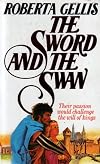
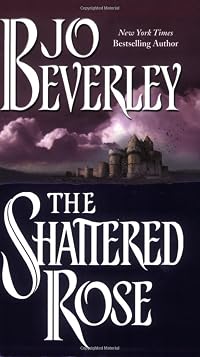
Third in the Stephen trilogy of historical romances. These are set during ‘The Anarchy’ - the earlier English Civil War during the reign of King Stephen, not the War of the Roses or the later period commonly known as the English Civil War. They are also pretty true to period, so make uncomfortable reading with the general brutality and treatment of women and the lower classes, especially the non-free serfs. If you are expecting a book that panders to twentieth century sensibilities especially relating to romance, these are books you should not read.
These books cover three marriages in an age where the modern concept of romantic love was largely unknown or the province of the troubadours. Marriages were made to cement alliances, show more consolidate property or for the man’s gain. Women had very little to say in who they would marry - that was arranged by their parents with the approval of their overlord. Frequently the first time bride and groom met was at the altar. Often there was a significant age difference; the wife may well be the second or third wife, earlier wives dying from disease or in child birth. Women were also chattels; initially of their father or male guardian, after marriage, of their husband. Their lives and property were literally in their male relative’s hands; they were expected to obey and were subject to physical brutality if they did not. The marriage bed was the same - once wed, they could not deny the use of their body - at that time, the concept of marital rape was not thought of; rape was when a man took a woman by force that he was not married to.
In the 1st and 3rd books, the story starts (more or less) with the woman being married to the man with no choice in the matter and little notice. The second book the woman was sufficiently indulged by her father that his choice of husband was approved by her. Either way, the stories are about husband and wife getting to know each other and making accommodation to end with a good marriage, if not what we would consider a good marriage by today’s standards.
The 3 books are sequential and although they are self-contained, the later books reference characters in the earlier books, especially in relation to the political background and family alliances, so it is best to read them in order. All 3 deal with the misunderstandings inherent when 2 people don’t know each other at all and how they are resolved to come to a liveable, if not amicable, living arrangement.
Recommended for their open-eyed historiocity, and sparing application of modern romance tropes. Be warned that if you are expecting a sanitised view of medieval life, you won’t be getting it - these knights in shining armour stink to high heaven, beat their womenfolk, servants and serfs, indulge in non-consensual sex at best, rape at worst, pillage their enemies property and generally behave like misogynist pigs. show less
These books cover three marriages in an age where the modern concept of romantic love was largely unknown or the province of the troubadours. Marriages were made to cement alliances, show more consolidate property or for the man’s gain. Women had very little to say in who they would marry - that was arranged by their parents with the approval of their overlord. Frequently the first time bride and groom met was at the altar. Often there was a significant age difference; the wife may well be the second or third wife, earlier wives dying from disease or in child birth. Women were also chattels; initially of their father or male guardian, after marriage, of their husband. Their lives and property were literally in their male relative’s hands; they were expected to obey and were subject to physical brutality if they did not. The marriage bed was the same - once wed, they could not deny the use of their body - at that time, the concept of marital rape was not thought of; rape was when a man took a woman by force that he was not married to.
In the 1st and 3rd books, the story starts (more or less) with the woman being married to the man with no choice in the matter and little notice. The second book the woman was sufficiently indulged by her father that his choice of husband was approved by her. Either way, the stories are about husband and wife getting to know each other and making accommodation to end with a good marriage, if not what we would consider a good marriage by today’s standards.
The 3 books are sequential and although they are self-contained, the later books reference characters in the earlier books, especially in relation to the political background and family alliances, so it is best to read them in order. All 3 deal with the misunderstandings inherent when 2 people don’t know each other at all and how they are resolved to come to a liveable, if not amicable, living arrangement.
Recommended for their open-eyed historiocity, and sparing application of modern romance tropes. Be warned that if you are expecting a sanitised view of medieval life, you won’t be getting it - these knights in shining armour stink to high heaven, beat their womenfolk, servants and serfs, indulge in non-consensual sex at best, rape at worst, pillage their enemies property and generally behave like misogynist pigs. show less
Good story, silly romance. The setting and the characterization are excellent - it's a very rich story, with the politics and battles of the end of Stephen's reign as background and drivers for the action. The romance, however, is heavily dependent on the trope of misunderstandings - bigger than the usual, since it's literally matters of life and death, loyalty and duty that they misunderstand each other about, but still misunderstandings. Why is he so cold? Because first he thinks she's a rebel and is afraid she might convince him against his oaths to turn to Henry; later, he hopes that she will do so, leaving him behind because he will endanger her and his children. Why does she lie to him? More or less the same - she believes he will show more be so bound by duty and loyalty that he will refuse to take reasonable action to protect himself and his. Sheesh. She's righter than he is, but they're both silly. And I don't care, it's a great story and one I'll reread. Also, this is a prequel to the Roselynde books - Rannulf (as it's spelled here) and Catherine are - I think Alinor's grandparents? So now I need to read at least the first couple books there, to link this in to the story I already know. show less
Ratings
Members
- Recently Added By
Author Information

56+ Works 5,522 Members
Series


Work Relationships
Common Knowledge
- Canonical title
- The Sword and the Swan
- Original publication date
- 1977
- People/Characters
- Stephen, King of England; Empress Maud; Sir Rannulf Tefli, master of Sleaford; Lady Catherine of Soke
- Important events
- Nineteen Year Winter (1135 | 1154)
- First words
- "Is this your thanks to me?"
- Quotations
- It is fortunate than women are more wise than honorable.
- Last words
- (Click to show. Warning: May contain spoilers.)He laughed with her.
Classifications
Statistics
- Members
- 82
- Popularity
- 387,092
- Reviews
- 3
- Rating
- (4.03)
- Languages
- English
- Media
- Paper, Ebook
- ISBNs
- 5
- ASINs
- 3