The Petty Demon
by Fyodor Sologub
On This Page
Description
A dark classic of Russia's silver age, this blackly funny novel recounts a schoolteacher's descent into sadism, arson and murder.Mad, lascivious, sadistic and ridiculous, the provincial schoolteacher Peredonov torments his students and has hallucinatory fantasies about acts of savagery and degradation, yet to everyone else he is an upstanding member of society. As he pursues the idea of marrying to gain promotion, he descends into paranoia, sexual perversion, arson, torture and murder. show more Sologub's anti-hero is one of the great comic monsters of twentieth-century fiction, subsequently lending his name to the brand of sado-masochism known as Peredonovism. The Little Demon (1907) made an immediate star of its author who, refuting suggestions that the work was autobiographical, stated 'No, my dear contemporaries ... it is about you'. This grotesque mirror of a spiritually bankrupt society is arguably the finest Russian novel to have come out of the Symbolist movement.Fyodor Sologub was born in St Petersburg in 1863. His first two novels Bad Dreams (1896) and The Little Demon (1907) were drawn from his own experiences as schoolmaster in a remote provincial town. For many years Sologub could not find a publisher for The Little Demon but when in 1907 the novel was at last published - to immediate and resounding success - he was able to leave his restricting career and devote himself to literature. In 1921 his wife committed suicide and Sologub died a few years later in 1927. Ronald Wilks studied Russian language and literature at Trinity College,Cambridge, after training as a Naval interpreter, and later Russian literature at London University. He has translated many works from Russian for Penguin Classics, including books by Gorky, Gogol, Pushkin, Tolstoy and Chekhov. show lessTags
Recommendations

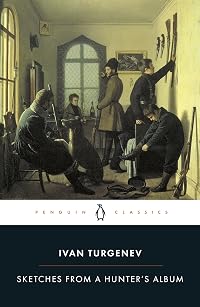
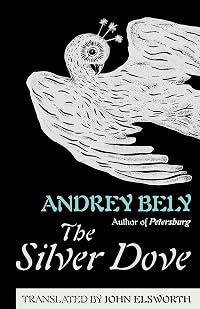
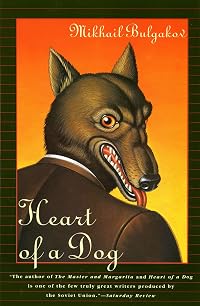
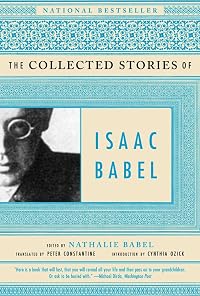
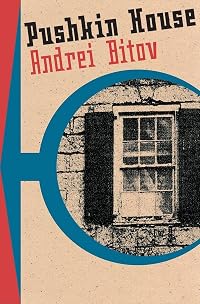
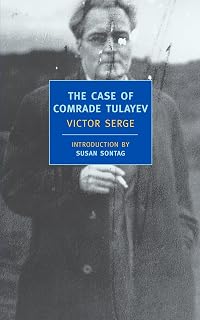
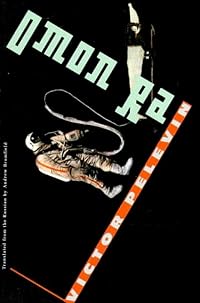
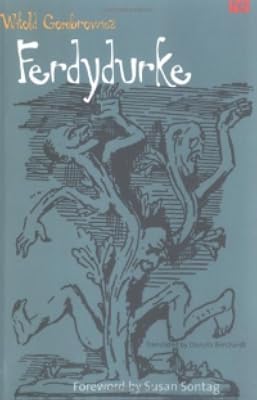
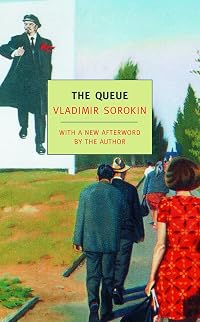
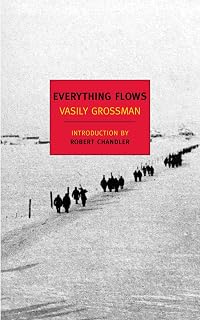
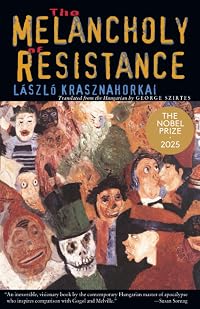
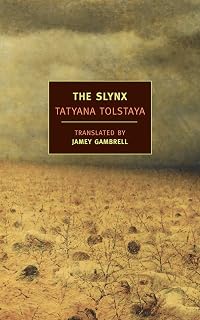



Member Recommendations
Member Reviews
This is a great romp into the darkness of man, the petty demon inside all of us. Because the title does not refer only to Peredònov as one might initially think, but to the stupid egoisms and fears that make us all petty paranoiacs.
The book is hilarious with some great visual humor which I think someone should capture in theatre. Maybe take a chapter or two or something, and make a little 3-act play.
It gets more surreal as you turn the pages until that final shock which you knew was coming....
The book is hilarious with some great visual humor which I think someone should capture in theatre. Maybe take a chapter or two or something, and make a little 3-act play.
It gets more surreal as you turn the pages until that final shock which you knew was coming....
Its not your typical classic Russian Novel. And it most certainly is NOT Dostoevsky but that's okay. "The Petty Demon" is an entertaining and revealing romp through the realities of rural Russian life at the beginning of the 20th century. Sologub mixes humor, sensuality, and horror in what one reviewer called "the high water mark of Russian Decadent prose".
Thanks to numerous edits, censoring, and translations, the text can be a bit choppy at times but the fascinating description of the main character's mental decline keeps the reader engaged.
If you're up for a well-written, none-too-serious, and entertaining read, this is a book for you. Not to mention, you will learn about "nedotykomka".
Thanks to numerous edits, censoring, and translations, the text can be a bit choppy at times but the fascinating description of the main character's mental decline keeps the reader engaged.
If you're up for a well-written, none-too-serious, and entertaining read, this is a book for you. Not to mention, you will learn about "nedotykomka".
Very enjoyable tale of provincial madness, marred only by a too-rigid adherence to Gogol's 'character goes around to visit other characters, hilarity ensues' mode. And that passes soon enough.
It wasn't too bad of a book. I just couldn't really get into it because everything seemed to move slowly. Although there were interesting bits where I wanted to keep reading. Those moments were fleeting, unfortunately. What I can say was that the ending was good. There was a build up that was really slow, as I said, but the outcome made a good read.
Its pretty much about a man trying to get into a higher station in life and being paranoid the whole way there. There is scandalous side story that, in my opinion, was the best part of the book. Which is why it only earned 3 stars.
Its pretty much about a man trying to get into a higher station in life and being paranoid the whole way there. There is scandalous side story that, in my opinion, was the best part of the book. Which is why it only earned 3 stars.
Sottoscrivo il commento di Razgul. Non avrei potuto aggiungere nulla. Se non che sarò eternamente grato a chi me lo ha fatto scoprire ;-)
Ratings
Members
- Recently Added By
Lists

1001 Books You Must Read Before You Die
1,448 works; 1,133 members

Russian Literature
184 works; 32 members

1900s (Decade, not century)
73 works; 17 members

Best of World Literature
435 works; 52 members

20th Century Literature
1,161 works; 55 members

Books about Russia and the former USSR
67 works; 12 members

Best Antiheroes and Antiheroines
119 works; 7 members
Talk Discussions
Past Discussions
Fyodor Sologub in Fans of Russian authors (February 2023)
Author Information

Sologub was a member of the symbolist movement, particularly in its early decadent phase. A schoolteacher and school official for many years, he began to publish in the 1890s. His first novel was Bad Dreams (1896), a depiction of a hero struggling against provincial surroundings. He attracted wide attention with his second novel, The Petty Demon show more (1907), in which another provincial town, brilliantly satirized, is the background for the brutish Peredonov's descent into paranoia. This novel, standing at the transition from realist to modernist fiction, has been widely translated and was for a long time the only Sologub work available to Soviet readers. The trilogy The Created Legend (1907--13) is an ambitious attempt to lay out in narrative form Sologub's highly integrated, quasi-mythological worldview: very controversial, it was not judged successful. Sologub also won recognition as a major Silver Age lyric poet, with verse notable for its economy and lyricism. Like much of his prose, it reflects Sologub's pessimistic, dualistic philosophy, which inverts traditional symbols of good and evil. However---moving in its simplicity, power, and authenticity---it is far more successful. (Bowker Author Biography) show less
Some Editions
Awards and Honors
Notable Lists
Series
Belongs to Publisher Series
Common Knowledge
- Canonical title
- The Petty Demon
- Original title
- Мелкий бес
- Alternate titles
- The Little Demon
- Original publication date
- 1905
- People/Characters*
- Ardalion Borisyc Peredonov; Varvara Dmietrievna Malosina; Rutilov; Natalija Afanasievna Versina; Marta; Vladislav (show all 35); Pavel Vasilievic Volodin; Sofija Efimovna Prepolovenskaja; Irinja Stepanovna Ersova; Marija Osipovna Grusina; Darija; Ljudmila; Valerija; Konstantin Petrovic Prepolovenskj; Nadezda Vasilievna Adamenko; Nikolaj Vadimovic Rubovskij; Misa Kudrjavcev; Sergej Potapovic Bogdanov; Jakov Anikievic Skucaev; Tiskov; Aleksandr Alekseevic Avinovickij; Aleksandr Michajlovic Veriga; Ivan Stepanovic Kirillov; Georgij Semenovic Trepetov; Klavdija; Semen Grigorievic Mincukov; Sasa Pylnikov; Nikolaj Vlasevic Chripac; Nikolaj Michajlovic Gudaevskij; Julija Petrovna Gudaevskaja; Kramarenko; Murin; Vitkevic; Sergej Potapyc Bogdanov; Macigin
- Original language
- Russian
*Some information comes from Common Knowledge in other languages. Click "Edit" for more information.
Classifications
- Genres
- General Fiction, Fiction and Literature
- DDC/MDS
- 891.733 — Literature & rhetoric Literatures of other languages East Indo-European and Celtic literatures Russian and East Slavic languages Russian fiction 1800–1917
- LCC
- PG3470 .T4 .M413 — Language and Literature Slavic languages and literatures. Baltic languages. Albanian language Slavic. Baltic. Albanian Russian literature Individual authors and works 1870-1917
- BISAC
Statistics
- Members
- 581
- Popularity
- 50,734
- Reviews
- 5
- Rating
- (3.75)
- Languages
- 15 — Danish, Dutch, English, French, German, Hebrew, Hungarian, Italian, Japanese, Polish, Portuguese (Portugal), Russian, Croatian, Spanish, Swedish
- Media
- Paper, Audiobook, Ebook
- ISBNs
- 47
- ASINs
- 20