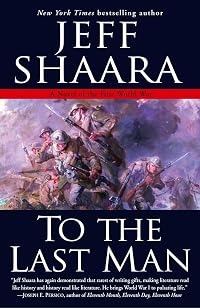
To the Last Man
by Jeff Shaara
On This Page
Description
Fiction. Literature. Thriller. Historical Fiction. HTML:Jeff Shaara has enthralled readers with his New York Times bestselling novels set during the Civil War and the American Revolution. Now the acclaimed author turns to World War I, bringing to life the sweeping, emotional story of the war that devastated a generation and established America as a world power.Spring 1916: the horror of a stalemate on Europe’s western front. France and Great Britain are on one side of the barbed wire, a show more fierce German army is on the other. Shaara opens the window onto the otherworldly tableau of trench warfare as seen through the eyes of a typical British soldier who experiences the bizarre and the horrible–a “Tommy” whose innocent youth is cast into the hell of a terrifying war.
In the skies, meanwhile, technology has provided a devastating new tool, the aeroplane, and with it a different kind of hero emerges–the flying ace. Soaring high above the chaos on the ground, these solitary knights duel in the splendor and terror of the skies, their courage and steel tested with every flight.
As the conflict stretches into its third year, a neutral America is goaded into war, its reluctant president, Woodrow Wilson, finally accepting the repeated challenges to his stance of nonalignment. Yet the Americans are woefully unprepared and ill equipped to enter a war that has become worldwide in scope. The responsibility is placed on the shoulders of General John “Blackjack” Pershing, and by mid-1917 the first wave of the American Expeditionary Force arrives in Europe. Encouraged by the bold spirit and strength of the untested Americans, the world waits to see if the tide of war can finally be turned.
From Blackjack Pershing to the Marine in the trenches, from the Red Baron to the American pilots of the Lafayette Escadrille, To the Last Man is written with the moving vividness and accuracy that characterizes all of Shaara’s work. This spellbinding new novel carries readers–the way only Shaara can–to the heart of one of the greatest conflicts in human history, and puts them face-to-face with the characters who made a lasting impact on the world. show less
Tags
Recommendations

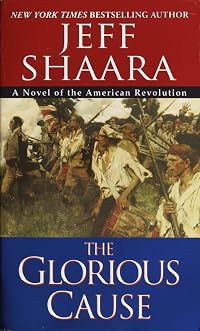
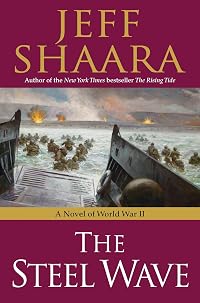
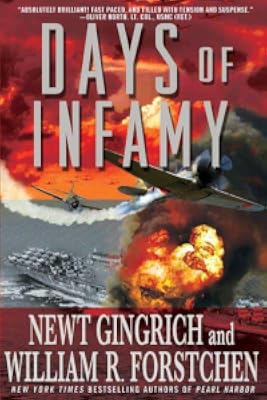

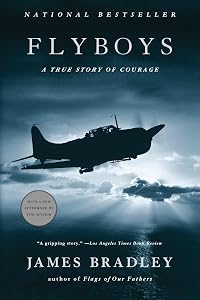

Member Recommendations
Member Reviews
I appreciated this book as a complement to the historical reading I've been doing. I must admit to not having much interest in military histories and tend to avoid them. So this book was a good way for me to learn some of the military history of WWI. The most moving passage, for me, came on p. 603: "The cheering behind him became a faint echo now, and he thought, How can this be true? How can this just ... end? He felt the taut spring in his mind slowly loosening, the hate and the horror and the images of so much death starting to move inside him. He looked to the side, saw some of the Marines dropping to their knees, and Temple felt it now, the utter exhaustion, was kneeling as well, the rifle falling from his hands, so many show more nightmares, so much sadness, the numbness starting to wear away. In the soft silence, he lowered his head, and began to cry. " show less
I am a huge fan of historical novels and history in general, yet despite being an avid reader for over 35 years, do not recall ever reading a novel dealing with the First World War. Why is this?
I've read many novels centering on the Revolutionary War, dozens dealing with the Civil War (one of the best, Killer Angels, written by Jeff Shaara's father, Michael), likewise World War II and Vietnam. Maybe a couple on Korea, but never World War I, which is a shame, because as this novel so clearly demonstrates, it is an event rich with material.
Written in a style identical to that frequently used by his father (selecting several combatents and following the events through their eyes), Shaara successfully takes us from the trenches, to the show more skies and finally to Pershing's AEF headquarters, with all the political intrigue surrounding it.
I must admit to being almost embarressed by my lack of knowledge of this key era in American history. My only familiarity with The Red Baron (Baron von Richtofen) having been provided by Snoopy's narrative as he pilots his Sopwith Camel. This novel has left me wanting to learn more about the conflict and the personalities involved. show less
I've read many novels centering on the Revolutionary War, dozens dealing with the Civil War (one of the best, Killer Angels, written by Jeff Shaara's father, Michael), likewise World War II and Vietnam. Maybe a couple on Korea, but never World War I, which is a shame, because as this novel so clearly demonstrates, it is an event rich with material.
Written in a style identical to that frequently used by his father (selecting several combatents and following the events through their eyes), Shaara successfully takes us from the trenches, to the show more skies and finally to Pershing's AEF headquarters, with all the political intrigue surrounding it.
I must admit to being almost embarressed by my lack of knowledge of this key era in American history. My only familiarity with The Red Baron (Baron von Richtofen) having been provided by Snoopy's narrative as he pilots his Sopwith Camel. This novel has left me wanting to learn more about the conflict and the personalities involved. show less
Jeff Shaara comes through again with this soul searching novel about the seemingly senseless carnage that was the First World War. The war begins in 1914 and most of the book is devoted to the war prior to America’s entrance, as it should be.
Imaginative descriptions of both ground and aerial combat fill the pages. The Baron von Richthofen comes to life with his 80 kills but Shaara also introduces to the reader a French born American by the name of Raoul Lufbury who was a master of the skies as well. Most of his kills fell behind enemy lines and could not be confirmed so estimates vary wildly, but his total estimates range from 35 to as high as sixty. And a small group of other American volunteer pilots, whose exploits between 1914 to show more 1917 helped keep the war before American eyes, served in the French Air Force and were known as the Layfette Escadrille.
Eventually American President Woodrow Wilson succumbs to pressures and asks Congress to declare war in 1917, arriving in sufficient force to begin significant fighting by 1918.
General John J. “Blackjack” Pershing is placed in charge of all American forces sent to Europe with instructions that our Doughboys were to be kept together as a fighting unit and to resist all pressure from both the British and the French to simply use them as casualty replacements in the endless slaughter of the Western Front trenches. And these fresh troops, proved to be the difference turning the war from a near Allied defeat into an Allied victory.
Although classified as historical fiction, his writings are based on solid historical research and the reader can learn much about the war, the personalities, the motives, the causes and results, by reading his works. As one reviewer has already noted (Joseph E. Persico), “Jeff Shaara [makes] literature read like history and history read like literature.” I could not agree more. show less
Imaginative descriptions of both ground and aerial combat fill the pages. The Baron von Richthofen comes to life with his 80 kills but Shaara also introduces to the reader a French born American by the name of Raoul Lufbury who was a master of the skies as well. Most of his kills fell behind enemy lines and could not be confirmed so estimates vary wildly, but his total estimates range from 35 to as high as sixty. And a small group of other American volunteer pilots, whose exploits between 1914 to show more 1917 helped keep the war before American eyes, served in the French Air Force and were known as the Layfette Escadrille.
Eventually American President Woodrow Wilson succumbs to pressures and asks Congress to declare war in 1917, arriving in sufficient force to begin significant fighting by 1918.
General John J. “Blackjack” Pershing is placed in charge of all American forces sent to Europe with instructions that our Doughboys were to be kept together as a fighting unit and to resist all pressure from both the British and the French to simply use them as casualty replacements in the endless slaughter of the Western Front trenches. And these fresh troops, proved to be the difference turning the war from a near Allied defeat into an Allied victory.
Although classified as historical fiction, his writings are based on solid historical research and the reader can learn much about the war, the personalities, the motives, the causes and results, by reading his works. As one reviewer has already noted (Joseph E. Persico), “Jeff Shaara [makes] literature read like history and history read like literature.” I could not agree more. show less
For those unfamiliar with Jeff Shaara's work, this is a history of World War 1 from the point of view of 4 men. Raoul Lufberry, Manfred von Richthoften, Black Jack Pershing and Roscoe Temple. Shaara does not detail much about units or battles or timelines, instead he follows each individual through their daily lives as they move through the war. Unlike some of his books, 2 of his subjects don't survive the war and their story ends suddenly. If you aren't looking for a lot of numbers, information on weapons or precise battle detail, this is a great book. He presented enough information, with enough detail, and enough about the daily events of each person that the horror of this war comes through. If you have already closely studied any show more of the subjects, this book may not be for you as you may not agree with his interpretations. For everyone else, this is a great story of the war in France and Belgium. show less
This is a story of the US’s role in World War I. It has two major threads which weave into three sections.
The first thread is about the politics of the war, the second part is about the role of the men fighting the war.
These threads are intertwined through the three sections. These sections represent phases of the US involvement: commitment and preparation, moving troops, and action. There is also a short post-war segment.
The author commented that he included a lot of personal stories and journals in his research, these people were included in the stories, there is a brief introduction to a few of them at the beginning and a short post-war history of many is included at the end of the book.
Dates are scattered throughout the book that show more helps tie events to a point in history. The book also includes a number of battle maps, I presume they are authentic and they helped me identify places of the actions, but otherwise didn’t really add any value to the story.
The book opens with an introduction of the war through the eyes of some soldiers including von Richtofen. Airplanes are first seen as a military tool, first for reconnaissance, then as combat tools. We are shown the formation of the first squadrons. Some Americans are drawn to the war as a good fight and the chance to fly. We are introduced to a number of the flying aces, such as Raoul Lufbery, and the formation of L’Èscradrille de Lafayette, a squadron of American flyers fighting under the French flag. This part of the book mostly follows the stories of Manfred von Richtofen and Raoul Lufbery.
In the second part America commits itself to the war but has no war capabilities. John Pershing is assigned based on his record in the Spanish-American War. He doesn’t receive any support and has to use his efforts and contacts to make things happen. He goes to France and ends up, to his own chagrin, being a bit of a politician as the learns of the different expectations of France and England on the type of support the Americans will provide. He has to fight their insistences that the US soldiers will fight under their flags.
This part still follows the air war as their equipment continues to improve along with their tactics. We see the death of both Richofen and Lufbery.
In the last part of the book we are shown the horrors of war. This is mostly about the experience of a foot soldier, Private Roscoe Temple. He feels the discontent of a soldier as he finds himself marching one way, then back without any information as to why, although as a reader we are privy to knowledge and discussions of Pershing. We encounter his life in the trenches, his discomfort from lack of food, water and clean clothes. Then as he sees his friends and comrades die.
Pursuing a German retreat we are shown a range of feelings and see him grow from a recruit to a veteran soldier.
There is a short post-war portion of the book that talks about the postwar politics as the allied powers discuss among themselves what kind of conditions that Germany should suffer. Pershing was omitted from the final ceremony because he and FDR wanted to offer Germany more consideration while France and England demanded an unconditional surrender.
Overall the book was enjoyable. I felt that some of the sections could have been shorter. It seemed that the French leaders fawned over Pershing a bit much, it didn’t seem natural nor reasonable for an official.
Then too much of the story was of the form of telling the reader rather than showing them. Much of it was first person seeing the thoughts of the current character. The story would have been better, if not longer, if a lot of this had been in a more interactive story form.
There was no mention of the 369th Infantry Regiment, knows as the Harlem Hellfighters who were assigned to the French army due to prejudice in the US Army. This is mostly significant since Pershing felt bad about it and commented that he would never do it again. I believe is it the only unit in our history that was assigned to fight for a foreign flag. It feels like it should have been part of this story. show less
The first thread is about the politics of the war, the second part is about the role of the men fighting the war.
These threads are intertwined through the three sections. These sections represent phases of the US involvement: commitment and preparation, moving troops, and action. There is also a short post-war segment.
The author commented that he included a lot of personal stories and journals in his research, these people were included in the stories, there is a brief introduction to a few of them at the beginning and a short post-war history of many is included at the end of the book.
Dates are scattered throughout the book that show more helps tie events to a point in history. The book also includes a number of battle maps, I presume they are authentic and they helped me identify places of the actions, but otherwise didn’t really add any value to the story.
The book opens with an introduction of the war through the eyes of some soldiers including von Richtofen. Airplanes are first seen as a military tool, first for reconnaissance, then as combat tools. We are shown the formation of the first squadrons. Some Americans are drawn to the war as a good fight and the chance to fly. We are introduced to a number of the flying aces, such as Raoul Lufbery, and the formation of L’Èscradrille de Lafayette, a squadron of American flyers fighting under the French flag. This part of the book mostly follows the stories of Manfred von Richtofen and Raoul Lufbery.
In the second part America commits itself to the war but has no war capabilities. John Pershing is assigned based on his record in the Spanish-American War. He doesn’t receive any support and has to use his efforts and contacts to make things happen. He goes to France and ends up, to his own chagrin, being a bit of a politician as the learns of the different expectations of France and England on the type of support the Americans will provide. He has to fight their insistences that the US soldiers will fight under their flags.
This part still follows the air war as their equipment continues to improve along with their tactics. We see the death of both Richofen and Lufbery.
In the last part of the book we are shown the horrors of war. This is mostly about the experience of a foot soldier, Private Roscoe Temple. He feels the discontent of a soldier as he finds himself marching one way, then back without any information as to why, although as a reader we are privy to knowledge and discussions of Pershing. We encounter his life in the trenches, his discomfort from lack of food, water and clean clothes. Then as he sees his friends and comrades die.
Pursuing a German retreat we are shown a range of feelings and see him grow from a recruit to a veteran soldier.
There is a short post-war portion of the book that talks about the postwar politics as the allied powers discuss among themselves what kind of conditions that Germany should suffer. Pershing was omitted from the final ceremony because he and FDR wanted to offer Germany more consideration while France and England demanded an unconditional surrender.
Overall the book was enjoyable. I felt that some of the sections could have been shorter. It seemed that the French leaders fawned over Pershing a bit much, it didn’t seem natural nor reasonable for an official.
Then too much of the story was of the form of telling the reader rather than showing them. Much of it was first person seeing the thoughts of the current character. The story would have been better, if not longer, if a lot of this had been in a more interactive story form.
There was no mention of the 369th Infantry Regiment, knows as the Harlem Hellfighters who were assigned to the French army due to prejudice in the US Army. This is mostly significant since Pershing felt bad about it and commented that he would never do it again. I believe is it the only unit in our history that was assigned to fight for a foreign flag. It feels like it should have been part of this story. show less
To the Last Man, by Jeff Shaara is the semi-fictional account of several men in World War I. The book covers two main three main areas of the war. The Lafayette Espadrille and The Red Baron, General Pershing, and a Marine; Private Rosco Temple.
The first section of the book lays the ground work and the second section brings the air war into play. The air war is covered from the point of view of French born America Raoul Lufberry telling the story of the Lafayette Espadrille and Baron von Richtofen telling the German side in alternating Chapters. The writing compelling, telling both personal thoughts and giving an history of events and information on the planes. It is easy to forget you are reading a novel and not reading a memoir.
In the show more middle of the second section General Pershing is introduced and becomes part of the alternating chapters. His story continues into the third section which primarily covers Private Roscoe Temple. As much as I am a sucker for Biplane stories in World War I, this Marine is much more taken in by Shaara's story of Pvt. Temple. First, Shaara does what few people outside of the Marine Corps do, and that is capitalize the “M” in Marine. Secondly, every story I heard from bootcamp was in the book “Retreat, hell we just got here.” to the Marines at Belleau Wood and the renaming of the woods in their honor. Shaara does a wonderful job of capturing the Marine spirit in the book. Everything from Marines complaining they are issued army uniforms without a Marine insignia bravery in battle. Pvt. Temple is a filler in a army squad that is mostly gunned down. The army sergeant wants the squad to hold their position because there are too many Germans to fight. Pvt Temple speaks up that if there are to many Germans we need to fix that. The sergeant is taken back and assumes Temple is an officer. Temple replies “ I'm not an officer, just a Marine.”
Overall a great read. show less
The first section of the book lays the ground work and the second section brings the air war into play. The air war is covered from the point of view of French born America Raoul Lufberry telling the story of the Lafayette Espadrille and Baron von Richtofen telling the German side in alternating Chapters. The writing compelling, telling both personal thoughts and giving an history of events and information on the planes. It is easy to forget you are reading a novel and not reading a memoir.
In the show more middle of the second section General Pershing is introduced and becomes part of the alternating chapters. His story continues into the third section which primarily covers Private Roscoe Temple. As much as I am a sucker for Biplane stories in World War I, this Marine is much more taken in by Shaara's story of Pvt. Temple. First, Shaara does what few people outside of the Marine Corps do, and that is capitalize the “M” in Marine. Secondly, every story I heard from bootcamp was in the book “Retreat, hell we just got here.” to the Marines at Belleau Wood and the renaming of the woods in their honor. Shaara does a wonderful job of capturing the Marine spirit in the book. Everything from Marines complaining they are issued army uniforms without a Marine insignia bravery in battle. Pvt. Temple is a filler in a army squad that is mostly gunned down. The army sergeant wants the squad to hold their position because there are too many Germans to fight. Pvt Temple speaks up that if there are to many Germans we need to fix that. The sergeant is taken back and assumes Temple is an officer. Temple replies “ I'm not an officer, just a Marine.”
Overall a great read. show less
This is my favorite of all of Jeff Shaara's historical novels. There is something about the character's of the American flyers, the members of the Lafayette Escadrille, and even the Red Baron, that were so engaging, much more so than the characters in his other books. These characters kept me reading into all hours of the night, and I was sorry to see the book end.
Members
- Recently Added By
Author Information

34+ Works 18,543 Members
Jeff Shaara was born in New Brunswick, New Jersey on February 21, 1952. He received a degree in criminology from Florida State University in 1974. He was a professional dealer in rare coins for many years and operated his own business in Tampa until the death of his father, Michael Shaara, in 1988, when he became actively involved in the elder show more Shaara's literary estate. He continued his father's work by researching the history of the characters his father had brought to life in The Killer Angels, and in 1996 his prequel, Gods and Generals, was published. The book was awarded the American Library Association's Boyd Award for Excellence in Military Fiction and was adapted into a motion picture in 2003. His other works include The Last Full Measure, Rise to Rebellion, The Glorious Cause, The Steel Wave, No Less Than Victory, The Final Storm, A Blaze of Glory, A Chain of Thunder, The Smoke at Dawn, and The Fateful Lightning. He received another Boyd Award for To the Last Man. (Bowker Author Biography) show less
Awards and Honors
Work Relationships
Common Knowledge
- Canonical title
- To the Last Man
- Original publication date
- 2004
- People/Characters
- John Pershing; Raoul Lufbery; Roscoe Temple; Manfred von Richthofen; Lothar von Richtofen; Bill Thaw (show all 16); Edwin Parsons; Georges Thenault; Billy Mitchell; Edward Rickenbacker; Erich Ludendorff; Paul von Hindenburg; Henri-Philippe Pétain; Ferdinand Foch; Marshall Joseph Joffre; Sir Douglas Haig
- Important events
- World War I (1914 | 1918)
- Blurbers
- Franks, Tommy R.; Clark, Wesley; Forbes, Steve; Persico, Joseph; Mosier, John
Classifications
Statistics
- Members
- 1,100
- Popularity
- 23,174
- Reviews
- 21
- Rating
- (3.89)
- Languages
- English
- Media
- Paper, Audiobook, Ebook
- ISBNs
- 16
- ASINs
- 6