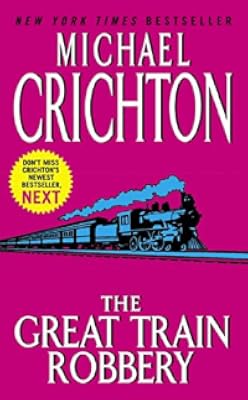
The Great Train Robbery
by Michael Crichton
On This Page
Description
In teeming Victorian London, where lavish wealth and appalling poverty live side by side, Edward Pierce charms the most prominent of the well-to-do as he cunningly orchestrates the crime of the century. Who would suspect that a gentleman of breeding could mastermind the daring theft of a fortune in gold? Who could predict the consequences of making the extraordinary robbery aboard the pride of England's industrial era, the mighty steam locomotive? Based on fact, as lively as legend, and show more studded with all the suspense and style of a modern fiction master, here is a classic caper novel set a decade before the age of dynamite--yet nonetheless explosive ... show lessTags
Recommendations



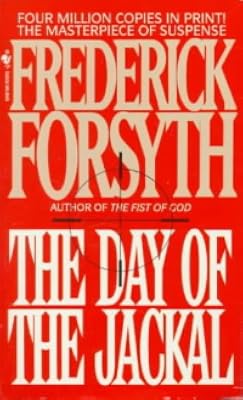
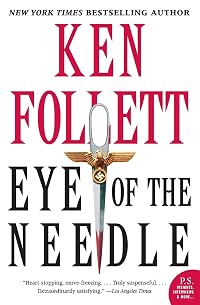
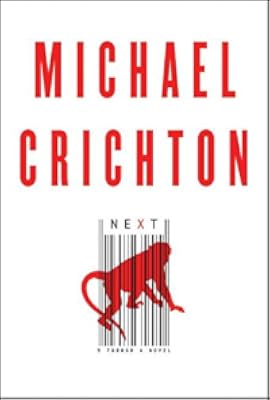

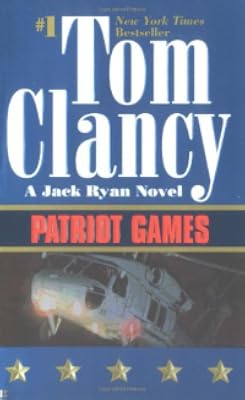





Member Recommendations

anonymous user If you enjoy the novel, the film is a must - and vice versa. Crichton wrote the screenplay and directed himself. There are plenty of changes, but all of them work well on the screen. Sean Connery and Donald Sutherland are perfect in the leading roles, as is everybody in the large supporting cast. The production design is not the most lavish possible, but that's a minor defect.
Member Reviews
It was MAGIC! A fortune in gold was placed in two safes mounted in a special railroad car, under the watchful eyes of government and railway officials. The safes were locked. The doors to the carriage were locked. The car had been designed and constructed to be impenetrable. The train left the station. When it arrived at its destination, the car was unlocked, the safes opened, and—PRESTO CHANGO—the gold had been transmogrified into hundreds of steel balls.
The year was 1854. It would be two years before three men were brought to trial. The court record is voluminous, as is the journalistic record. Michael Crichton used these sources to assemble his narrative. But let us not overlook Crichton's mastery of storytelling here. He brings show more the characters, whether low-lifes or "respectable" citizens, to life through skillfully staged actions and conversations, the telling details, the timely revelations.
The mastermind was Edward Pierce, a man of unknown background but evidently of some means. Crichton wrote:
Edward Pierce…was positively exuberant in his approach to crime. Whatever his sources of income, whatever the truth of his background, one thing is certain: he was a master cracksman, or burglar, who over the years had accumulated sufficient capital to finance large-scale criminal operations, thus becoming what was called "a putter-up."
Initially, the pace is measured. Pierce has outlined his plan. He needs specialists for certain tasks. Discretion is as important as fast, efficient hands. Early in the story, Crichton described (based on court testimony) a meeting of Pierce with Robert Agar, a specialist.
The meeting was unplanned, Agar said, but he was not surprised when Pierce arrived. Agar had heard some talk about Pierce lately, and it sounded as though he might be putting up. Agar recalled that the conversation began without greetings or preliminaries.
Agar said, "I heard that Spring Heel Jack's left Westminster."
"I heard that," Pierce agreed, rapping with his silver-headed cane to draw the attention of the barman. Pierce ordered two glasses of the best whiskey, which Agar took as proof that this was to be a business discussion…
"I also heard," Agar continued, "that he took the train."
"He might have done…"
"I…heard," Agar said with a sudden grin, "that you are putting up."
"I may," Pierce said. He sipped his whiskey, and stared at the glass. "It used to be better here," he said reflectively. "Neddy must be watering his stock. What have you heard I am putting up for?"
"A robbery," Agar said. "For a ream flash pull, if truth be told."
"If truth be told," Pierce repeated. He seemed to find the phrase amusing. He turned away from the bar and looked at the women in the room. Several returned his glances warmly. "Everybody hears the pull bigger than life," he said finally.
"Aye, that's so," Agar admitted, and sighed. (In his testimony, Agar was very clear about the histrionics involved. "Now I goes and gives a big sigh, you see, like to say my patience is wearing thin, because he's a cautious one, Pierce is, but I want to get down to it, so I gives a big sigh.")
There was a brief silence. Finally Agar said, "It's two years gone since I saw you. Been busy?"
"Traveling," Pierce said.
…He looked at the glass of whiskey in Agar's hands, and the half-finished glass of gin and water Agar had been drinking before Pierce arrived. "How's the touch?"
"Ever so nice," Agar said. To demonstrate, he held out his hands, palms flat, fingers wide: there was no tremor.
"I may have one or two little things," Pierce said…
"These one or two little things, could they be crib jobs?"
"They could."
"Dicey, are they?"
"Very dicey," Pierce said.
"Inside or outside?"
"I don't know. You may need a canary or two when the time comes. And you will want a tight lip. If the first lay goes right enough, there will be more."
Agar downed the rest of his whiskey, and waited. Pierce ordered him another.
"Is it keys, then?" Agar asked.
"It is."
"Wax, or straightaway haul?"
"Wax."
"On the fly, or is there time?"
"On the fly."
"Right, then," Agar said. "I'm your man. I can do a wax on the fly faster than you can light your cigar."
"I know that," Pierce said, striking a match on the counter top and holding it to the tip of his cigar…
[Agar] watched Pierce puff on the cigar until it caught. "What's the lay to be, then?"
Pierce looked at him coldly. "You'll know when the time comes."
"You're a tight one."
"That," Pierce said, "is why I have never been in," meaning that he had no prison record.
The book is as animated as a train. Not a runaway, mind you, always under Crichton's control, whether patiently panting beside the train platform or racing at breakneck speed. [The Great Train Robbery] is an engaging, entertaining read. I recommend it highly. show less
The year was 1854. It would be two years before three men were brought to trial. The court record is voluminous, as is the journalistic record. Michael Crichton used these sources to assemble his narrative. But let us not overlook Crichton's mastery of storytelling here. He brings show more the characters, whether low-lifes or "respectable" citizens, to life through skillfully staged actions and conversations, the telling details, the timely revelations.
The mastermind was Edward Pierce, a man of unknown background but evidently of some means. Crichton wrote:
Edward Pierce…was positively exuberant in his approach to crime. Whatever his sources of income, whatever the truth of his background, one thing is certain: he was a master cracksman, or burglar, who over the years had accumulated sufficient capital to finance large-scale criminal operations, thus becoming what was called "a putter-up."
Initially, the pace is measured. Pierce has outlined his plan. He needs specialists for certain tasks. Discretion is as important as fast, efficient hands. Early in the story, Crichton described (based on court testimony) a meeting of Pierce with Robert Agar, a specialist.
The meeting was unplanned, Agar said, but he was not surprised when Pierce arrived. Agar had heard some talk about Pierce lately, and it sounded as though he might be putting up. Agar recalled that the conversation began without greetings or preliminaries.
Agar said, "I heard that Spring Heel Jack's left Westminster."
"I heard that," Pierce agreed, rapping with his silver-headed cane to draw the attention of the barman. Pierce ordered two glasses of the best whiskey, which Agar took as proof that this was to be a business discussion…
"I also heard," Agar continued, "that he took the train."
"He might have done…"
"I…heard," Agar said with a sudden grin, "that you are putting up."
"I may," Pierce said. He sipped his whiskey, and stared at the glass. "It used to be better here," he said reflectively. "Neddy must be watering his stock. What have you heard I am putting up for?"
"A robbery," Agar said. "For a ream flash pull, if truth be told."
"If truth be told," Pierce repeated. He seemed to find the phrase amusing. He turned away from the bar and looked at the women in the room. Several returned his glances warmly. "Everybody hears the pull bigger than life," he said finally.
"Aye, that's so," Agar admitted, and sighed. (In his testimony, Agar was very clear about the histrionics involved. "Now I goes and gives a big sigh, you see, like to say my patience is wearing thin, because he's a cautious one, Pierce is, but I want to get down to it, so I gives a big sigh.")
There was a brief silence. Finally Agar said, "It's two years gone since I saw you. Been busy?"
"Traveling," Pierce said.
…He looked at the glass of whiskey in Agar's hands, and the half-finished glass of gin and water Agar had been drinking before Pierce arrived. "How's the touch?"
"Ever so nice," Agar said. To demonstrate, he held out his hands, palms flat, fingers wide: there was no tremor.
"I may have one or two little things," Pierce said…
"These one or two little things, could they be crib jobs?"
"They could."
"Dicey, are they?"
"Very dicey," Pierce said.
"Inside or outside?"
"I don't know. You may need a canary or two when the time comes. And you will want a tight lip. If the first lay goes right enough, there will be more."
Agar downed the rest of his whiskey, and waited. Pierce ordered him another.
"Is it keys, then?" Agar asked.
"It is."
"Wax, or straightaway haul?"
"Wax."
"On the fly, or is there time?"
"On the fly."
"Right, then," Agar said. "I'm your man. I can do a wax on the fly faster than you can light your cigar."
"I know that," Pierce said, striking a match on the counter top and holding it to the tip of his cigar…
[Agar] watched Pierce puff on the cigar until it caught. "What's the lay to be, then?"
Pierce looked at him coldly. "You'll know when the time comes."
"You're a tight one."
"That," Pierce said, "is why I have never been in," meaning that he had no prison record.
The book is as animated as a train. Not a runaway, mind you, always under Crichton's control, whether patiently panting beside the train platform or racing at breakneck speed. [The Great Train Robbery] is an engaging, entertaining read. I recommend it highly. show less
In telling the true story of a major mid-nineteenth century crime, Crichton brings his novelist's sensibility to selecting the details that make the tale seem simultaneously real, and larger-than-life. His prose is straightforward and competent, and also evocative without being flowery.
At the same time, he manages fairly well as a historian, offering some biting social critiques of the time in question, but also putting events in their proper historical context and filling modern audiences in on the necessary background (although he does fall short in this regard a couple of times when he attempts economic analysis).
Despite the fact that the key figure, Pierce, is a contemptible blackguard, one has to admire his sheer daring and his show more incredibly intelligent cunning. It is almost as though he even planned his arrest and trial so that he would have an opportunity to tell his story on the record, and to make known his utter contempt for everything conventional (including the peers of the kingdom). If one could take this as a purely fictional novel, you could almost abstract these admirable elements of Pierce's character from the criminal specifics of his actions and consider him a sort of heroic character.
Crichton concludes the narrative rather abruptly, ending with a sentence or two about the fate of each of the key figures when it's known. Perhaps this is Crichton's way of prompting us to draw our own conclusions, or of suggesting that we simply take this story for what it is---a remarkable criminal caper. show less
At the same time, he manages fairly well as a historian, offering some biting social critiques of the time in question, but also putting events in their proper historical context and filling modern audiences in on the necessary background (although he does fall short in this regard a couple of times when he attempts economic analysis).
Despite the fact that the key figure, Pierce, is a contemptible blackguard, one has to admire his sheer daring and his show more incredibly intelligent cunning. It is almost as though he even planned his arrest and trial so that he would have an opportunity to tell his story on the record, and to make known his utter contempt for everything conventional (including the peers of the kingdom). If one could take this as a purely fictional novel, you could almost abstract these admirable elements of Pierce's character from the criminal specifics of his actions and consider him a sort of heroic character.
Crichton concludes the narrative rather abruptly, ending with a sentence or two about the fate of each of the key figures when it's known. Perhaps this is Crichton's way of prompting us to draw our own conclusions, or of suggesting that we simply take this story for what it is---a remarkable criminal caper. show less
This was fun. A "highly fictionalized" (according to the wiki gods) account of the planning and execution of the theft of gold bullion (worth approximately 1.2 million dollars in today's money) from a train in motion on the London to Folkestone run in 1855. The word "novel" is prominent on the cover, so no one should be misled, but it reads very much like good narrative non-fiction. For sheer 19th century hi-jinks, though, this is right up there with The Wild, Wild, West, and almost as preposterous. Liberties are taken with the facts, but it did happen, and almost caused an international incident as the gold was bound for France. As usual, Crichton's story-telling is irresistible.
This is by far my favorite Crichton book that I have read, perhaps because it is so unlike most of his work. Instead of focusing on modern society and the technology we create, it is set in the past, meaning that there are not nearly as many asides explaining either technology or philosophy regarding said technology. Its also a caper story, and I love a good caper, watching criminals come up with a plan and execute it. Its just a fun book, and that's not an adjective I would use to describe most of his work.
I really enjoyed this historical novel on the The Great Gold Robbery (not the train robbery a century later that made Ronnie Briggs famous) when on he night of 15 May 1855 gold sent from London Bridge station for Paris was swapped en route for lead. Crichton's research in the underworld economy and slang of the time make this evocative and engrossing. The (literal) years of preparation and execution make for compelling reading while it does seem that the aftermath and trials are given short shrift Now I have to see the movie based on the book.
In 1855 a gang of thieves carried out an elaborate scheme to rob a train of the gold bullion scheduled to serve as payroll for the soldiers fighting in the Crimean War. “The Victorians always referred to this crime in capital letters, as The Great Train Robbery.” This is Crichton’s fictionalized novel based on what is known of the truth, with a good deal of conjecture and embellishment.
What a rollicking good story! I was entertained from beginning to end. Crichton starts out with a recitation of the facts and sprinkles the text with details of Victorian life and the specifics which came to light during the trial. But the way he imagines the lead characters, especially Edward Pierce (the gang leader), is what really breathes life show more into the story.
I first read this back in 1975 when it was a new release. In fact, I have a book-club edition I purchased at the time. It’s always been one of my favorite books by Crichton and I’ve recommended it to people over the years as a quick, fun adventure / crime story.
The book was adapted to film in 1978, starring Sean Connery as Edward Pierce, and Donald Sutherland as his accomplice Robert Agar. It’s a pretty faithful adaptation, and well worth watching.
NOTE: This review was written on my second (or third) reading, August 2015. One of my book clubs chose it for discussion in June 2019, so I’ve re-read it yet again. And I still love it! show less
What a rollicking good story! I was entertained from beginning to end. Crichton starts out with a recitation of the facts and sprinkles the text with details of Victorian life and the specifics which came to light during the trial. But the way he imagines the lead characters, especially Edward Pierce (the gang leader), is what really breathes life show more into the story.
I first read this back in 1975 when it was a new release. In fact, I have a book-club edition I purchased at the time. It’s always been one of my favorite books by Crichton and I’ve recommended it to people over the years as a quick, fun adventure / crime story.
The book was adapted to film in 1978, starring Sean Connery as Edward Pierce, and Donald Sutherland as his accomplice Robert Agar. It’s a pretty faithful adaptation, and well worth watching.
NOTE: This review was written on my second (or third) reading, August 2015. One of my book clubs chose it for discussion in June 2019, so I’ve re-read it yet again. And I still love it! show less
A perfectly fine thriller that's clearly written to make you sympathize with the criminals. Nothing wrong with that, but there are a few moments where the tone is odd (the main character has someone killed fairly heartlessly who you were previously encouraged to root for). Worth a read during a global pandemic but their are better heist plots out there.
Members
- Recently Added By
Lists

Best Historical Fiction
620 works; 257 members

Read the book and saw the movie
1,170 works; 192 members

Historical Fiction
889 works; 91 members

Publisher's Weekly Bestsellers - Part II - 1940 - 1979
355 works; 5 members

Read in 2014
334 works; 11 members

Novels Set on Trains
11 works; 3 members
Read For Your Life
157 works; 1 member

Top Five Books of 2025
954 works; 303 members
Author Information

142+ Works 172,041 Members
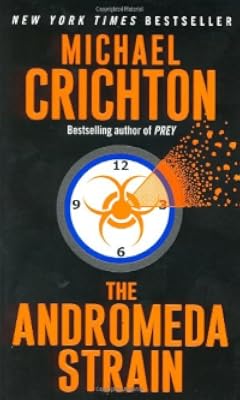
John Michael Crichton, known as Michael Crichton, was born on October 28, 1942 in Chicago, Illinois. He wrote novels while attending Harvard University and Harvard Medical School to help pay the tuition. One of these, The Andromeda Strain, which was published in 1969, became a bestseller. After graduating summa cum laude, he was a postdoctoral show more fellow at the Salk Institute in California before becoming a full-time writer and film director. His carefully researched novels included Eaters of the Dead, The Terminal Man, The Great Train Robbery, Congo, Sphere, Jurassic Park, Rising Sun, Disclosure, The Lost World, Airframe, and Micro. He also wrote non-fiction works including Five Patients: The Hospital Explained, Jasper Johns, and Travels. In the late 1960s, he also wrote under the pen names Jeffrey Hudson and John Lange. He has received several awards including Writer of the Year in 1970 from the Association of American Medical Writers and two Edgar Awards in 1968 and in 1979. Many of his novels have been made into highly successful films, six of which he directed. He was also the creator and executive producer of the Emmy Award-winning television series ER. In addition to his writing and directorial success, his expertise in information science enabled him to run a software company and develop a computer game. He died of cancer on November 4, 2008 at the age of 66. (Bowker Author Biography) show less
Some Editions
Awards and Honors
Distinctions
Series
Belongs to Publisher Series
Work Relationships
Is contained in
Has the adaptation
Is abridged in
Het Beste Boek 77: De baby en het slagschip / De grote treinroof / De gevaarlijke erfenis / De patiënten by Reader's Digest
Reader's Digest Condensed Books: The Great Train Robbery • Blind Love • Brown on Resolution • Where are the Children? • Among the Elephants by Reader's Digest
Selecciones Reader's Digest: (libros condensados) El Gran Robo del Tren. Un Hombre Contra un Crucero. La Canción de Bernadette. Habla la Tierra by Reader's Digest
Reader's Digest Condensed Books 1976 v01: The Great Train Robbery / I Take Thee, Serenity / Bill W. / A Town Like Alice by Reader's Digest
Reader's Digest Condensed Books: The Physicians / The Great Train Robbery / I Take Thee, Serenity / Farewell to the King by Reader's Digest
Der grosse Eisenbahnraub. Marshall, James V: Wenn der blaue Wal singt. Gallico, Paul: Mrs. Harris fliegt nach Moskau. Brückner, Christine: Jauche und Levkojen by Reader's Digest
Has as a student's study guide
Common Knowledge
- Canonical title
- The Great Train Robbery
- Original title
- The Great Train Robbery
- Original publication date
- 1975-05-12
- People/Characters*
- Edward Pierce; Mirjam; Robert Agar; Barlow; Clean Willy
- Important places
- London, England, UK
- Related movies
- The First Great Train Robbery (1979 | IMDb); The Great Train Robbery (1978 | IMDb)
- Epigraph
- Satan is glad-when I am bad,
And hopes that I-with him shall lie
In fire and chains- and dreadful pains
-Victorian Child's Poem, 1856
I wanted the money.
-Edward Pierce, 1856 - Dedication
- To Barbara Rose
- First words
- Intro:
It is difficult, after the passage of more than a century, to understand the extent to which the train robbery of 1855 shocked the sensibilities of Victorian England.
Forty minutes out of London, passing through the rolling green fields and cherry orchards of Kent, the morning train of the South Eastern Railway attained its maximum speed of fifty-four miles per hour. - Quotations*
- Satan is blij - met een stoute mij En hoopt dat ik - mijn wonden lik In zwavel en azijn - en afschuwelijke pijn. (Victoriaans kinderversje, 1856)
"Ik wilde het geld hebben." (Edward Pierce, 1856) - Last words
- (Click to show. Warning: May contain spoilers.)The money from The Great Train Robbery was never recovered.
- Blurbers
- Yardley, Jonathan; Barkham, John
- Original language
- English
*Some information comes from Common Knowledge in other languages. Click "Edit" for more information.
Classifications
- Genres
- Fiction and Literature, Historical Fiction, General Fiction
- DDC/MDS
- 813.54 — Literature & rhetoric American literature in English American fiction in English 1900-1999 1945-1999
- LCC
- PZ4 .C9178 — Language and Literature Fiction and juvenile belles lettres Fiction and juvenile belles lettres Fiction in English
- BISAC
Statistics
- Members
- 4,200
- Popularity
- 3,629
- Reviews
- 64
- Rating
- (3.77)
- Languages
- 16 — Czech, Danish, Dutch, English, Finnish, French, German, Greek, Hungarian, Italian, Lithuanian, Norwegian (Bokmål), Polish, Spanish, Swedish, Portuguese (Portugal)
- Media
- Paper, Audiobook, Ebook
- ISBNs
- 89
- UPCs
- 1
- ASINs
- 36