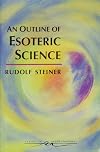
An Outline of Esoteric Science
by Rudolf Steiner
On This Page
Description
Austrian philosopher, playwright, and artist Rudolf Steiner (1861-1925) is perhaps best known as an educational philosopher and reformer, the founder of Steiner (or Waldorf) schools located around the world. Steiner was an active member and leader of the German branch of Madame Blavatsky's Theosophical Society before forming his own Anthroposophical Society. His engagement with the occult stems from his work in theosophy and anthroposophy, philosophies invested in reaching and understanding show more the 'supersensible' world that relies on a cultivation of body, spirit, and soul. This anonymous translation of the fourth German edition was published by the Theosophical Publishing Society in 1914; the first edition was published in Germany in 1909. Steiner asserts in this work the necessary and intrinsic connection between what is possible through cognition with the power of the soul and the spirit. It will be of interest to scholars of spiritual philosophy, spiritual movements, and social psychology. show lessTags
Recommendations


































Member Reviews
Sinds het begin van de twintigste eeuw is de belangstelling voor mystiek, voor transcendente filosofie en voor meditatie in verschillende vormen enorm toegenomen. Er wordt veel gesproken en geschreven over directe ervaringen van bovenzinnelijke werelden, over het leven voor de geboorte en na de dood, over reïncarnatie en over wegen van innerlijke scholing om met de spirituele wereld vertrouwd te raken. Een moderne mystiek, waarbij oosterse en westerse stromingen elkaar ontmoeten, en een wetenschap van het bovenzinnelijke zijn ondanks de nog sterk heersende materialistische opvattingen omtrent kosmos, mens en aarde duidelijk in opkomst. Steiners visie op de evolutie kan worden beschouwd als een hulp om met een objectieve blik naar show more spirituele verschijnselen te kijken.'
Recensie(s)
Vrijwel al het overgeleverde werk van Steiner bestaat uit bundelingen van zijn duizenden voordrachten, maar hier betreft het een standaardwerk, dat door hem werd geschreven als een basale inleiding in zijn antroposofie. Hij behandelt hierin de bovenzinnelijke kwaliteiten van de mens en van de natuur, hij geeft wegen aan om de hogere, meditatieve bewustzijnsorganen in de mens te wekken en hij schetst uitvoerig de kosmogonie. Bij dit laatste thema besteedt hij veel aandacht aan de negen hierarchien van geestelijke wezens, die de mens in zijn kosmische ontwikkeling zijn voorgegaan en hij brengt dit alles in samenhang met een drietal geestelijke verschijningsvormen van de aarde, die aan de huidige materiele aarde zijn voorafgegaan. Ook duidt hij aan, hoe de aarde zich in de toekomst weer zal kunnen gaan vergeestelijken. Steiner zegt zelf, dat hij het boek geschreven heeft op een manier, die de lezer tot intensief, omvattend en creatief denken tracht aan te sporen. Gemakkelijk is het daarmee geenszins. Maar als introductie op het bouwwerk van de antroposofie is het zeer compleet; geslaagde moderne vertaling. Deze editie is opnieuw vertaald zodat hij beter aansluit op ander werk in deze reeks, er zijn noten, een nawoord en een gedetailleerde inhoudsopgave toegevoegd.
Redactie show less
Recensie(s)
Vrijwel al het overgeleverde werk van Steiner bestaat uit bundelingen van zijn duizenden voordrachten, maar hier betreft het een standaardwerk, dat door hem werd geschreven als een basale inleiding in zijn antroposofie. Hij behandelt hierin de bovenzinnelijke kwaliteiten van de mens en van de natuur, hij geeft wegen aan om de hogere, meditatieve bewustzijnsorganen in de mens te wekken en hij schetst uitvoerig de kosmogonie. Bij dit laatste thema besteedt hij veel aandacht aan de negen hierarchien van geestelijke wezens, die de mens in zijn kosmische ontwikkeling zijn voorgegaan en hij brengt dit alles in samenhang met een drietal geestelijke verschijningsvormen van de aarde, die aan de huidige materiele aarde zijn voorafgegaan. Ook duidt hij aan, hoe de aarde zich in de toekomst weer zal kunnen gaan vergeestelijken. Steiner zegt zelf, dat hij het boek geschreven heeft op een manier, die de lezer tot intensief, omvattend en creatief denken tracht aan te sporen. Gemakkelijk is het daarmee geenszins. Maar als introductie op het bouwwerk van de antroposofie is het zeer compleet; geslaagde moderne vertaling. Deze editie is opnieuw vertaald zodat hij beter aansluit op ander werk in deze reeks, er zijn noten, een nawoord en een gedetailleerde inhoudsopgave toegevoegd.
Redactie show less
May 1, 2014Dutch
1
Ratings
Members
- Recently Added By
Author Information

2,099+ Works 16,122 Members
Austrian-born Rudolf Steiner was a noted Goethe (see Vol. 2) scholar and private student of the occult who became involved with Theosophy in Germany in 1902, when he met Annie Besant (1847--1933), a devoted follower of Madame Helena P. Blavatsky (1831--1891). In 1912 he broke with the Theosophists because of what he regarded as their oriental bias show more and established a system of his own, which he called Anthroposophy (anthro meaning "man"; sophia sophia meaning "wisdom"), a "spiritual science" he hoped would restore humanism to a materialistic world. In 1923 he set up headquarters for the Society of Anthroposophy in New York City. Steiner believed that human beings had evolved to the point where material existence had obscured spiritual capacities and that Christ had come to reverse that trend and to inaugurate an age of spiritual reintegration. He advocated that education, art, agriculture, and science be based on spiritual principles and infused with the psychic powers he believed were latent in everyone. The world center of the Anhthroposophical Society today is in Dornach, Switzerland, in a building designed by Steiner. The nonproselytizing society is noted for its schools. (Bowker Author Biography) show less
Some Editions
Awards and Honors
Notable Lists
Common Knowledge
- Canonical title
- An Outline of Esoteric Science
- Original title
- Die Geheimwissenschaft im Umriss
- Alternate titles*
- De wetenschap van de geheimen der ziel : over menswording en wereldevolutie en het leven na de dood
- Original publication date
- 1910 (Duits) (Duits); 1924 (Nederlands) (Nederlands)
- Original language*
- Duits
*Some information comes from Common Knowledge in other languages. Click "Edit" for more information.
Classifications
- Genres
- Nonfiction, Religion & Spirituality, Philosophy, General Nonfiction
- DDC/MDS
- 299.935 — Religion Other religions Shintoism/Taoism/Other Mythologies Religions of other origin Religions of eclectic and syncretistic origin Anthroposophy
- LCC
- BP595 .S851453 — Philosophy, Psychology and Religion Islam. Bahaism. Theosophy, etc. Islam. Bahai Faith. Theosophy, etc. Anthroposophy
- BISAC
Statistics
- Members
- 425
- Popularity
- 72,280
- Reviews
- 1
- Rating
- (3.78)
- Languages
- 6 — Dutch, English, Finnish, French, German, Italian
- Media
- Paper, Ebook
- ISBNs
- 57
- ASINs
- 13