On This Page
Description
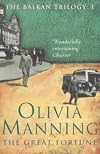
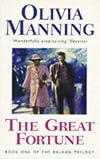
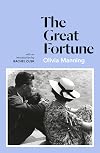
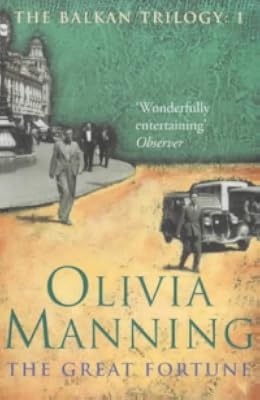
Set under the gathering storm that is the Second World War in Romania, The Great Fortune is the first action-packed, romantic and fascinating book of The Balkan Trilogy. Guy and Harriet Pringle marry after a six month courtship. Still getting to know each other, they arrive in Bucharest, where Guy works as a lecturer for the British Council. Over the preceding years Guy builds an eclectic network of friends and acquaintances. These charismatic contacts include his work colleague Clarence, show more his boss Lord Inchcape, the eccentric Prince Yakimov and Sophie, a local Romanian beauty. Harriet appears tough, but is also vulnerable, nuances that Guy often misses as he plunges wholeheartedly into one project after another. Whilst he knows and loves everyone, she knows no one and starts to wonder whether she really knows Guy either. show lessTags
Recommendations






























Member Reviews
It's 1939 and newly-married Guy and Harriet Pringle are travelling across a war torn Europe to Bucharest, where Guy is returning to his teaching job at the University. Arriving penniless on the same train is Prince Yakimov, carrying the sable-lined great coat that the Tsar had given his father, ever optimistic that his luck might improve and someone would lend him some money.
As the months pass Harriet begins to realise that Guy is perhaps not the man she had hoped for when she married, and the news of the war continues to worsen. Will Romania be able to hold out as a neutral country as its politicians insist? And will it be safe for the Pringles to remain?
I should say that I pretty much didn't like anyone in this book. I certainly couldn't imagine living with Guy for more than 24 hours without throwing things at his head. In my opinion Yakimov (or poor Yaki as he likes to refer to himself) should stop sponging off everyone in sight and get a proper job. (Faced with aristocrats like Yaki I'm surprised that the Russians lasted as long as they did before having a revolution). Even Harriet, probably the most likeable character, can be incredibly callous at times. All the characters bring out a puritanical streak in me and I can’t help feeling that they all should stop wining and dining and putting on plays in Bucharest and go back home and do something useful for the war effort!
I should also say that the fact that the book elicits such a strong reaction from me is because it is very well written and the characters come across as completely real people. So despite being incredibly annoyed with the lot of them, I will continue onto the next book in the series. show less
'Immediately outside the window there was a platform lit by three weak, yellow bulbs strung on a wire. Beneath the furthest of these was a group of people – a tall man, unusually thin, with a long coat trailing from one shoulder as from a door-knob, surrounded by five small men in uniform. They were persuading him along. He seemed, in their midst, bewildered likeshow more
some long, timid animal harried by terriers. Every few yards he paused to remonstrate with them and they, circling about him and gesticulating, edged him on until he reached the carriage from which Harriet was watching. He was carrying in one hand a crocodile dressing-case, in the other a British passport. One of the five men was a porter who carried two large suitcases.
“Yakimov,” the tall man kept repeating, “Prince Yakimov. Gospodin,” he suddenly wailed, “gospodin.”
As the months pass Harriet begins to realise that Guy is perhaps not the man she had hoped for when she married, and the news of the war continues to worsen. Will Romania be able to hold out as a neutral country as its politicians insist? And will it be safe for the Pringles to remain?
I should say that I pretty much didn't like anyone in this book. I certainly couldn't imagine living with Guy for more than 24 hours without throwing things at his head. In my opinion Yakimov (or poor Yaki as he likes to refer to himself) should stop sponging off everyone in sight and get a proper job. (Faced with aristocrats like Yaki I'm surprised that the Russians lasted as long as they did before having a revolution). Even Harriet, probably the most likeable character, can be incredibly callous at times. All the characters bring out a puritanical streak in me and I can’t help feeling that they all should stop wining and dining and putting on plays in Bucharest and go back home and do something useful for the war effort!
I should also say that the fact that the book elicits such a strong reaction from me is because it is very well written and the characters come across as completely real people. So despite being incredibly annoyed with the lot of them, I will continue onto the next book in the series. show less
Why do we read? For many of us it is to go to other places and other times, and this is a
perfect example.
I am very much reminded of the Alexandria Quartet, eccentric English expatriots in an exotic setting. I have no doubt these people, and their attitudes, really existed. In the 60's I was at Oxford and met a Russian prince who undoubtedly would have behave like poor old Yaco, had he lost all access to funds. Incidentally I see many examples in reviews posted here of readers who are unable to tolerate reading about people and attitudes that are not acceptable today. So is Dickens to be condemned for his clearly prejudiced view of Jews?
A wonderful setting, Romania in the early stages of WWII. The sort of location Alan Furst writes show more about, but his protagonists are lonely males. Here a domestic drama plays out, a newly wed English couple. The woman, Harriet, flounders in a situation where her husband sympathizes with others more than he does with her. There is obviously a strong autobiographical element here.
And I will rapidly move on to the rest of the trilogy. Such jolly good fun! Or it would be, if Hitler were not looming large. show less
perfect example.
I am very much reminded of the Alexandria Quartet, eccentric English expatriots in an exotic setting. I have no doubt these people, and their attitudes, really existed. In the 60's I was at Oxford and met a Russian prince who undoubtedly would have behave like poor old Yaco, had he lost all access to funds. Incidentally I see many examples in reviews posted here of readers who are unable to tolerate reading about people and attitudes that are not acceptable today. So is Dickens to be condemned for his clearly prejudiced view of Jews?
A wonderful setting, Romania in the early stages of WWII. The sort of location Alan Furst writes show more about, but his protagonists are lonely males. Here a domestic drama plays out, a newly wed English couple. The woman, Harriet, flounders in a situation where her husband sympathizes with others more than he does with her. There is obviously a strong autobiographical element here.
And I will rapidly move on to the rest of the trilogy. Such jolly good fun! Or it would be, if Hitler were not looming large. show less
''A pine forest came down to the edge of the track: the light from the carriages rippled over the bordering trees. As she gazed out into the dark heart of the forest, she began to see small moving lights. For an instant a grey dogshape skirted the rail, then returned to darkness. The lights, she realised, were the eyes of beasts. She drew her head in and closed the window.''
A jolly squad of British expatriates is currently residing in Bucharest, each one for their own reasons. But there is a terrible shadow looming over their heads. The Second World War is about to begin in all its terrible rage, and the characters need to battle their personal struggles in a world that will soon be torn to pieces and change forever.
In the first show more instalment of her famous Balkan Trilogy, Olivia Manning writes with honesty, clarity and elegance about the way of thinking of the British citizens in a foreign country that stands on an extremely threatening crossroads. Some of them parade hopes, fears, insecurities and prejudices, almost oblivious to the fact that disaster is coming, paying no attention to the poverty around them and the persecution of the Jewish people that no one seems to care about.
The writer gives us an accurate and sensitive critique of the parties and the dinners and all kinds of ridiculous, empty celebrations, full of magnanimous words and petty whinings, while the conflict is raging and the poverty of the citizens of Bucharest is everywhere. Contaminating the very air they breathe, the Germans already treat everyone like subjects, demonstrating their disgusting expressions of victory, exploiting Romania’s fear for the Soviets that led to the wrong choices. The Nazi monsters have not invaded Romania yet but that doesn’t stop them from parading around like ‘’victors’’, turning my stomach page after page.
And where do our characters stand amidst this situation? Hard to say. Manning eloquently depicts the fact that each one of us is always locked up in a private microcosm that cannot be influenced even by the worst affliction. War or no war, marital problems, financial insecurities, personal ambitions will always come first. Especially when you are somewhat affluent and you are in no danger to find yourself in a concentration camp...And, frankly, this is understandable. Manning doesn’t pass judgment. She observes and pin-points the bleak image of her characters but never becomes cruel.
But I am a reader and I can pass judgement and become cruel and cynical. And pragmatic. And I declare Guy as one of the most irritating, unlikable characters I’ve ever encountered in a novel. For the life of me, I can’t see why any woman would fall in love with him unless there were other reasons. He is terrible. He makes Harriett look utterly stupid and Lord knows why she puts up with his behaviour. Clarence, with his frequent use of the word ‘’bitch’’, is no less problematic even if he is an interesting, enticing character. Harriet tries. She tries hard. And despite her occasional moments of rebellion, she is too meek and docile for my liking. Yakimov is almost a tragic figure at times, and then becomes the unwanted guest, an almost pathetic comic relief. In short, the novel seems to lack an interesting cast of characters, judging by the first volume of the trilogy.
‘’But I don’t imagine I exist to enhance your sense of superiority. I exist to satisfy my own demands on myself, and they are higher than yours are likely to be. If you don’t like me as I am, I don’t care.’’
Many thanks to Penguin Random House UK and NetGalley for the ARC in exchange for an honest review.
My reviews can also be found on https://theopinionatedreaderblog.wordpress.com/ show less
A jolly squad of British expatriates is currently residing in Bucharest, each one for their own reasons. But there is a terrible shadow looming over their heads. The Second World War is about to begin in all its terrible rage, and the characters need to battle their personal struggles in a world that will soon be torn to pieces and change forever.
In the first show more instalment of her famous Balkan Trilogy, Olivia Manning writes with honesty, clarity and elegance about the way of thinking of the British citizens in a foreign country that stands on an extremely threatening crossroads. Some of them parade hopes, fears, insecurities and prejudices, almost oblivious to the fact that disaster is coming, paying no attention to the poverty around them and the persecution of the Jewish people that no one seems to care about.
The writer gives us an accurate and sensitive critique of the parties and the dinners and all kinds of ridiculous, empty celebrations, full of magnanimous words and petty whinings, while the conflict is raging and the poverty of the citizens of Bucharest is everywhere. Contaminating the very air they breathe, the Germans already treat everyone like subjects, demonstrating their disgusting expressions of victory, exploiting Romania’s fear for the Soviets that led to the wrong choices. The Nazi monsters have not invaded Romania yet but that doesn’t stop them from parading around like ‘’victors’’, turning my stomach page after page.
And where do our characters stand amidst this situation? Hard to say. Manning eloquently depicts the fact that each one of us is always locked up in a private microcosm that cannot be influenced even by the worst affliction. War or no war, marital problems, financial insecurities, personal ambitions will always come first. Especially when you are somewhat affluent and you are in no danger to find yourself in a concentration camp...And, frankly, this is understandable. Manning doesn’t pass judgment. She observes and pin-points the bleak image of her characters but never becomes cruel.
But I am a reader and I can pass judgement and become cruel and cynical. And pragmatic. And I declare Guy as one of the most irritating, unlikable characters I’ve ever encountered in a novel. For the life of me, I can’t see why any woman would fall in love with him unless there were other reasons. He is terrible. He makes Harriett look utterly stupid and Lord knows why she puts up with his behaviour. Clarence, with his frequent use of the word ‘’bitch’’, is no less problematic even if he is an interesting, enticing character. Harriet tries. She tries hard. And despite her occasional moments of rebellion, she is too meek and docile for my liking. Yakimov is almost a tragic figure at times, and then becomes the unwanted guest, an almost pathetic comic relief. In short, the novel seems to lack an interesting cast of characters, judging by the first volume of the trilogy.
‘’But I don’t imagine I exist to enhance your sense of superiority. I exist to satisfy my own demands on myself, and they are higher than yours are likely to be. If you don’t like me as I am, I don’t care.’’
Many thanks to Penguin Random House UK and NetGalley for the ARC in exchange for an honest review.
My reviews can also be found on https://theopinionatedreaderblog.wordpress.com/ show less
I confess that I almost gave up on this one in the early going. I just found it very ho-hum and wasn't all that interested in Guy and Harriet. Once more secondary characters were introduced, however, I became more engaged, and found those characters much more interesting than the primary two. Manning does a wonderful job of setting the time and place - Bucharest at the start of World War II - and her eye for detail makes the setting come alive. Most readers seem to not like Yaki much, but I found him endearing. Yes, he is careless and inept and selfish, but Guy is careless and selfish but "-ept," and I find that infinitely more frustrating.
Looking forward to the second volume!
3.75 stars
Looking forward to the second volume!
3.75 stars
Guy and Harriet Pringle arrive in Romania in September, 1939 just as Britain has declared war on Germany. Guy is a university lecturer; the couple met and married during the summer holiday. They quickly connect with the British expat community, with Guy in particular buoyed by the initial optimistic outlook on the war. It seems he’s friends with everyone, and gives all of them priority over Harriet. His most contentious relationships are with Sophie, a Romanian who once hoped to marry Guy, and Yakimov, a lost soul posing as a journalist but really just trying to make it from one meal to the next.
Guy and Harriet enjoy a lively social life, frequently dining with friends in some of Bucharest’s finest restaurants. And somehow Harriet show more manages to find her footing, developing a few friendships of her own and learning to stand her ground with Guy. But the strength of the German army is evident, and when the book closes with the fall of Paris in June 1941, fear and foreboding are in the air.
I’ve read several books about this period, usually set in Britain or France and focused on the local population. The Great Fortune felt unique to me for two reasons: it was an introduction to the history and politics of a country I know little about, and the expat point of view felt isolated and claustrophobic. I’m eager to see how their lives develop over the rest of the trilogy. show less
Guy and Harriet enjoy a lively social life, frequently dining with friends in some of Bucharest’s finest restaurants. And somehow Harriet show more manages to find her footing, developing a few friendships of her own and learning to stand her ground with Guy. But the strength of the German army is evident, and when the book closes with the fall of Paris in June 1941, fear and foreboding are in the air.
I’ve read several books about this period, usually set in Britain or France and focused on the local population. The Great Fortune felt unique to me for two reasons: it was an introduction to the history and politics of a country I know little about, and the expat point of view felt isolated and claustrophobic. I’m eager to see how their lives develop over the rest of the trilogy. show less
The Great Fortune is the first book in Olivia Manning’s autobiographical Balkan trilogy – which I first read many moons ago and have been wanting to re-read for ages. Naturally I had forgotten a lot of the details of the novel, and so it was like coming to it afresh.
What Manning captures perfectly is the ex-pat community clustered together in city beset by rumour and the ever-present threat of invasion. It is clear she knew just how it felt to live in such circumstances. Rumanian officials, poverty stricken aristocrats, University teachers and tetchy landladies – are portrayed with realistic authenticity. Manning’s Rumanian characters are not always portrayed sympathetically – there is frequently an air of irritation show more surrounding them, but what Manning also recreates so well is the awkwardness of different nationalities coming together, and living in difficult times fraught with tension.
Rumania at this time had declared itself to be neutral – but how long it would be able to remain unaffected remains to be seen.
It is 1939, and Guy Pringle brings Harriet; his new young wife back from England with him to Bucharest, Rumania. He and Harriet have not known each other all that long, and Harriett must adjust herself to both married life, and being a member of an ex-pat community in war time. Guy has a job teaching English, he slips easily back into the life he knows – having already spent some time in Bucharest before returning to England where he met, fell in love with and married Harriet.
“She was a pretty enough girl, dark like many Rumanian, too full in the cheeks. Her chief beauty was her figure. Looking at Sophie’s well developed bosom, Harriet felt at a disadvantage. Perhaps Sophie’s shape would not last, but it was enviable with it lasted.”
Guy has friends and acquaintances unknown to Harriet, one of whom, Sophie, a Rumanian beauty who has quite obviously set her cap at Guy, and is bitterly resentful of Harriet’s presence. Harriet is alarmed to hear that Guy had once idly considered marrying Sophie to give her a British passport in case of German invasion. Harriet shows everyone her nervousness about the war, England feels like a long way away – and yet none of Guy’s colleagues seem very concerned at all.
“Where is the war now?” Harriet asked.
“As the crow flies, about three hundred miles away. When we go home for Christmas…”
“Do you really think we will?” She could not believe it. Christmas brought to her mind a scene, tiny and far away like a snowstorm in a globe. Somewhere within it was ‘home’ – anyway, England. Home for her was no more defined than that. The aunt who had brought her up was dead.”
Bucharest is a city where the ex-pat community have its regular haunts, places like The Athenee Palace hotel and The English Bar where Guy is already a regular. In these places, we see various members of this wartime Bucharest society gathering to buy drinks, discuss the news and attempt to predict what will happen next. One of the most colourful characters is Prince Yakimov, a White Russian émigré who is practically penniless.
“Yakimov, in his long full-skirted greatcoat, an astrakhan cap on top of his head, his reed of a body almost overblown by the wind, looked like a phantom from the First World War–a member of some seedy royal family put into military uniform for the purposes of a parade.”
Yakimov – or ‘your poor old Yaki’ as he generally refers to himself – exists largely by scrounging off his friends, he is a man used to exquisitely rich food – and he is frequently very hungry. When his credit is exhausted at the hotel, he removes himself to some lodgings, soon falling foul of his landlady to whom he inevitably owes money. As Yaki borrows more and more money off various friends, he finds his friends diminishing, and Harriet is particularly annoyed by him after he insults Guy (an insult Guy doesn’t even notice). However, Guy likes to take people under his wing, and he takes pity on Yakimov, eventually moving him into the small spare room in the flat he and Harriet have moved into. Whenever Yaki gets some money for rent or clothing he generally splashes out on restaurant food, and copious amounts of wine, he is hopes with money – and everyone knows it.
With Guy, so often busy with his own concerns, Harriet can be a little lonely, she finds herself thrown together with a colleague of Guy’s; Clarence – separated from his fiancé, it is obvious he really admires Harriet. Guy seems oblivious to any potential risk, and is not a bit jealous, unlike poor Harriet who practically boils with rage whenever Sophie is present.
As everyone keeps a careful eye on what is happening with the war, and in which direction the Germans are moving – they take heart from the news that the troops are sweeping West – well away from Rumania. Still rumour is rife – and foreign nationals need to secure visas for neighbouring countries to use in the event of a German invasion. The Drucker family (wealthy Jewish bankers – whose son is one of Guy’s students) have been arrested on some apparently trumped up charges and are discussed and speculated over at some length. In the meantime, Guy decides to produce a play – a project which does an excellent job of distracting many of the participants from the gathering storm. Troilus and Cressida is the play – and Guy has the perfect role for everyone – especially Yaki. Harriet is originally supposed to play Cressida – however Guy knows she doesn’t take the project quite as seriously as he does, and so recasts the part – giving it to Sophie.
I loved every bit of this novel it’s wonderfully evocative and though there is not a tremendous amount of plot – the characterisation and evocation of a city under threat of invasion is fantastic. I can’t wait to read The Spoilt City – book two of the trilogy – in fact I see Olivia Manning could become a writer I start reading a lot of. show less
What Manning captures perfectly is the ex-pat community clustered together in city beset by rumour and the ever-present threat of invasion. It is clear she knew just how it felt to live in such circumstances. Rumanian officials, poverty stricken aristocrats, University teachers and tetchy landladies – are portrayed with realistic authenticity. Manning’s Rumanian characters are not always portrayed sympathetically – there is frequently an air of irritation show more surrounding them, but what Manning also recreates so well is the awkwardness of different nationalities coming together, and living in difficult times fraught with tension.
Rumania at this time had declared itself to be neutral – but how long it would be able to remain unaffected remains to be seen.
It is 1939, and Guy Pringle brings Harriet; his new young wife back from England with him to Bucharest, Rumania. He and Harriet have not known each other all that long, and Harriett must adjust herself to both married life, and being a member of an ex-pat community in war time. Guy has a job teaching English, he slips easily back into the life he knows – having already spent some time in Bucharest before returning to England where he met, fell in love with and married Harriet.
“She was a pretty enough girl, dark like many Rumanian, too full in the cheeks. Her chief beauty was her figure. Looking at Sophie’s well developed bosom, Harriet felt at a disadvantage. Perhaps Sophie’s shape would not last, but it was enviable with it lasted.”
Guy has friends and acquaintances unknown to Harriet, one of whom, Sophie, a Rumanian beauty who has quite obviously set her cap at Guy, and is bitterly resentful of Harriet’s presence. Harriet is alarmed to hear that Guy had once idly considered marrying Sophie to give her a British passport in case of German invasion. Harriet shows everyone her nervousness about the war, England feels like a long way away – and yet none of Guy’s colleagues seem very concerned at all.
“Where is the war now?” Harriet asked.
“As the crow flies, about three hundred miles away. When we go home for Christmas…”
“Do you really think we will?” She could not believe it. Christmas brought to her mind a scene, tiny and far away like a snowstorm in a globe. Somewhere within it was ‘home’ – anyway, England. Home for her was no more defined than that. The aunt who had brought her up was dead.”
Bucharest is a city where the ex-pat community have its regular haunts, places like The Athenee Palace hotel and The English Bar where Guy is already a regular. In these places, we see various members of this wartime Bucharest society gathering to buy drinks, discuss the news and attempt to predict what will happen next. One of the most colourful characters is Prince Yakimov, a White Russian émigré who is practically penniless.
“Yakimov, in his long full-skirted greatcoat, an astrakhan cap on top of his head, his reed of a body almost overblown by the wind, looked like a phantom from the First World War–a member of some seedy royal family put into military uniform for the purposes of a parade.”
Yakimov – or ‘your poor old Yaki’ as he generally refers to himself – exists largely by scrounging off his friends, he is a man used to exquisitely rich food – and he is frequently very hungry. When his credit is exhausted at the hotel, he removes himself to some lodgings, soon falling foul of his landlady to whom he inevitably owes money. As Yaki borrows more and more money off various friends, he finds his friends diminishing, and Harriet is particularly annoyed by him after he insults Guy (an insult Guy doesn’t even notice). However, Guy likes to take people under his wing, and he takes pity on Yakimov, eventually moving him into the small spare room in the flat he and Harriet have moved into. Whenever Yaki gets some money for rent or clothing he generally splashes out on restaurant food, and copious amounts of wine, he is hopes with money – and everyone knows it.
With Guy, so often busy with his own concerns, Harriet can be a little lonely, she finds herself thrown together with a colleague of Guy’s; Clarence – separated from his fiancé, it is obvious he really admires Harriet. Guy seems oblivious to any potential risk, and is not a bit jealous, unlike poor Harriet who practically boils with rage whenever Sophie is present.
As everyone keeps a careful eye on what is happening with the war, and in which direction the Germans are moving – they take heart from the news that the troops are sweeping West – well away from Rumania. Still rumour is rife – and foreign nationals need to secure visas for neighbouring countries to use in the event of a German invasion. The Drucker family (wealthy Jewish bankers – whose son is one of Guy’s students) have been arrested on some apparently trumped up charges and are discussed and speculated over at some length. In the meantime, Guy decides to produce a play – a project which does an excellent job of distracting many of the participants from the gathering storm. Troilus and Cressida is the play – and Guy has the perfect role for everyone – especially Yaki. Harriet is originally supposed to play Cressida – however Guy knows she doesn’t take the project quite as seriously as he does, and so recasts the part – giving it to Sophie.
I loved every bit of this novel it’s wonderfully evocative and though there is not a tremendous amount of plot – the characterisation and evocation of a city under threat of invasion is fantastic. I can’t wait to read The Spoilt City – book two of the trilogy – in fact I see Olivia Manning could become a writer I start reading a lot of. show less
[The Great Fortune] is the first book in Olivia Manning's Balkan Trilogy. The book begins in 1939 and ends with the fall of Paris in 1940. It is set in Romania. This kind of reminded me of [Casablanca] in that you have a cast of characters brought together by world events - the usual suspects, as it were. They would probably not be hanging out except that circumstances have assembled them in this particular place and time. The first thing that struck me about the book is that none of the characters are particularly likable. They are distanced from the war not just physically but also emotionally. They are very much wrapped up in their own daily lives and routines. As news of the war seeps in from varying sources, and even as someone in show more their midst is arrested, they seem callous and indifferent except for their thoughts on how it might affect them personally. When France falls to the Nazis, they are not deeply saddened but they are shocked. It's a topic for discussion, not a wound. Everything is at a remove, and, as a reader, one is left to wonder when they will finally grasp the big picture of what is happening.
As I mentioned above, none of the characters is particularly sympathetic, but of them, Harriet (the newlywed English wife of an English professor who is employed by the British Council and assigned to the University of Bucharest) is my favorite. As I read, I developed a growing respect for how she responded to those around her and her situation. I loved this response to her husband when he is telling her why he doesn't like someone; he says:
"She’s just a typical bourgeois reactionary." To which Harriet responds: "You mean, her prejudices are different from yours."
What I did love about the book were its descriptions of time and place. Manning does an excellent job of capturing the setting, giving the book a sense of place that is clearly defined and articulated. I am very much invested in what happens next, and look forward continuing into the next book. show less
As I mentioned above, none of the characters is particularly sympathetic, but of them, Harriet (the newlywed English wife of an English professor who is employed by the British Council and assigned to the University of Bucharest) is my favorite. As I read, I developed a growing respect for how she responded to those around her and her situation. I loved this response to her husband when he is telling her why he doesn't like someone; he says:
"She’s just a typical bourgeois reactionary." To which Harriet responds: "You mean, her prejudices are different from yours."
What I did love about the book were its descriptions of time and place. Manning does an excellent job of capturing the setting, giving the book a sense of place that is clearly defined and articulated. I am very much invested in what happens next, and look forward continuing into the next book. show less
Members
- Recently Added By
Lists

The Guardian's 1000 Novels Everyone Must Read
1,005 works; 551 members

Books about the Balkans
19 works; 2 members
Author Information

28+ Works 3,689 Members
Some Editions
Awards and Honors
Notable Lists
Series


Work Relationships
Common Knowledge
- Canonical title
- The Great Fortune
- Original title
- The Great Fortune
- Original publication date
- 1960
- People/Characters
- Guy Pringle; Harriet Pringle; Prince Yakimov; Dobson
- Important places
- Bucharest, Romania
- Important events
- World War II, European Theater
- Related movies
- Fortunes of War (1987 | TV miniseries | IMDb)
- Original language
- English UK
Classifications
Statistics
- Members
- 288
- Popularity
- 112,070
- Reviews
- 21
- Rating
- (3.74)
- Languages
- 6 — English, French, German, Italian, Spanish, Swedish
- Media
- Paper, Audiobook, Ebook
- ISBNs
- 22
- ASINs
- 16